
Plants
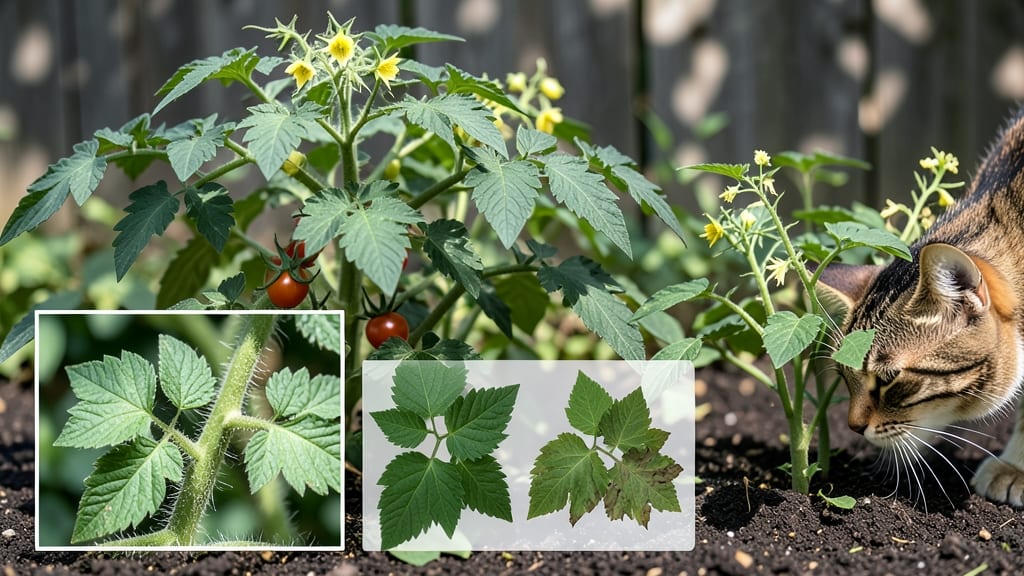
Tomato plant leaves are indeed poisonous, containing harmful solanine and glycoalkaloids that can trigger nausea, vomiting, and stomach pain if eaten in significant amounts. Always discard green or unripe leaves to stay safe.
These compounds are especially concentrated in the leaves and stems, particularly when they're still green or unripe. 🌱 While you'd need to consume a large quantity to experience severe symptoms, it's best to avoid them entirely—especially for pets or children, who might be more sensitive.
The good news? The fruit itself is completely safe once fully ripened, so you can enjoy your homegrown tomatoes without worry.
For gardeners, this means keeping plants out of reach and properly disposing of pruned foliage. Composting is only safe if you're certain no leaves are mixed in, as they can contaminate soil with toxins. Instead, opt for yard waste bins or municipal green waste programs.
💡 In This Article
- Toxins in Tomato Leaves: Solanine and Glycoalkaloid Risks
- Safe Handling and Gardening Practices with Tomato Plants
Toxins in tomato leaves: solanine and glycoalkaloid risks
The primary toxins in tomato plant leaves are solanine and tomatine, both belonging to the glycoalkaloid family. Solanine is particularly concentrated in green parts of the plant, with studies showing levels reaching 4-5 mg per 100 grams of fresh leaf material—about 10 times higher than in ripe tomato fruits.
This chemical acts as a natural defense mechanism, deterring insects and herbivores from eating the plant.
When ingested, these compounds disrupt normal nerve and muscle function by interfering with acetylcholine receptors—the same neurotransmitter system targeted by nerve gases. Symptoms typically appear within 6-12 hours and include severe nausea, vomiting, diarrhea, and abdominal pain.
In extreme cases (consuming 500 mg or more), solanine can cause neurological symptoms like confusion, hallucinations, or even coma. 💛 For perspective, that's roughly 100 grams of green leaves for an average adult.
The toxicity varies dramatically between plant parts: green leaves contain 2-5 times more solanine than stems, while ripe tomato fruits have negligible amounts (0.001 mg per 100 grams). Even the small green shoulders on ripe tomatoes contain 3-4 times the solanine of the red flesh.
This is why gardeners often see pets or children showing symptoms after nibbling on green foliage—it's not the fruit itself that's dangerous.
Animals are particularly vulnerable because they lack the liver enzymes to metabolize glycoalkaloids efficiently. Horses, for example, have suffered fatal poisoning from eating tomato vines, while dogs typically show symptoms after consuming 0.5-1% of their body weight in green tomato leaves.
The good news is that cooking doesn't eliminate these toxins—solanine is heat-stable, so even fried or baked leaves remain dangerous.
What makes this especially tricky is that the plant's natural defenses increase when stressed. Overwatering, poor soil conditions, or excessive sunlight can boost solanine production by up to 50%, making stressed plants even more toxic.
This is why gardeners often notice more issues with tomato plants during heatwaves or after heavy pruning.
For comparison, the lethal dose for humans is estimated at 3-5 mg of solanine per kilogram of body weight. A 150-pound adult would need to eat about 200 grams of green leaves to reach this threshold—though symptoms would likely appear long before that point.
The key takeaway is that while tomato leaves aren't acutely deadly in small amounts, their cumulative effects make them best avoided entirely.