
Plants
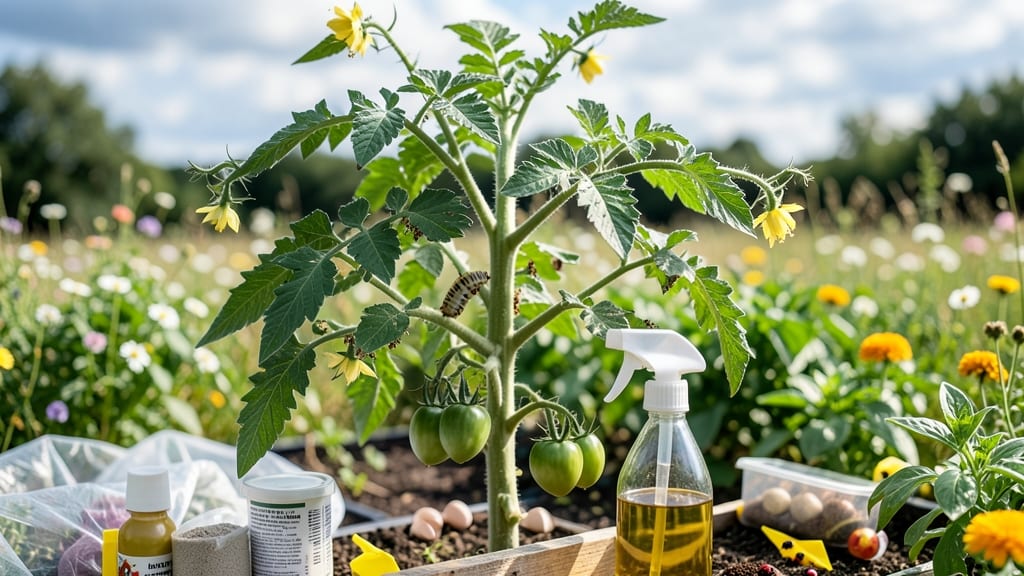
My tomato plants were getting ravaged by hornworms—stripped to the stems in days—until I discovered this organic pest control combo that stops chewers, suckers, and borers dead in their tracks.
The secret isn’t just neem oil or soap spray—it’s knowing when to use each, how to mix them right, and the 24-hour window where pests literally drop off your plants. I’ve saved entire crops with this method, and you can too without touching harsh chemicals.
Most gardeners panic when they see the first signs—yellowing leaves, sticky residue, or tiny holes—but the key is acting fast. Aphids and whiteflies multiply like crazy, while hornworms can decimate a plant overnight.
What works best is a two-pronged approach: a preventive spray schedule (every 7-10 days) plus an emergency treatment when you spot fresh damage. The good news? Both solutions use ingredients you can find at the grocery store or garden center.
Within 24 hours of the right spray, you’ll see pests wilting, falling off, or avoiding your plants entirely. Your tomatoes will start looking lush and green again, not to mention the peace of mind knowing you’re not poisoning your soil or beneficial insects.
The best part? This method works for all tomato varieties—whether you’re growing heirlooms in the ground or cherry tomatoes in containers.
We’ll cover the exact ratios for neem oil and soap spray, when to apply them, and how to tell if your plants are fully recovered. No more helplessly watching your harvest disappear—just healthy, thriving plants that produce until the first frost. Let’s get those pests under control for good.
Root Causes Of Tomato Plant Pests
Tomatoes are a garden favorite, but they’re also a buffet for pests—whether it’s hungry insects, fungal invaders, or even soil-borne troublemakers. Understanding why these problems occur is the first step to defending your plants naturally.
Below, we break down the science behind the most common culprits and how their behavior (or yours) sets the stage for an infestation.
Tomatoes need breathing room—literally. When plants are too close together, airflow stalls, and humidity rises.
This creates the perfect conditions for: - Fungal diseases (like early blight or powdery mildew) to spread via spores. - Pests like aphids, whiteflies, and spider mites to thrive in shaded, damp microclimates. - Soil-borne pathogens (e.g., Phytophthora root rot) to move between plants via splashing water.
Why it happens: Plants compete for nutrients, weakening their defenses. A stressed tomato is an easy target. Overhead watering also splashes spores onto leaves, accelerating infection.
Tomatoes are heavy feeders, and when their diet lacks key nutrients, they become vulnerable:
- Nitrogen deficiency → Stunted growth = fewer flowers/fruit, making plants more attractive to pests like hornworms (they prefer tender, fast-growing leaves).
- Potassium deficiency → Weak cell walls = easier entry for fungi (e.g., Alternaria blight) and bacterial spots.
- Excess nitrogen → Soft, sappy growth = aphids and whiteflies go wild (they love sugary honeydew).
Why it happens:
- Poor soil testing before planting.
- Over-reliance on synthetic fertilizers that disrupt microbial balance.
- Ignoring organic matter (compost/manure) which improves soil structure and pest resistance.
Tomatoes under stress stop fighting back.
Common stressors include: - Drought or overwatering → Root damage or fungal root infections (e.g., Fusarium wilt). - Extreme temperature swings → Shocked plants attract pests like flea beetles (they target stressed foliage). - Transplant shock → Moving seedlings too early or late stresses roots, inviting pests like cutworms.
Why it happens: Plants prioritize survival over defense. When roots can’t absorb water/nutrients, they stop producing protective compounds (like alkaloids that deter insects).
Not all garden neighbors are helpful.
Some plants draw pests that then attack tomatoes: - Basil near tomatoes → Repels some pests (like thrips) but can also attract spider mites if overwatered. - Corn or beans nearby → May harbor corn earworms or bean beetles that migrate to tomatoes. - Weeds in the row → Alternate hosts for pests like tomato hornworms (which lay eggs on nearby plants).
Why it happens: Pests follow scent trails and host plant cues. A diverse garden can disrupt these patterns—but only if you strategically place repellent plants (e.g., marigolds, nasturtiums).
Water is life—but how you water can turn your garden into a pest paradise.
- Overhead watering → Splashes spores (e.g., Septoria leaf spot) onto leaves.
- Late-day watering → Leaves stay wet overnight, encouraging fungal growth.
- Underwatering → Roots seek moisture at the surface, where pests like root-knot nematodes lurk.
Why it happens: Moisture = pest highway. Fungal spores germinate in 6–12 hours on damp surfaces, and insects like slugs/snails are drawn to humid soil.
Pests don’t just appear—they time their attacks based on:
- Warm nights → Encourages aphid and whitefly reproduction (they thrive at 75–85°F).
- High humidity → Fungal diseases like late blight spread explosively.
- Dry, windy conditions → Attracts spider mites (they ride dust particles).
Why it happens: Tomatoes are seasonal magnets for pests. For example, hornworms peak in July–August when tomato plants are at their most lush.
Even "safe" pesticides can backfire:
- Neonicotinoids (systemic insecticides) → Kill beneficial insects (like ladybugs) that control tomato pests naturally.
- Copper-based fungicides → Can build up in soil, harming mycorrhizal fungi that help tomato roots absorb nutrients.
- Synthetic fertilizers → Disrupt soil microbes, reducing the plant’s ability to fend off pathogens.
Why it happens: Chemicals disrupt the ecosystem. A garden lacking predators (e.g., lacewings, parasitic wasps) becomes a pest-free-for-all.
Pests don’t attack randomly—they exploit weaknesses in your garden’s balance. The good news? Fix the root cause, and you’ll see fewer pests without reaching for harsh chemicals. Next up: How to break the cycle with organic solutions that work in 24 hours or less. 🚀
Quick Fixes for Tomato Plant Pests
When pests invade your tomato garden, acting fast is key—but so is choosing the right organic solutions. Below, we’ve mapped common tomato plant pests to easy, effective fixes using natural ingredients you likely already have at home.
Each method is designed to work in 24 hours or less (with follow-up prevention to keep pests away long-term).
Problem: These striped caterpillars can strip a tomato plant bare overnight. 😱
Fix It Fast:
- Handpick & Squish 👨🍳
- Inspect leaves early morning (they’re sluggish then).
- Drop them in soapy water (1 tbsp dish soap + 1 gallon water) to avoid re-infestation.
- Pro tip: 💡 Wear gloves—hornworms can be hairy and irritating!
- Neem Oil Spray 🌿
- Mix 1 tbsp neem oil + 1 tsp mild soap + 1 quart water. Spray directly on worms (avoid flowers to protect pollinators).
- Reapply every 3–4 days until no more are seen.
- Introduce Beneficial Wasps 🐝
- Hang parasitic wasp nests (like Cotesia congregata) near plants. They lay eggs inside hornworms, killing them naturally.
Prevent Future Outbreaks:
- Plant basil nearby—its scent repels hornworms.
- Rotate crops yearly to disrupt their life cycle.
Problem: Clusters of tiny green/black bugs leave leaves curled and sticky with honeydew (which attracts mold). 🍯
Fix It Fast:
- Blast Them Off 💦
- Use a strong spray of water (from a hose nozzle) to knock them off plants. Repeat daily for 3 days.
- Soap Spray 🧼
- Mix 1 tbsp castile soap + 1 quart water. Spray directly on aphids (test on a small leaf first).
- Warning: Avoid spraying in direct sunlight—it can burn leaves.
- Ladybugs & Lacewings 🐞
- Buy beneficial insect eggs online or release adult ladybugs (they eat 50+ aphids/day!).
Prevent Return Trips:
- Encourage predatory insects by planting dill, fennel, or marigolds.
- Remove infected leaves immediately to starve them.
Problem: These microscopic red/yellow pests weave webs and suck plant juices, causing yellowing leaves and stunted growth. 🌿→💀
Fix It Fast:
- Rinse with Water 🚰
- Spray plants thoroughly with water to dislodge mites (they hate humidity).
- Do this every other day for a week.
- Neem Oil or Horticultural Oil 🌿
- Mix 2 tbsp neem oil + 1 tsp soap + 1 quart water. Spray both sides of leaves (mites hide underneath!).
- Key: Apply in the evening to avoid leaf burn.
- Predatory Mites 🕷️
- Release Phytoseiulus persimilis (a natural mite predator) for long-term control.
Prevent Outbreaks:
- Water deeply (mites thrive in dry conditions).
- Use mulch to retain soil moisture.
Problem: These tiny white bugs swarm plants in warm weather, leaving a sticky residue and weakening vines. ☀️💨
Fix It Fast:
- Yellow Sticky Traps 🎣
- Hang yellow cards coated with petroleum jelly near plants to trap adults.
- Soap Spray + Neem Oil Combo 🧼🌿
- Mix 1 tbsp soap + 1 tbsp neem oil + 1 gallon water. Spray undersides of leaves where they hide.
- Timing: Apply early morning or late evening to avoid harming bees.
- Encourage Parasitic Wasps 🐝
- E Encarsia formosa wasps lay eggs in whitefly pupae—release them for biological control.
Prevent Future Infestations:
- Avoid over-fertilizing (whiteflies love lush, nitrogen-rich plants).
- Prune yellowing leaves to remove eggs.
Problem: These green/brown caterpillars cut tomato stems at night, toppling plants. 🌱💥
Fix It Fast:
- Collar Barriers 🛡️
- Wrap cardboard or aluminum foil around stems 3 inches from soil to block chewing.
- Beer Trap 🍺
- Bury a plastic cup filled with beer near plants. Cutworms crawl in and drown.
- Handpick at Night 🌙
- Use a flashlight after dark to spot and squash them.
Prevent Damage:
- Mulch heavily to deter egg-laying.
- Plant marigolds—their scent repels cutworms.
💡 Pro Tip for All Pests:
- Rotate methods to avoid resistance (e.g., alternate soap spray with neem oil).
- Check plants weekly—early action = fewer pests!
With these organic, fast-acting solutions, your tomato plants will bounce back in no time. 🍅💪 Now go rescue that garden!
Frequently asked questions
How often should I apply organic sprays to tomato plants?
For preventive care, apply neem oil or soap sprays every 7-10 days during peak pest seasons (spring through early fall). If you spot active infestations, treat immediately and repeat every 3-4 days until pests disappear. Always spray in the early morning or evening to avoid harming beneficial insects.
Can I use these organic methods on tomato plants already bearing fruit?
Yes, but with caution. Neem oil and soap sprays are safe for edible plants, but avoid spraying directly on flowers or open blossoms to protect pollinators. Focus on leaves and stems, and harvest tomatoes 24 hours after treatment to ensure residue has minimal contact with fruit. Always test a small area first.
What's the best way to tell if my tomato plants need treatment?
Look for these early warning signs: sticky residue on leaves (aphids/whiteflies), tiny holes in foliage (caterpillars), yellowing or curled leaves (mites), or wilting stems (cutworms). Check undersides of leaves daily—pests often hide there. A quick shake test (tap leaves over a white towel) can reveal hidden insects like spider mites or thrips.
Will these organic methods work if my plants are already severely damaged?
While organic treatments can still help, severe damage may require immediate action. Prune heavily infested leaves (dispose of them in sealed bags) and focus treatments on remaining healthy growth. For fungal issues, improve airflow by spacing plants 18-24 inches apart and water at soil level. Severe cases might need 2-3 weeks of consistent care to recover fully.
Can I mix neem oil with other organic sprays?
Yes, but with precautions. Neem oil pairs well with soap sprays (1 tbsp neem + 1 tsp soap per quart of water) for better coverage. However, avoid mixing with garlic, chili, or essential oils—they can create harmful chemical reactions. Always mix fresh solutions and use within 24 hours for maximum effectiveness.