
Planting
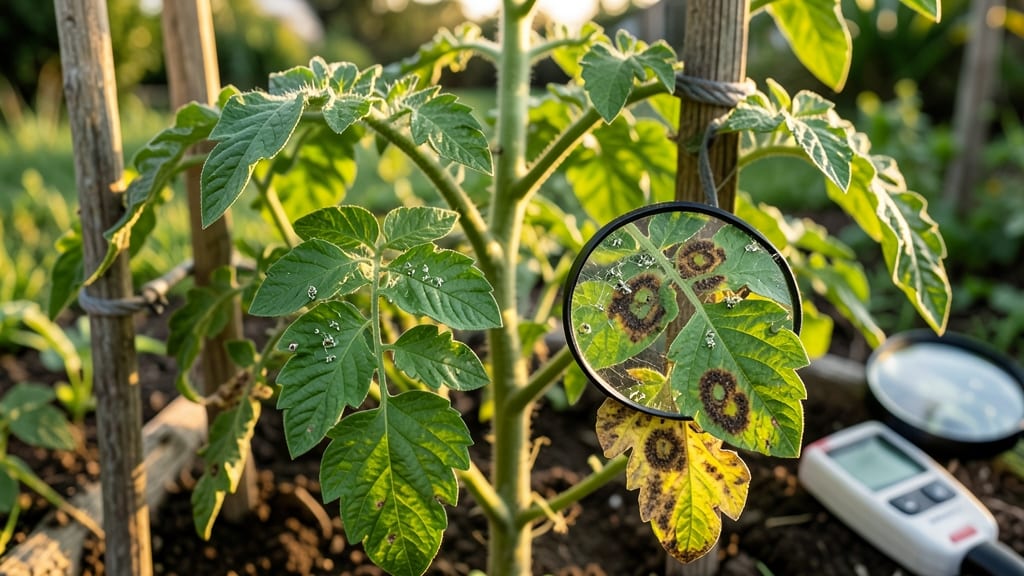
Your tomato plant leaves curling and yellowing could mean root rot—or it might just need better air circulation. 🌱 I’ve saved dozens of plants from this exact problem using simple tricks that stop the rot before it spreads, and you can too.
The key is catching it early, when leaves first pucker and yellow at the edges.
Root rot thrives in soggy soil, but it’s often not the water itself—it’s how you water. Overhead sprinklers, mulch piled too high, or containers without drainage holes create the perfect swamp for fungal growth.
Even nutrient burn from too much fertilizer can mimic these symptoms, so don’t jump to conclusions before checking the roots.
What works is a two-step fix: prune away infected leaves (sterilize your shears first!) and improve airflow around the plant. Cut back foliage to let sunlight dry the soil faster, and switch to deep watering at the base—no more top-drenching.
Within a week, you’ll see new, firm leaves pushing out, and the plant will bounce back stronger than before.
For stubborn cases, air-pruning containers with holes in the bottom can prevent future rot. If the stem turns mushy or smells foul, it’s time to pull the plant and start fresh—sometimes saving it just isn’t worth the risk.
Most gardeners recover plants this way, but if you’re unsure, snap a photo and ask your local extension office for a second opinion.
Root Causes Behind Leaf Stress
When your tomato plant’s leaves start curling and yellowing, it’s rarely a coincidence—your plant is sending distress signals about deeper issues. Understanding the root causes (literally and figuratively) is the first step to reviving your crop.
Below, we break down the most common culprits, backed by science, so you can diagnose and act fast.
Tomatoes thrive in consistent moisture, but too much water—especially in poorly draining soil—triggers a cascade of problems. When roots sit in soggy conditions, they struggle to absorb oxygen, leading to:
- Root rot: Fungal pathogens like Phytophthora and Pythium feast on waterlogged roots, cutting off nutrient flow. Yellowing leaves often start at the older, lower leaves (a classic sign of nutrient starvation).
- Toxic buildup: Excess water leaches nutrients but also traps salt and chemicals in the soil, burning root tips. Curling leaves can be the plant’s way of reducing water loss while roots suffocate.
- Nutrient imbalance: Waterlogged soil creates anaerobic pockets, where beneficial microbes die off. Without them, essential nutrients like nitrogen and potassium become locked away—even if they’re in the soil.
💡 Pro Tip: Stick your finger 2 inches into the soil. If it’s damp (not wet), wait to water. If it’s bone-dry, your plant may also be suffering from underwatering stress, which causes curling from dehydration.
On the flip side, inconsistent watering—especially during heatwaves—can cause leaves to curl and yellow as a desperate survival tactic. Here’s how:
- Wilting and curling: Tomato leaves curl underward (not upward like with some pests) to reduce surface area and slow water loss. If this persists, edges may turn crispy and yellow.
- Root shrinkage: Chronic underwatering forces roots to retreat inward, reducing their ability to absorb water and nutrients. New growth appears stunted, and leaves yellow from chlorosis (lack of chlorophyll).
- Heat scorch: High temperatures (above 90°F/32°C) increase transpiration rates. If roots can’t keep up, leaves blister, yellow, and curl—often on the upper canopy first.
✨ Quick Fix: Water deeply early in the morning (not at night) to prevent evaporation. Use mulch to retain moisture and shade cloth to protect leaves from direct sun.
Tiny invaders can wreak havoc without you noticing. Here’s how pests trigger curling and yellowing:
#### 🐛🍃 Aphids, Spider Mites, and Whiteflies| Pest | How They Damage Leaves | Tell-Tale Signs |
|---|---|---|
| Aphids | Pierce leaves to feed on sap, injecting toxic saliva that disrupts nutrient flow. They also excrete honeydew, fostering sooty mold. | Curling upward, sticky residue, black mold on undersides. |
| Spider Mites | Suck cell contents, causing stippling (tiny yellow/white dots) and leaf desiccation. Severe infestations lead to bronzing and curling. | Fine webbing on undersides, yellowing between veins. |
| Whiteflies | Cluster on undersides, weakening leaves and spreading viruses like tomato yellow leaf curl virus (TYLCV). | Yellowing, curling, and sticky residue (like aphids). |
🔥 Action Step: Blast pests off with a strong spray of water (early morning) or use neem oil (1 tsp per quart of water). For mites, increase humidity—they thrive in dry conditions.
#### 🐛🍅 Hornworms and CaterpillarsThese leaf-eating machines don’t just chew holes—they trigger stress responses:
- Large holes and skeletonized leaves reduce photosynthesis, causing yellowing.
- Saliva from chewing releases enzymes that accelerate leaf deterioration.
- Plants may curl leaves inward to protect new growth.
👨🍳 Trap Them: Handpick worms (they’re green with white stripes) or use Bt (Bacillus thuringiensis) spray for organic control.
Yellowing leaves often signal a nutrient deficiency, but the pattern helps pinpoint the culprit:
#### 🟡 Yellow Between Veins? Check NitrogenNitrogen is vital for chlorophyll production. When deficient:
- Leaves turn pale yellow (chlorotic) between veins, starting on older leaves.
- Curling occurs as the plant tries to conserve energy.
- Growth slows, and stems become thin and weak.
💪 Fix It: Apply blood meal (organic) or a balanced fertilizer (10-10-10). Avoid overdoing it—excess nitrogen causes leaf burn.
#### 🟡 Yellow Edges with Green Centers? Potassium or Magnesium?| Nutrient | Symptoms | Solution |
|---|---|---|
| Potassium (K) | Yellowing at leaf edges (scorching), curling, and weak stems. Often seen in older leaves first. | Use potassium sulfate or wood ash. Banana peels (composted) add potassium slowly. |
| Magnesium (Mg) | Yellowing between veins (like nitrogen), but often on younger leaves. Curling may occur if severe. | Apply Epsom salt (1 tbsp per gallon of water) as a foliar spray or soil drench. |
🎯 Test Your Soil: A DIY soil test kit (or send a sample to a lab) reveals exact deficiencies before guessing.
Fixing Curled and Yellow Tomato Leaves
Now that you’ve identified the root cause of your tomato plant’s distress, it’s time to take action! The good news is that most issues—whether environmental, pest-related, or disease-driven—can be reversed with the right care.
Below are practical, step-by-step solutions tailored to the most common culprits, plus prevention tips to keep your plants thriving.
---
Signs: Yellowing leaves, curling edges, mushy stems, foul odor from soil.
How to Fix It: 1. 🔥 Stop Watering Immediately - Let the top 1–2 inches of soil dry out completely before watering again. Stick your finger in the soil—if it’s soggy past your first knuckle, wait.
2. 🍳 Improve Drainage - Repot the plant in a well-draining mix (50% potting soil, 30% perlite, 20% compost). Avoid heavy garden soil. - If in-ground, amend the soil with sand or coconut coir to break up clay.
3. 👨🍳 Prune Damaged Roots (If Severe) - Gently remove the plant from its pot and trim black, mushy roots with sterilized scissors. Replant in fresh, dry soil.
4. ⏰ Adjust Watering Habits - Water deeply but infrequently—aim for 1–1.5 inches per week (less in humid climates). Use a drip irrigation system or soaker hose to avoid overhead wetting.
💡 Prevention Tips: - Use containers with drainage holes (or drill them yourself!). - Mulch around plants to regulate soil moisture. - Avoid watering at night—wet foliage invites fungal diseases.
---
Signs: Crispy, curled edges, wilting, yellowing between leaf veins.
How to Fix It: 1. 💧 Hydrate Deeply - Water slowly and thoroughly until it drains from the bottom. Repeat every 2–3 days in hot weather.
2. 🌿 Provide Shade Cloth - If temperatures exceed 90°F (32°C), shield plants with 30–50% shade cloth for 2–4 hours daily.
3. 🥗 Mulch to Retain Moisture - Spread 2–3 inches of straw or wood chips around the base (keep it 6 inches away from stems to prevent rot).
4. 🎯 Adjust Watering Schedule - Morning watering (before 10 AM) reduces evaporation. Use drip lines for consistency.
💡 Prevention Tips: - Group plants to create microclimates that retain humidity. - Choose heat-tolerant varieties like ‘Solar Fire’ or ‘Heatmaster’ for future seasons.
---
Signs: Sticky residue (honeydew), tiny webs, chewed leaves, yellowing spots.
How to Fix It: 1. 🔪 Blast Off Pests - Spray with water (forceful stream from a hose) to dislodge aphids/whiteflies. - Neem oil solution (1 tbsp neem oil + 1 tsp mild soap + 1 quart water) spray every 5–7 days for mites.
2. 🌿 Introduce Beneficial Insects - Release ladybugs or lacewings (available at garden centers) to eat aphids naturally.
3. 🍳 Prune and Destroy Infested Foliage - Snip off severely damaged leaves and dispose of them in sealed bags (not compost).
4. 🛡️ Prevent Future Attacks - Yellow sticky traps catch whiteflies before they multiply. - Reflective mulch (aluminum foil) confuses pests like spider mites.
💡 Prevention Tips: - Inspect new plants before bringing them home (quarantine for 2 weeks). - Avoid broad-spectrum pesticides—they kill beneficial insects too!
---
Signs: Yellow/brown spots with concentric rings, white powdery patches, wilting.
How to Fix It: 1. 🌡️ Improve Airflow - Space plants 18–24 inches apart and prune lower leaves to enhance circulation.
2. 🍳 Apply Fungicidal Sprays - Baking soda spray (1 tbsp baking soda + 1 quart water + few drops of soap) spray every 7–10 days. - Copper fungicide (follow label rates) for severe cases like late blight.
3. 👨🍳 Remove and Destroy Infected Leaves - Do not compost diseased foliage—burn or trash it to prevent spread.
4. ⏰ Rotate Crops - Avoid planting tomatoes in the same spot next year (wait 3 years to break the disease cycle).
💡 Prevention Tips: - Water at the base (never overhead) to keep leaves dry. - Use resistant varieties like ‘Mountain Merit’ or ‘Defiant PhR.’
---
Signs: Yellowing between veins (nitrogen), brown leaf edges (potassium), yellow patches with green veins (magnesium).
How to Fix It: | Issue | Quick Fix | Long-Term Solution | |-------------------------|----------------------------------------|-----------------------------------------| | Nitrogen (Yellow all over) | Fish emulsion (5-5-5) or compost tea | Side-dress with aged manure every 4 weeks. | | Potassium (Brown edges) | Banana peel tea or kelp meal | Add wood ash (sparingly) to soil. | | Magnesium (Yellow patches) | Epsom salt spray (1 tbsp/gallon) | Apply dolomitic lime to soil. |
💡 Prevention Tips: - Test soil every 2–3 years and amend as needed. - Avoid over-fertilizing—tomatoes prefer balanced (10-10-10) or low-nitrogen feeds.
--- 1. 🌿 Trim Back Severely Damaged Leaves – Focus energy on new growth. 2. 💪 Support Weak Stems – Use cages or stakes to prevent further stress.
3. 🍅 Monitor Daily – Check for new pests/diseases and act fast. 4. 🌱 Boost with Foliar Feed – Seaweed extract or liquid kelp promotes recovery.
--- Remember: Tomato plants are resilient! With consistent care, most issues can be reversed in 2–4 weeks. 🌱✨ Keep an eye on your plants, adjust as needed, and soon you’ll be harvesting juicy, healthy tomatoes—not just fixing problems!
Frequently asked questions
Why do my tomato leaves curl upward first?
Upward curling often signals pest infestation like spider mites or aphids, which feed on leaf sap. These pests inject toxins that cause leaves to pucker and curl upward to protect themselves. Check undersides for tiny webs or sticky residue—early signs of trouble.
Can overwatering cause yellow leaves that curl downward?
Yes! When roots suffocate from excess moisture, they can't absorb nutrients, causing leaves to yellow and curl downward (a classic underwatering mimic). Test soil moisture: if it stays damp for days, reduce watering and improve drainage with perlite or sand.
How do I tell if yellowing is from disease vs. nutrient deficiency?
Diseases like early blight show brown spots with yellow halos, while deficiencies cause uniform yellowing. Check leaf patterns: nitrogen deficiency yellows between veins, but potassium deficiency browns edges. Test soil or use a DIY kit for confirmation.
Will pruning help my tomato plant recover faster?
Prune damaged or diseased leaves to redirect energy to healthy growth. Use sterilized scissors and remove only 1/3 of foliage at a time. Avoid heavy pruning during flowering—focus on lower leaves first to improve airflow.
When should I replace a severely affected tomato plant?
If the stem turns mushy, smells foul, or more than 50% of leaves are beyond saving, it's time to replace it. Pull the plant early in the day, sterilize the pot with bleach, and start fresh with disease-resistant varieties like 'Defiant PhR'.