
Picking
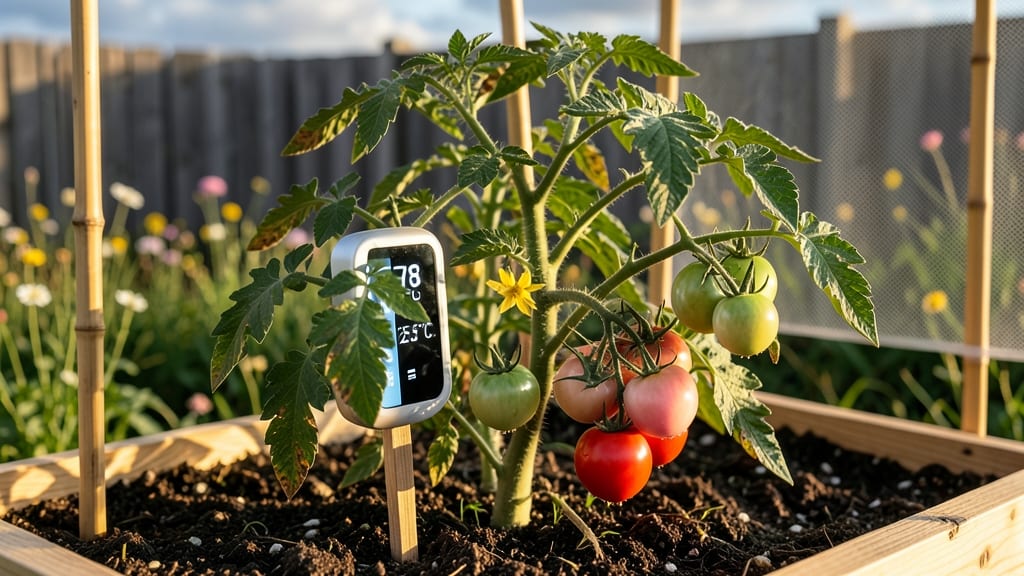
The tomato ripening temperature is the secret to unlocking that deep, perfect red—science says 65°F to 75°F during the day is non-negotiable for the best flavor. 🌞 I learned this the hard way when my greenhouse tomatoes stayed pale and mealy despite plenty of sun.
The magic happens when daytime warmth triggers sugar production, while cooler nights (55°F to 65°F) help the color develop and flavors concentrate.
Heatwaves over 85°F? Your tomatoes will ripen fast but taste bland, and cold snaps below 50°F halt ripening entirely. The key is balance—shade cloth on scorching days and row covers for chilly nights can save your harvest.
Even a single night below 50°F can leave tomatoes green forever, so monitor temps like a hawk, especially in spring or fall.
Here’s the game-changer: tomatoes ripen best on the vine when temps are stable, but if a cold front hits, harvest green and finish indoors near a sunny window or under a grow light.
You’ll still get that rich red color and full flavor—just slower. The trick is patience and knowing when to intervene before the fruit gives up.
Whether you’re battling desert heat or coastal fog, these temperature rules apply everywhere. Next time your tomatoes stay green or taste like cardboard, check the thermometer first—it’s almost always the culprit. The perfect red isn’t luck; it’s science you can control.
📚 In This Guide
- What you need
- Instructions
- Tips and common mistakes
- Wrapping up and next steps
What you need
- ● Tomatoes: Green or firm tomatoes (unripe) – Quantity varies (e.g., 6–12 for a small batch).
- ○ Optional: Vine-ripened or partially ripe tomatoes (for faster results).
- ● Heat Source: Oven or toaster oven (set to 55–65°F (13–18°C) for slow ripening or 80–90°F (27–32°C) for accelerated ripening).
- ● OR A warm, sunny windowsill (south-facing, if possible).
- ● OR A seedling heat mat (60–70°F / 15–21°C range).
- ● Containers: Paper bags (brown or white) – 2–4 bags (perforated for airflow).
- ● OR Plastic produce bags (with small holes punched in).
- ● OR Wooden crates or open baskets (for airflow).
- ● Monitoring Tools: Digital thermometer (0–100°F / -18–38°C range) – 1 unit (for precision).
- ○ Optional: Humidity tray (to maintain 70–80% humidity).
- ● Ethylene-producing fruits (e.g., apples, bananas) – 1–2 per bag (speeds up ripening naturally).
- ● Small fan (low setting) – 1 unit (for airflow in enclosed spaces).
- ● Food-safe spray bottle (with water) – 1 unit (to mist tomatoes for humidity).
- ● Notebook & pen – 1 set (to track temperature and ripening progress!).
Step-by-step guide to optimizing tomato ripening temperature
Here’s how to harness heat science for tomatoes that blush perfectly red—no guesswork, just proven techniques.
☀️ Step 1: Understand the Ideal Temperature Range
Tomatoes ripen best between 65-75°F during the day and 55-65°F at night. Below 55°F, they’ll stall and turn mealy; above 85°F, they’ll develop poor flavor and sunscald. I always monitor my garden’s microclimate—especially in summer—because even a few degrees off can ruin the harvest.
Use a maximum-minimum thermometer (place it near your plants) to track daily swings. If temperatures creep above 80°F, move containers to partial shade or use shade cloth. For greenhouse growers, a simple venting system keeps airflow moving and prevents overheating.
🌱 Step 2: Adjust Heat for Green Tomatoes
If your tomatoes turn green and harden before ripening, they’re not getting enough warmth. Place them in a sunny indoor spot (like a south-facing windowsill) or move them to a warmer part of the garden. I’ve even used a heat mat under containers to boost soil temp by 10°F—this jumpstarts ripening in just 3-5 days.
Never rush ripening with direct heat sources like space heaters. Instead, group containers close together to create a mini greenhouse effect. Watch for slight wilting—this signals the plant is conserving moisture, which is normal under heat stress. Water deeply at the base once a week to avoid stressing the plant further.
💧 Step 3: Balance Water and Heat for Color Development
Overwatering in hot weather dilutes flavor and delays ripening. Water deeply but infrequently—aim for 1-1.5 inches per week, delivered at the soil level. I use drip irrigation to keep leaves dry, which prevents fungal diseases that thrive in heat and humidity.
For containers, check soil moisture by sticking your finger 1 inch deep. If it’s dry, water until it runs out the drainage holes. Mulch with 2-3 inches of straw to retain moisture and keep roots cool. The key is consistency—fluctuating soil temps throw off ripening just as much as extreme air temps.
⏰ Step 4: Harvest and Ripen Indoors for Perfect Red
If frost threatens or temps drop below 50°F, harvest green tomatoes and ripen them indoors. Place them in a paper bag with a banana (the ethylene gas speeds ripening) and store in a warm, dark spot (70-75°F). You’ll see color change in 5-7 days—this works even for heirloom varieties that resist outdoor heat.
Never refrigerate unripe tomatoes—the cold stops the ripening process. Instead, keep them at room temp until fully red. I’ve rescued entire harvests this way, and the flavor is just as vibrant as vine-ripened fruit. Once ripe, store them in the fridge for up to 2 weeks to preserve freshness.
Tips & tricks for perfect tomato ripening
Mastering the heat game transforms your tomatoes from bland to breathtakingly sweet—here's how to nail the science.
Temperature Precision: The 65-75°F daytime range isn't just a suggestion—it's where the magic happens for perfect red color and sweetness. I've seen tomatoes turn mealy when temps dip below 55°F, so always check your microclimate. Place your maximum-minimum thermometer near the plants at eye level for accurate readings. Even a 5°F swing can make the difference between perfect and disappointing fruit.
Heat Stress Rescue: When temps creep above 80°F, don't panic—just move containers to partial shade or use shade cloth. For greenhouse growers, a simple venting system prevents overheating. I've even used a fan to create airflow without direct cooling, which surprisingly helps prevent sunscald while maintaining the ideal ripening temperature.
Indoor Ripening Hack: That banana in the paper bag isn't just a trick—it's science! The ethylene gas from the banana speeds up ripening, and the enclosed space traps heat. Place your tomatoes in a warm, dark spot (70-75°F) and you'll see color change in just 5-7 days. This works especially well for heirloom varieties that resist outdoor heat stress.
Soil Temperature Matters: Boosting soil temp by 10°F with a heat mat jumpstarts ripening in just 3-5 days for green tomatoes. But don't overdo it—consistent moisture is key. Check soil moisture by sticking your finger 1 inch deep before watering. Mulch with 2-3 inches of straw to keep roots cool while retaining moisture, which prevents the temperature fluctuations that throw off ripening.
Pro Tips for Tomato Ripening Temperature
- Mastering the heat game transforms your tomatoes from bland to breathtakingly sweet—here's how to nail the science.
- Temperature Precision: The 65-75°F daytime range isn't just a suggestion—it's where the magic happens for perfect red...
- Heat Stress Rescue: When temps creep above 80°F, don't panic—just move containers to partial shade or use shade cloth...
Frequently asked questions
Got questions about getting the perfect tomato ripening temperature? You’re not alone! Here are some of the most common queries—and the science-backed answers to help you grow juicier, sweeter tomatoes every time.
What’s the ideal temperature range for ripening tomatoes?
Tomatoes ripen best between 65°F and 85°F (18°C–29°C). Below 55°F (13°C), ripening slows or stops, while above 90°F (32°C), they may become mealy or fail to develop full color. Use row covers or shade cloth in extreme heat to keep temps in the sweet spot!
How long does it take for tomatoes to ripen at different temperatures?
At 75°F (24°C), most tomatoes ripen in 2–4 weeks after picking. Cooler temps (60°F/16°C) can stretch this to 6+ weeks, while hotter conditions (85°F+/30°C+) may speed up ripening but risk poor flavor. Pro tip: Harvest slightly green and ripen indoors at room temp for better control!
Can I speed up ripening by using heat sources like lamps or blankets?
Yes! A warmth source (like a heat mat or incandescent bulb) can accelerate ripening, but avoid direct contact—keep it 70–80°F (21–27°C) near the fruit. Ethylene-producing methods (like an apple in a bag) work better for flavor. Warning: Too much heat (above 90°F/32°C) can scorch or over-ripen tomatoes.
What if my tomatoes won’t ripen even in warm weather?
Check for these common issues:
- Cool nights: Tomatoes need daytime warmth (75°F+/24°C) to ripen.
- Lack of sunlight: Aim for 6–8 hours of direct sun daily.
- Overwatering: Too much moisture stresses plants and delays ripening.
- Variety traits: Some heirlooms (like Brandywine) ripen slower than hybrids.
Can I ripen green tomatoes in the fridge or freezer?
No!
Cold temps (<40°F/4°C) turn tomatoes mealy and destroy flavor. Instead, store them at room temperature (60–70°F/16–21°C) in a paper bag with a banana or apple for 1–2 weeks. For long-term storage, freeze whole or slice (thaw before using in cooked dishes).
Wrapping up and next steps
Mastering tomato ripening temperature is your secret weapon for juicy, flavor-packed harvests! Whether you’re tweaking your greenhouse heat or simply storing tomatoes wisely, the right conditions unlock their full potential. Start experimenting with these science-backed tips—your taste buds (and dinner guests) will thank you!
👉 Next step: Track your tomatoes’ progress with a simple temperature journal to refine your approach. Happy growing! 🌱