
Aphids
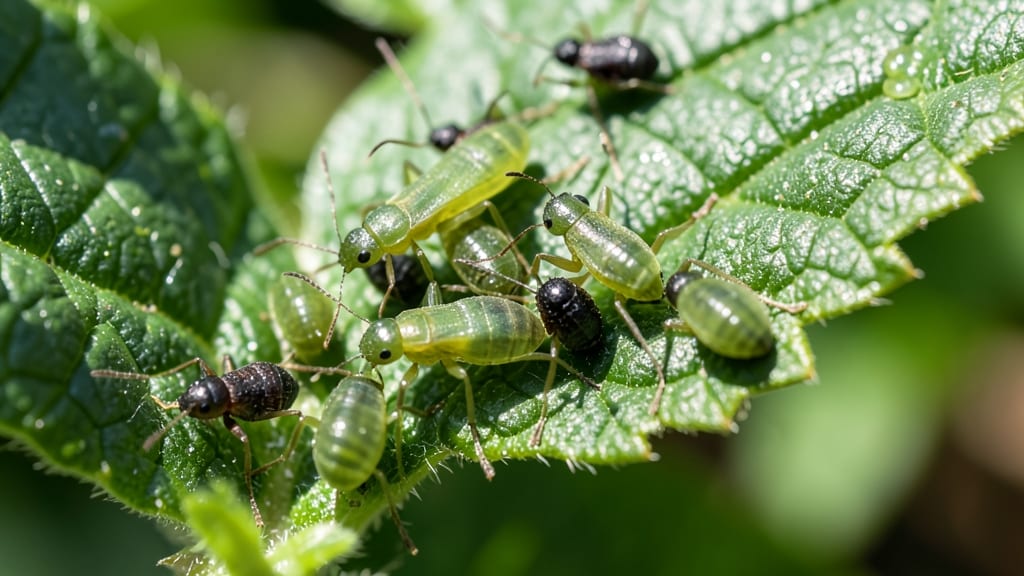
Aphids on tomato leaves can turn your lush plants into sticky, curled messes in days. 🌱 I’ve battled these tiny pests for years, and I’ve found that natural sprays—made from kitchen staples—can stop them in their tracks within hours, not weeks.
The key is acting fast before they spread to every leaf. Most gardeners don’t realize aphids thrive because they’re fed by the sticky honeydew they produce, which attracts sooty mold.
A simple soapy water spray (1 tsp mild soap + 1 quart water) disrupts their feeding immediately, while neem oil (1 tbsp per gallon) starves them over time. Both are safe for your plants and won’t harm bees if applied at dusk.
You’ll see results within 24 hours: leaves unfurling, new growth appearing, and those pesky clusters shrinking. The best part? These solutions work whether you’re dealing with a single plant or a whole garden bed. No more chemical residues or waiting for slow-release granules to kick in.
Prevention is easier than you think—just knock off aphids daily with a strong spray of water, introduce ladybugs (their natural predators), and avoid over-fertilizing with nitrogen. Your tomatoes will stay healthy, productive, and aphid-free all season long.
Root Causes Behind Leaf Invaders
Aphids on tomato plants aren’t just random pests—they’re drawn to specific conditions that make your garden a five-star buffet. Understanding these triggers is the first step to stopping them before they multiply. Below, we break down the why behind their unwelcome visits, so you can address the real issues.
---
Aphids love weak hosts. When tomato plants are overcrowded, they compete for sunlight, water, and nutrients, leaving them stressed and vulnerable. Stress signals—like stunted growth or yellowing leaves—attract aphids because they indicate an easy meal.
Why it happens: - Poor air circulation creates a humid microclimate, which aphids adore (they thrive in damp conditions). - Nutrient deficiency (especially nitrogen) weakens plant defenses, making them more attractive to pests. - Root competition from overplanting forces tomatoes to divert energy away from pest resistance.
Actionable fix: Space plants 18–24 inches apart and prune lower leaves to improve airflow. Use balanced fertilizer (like 10-10-10) to keep plants strong.
---
Aphids excrete honeydew—a sugary waste product that coats leaves. This sticky residue attracts ants, which then protect aphids like livestock in exchange for food. Once ants move in, your aphid problem becomes a full-blown infestation.
Why it happens: - Ants farm aphids by herding them to the most tender plant parts. - Honeydew also promotes sooty mold, a black fungal growth that further stresses the plant. - Weak plants produce more honeydew, creating a feedback loop of attraction.
Actionable fix: - Disrupt ant trails with diatomaceous earth or borax bait stations (safe for pets if used correctly). - Wipe off honeydew with a damp cloth to break the cycle. - Plant ant-repelling herbs (like mint or basil) near tomatoes to deter scouts.
---
Aphids prefer young, tender leaves and shoots because they’re rich in sugars and low in defensive compounds. If your tomato plant is producing lots of new growth (like after pruning or fertilizing), you’ll see aphids swarming within days.
Why it happens: - High nitrogen fertilizer encourages lush, aphid-loved foliage. - Pruning or pinching stimulates regrowth, which aphids detect as a signal to multiply. - Warm spring weather triggers rapid plant growth, coinciding with aphid emergence.
Actionable fix: - Avoid over-fertilizing—stick to slow-release, balanced formulas. - Prune strategically: Remove only damaged or diseased leaves, not healthy new growth. - Encourage natural predators (like ladybugs) by planting dill, fennel, or yarrow nearby.
---
Aphids boom in specific weather conditions: - Warm days (70–80°F) + cool nights = ideal breeding temps. - Dry spells followed by rain washes away natural predators (like lacewings) while leaving aphids thriving. - High humidity slows down beneficial insects but doesn’t bother aphids.
Why it happens: - Lack of rain concentrates plant sap, making leaves sweeter and more appealing. - Sudden temperature shifts weaken plant defenses. - Wind patterns can carry aphids from infested nearby plants.
Actionable fix: - Mulch around plants to regulate soil moisture and temperature. - Water deeply in the morning to deter aphids (they hate dry feet). - Use row covers in early spring to block winged aphids from arriving.
--- Key Takeaway: Aphids don’t attack randomly—they’re responding to weak plants, food signals, and favorable conditions. By fixing these underlying issues, you’ll make your tomatoes less appealing and more resilient. Next up: How to kick them out fast with natural sprays that work in hours! 🚀
Quick Fixes for Tiny Leaf Invaders
Aphids on your tomato plants can feel like a never-ending battle, but don’t worry—there are fast, effective, and natural ways to tackle these pesky pests before they wreak havoc. The key is acting quickly and choosing the right method based on the severity of the infestation.
Below, we’ll break down targeted solutions for common causes, from mild outbreaks to full-blown attacks, plus prevention tips to keep your tomatoes thriving.
---
If you catch aphids early (before they’ve colonized), you can often eliminate them manually with minimal effort.
#### 👨🍳 Step 1: Inspect & Remove Clusters - When to use: Small groups (5–10 aphids per leaf) or isolated spots. - How to do it: - Wear gloves (aphids can irritate skin). - Use a stream of water from a hose or spray bottle to knock them off leaves. - For stubborn clusters, gently rub them off with your fingers or a damp cloth. - Drop them into soapy water (1 tsp dish soap per gallon) to kill them instantly.
#### 💡 Pro Tip: - Timing matters! Do this early in the morning when aphids are sluggish (they’re less likely to fly away). - Check undersides of leaves—aphids love hiding there.
---
When aphids spread but haven’t crippled your plants yet, homemade sprays can work wonders without harsh chemicals.
#### 🌿 Option 1: Soap Spray (Fast & Effective) - Why it works: Breaks down aphid waxy coating, dehydrating them. - Recipe: - Mix 1 tbsp mild liquid soap (like Castile soap) + 1 quart water. - Add 1 tsp vegetable oil (helps it stick to leaves). - How to apply: - Spray directly on aphids and undersides of leaves (they hide there!). - Reapply every 3–5 days until gone. - Best time: Early morning or late evening (avoids harming bees).
#### 🌡️ Option 2: Neem Oil Spray (Prevents Reinfestation) - Why it works: Disrupts aphid life cycle and deters future attacks. - Recipe: - Mix 1 tbsp neem oil + 1 tsp mild soap + 1 quart water. - Add 1 tsp cayenne pepper (optional, adds a natural repellent kick). - How to apply: - Spray thoroughly, covering all leaf surfaces. - Reapply weekly for prevention.
#### ✨ Option 3: Garlic & Chili Pepper Spray (Aphids Hate It!) - Why it works: Strong scents confuse and repel aphids. - Recipe: - Blend 3 garlic cloves + 1 tbsp hot pepper flakes + 1 quart water. - Let sit 24 hours, then strain and add 1 tsp soap. - How to apply: - Spray every 5–7 days (aphids can’t stand the smell!).
--- If your tomatoes are covered in aphids, you’ll need a combination approach to regain control.
#### 🐞 Step 1: Introduce Beneficial Insects (Nature’s Pest Control) - Best allies: - Ladybugs (eat 5,000+ aphids in their lifetime!). - Lacewings (larvae devour aphids like snacks). - Parasitic wasps (lay eggs inside aphids—gross but effective!). - Where to get them: - Buy from garden centers or online (look for "aphid predator packs"). - Release them at dusk when they’re most active.
#### 🌱 Step 2: Prune & Destroy Heavily Infested Leaves - Why? Aphids cluster on damaged or overcrowded leaves. - How to do it: - Use clean pruners to snip off severely infested leaves. - Do NOT compost them—bag and throw them away to prevent spreading. - Thin out foliage to improve airflow (aphids love humidity).
#### 🚫 Step 3: Use Horticultural Oil (For Stubborn Cases) - Why it works: Smothers aphids and their eggs. - How to apply: - Mix 1 tbsp horticultural oil + 1 quart water + 1 tsp soap. - Spray evenly, including stems and leaf undersides. - Reapply every 5–7 days until aphids disappear.
--- Once you’ve won the battle, prevent future attacks with these long-term strategies:
| Tip | How to Do It | Why It Works | |---------|------------------|------------------| | 🌱 Plant Companion Flowers | Grow marigolds, nasturtiums, or basil near tomatoes. | Aphids avoid strong scents; beneficial insects are attracted. | | 💧 Water at the Base | Water tomato stems (not leaves) to avoid damp foliage. | Aphids thrive in moist, sticky leaves. | | 🍃 Keep Plants Healthy | Fertilize with balanced organic fertilizer (too much nitrogen = soft, aphid-loving leaves). | Strong plants resist pests better. | | 🕷️ Encourage Predators Year-Round | Leave some weeds or wildflowers in your garden. | Provides habitat for ladybugs, lacewings, and birds. | | 🧼 Clean Garden Tools | Wipe pruners with rubbing alcohol between uses. | Prevents spreading aphids to new plants. |
--- If aphids keep coming back despite your efforts, consider: - Commercial insecticidal soap (like Safer® Brand) for a stronger kick. - Systemic granules (like imidacloprid) only as a last resort—use sparingly and follow label instructions.
--- Final Thought: Aphids may be tiny, but they’re no match for a well-prepared gardener. With quick action, natural remedies, and smart prevention, your tomato plants will stay aphid-free and flourishing—ready for a bountiful harvest! 🍅✨
Frequently asked questions
Why do aphids appear suddenly on my tomato plants?
Aphids multiply rapidly in ideal conditions: warm days (70–80°F) with cool nights, high humidity, and tender new growth. They often arrive via wind or ants "farming" them for honeydew. Check for yellowing leaves or curled foliage—these are early signs of stress that attracts them.
Will aphids kill my tomato plant?
Not directly, but they weaken plants by sucking sap, spreading viruses, and creating honeydew that attracts sooty mold. Severe infestations can stunt growth or reduce fruit yield. Act fast—remove clusters manually or spray with soapy water to prevent long-term damage.
How do I know if my aphids are gone for good?
Inspect plants for 3 weeks after treatment—check leaf undersides and stems where aphids hide. Look for new growth without clusters and no sticky residue (honeydew). If you spot even one, reapply your chosen spray.
Can I use store-bought insecticides on tomato plants?
Use organic insecticidal soap or neem oil first—they're safe for edible plants. Avoid chemical sprays 2–3 weeks before harvest to prevent residue. For stubborn cases, try horticultural oil (apply at dusk to avoid harming bees). Always follow label instructions.
Why do aphids keep coming back after I treat them?
New aphids likely arrived from nearby plants or eggs survived treatment. Improve airflow by pruning crowded foliage, introduce ladybugs or lacewings, and reapply sprays every 5–7 days. Also check for ant trails—they protect aphids like livestock.