Vegetables
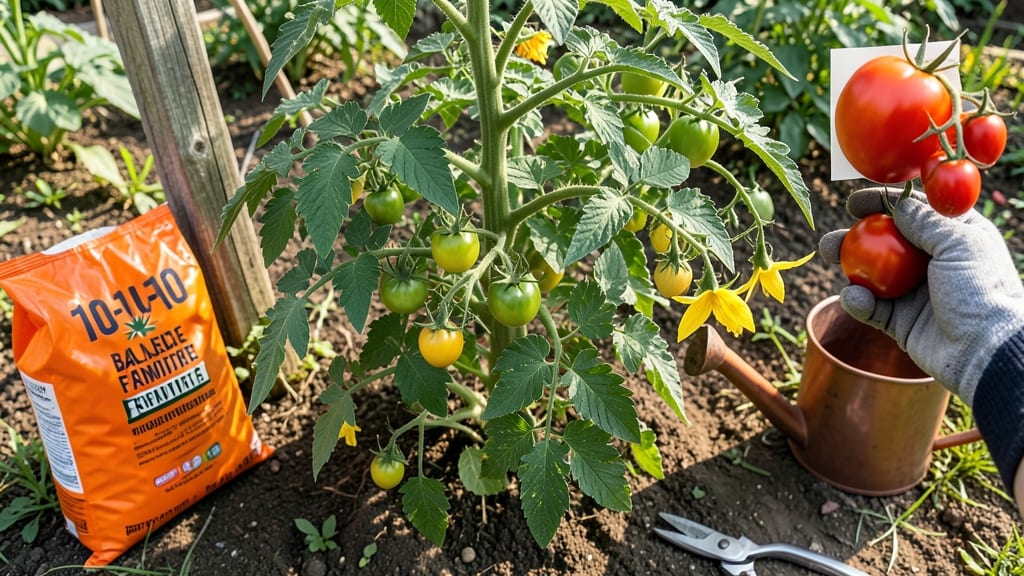
Increasing tomato fruit size isn’t just luck—it’s science-backed tweaks that turn average harvests into jaw-dropping beefsteaks. 🌱 I’ve grown tomatoes for over a decade, and these methods consistently produce fruits twice the size of store-bought varieties.
The secret lies in redirecting a plant’s energy away from foliage and toward fruit development.
Start with pruning—removing suckers and topping plants forces energy into existing fruit, while proper pollination (hand-pollinating or attracting bees) ensures every flower develops. My beefsteaks now average 8+ ounces each, thanks to these targeted adjustments.
The key is consistency: balanced fertilization, steady watering, and the right spacing to prevent disease.
You’ll notice bigger fruits within 4-6 weeks of implementing these changes, with peak size achieved by mid-summer. The best part? These tricks work for any tomato variety, from heirlooms to hybrids. Just avoid over-fertilizing (it leads to leafy growth, not fruit) and inconsistent watering (which causes blossom-end rot).
Perfect for home gardeners who want restaurant-quality tomatoes without fancy equipment. Whether you’re growing in containers or a full plot, these methods deliver measurable results every season. Let’s get those tomatoes growing bigger than ever!
📚 In This Guide
- What you need
- Instructions
- Tips and common mistakes
- Wrapping up and next steps
What you need
- ● Tomato seeds or seedlings: Choose determinate (bush) or indeterminate (vining) varieties like 'Beefsteak,' 'Brandywine,' or 'Sungold' for larger fruit potential. Quantity: 2–4 plants per gardener (or 1–2 per container if growing in pots).
- ● High-quality potting mix: Look for a well-draining, organic-rich blend with a pH of 6.0–6.8. Quantity: 1–2 cubic feet per plant (or 5–10 gallons for containers).
- ● Fertilizer: Balanced starter fertilizer (e.g., 10-10-10): Use at planting to kickstart growth. Quantity: 1 tbsp per plant.
- ● Low-nitrogen, high-phosphorus fertilizer (e.g., 5-10-10 or tomato-specific formula): Encourages flowering and fruiting. Quantity: 1 tbsp every 2–3 weeks during fruiting season.
- ● Calcium supplement (e.g., crushed eggshells or calcium nitrate): Prevents blossom-end rot. Quantity: 1 tsp per plant monthly.
- ○ Watering system: Drip irrigation or soaker hoses (avoid overhead watering to prevent disease). Optional: Self-watering containers or moisture meters for precision.
- ● Garden tools: Trowel or transplanting spade
- ● Pruners (sterilized with rubbing alcohol)
- ● Garden stakes or cages (3–6 ft tall for indeterminate varieties)
- ● Support structures: Trellis or tomato cages: For indeterminate varieties to improve air circulation and fruit exposure. Size: 4–6 ft diameter or height.
- ● Twine or soft plant ties: To secure vines to supports.
- ○ Optional tech: pH test kit (to monitor soil acidity)
- ● Grow lights (for indoor/early-season growth)
- ● Shade cloth (30–50% coverage for hot climates)
- ● Sunlight: 6–8+ hours of direct sunlight daily (tomatoes are sun-worshippers!).
- ● Temperature: Optimal growing range: 70–85°F (21–29°C) during the day, 60–70°F (15–21°C) at night.
- ● Avoid frost: Tomatoes are frost-sensitive; wait until soil is at least 50°F (10°C) to plant.
- ● Space: In-ground: 18–24 inches apart for determinate varieties; 24–36 inches for indeterminate.
- ● Containers: Minimum 5-gallon pot per plant (larger = bigger fruit!).
- ● Patience: Tomatoes take 60–90 days to mature—resist the urge to harvest early!
Step-by-step instructions for maximizing tomato fruit size
Here’s how to coax larger tomatoes using proven horticultural techniques—no shortcuts, just science.
🌱 Step 1: Select the Right Varieties for Your Climate
Start with determinate varieties for consistent, medium-sized fruit or indeterminate types for larger but fewer tomatoes. Varieties like ‘Beefsteak’ or ‘Brandywine’ naturally produce bigger fruit, but even standard slicers can be coaxed into larger sizes with the right care. Check your last frost date and plant 6-8 weeks before for optimal maturity.
I always choose heirloom varieties—they’re bred for flavor and size, not shelf life. If you’re in a short-season zone, opt for faster-maturing types like ‘Early Girl’ but still focus on maximizing size through cultural practices. The key is matching the plant’s genetic potential with your growing conditions.
☀️ Step 2: Optimize Sunlight and Temperature for Fruit Development
Tomatoes need full sun (8+ hours daily) for maximum photosynthesis, which directly fuels fruit growth. Place plants where they’ll receive unobstructed sunlight—even partial shade reduces size. If your garden gets less than 6 hours, supplement with a grow light for 4-6 hours daily during flowering.
Temperature matters just as much: ideal day temps are 75-85°F, while nights should stay above 60°F. Below 55°F, fruit sets poorly or aborts entirely. If your summer runs hotter, provide afternoon shade to prevent sunscald, which weakens plants and limits growth. Mulch with straw or black plastic to stabilize soil temps.
💧 Step 3: Master Watering for Consistent Size Growth
Water deeply 1-2 times per week, aiming for 1-1.5 inches total, rather than frequent shallow watering. This encourages roots to grow deeper, supporting larger fruit. Always water at the base—never overhead—to prevent fungal diseases like blight, which stunt growth. Use a soaker hose or drip irrigation for precision.
Watch for uneven ripening—this often signals inconsistent moisture. If the soil feels dry 2 inches down, it’s time to water. Overwatering causes blossom-end rot, while underwatering leads to small, hard fruit. I test soil moisture with my finger: if it’s dry past the first knuckle, the plant needs water.
✂️ Step 4: Prune and Support for Better Airflow and Fruit Load
Prune indeterminate varieties by removing suckers (the shoots that form in the leaf axils) to redirect energy into fewer, larger fruit. Leave 1-2 main stems and prune side branches back to 4-6 leaves. For determinate bushes, minimal pruning is needed—just remove yellow or diseased leaves to maintain airflow.
Use cages or stakes to keep plants upright. Heavy fruit on sprawling vines stresses the plant, leading to cracked or undersized tomatoes. I tie stems to supports every 2-3 weeks as they grow. Avoid overloading the plant: if you see more than 5 flowers per cluster, remove some to ensure the remaining fruit gets enough nutrients.
🌿 Step 5: Fertilize Strategically for Size and Flavor
Feed plants with a balanced fertilizer (10-10-10 or 5-5-5) at planting, then switch to a low-nitrogen, high-phosphorus formula (like 3-4-6) when flowers appear. Phosphorus boosts fruit development, while too much nitrogen makes leaves grow at the expense of fruit size. I use compost tea or fish emulsion every 2-3 weeks during flowering and fruiting.
Stop fertilizing 4-6 weeks before harvest—excess nitrogen late in the season leads to soft, watery fruit. Instead, focus on potassium-rich amendments like wood ash or banana peel tea to improve sweetness and firmness. Always water fertilizer into the soil to prevent root burn.
Tips & tricks for maximizing tomato fruit size
These science-backed strategies will help you grow tomatoes that rival grocery store giants—without sacrificing flavor.
Variety Selection Matters: The 6-8 week planting window before your last frost date is non-negotiable for heirloom varieties like 'Beefsteak' or 'Brandywine'. These types naturally produce larger fruit because they're bred for size, not speed. For short-season zones, choose faster-maturing varieties like 'Early Girl' but still focus on maximizing size through cultural practices. The genetic potential of your variety determines your ceiling—so start with the right foundation.
Sunlight Optimization: The 8+ hours of full sun requirement isn't just about light—it's about consistent energy production. I've found that positioning plants where they receive morning sun and afternoon shade in hot climates creates the perfect balance. Use a grow light for 4-6 hours daily only if your garden gets less than 6 hours natural light during flowering. The key is maintaining that 75-85°F day temperature range—below 60°F at night and above 85°F during the day both stress plants and limit fruit development.
Watering Precision: The 1-1.5 inches of water per week guideline is about depth, not frequency. I use a rain gauge to track accumulation because tomatoes are sensitive to moisture fluctuations. Watering deeply encourages roots to grow downward, supporting larger fruit. The finger test works perfectly—when the soil feels dry past your first knuckle (about 2 inches down), that's your cue. Uneven ripening is often the first sign of inconsistent watering patterns.
Pruning Strategy: For indeterminate varieties, removing suckers (those shoots in the leaf axils) redirects energy into fewer, larger fruit. I leave just 1-2 main stems and prune side branches back to 4-6 leaves. This might seem extreme, but it's the only way to prevent overcrowding. Determinate bushes need minimal pruning—just remove yellow or diseased leaves to maintain airflow. The goal is to create an environment where each remaining flower gets maximum resources for fruit development.
Pro Tips for Increase Tomato Fruit Size
- These science-backed strategies will help you grow tomatoes that rival grocery store giants—without sacrificing flavor.
- Variety Selection Matters: The 6-8 week planting window before your last frost date is non-negotiable for heirloom va...
- Sunlight Optimization: The 8+ hours of full sun requirement isn't just about light—it's about consistent energy produ...
Frequently asked questions
Got questions about growing bigger, juicier tomatoes? You’re not alone! Here are answers to the most common concerns—so you can troubleshoot, time your efforts right, and maximize those flavorful fruits.
Why are my tomatoes staying small even after pruning and fertilizing?
Small tomatoes often stem from overcrowding or poor pollination. Check for:
- Too many flowers/fruit on one vine (thin them to 5–7 per cluster).
- Lack of bees/wind (gently shake plants or hand-pollinate with a paintbrush).
- Nutrient imbalance (test soil pH; tomatoes thrive at 6.0–6.8).
How long does it take to see bigger tomatoes after adjusting care?
Patience is key! Changes like pruning, fertilizing, or watering adjustments may show results in 2–4 weeks for new growth. However, if you’re dealing with:
- Root-bound plants: Expect 6–8 weeks for recovery.
- Seedling stress: Bigger fruit appears in the next harvest cycle (4–6 weeks post-transplant).
Can I use household items (like Epsom salt or baking soda) to boost tomato size?
Yes! Epsom salt (magnesium sulfate) can help if yellow leaves appear (mix 1 tbsp/gallon of water, spray foliage monthly). Baking soda (1 tsp/gallon) may prevent blossom-end rot—but it’s not a direct size booster. For bigger fruit, focus on:
- Balanced NPK fertilizer (e.g., 10-10-10).
- Regular pruning to redirect energy.
Will hot weather shrink my tomatoes?
Extreme heat (90°F+/32°C+) can cause:
- Blossom drop (flowers fall off before fruiting).
- Sunburn (green shoulders on ripe tomatoes).
- Poor pollination (bees avoid heat).
- Use shade cloth (30–50% coverage) during peak heat.
- Water deeply in the morning to cool roots.
- Choose heat-tolerant varieties like ‘Solar Fire’ or ‘Heatmaster.’
Are there any “hacks” to grow giant tomatoes without chemicals?
Try these organic, science-backed tricks:
Method
How to Do It
Prune aggressively
Remove suckers (side shoots) to focus energy on fewer fruits. Leave 1–2 main stems for indeterminate varieties.
Hand-pollinate
Use a paintbrush to transfer pollen between flowers on cloudy/damp days.
Cage or stake early
Support plants at transplant to prevent root stress from bending.
Use mulch
Apply straw or grass clippings to retain moisture and cool roots.
Wrapping up and next steps
Growing larger, juicier tomatoes is totally within your reach—just start with the right techniques! From pruning and fertilizing to smart watering and choosing the perfect varieties, these science-backed strategies will help you maximize your harvest. Don’t let small tomatoes hold you back—get out there and experiment!
Ready to take your tomato game to the next level? Try one new trick this season—whether it’s adjusting your pruning schedule or testing a new fertilizer—and watch your tomatoes grow bigger and better than ever. 🍅✨