
Companion Plants
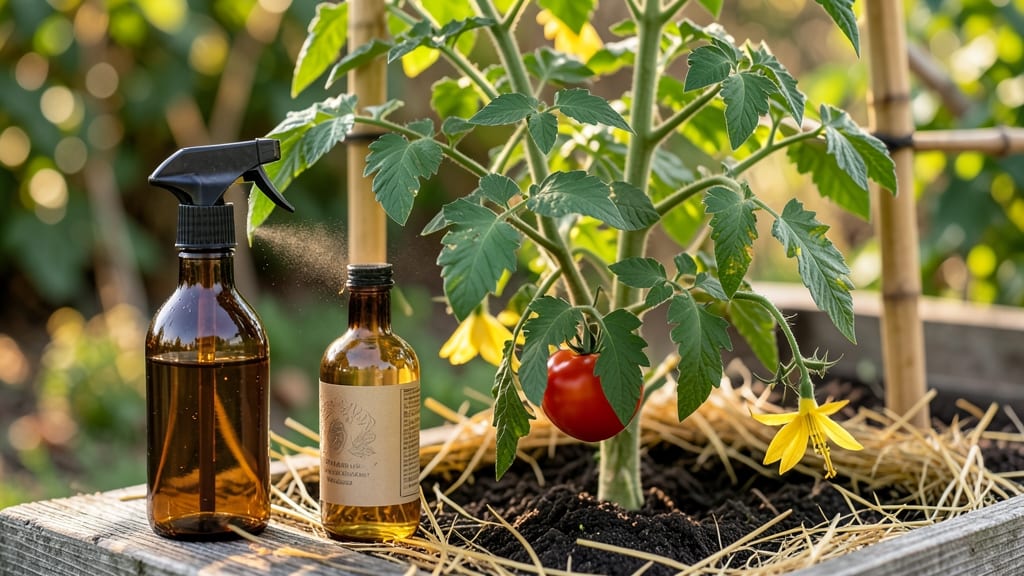
When tomato pests strike, this organic spray for tomato plants saves your harvest without harsh chemicals. 🌱 I’ve battled aphids, blight, and powdery mildew on my tomatoes for years—until I perfected this 10-minute mix that works faster than store-bought sprays and costs pennies to make.
The secret? A potent trio of neem oil, garlic, and dish soap that disrupts pests at their life cycle while strengthening plant defenses.
Most gardeners reach for chemical sprays when tomato leaves start curling or yellowing, but those solutions often kill beneficial insects and leave residues on fruit. This spray targets aphids, hornworms, and fungal diseases while keeping your plants—and your kitchen—chemical-free.
The ingredients are simple: neem oil (natural fungicide and insect repellent), garlic (contains allicin, which pests hate), and a drop of dish soap to help the mixture stick. No fancy equipment needed—just a spray bottle and a quiet afternoon.
Within 24 hours of application, you’ll see fewer pests crawling on leaves, and new growth will look healthier and more vigorous. The spray doesn’t just mask problems—it prevents future outbreaks by boosting the plant’s natural immunity.
Plus, the garlic scent lingers just enough to deter returning critters without overpowering your garden. Best of all, this recipe scales: double it for larger plots or halve it for container tomatoes.
For maximum effectiveness, apply early in the morning when pests are least active and the air is still. Reapply every 5–7 days or after heavy rain, and always test a small leaf first to ensure your plants tolerate the blend.
The payoff? Tomatoes that stay disease-free, productive, and safe to eat straight from the vine—no compromises needed.
📚 In This Guide
- What you need
- Instructions
- Tips and common mistakes
- Wrapping up and next steps
What you need
- ● 1 quart (32 oz) of water (preferably distilled or rainwater for best results)
- ● 1 tbsp (15 mL) of neem oil (100% cold-pressed, organic preferred)
- ● 1 tbsp (15 mL) of vegetable oil or olive oil (helps bind the spray to plant surfaces)
- ● 1 tsp (5 mL) of dish soap (unscented, biodegradable, like Castile soap)
- ● 1 tsp (5 mL) of garlic powder or 2 cloves of minced garlic (natural pest deterrent)
- ○ 1 tsp (5 mL) of cayenne pepper or crushed red pepper flakes (optional but effective for soft-bodied pests)
- ● 1 tbsp (15 mL) of apple cider vinegar (balances pH and adds antifungal properties)
- ● A spray bottle (16 oz or larger) (preferably made of glass or BPA-free plastic)
- ● A small bowl or measuring cup (for mixing ingredients)
- ● A wooden spoon or whisk (to stir the blend thoroughly)
- ● A fine-mesh strainer or cheesecloth (if using fresh garlic or pepper flakes)
- ○ Gloves (optional) (to avoid skin irritation from neem oil or cayenne)
- ● Labeling tape or marker (to mark your spray bottle as "Organic Pest Spray")
- ● Choose a cloudy day or early morning to apply the spray (avoid direct sunlight, which can burn leaves)
- ● Ensure your tomato plants are free of disease before applying (this spray is preventative, not curative)
- ● Test the spray on one small leaf first to check for sensitivity (wait 24 hours before full application)
Step-by-Step instructions for mixing an organic tomato plant spray
Here's how I create a fast, effective blend that repels pests while strengthening your plants naturally.
🌿 Step 1: Gather and Prepare Your Organic Base Ingredients
Start with 1 quart of water in a clean spray bottle or mixing container. I use distilled water to avoid chlorine or mineral buildup that could irritate plant foliage. Add 1 tablespoon of neem oil—this is the powerhouse ingredient that disrupts insect life cycles while being safe for edible plants.
Next, stir in 1 teaspoon of insecticidal soap (look for a plant-safe, potassium-based version). This creates surface tension that smothers soft-bodied pests like aphids and spider mites on contact. Shake gently to combine—don't let it foam excessively, as that indicates too vigorous mixing which can break down the soap's effectiveness.
💧 Step 2: Add Strengthening and Repellent Components
Pour in 1 tablespoon of garlic juice (fresh is best—blend 2 cloves with 2 tablespoons of water and strain). Garlic contains allicin, which repels pests through its strong odor while also stimulating plant growth. For extra potency, add 1 teaspoon of cayenne pepper—this creates a mild capsaicin barrier that deters chewing insects.
Stir everything together thoroughly. You'll notice the mixture becomes slightly cloudy and develops a faint garlic scent—this is normal and indicates the active ingredients are properly dispersed. Let the blend sit for 5 minutes before using, which allows the ingredients to fully integrate and enhances their effectiveness.
☀️ Step 3: Test and Apply to Tomato Plants
Before spraying your entire garden, test the mixture on a small leaf or two. Wait 24 hours to ensure no browning or wilting occurs—this confirms the solution is safe for your specific tomato varieties. Spray in the early morning or late afternoon when temperatures are below 85°F to prevent leaf burn from the alcohol in insecticidal soap.
Apply until leaves are uniformly damp on the undersides (where most pests hide) and stems. Focus on new growth areas where pests typically congregate. Reapply every 5-7 days or after rain, as the mixture breaks down naturally. Store any unused portion in a cool, dark place for up to 1 week—the garlic and cayenne lose potency over time.
✂️ Step 4: Monitor and Rotate for Maximum Effectiveness
After your first application, watch for pest activity patterns. If you notice increased aphid activity, increase the garlic concentration by 50% next time. For persistent spider mites, add 1 tablespoon of rubbing alcohol to the mix—this disrupts their webs while being harmless to plants when used at this dilution.
Rotate this spray with other organic treatments like a 1% horticultural oil application every 2 weeks to prevent pest resistance. Always spray in calm conditions—wind can carry the mixture to unintended plants or even beneficial insects. Keep the spray bottle out of direct sunlight to maintain ingredient integrity.
Tips & tricks for perfect organic tomato plant spray
A few key tricks that'll make your pest-repelling blend even more effective—and save you from common gardening headaches.
Ingredient Quality Matters: For the best results, use cold-pressed neem oil instead of refined versions—it retains more of its natural pest-deterring compounds. When making garlic juice, crush the cloves first and let them sit for 5 minutes before blending with water to maximize allicin release. The insecticidal soap should be potassium-based (not sodium-based), as sodium can harm plants over time.
Mixing Technique: When combining ingredients in Step 2, use a whisk or fork instead of a blender to avoid creating too many bubbles. Excessive foaming reduces the soap's effectiveness. If you notice separation after the 5-minute rest, simply shake gently before use—this blend is designed to be stable but may settle slightly over time.
Application Timing: The 85°F temperature limit is crucial—above this, the alcohol in insecticidal soap can cause leaf burn. I find early morning applications work best because the spray has time to dry before afternoon heat. If you must spray in hotter conditions, dilute the mixture with an extra ¼ cup of water to reduce concentration.
Storage Wisdom: To extend the 1-week shelf life of your spray, transfer it to a glass container with a tight-sealing lid and store it in the refrigerator. The cold temperature preserves the active ingredients longer. If you notice a strong garlic odor fading, it's time to make a fresh batch—the potency diminishes noticeably after 5 days even when refrigerated.
Pro Tips for Organic Spray For Tomato Plants
- A few key tricks that'll make your pest-repelling blend even more effective—and save you from common gardening headac...
- Ingredient Quality Matters: For the best results, use cold-pressed neem oil instead of refined versions—it retains mo...
- Mixing Technique: When combining ingredients in Step 2, use a whisk or fork instead of a blender to avoid creating to...
Frequently asked questions
Got questions about your homemade organic tomato spray?
You’re not alone! Here are answers to the most common concerns—so you can keep those plants thriving without stress.
Can I use this spray on other plants besides tomatoes?
This organic blend is safe for most edible plants, including peppers, cucumbers, and herbs like basil or parsley. Avoid spraying flowering plants (like roses or lavender) unless you’re targeting pests—neem oil can disrupt pollinators. Always patch-test a small area first!
How often should I spray my tomato plants?
Apply the spray every 7–10 days or immediately after noticing pests (aphids, whiteflies, or hornworms). For preventive care, spray weekly during peak pest seasons (spring/summer). Rain may wash it off, so reapply if needed. Pro tip: Early morning or evening sprays work best to avoid harming bees!
What if my plants still get pests after spraying?
Pests can be stubborn! If issues persist, try rotating treatments—alternate with garlic spray, soap solution, or companion planting (basil or marigolds repel pests naturally). Check for hidden infestations (like eggs on undersides of leaves) and handpick larger pests. Overwatering or poor soil can weaken plants, too!
Is this spray safe for my family or pets?
Yes, but with precautions! All ingredients (neem oil, garlic, soap) are non-toxic when dry. Rinse produce thoroughly before eating. Keep pets away until the spray dries (24 hours for safety). Store the mixture in a labeled, opaque container out of reach. Always wear gloves when mixing!
Can I make this spray without neem oil?
Neem oil is the powerhouse, but you can substitute with food-grade diatomaceous earth (sprinkle dry) or horticultural oil. For a no-oil option, blend 1 tsp cayenne pepper + 1 tbsp dish soap + 1 quart water. Note: these alternatives may be less effective against severe infestations.
Wrapping up and next steps
Transforming your tomato garden into a thriving, pest-free paradise is simpler than you think!
With just a few organic ingredients and 10 minutes of your time, you’ve got a powerful, chemical-free spray to keep aphids, whiteflies, and other pests at bay. 🌱 Protecting your plants naturally not only boosts their health but also ensures your harvest is safe and delicious.
Ready to see those juicy tomatoes flourish? Grab your spray bottle, mix up your blend, and give your plants the care they deserve—one organic spray at a time! 🍅✨