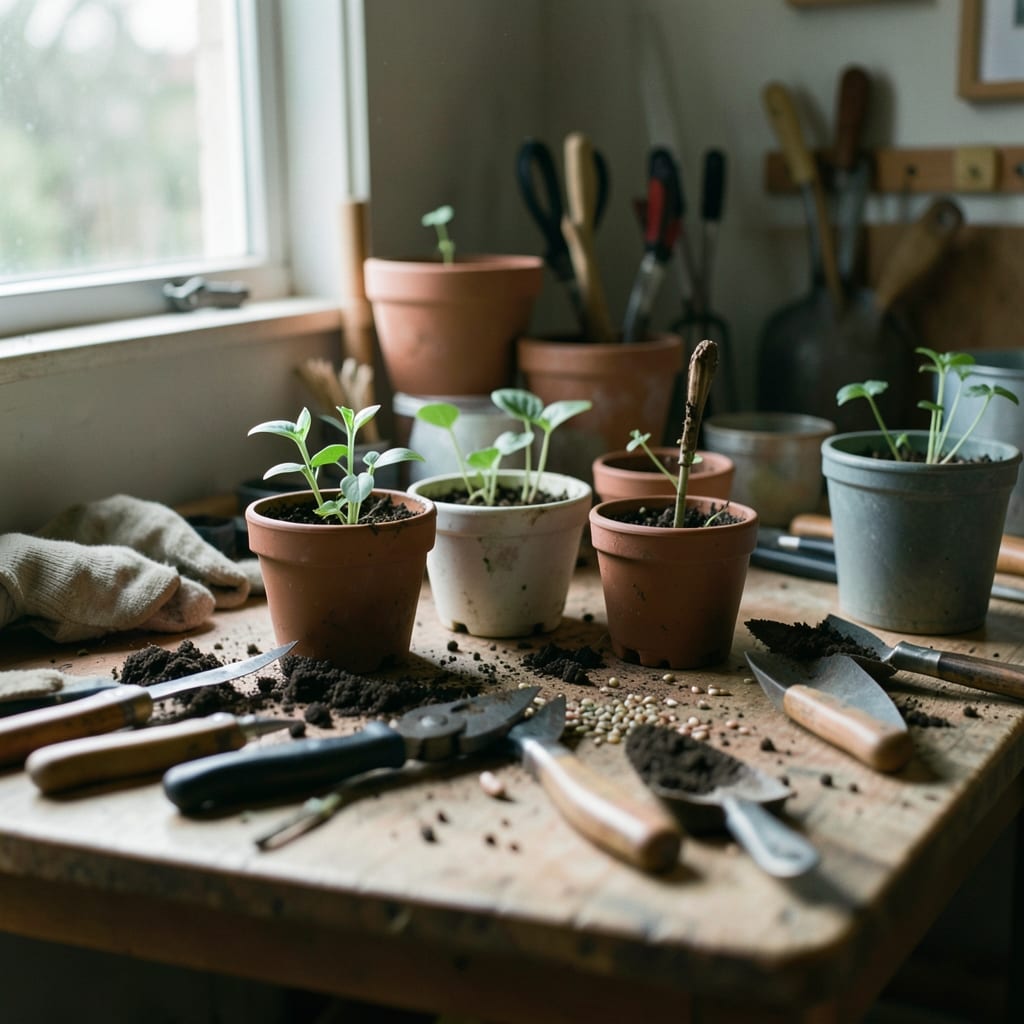
Why I started Tomato Harvest
I was twenty-four, kneeling in the cracked clay of my first rented garden plot in New Orleans, when the cucumber vines I’d planted with such hope turned to powdery mildew in three weeks.
The soil was too rich, the shade too deep, and the extension agent’s advice—‘just add more compost’—had made it worse. I came home with blistered hands and a notebook full of questions no one seemed to answer plainly.
That’s when I realized most gardening advice assumes you already know what you’re doing. It’s all about ‘ideal conditions’ and ‘full sun,’ but what if your soil is heavy clay? What if your backyard is a concrete slab with a single sad maple tree?
Tomato Harvest started as a way to fill that gap—no jargon, just the kind of no-nonsense tips that actually work for people who aren’t already growing prize-winning tomatoes.
Meet the founder
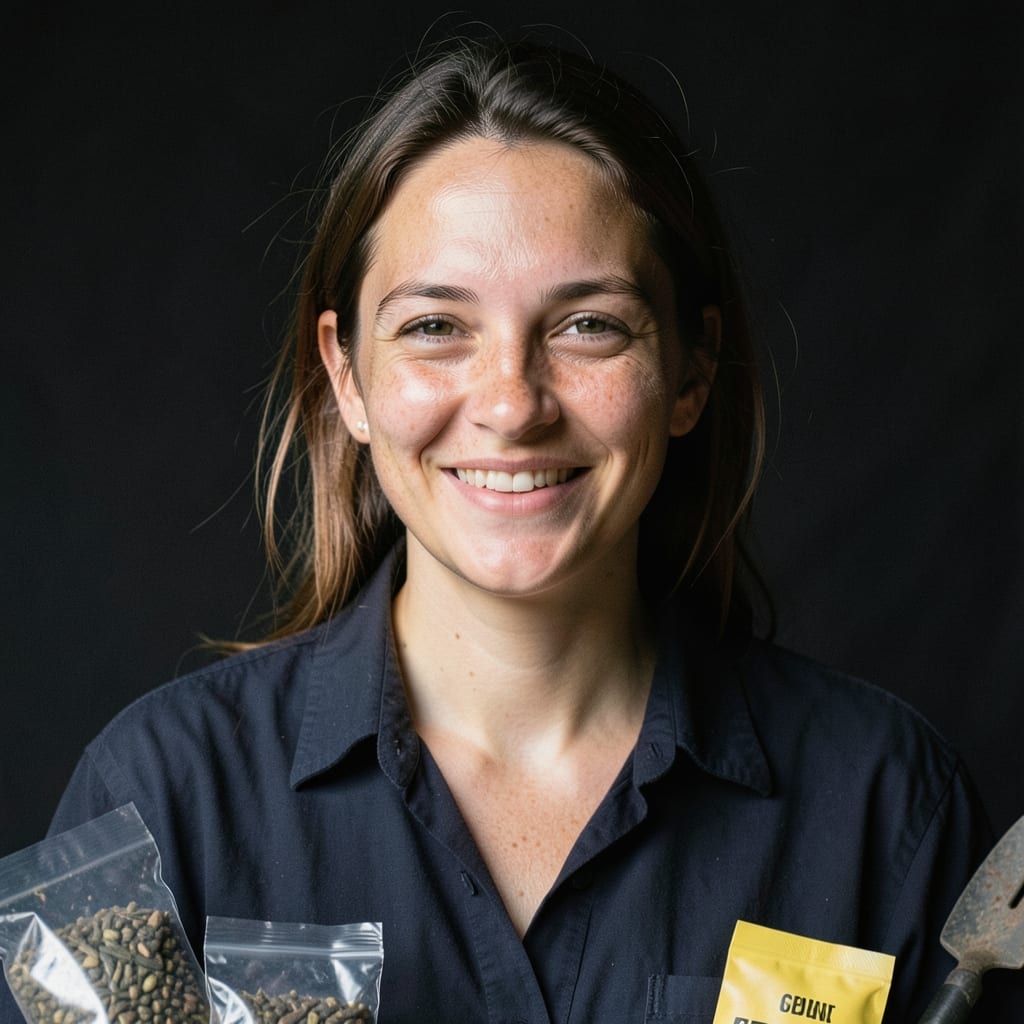
My grandfather’s garden in Mississippi was my first classroom. He’d hand me a trowel and say, ‘Dig where the soil’s darkest,’ and I’d spend hours turning over clumps of dirt, convinced I was uncovering treasure. What I learned wasn’t just how to plant—it was how to *watch*.
The way a tomato vine wilts not from thirst, but from too much water. How a row of beans could look perfect until the first frost turned them to mush overnight.
The old wooden trellis he built for me is still in my backyard, though one of the crossbeams split after a summer storm. I kept it anyway—nailed it back together with scrap metal and wire—because it’s the one thing from his garden that survived me.
Now it holds up my basil, even if the split is still visible if you look close enough.
The failure that changed everything was the year I tried growing peppers from seed indoors. I followed the instructions to the letter: warm soil, bright light, patience. Three weeks in, the seedlings were still leggy and pale, stretching toward the window like they were starving.
That’s when I realized most advice ignores the *light* in your house. Mine was north-facing, weak as dishwater. I swapped in grow lights and replanted—this time, the peppers actually grew.
I still tap every seed packet three times before planting, just like my grandfather did. He said it ‘wakes up the soil.’ I know it’s superstition, but the rhythm of it feels like a promise: *this time, something will grow*.
Meet the mascot
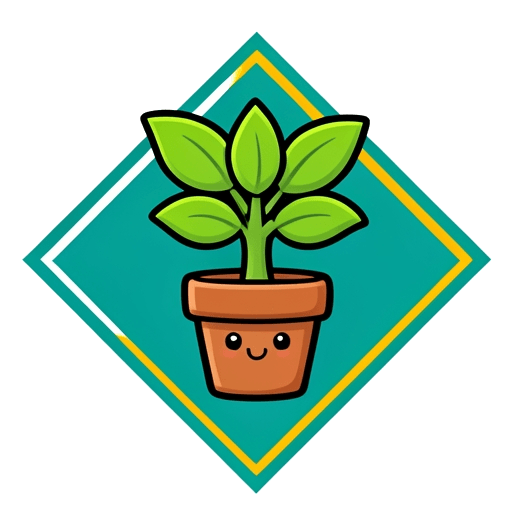
The first scribble was on a napkin at a roadside diner in Louisiana, after I’d spent two hours arguing with a stubborn tomato plant that refused to climb its cage.
I drew a lopsided tomato vine with a face—just a dot for the fruit and two lines for a stem—because I wanted something that looked like it had been pulled from the garden, not a studio.
The proper drawn version was on yellow legal paper, where I finally gave the vine arms (holding a trowel) and a mouth wide enough to grin.
The original napkin sketch had made the leaves too bushy; this time, I simplified them into three jagged points, like they’d been chewed by bugs. The face got bigger, too, because I wanted it to look stubborn—not defeated.
To make it work as a tiny browser tab icon, I had to lose the arms entirely and turn the trowel into a single line across the vine’s shoulder. The grin became a squint, like it was squinting at the sun.
I named it *Dirt*—because it’s always got soil under its nails.
What I promise you
This site is for gardeners who’ve dug a hole, planted something, and wondered why it’s not growing. You’ll find no ‘perfect’ conditions here—just what works when the soil is heavy, the sun is weak, or the deer keep eating your lettuce.
What you can hold me to
- Every tip includes a ‘what went wrong’ section—because gardens don’t follow rules.
- Seasonal notes are based on real zones, not just ‘spring’ or ‘summer.’
- Tools and supplies are listed with budget-friendly alternatives.
- If a plant fails, I’ll tell you why—and how to fix it next time.
How I create a guide
A guide starts with a question someone asked me—usually in an email or a comment—and a notebook full of half-baked ideas. I’ll dig through my garden (literally), check my records, and then try the solution myself.
If it works once, I’ll test it again under different conditions: shade, drought, poor soil. Only then does it become a guide.
The first test: watching the soil
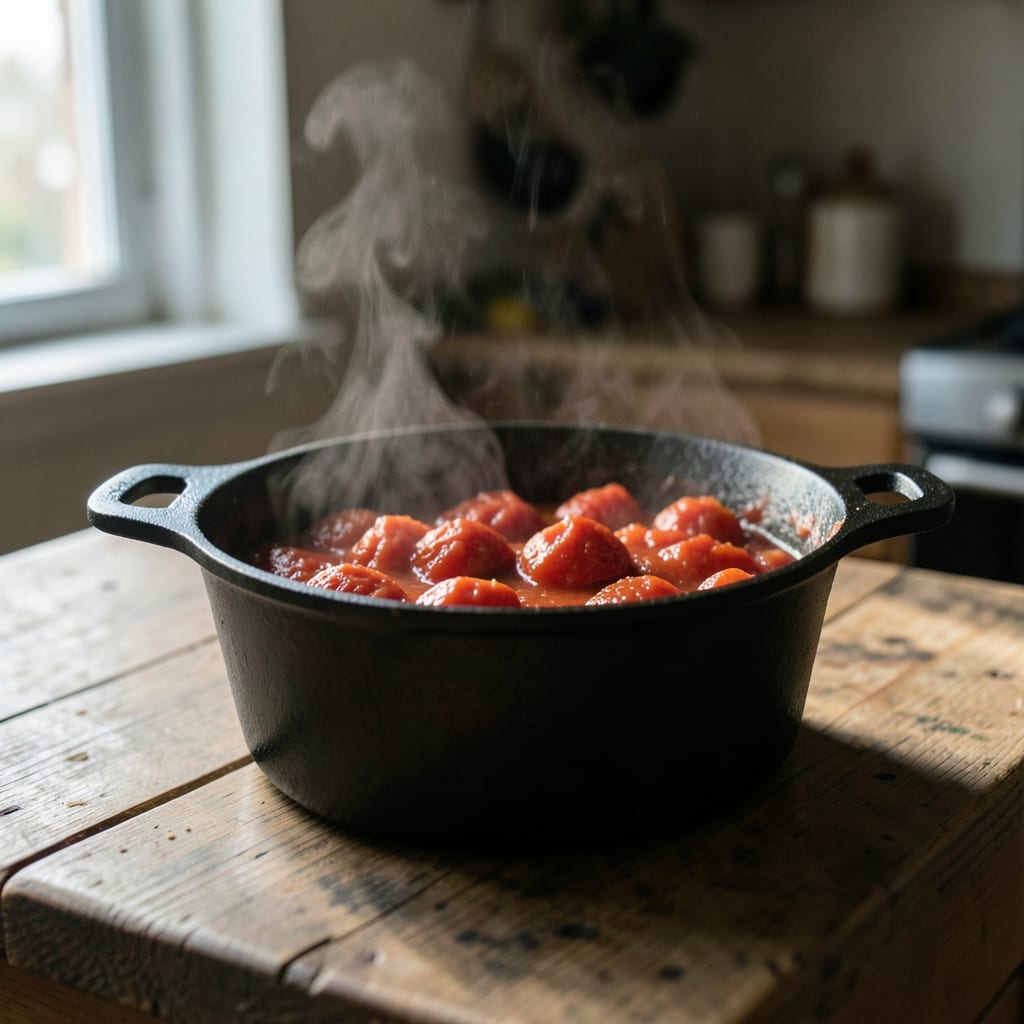
The first step is always digging—just an inch deep, to see what’s really going on. If the soil smells like rot, it’s too wet. If it crumbles like dust, it’s too dry. I press my thumb into it: if it holds a shape, it’s ready to plant.
If not, I add compost or sand, then water it down until it feels like a damp sponge. Timing matters too—never plant when the ground’s still cold from the night before.
What says it’s gone wrong? Wilting within hours, or leaves that turn yellow instead of green. That means the roots aren’t getting air—or the soil’s too heavy. I’ll adjust by loosening the dirt with a fork or mixing in perlite.
Patience is key: if the plant’s struggling after a week, I’ll rip it out and start over.
The fix: light and water
If the plant’s still struggling, I check the light. A south-facing window might seem bright, but a tomato needs six hours of direct sun—or a grow light three inches away. I’ll move it closer, then watch for scorched leaves.
Watering’s trickier: most guides say ‘keep it moist,’ but that’s useless if your tap water’s hard. I measure with my finger: the top inch should dry out before watering again.
The final test is the leaf. A healthy one springs back when you press it. A dying one stays limp. If it’s the latter, I’ll trim the damaged parts, give it a weak fertilizer, and hope for the best. Sometimes, it’s better to pull it and replant.
How a page gets onto this site
Every guide is written while the garden’s still fresh in my mind—notes scribbled on the back of a seed packet, then typed up before the season changes. I’ll cut anything that doesn’t hold up to a second read: vague advice, unsourced claims, or steps that assume you’re already an expert.
If a guide gets rewritten six months later, it’s because someone tried it and found a flaw—or because the weather did.
Write to me
I love hearing about the plants that surprised you, the pests that outsmarted you, or the one row that actually thrived. Send me a photo of your weirdest harvest or the tool that saved your garden.
And if you’ve got a tip that works where nothing else does, I’ll make room for it.
You can reach me through the contact page—I’ll get back to you faster than you’d think.
The guides are grouped by category: Advice, Aphids, Blooming, Companion Plants, Container Gardens and How To.