
Companion Plants
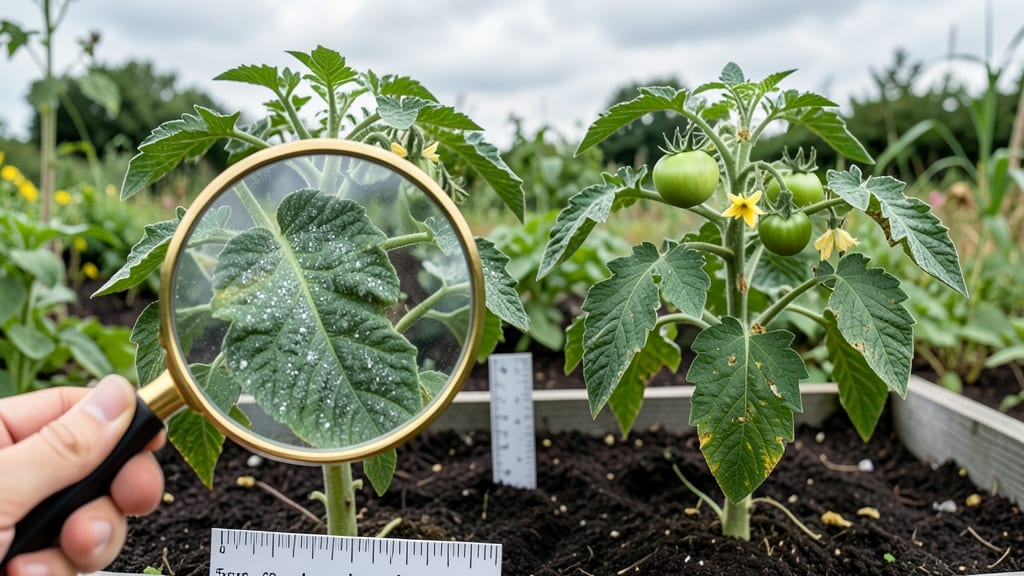
Why do my tomato plants have these white spots?—it’s a sign your plants are battling a fungal infection you can absolutely win. 🌱 The culprit is usually powdery mildew or another fungal issue, and the good news? You don’t need harsh chemicals to fix it—just the right approach. I’ve saved dozens of tomato plants from this exact problem, and the key starts with proper identification and quick action.
The first step is confirming what you’re dealing with: powdery mildew appears as white, powdery patches, while other fungal spots might look greasy or discolored. Check the undersides of leaves—fungi love hiding there.
Once you know the enemy, you can tackle it with organic sprays like neem oil or baking soda mix, or prune affected leaves to stop the spread before it reaches the fruit.
By the end of this, your tomato plants will be healthy again, with lush green leaves and no more white spots. The fix isn’t just about treating the problem—it’s about preventing it next season with better airflow, proper spacing, and a few simple habits that keep your plants thriving.
Whether you’re dealing with a small outbreak or a full-blown infection, the steps here work for any stage. Let’s get those leaves back to their vibrant best before the spots take over your harvest.
Hidden Culprits Behind White Spots
White spots on tomato leaves aren’t just random blemishes—they’re often a plant’s silent SOS for help. Understanding the root causes is the first step to saving your crop. Let’s break down the science behind these pesky spots and why they appear.
---
🍄 Powdery Mildew is the most common fungal culprit, causing white, powdery spots that resemble flour dust. This fungus thrives in humid, low-light conditions and spreads via spores carried by wind or water. It weakens plants by blocking sunlight, reducing photosynthesis and stunting growth.
🔬 How it happens: - High humidity (70%+) + poor airflow = fungal paradise. - Overhead watering splashes spores onto leaves, accelerating infection. - Crowded plants trap moisture, creating ideal conditions for spores to germinate.
💡 Pro Tip: Check the undersides of leaves first—powdery mildew loves shade and starts there.
---
🦠 While less frequent, bacterial or viral infections can also cause white spots, often accompanied by yellowing, wilting, or distorted growth. These pathogens enter through wounds (like pruning cuts or insect bites) and multiply rapidly.
🔬 How it happens: - Contaminated tools or hands spread bacteria like Pseudomonas or Xanthomonas. - Insect vectors (e.g., aphids) transmit viruses such as Tomato Mosaic Virus (ToMV). - Stressful conditions (drought, extreme heat) weaken defenses, making plants vulnerable.
⚠️ Warning Sign: If spots are oily or water-soaked, bacteria may be the issue—act fast, as these infections can spread systemically.
---
🌡️ Heat Stress or Sun Scorch can cause white, crispy patches on leaves, especially in hot climates. While not infectious, these spots reduce photosynthesis and weaken plants, making them susceptible to secondary infections.
🔬 How it happens: - Intense afternoon sun + low humidity = leaf burn. - Lack of shade or over-fertilizing with nitrogen (which promotes soft, sun-sensitive growth). - Poor watering habits (drought stress or inconsistent moisture) disrupt cell function.
💡 Pro Tip: Mulch heavily to retain moisture and avoid late-day watering to prevent evaporation.
--- 🧪 Overuse of fungicides, herbicides, or even homemade sprays (like neem oil or baking soda mixtures) can leave white, powdery residues or cause chemical burns. This is especially true if applied too frequently or in direct sunlight.
🔬 How it happens: - Improper dilution of sprays concentrates active ingredients, damaging leaf tissue. - Applying when leaves are wet (e.g., after rain) dilutes the chemical unevenly, causing uneven burn. - Using copper-based sprays too often can accumulate and harm plants over time.
✨ Quick Fix: Rinse leaves with water + a drop of mild dish soap to remove residue, but space out applications to avoid repeat damage.
--- 📊 Magnesium or Calcium Deficiency can cause white or yellow spots, particularly between leaf veins. These deficiencies disrupt cellular processes, leading to necrotic (dead) tissue.
🔬 How it happens: - Overwatering or poor drainage washes away nutrients. - Soil pH imbalance (too acidic or alkaline) locks out essential minerals. - Heavy nitrogen fertilization (without balancing micronutrients) starves plants of magnesium/calcium.
💡 Pro Tip: Test your soil and amend with Epsom salt (magnesium sulfate) or crushed eggshells (calcium) if deficiencies are suspected.
--- 🔪 Hail, strong winds, or even rough handling can create white, bruised spots on leaves. Unlike fungal spots, these are raised, irregular, and often paired with torn edges.
🔬 How it happens: - Sudden weather shifts (e.g., hailstorms) puncture leaf cells. - Mechanical injury from pruning tools or even birds pecking at pests. - Transplant shock can cause temporary white patches as leaves recover.
🌿 Recovery Tip: Prune damaged leaves to redirect energy to healthy growth, but avoid over-trimming—plants need foliage for photosynthesis.
How to Fix White Spots Fast
Now that you’ve identified the culprit behind those pesky white spots on your tomato plants, it’s time to roll up your sleeves and get them back to their vibrant, healthy selves! 🌱💪 The good news?
Most of these issues are treatable—sometimes even reversible—if you act quickly. Below, we’ve mapped out practical, step-by-step solutions tailored to each cause, plus prevention tips to keep your plants thriving long-term.
---
Fix It Fast: Fungal diseases love humidity and poor airflow, so your first move is to cut off their favorite conditions.
1. 🔥 Prune & Improve Airflow - Remove infected leaves (especially lower ones) with sterilized pruners (wipe with rubbing alcohol between cuts). - Space plants 18–24 inches apart to boost airflow—fungi thrive in crowded, damp spots. - Thin out foliage if plants are bushy; aim for a sunny, open canopy.
2. 🍳 Homemade Fungicide Sprays (Safe & Effective) Mix one of these in a spray bottle and apply early morning or late evening (avoid direct sun to prevent leaf burn): - Baking Soda Spray: 1 tsp baking soda + 1 tsp neem oil + 1 tsp dish soap (mild) + 1 gallon water.
Spray every 7–10 days. - Milk Spray: 1 part milk to 9 parts water (contains natural fungicides). Spray weekly for powdery mildew. - Copper Fungicide: Follow label instructions for early/late blight (great for severe cases).
3. 👨🍳 Organic Fungicides (Store-Bought) - Neem oil (1–2% concentration): Spray every 7–14 days to prevent spores from germinating. - Serenade Garden Disease Control: A bacillus subtilis (beneficial bacteria) spray that outcompetes fungi.
4. 🌡️ Adjust Watering Habits - Water at the base (not overhead) to keep leaves dry. - Water early in the day so foliage dries by nightfall. - Avoid wet mulch—keep it 1–2 inches away from stems.
💡 Pro Tip: If blight is severe, remove and destroy infected plants (don’t compost!) to prevent spread.
---
Kick Them Out for Good:
1. 🔪 Blast Off Pests Physically - Spray with water (forceful stream from a hose) to knock off whiteflies and aphids. - Sticky traps (yellow or blue) placed near plants catch adult flies.
2. 🍳 Soap & Oil Sprays (Non-Toxic) - Insecticidal soap: 2 tbsp castile soap + 1 quart water. Spray directly on pests (avoid hot sun). - Neem oil + water: 1 tbsp neem oil + 1 tsp soap + 1 quart water. Spray every 5–7 days.
3. 🐝 Introduce Beneficial Bugs - Ladybugs (eat aphids), lacewings (devour mites), or parasitic wasps (target whiteflies). Buy from garden centers.
4. 🎯 Prevent Future Infestations - Reflective mulch (aluminum foil or silver plastic) confuses whiteflies. - Interplant with pest-repelling herbs: Basil, marigolds, or dill nearby deter pests.
---
Revive & Protect Your Plants:
1. ☀️ Shield from Harsh Sun - Provide afternoon shade (use shade cloth or move pots) if leaves are bleached or crispy. - Mulch heavily to keep roots cool and moisture stable.
2. 🌧️ Flush Out Mineral Buildup - Water thoroughly with rainwater or distilled water (tap water often has chlorine/fluoride). - Avoid fertilizing until spots clear up—too many salts worsen the issue.
3. 🌱 Repot if Needed - If using low-quality potting mix, repot into well-draining soil with perlite or compost.
---
| Cause | Prevent It With… | |--------------------------|-----------------------------------------------| | Fungal Diseases | Airflow, neem oil sprays, resistant varieties (e.g., ‘Defiant’ tomatoes). | | Pests | Regular inspections, companion planting, sticky traps. | | Sun Scorch | Dappled shade, proper watering, mulch. | | Mineral Buildup | Rainwater, flushing soil, balanced fertilizers. |
--- 🌟 Final Encouragement: Most white spots are fixable with consistency! Monitor your plants daily, adjust care as needed, and soon you’ll be harvesting juicy, blemish-free tomatoes again. 🍅✨
(Need a quick reference? Bookmark this guide next to your gardening tools!)
Frequently asked questions
Are white spots on tomato leaves always a sign of disease?
Not always! While fungal infections like powdery mildew are common, white spots can also come from heat stress, chemical residue (like overused fungicides), or even physical damage from hail or rough handling. Always check for other symptoms like yellowing or leaf distortion to confirm the cause.
Can I still harvest tomatoes if my plant has white spots?
Yes, but only if the spots are on leaves—not the fruit. If the spots are from powdery mildew, remove infected leaves immediately to prevent spread. For bacterial spots (oily, water-soaked patches), avoid harvesting fruit from infected plants, as bacteria can contaminate tomatoes.
How often should I spray neem oil to prevent white spots?
Apply neem oil every 7–14 days during growing season (spring to fall) for prevention. For active fungal infections, spray every 5–7 days until symptoms disappear. Always mix with a drop of mild soap to help it stick to leaves.
Will pruning infected leaves make my plant weaker?
Not if done correctly! Prune only the most severely infected leaves (especially lower ones) to improve airflow. Avoid over-pruning—remove no more than 20% of foliage at once. Healthy leaves will compensate, and your plant will recover faster with better circulation.
Can I reuse last year’s tomato cages if my plants had white spots?
Clean them thoroughly first! Disinfect cages with a 10% bleach solution (1 part bleach to 9 parts water), then rinse well. Fungal spores can survive on metal or plastic, so sterilization is key. For wood stakes, replace them if heavily infected to avoid reinfection next season.