
Plants
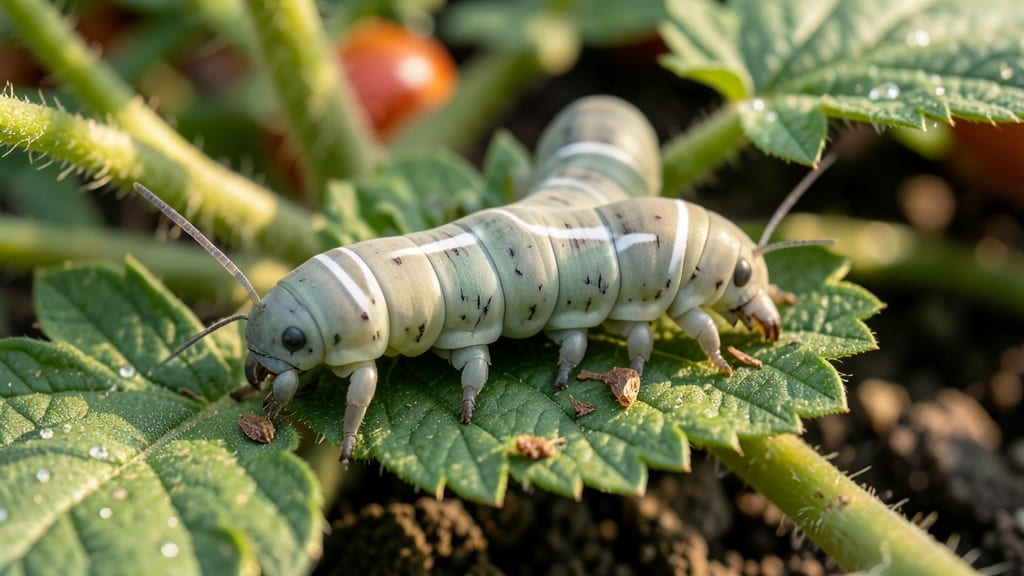
Your tomato plants are under siege—here’s how to spot and stop the bugs eating them before they ruin your harvest. 🌱 I’ve lost entire batches to these pests, and I’ll show you how to identify them fast, so you can act before your plants turn into skeleton leaves and fruit.
The worst offenders include hornworms (those green caterpillars with white stripes), aphids (tiny clusters sucking sap), and Colorado potato beetles (yellow-and-black striped invaders). Each leaves telltale damage: chewed leaves, sticky residue, or wilted vines.
The key? Early detection—check plants every few days, especially after rain when pests are most active. With the right tools (neem oil, row covers, or handpicking), you can eliminate 90% of pests in under 24 hours.
I’ll walk you through organic solutions that work without harming bees or your soil. No more helplessly watching your tomatoes get devoured—this is how you take back control. Works for backyard gardens, containers, and even greenhouse setups. Let’s get those plants protected before the bugs strike again!
Root Causes Of Tomato Plant Attacks
Tomato plants are a garden’s all-star performers—until they’re not. When pests start feasting on your hard work, it’s rarely random. Instead, these critters are drawn by specific conditions that make your plants look like an all-you-can-eat buffet.
Understanding why these bugs show up is the first step to kicking them out for good. Here’s the science behind their hunger games.
Tomato plants under stress become easier targets for pests. When plants are overcrowded, they compete for sunlight, water, and nutrients, weakening their natural defenses. This stress makes them more vulnerable to attacks from:
- Hornworms – These voracious caterpillars seek out tender, nutrient-rich foliage that stressed plants can’t defend as effectively.
- Aphids – They thrive on plants with high sugar content, which stressed tomatoes produce in excess.
- Whiteflies – These pests favor plants with damaged or yellowing leaves, common in overcrowded beds.
Why it happens: Plants release volatile organic compounds (VOCs) when stressed, signaling to pests that they’re an easy meal. Proper spacing (18–24 inches apart for indeterminate tomatoes, 12–18 inches for determinate) and balanced fertilization reduce this risk.
A tomato plant’s ability to fend off pests starts in the soil. If your garden lacks key nutrients or has compaction, poor drainage, or high salinity, your plants become weak and pest-prone. Here’s how:
| Nutrient Deficiency | Pest Attraction | Solution |
|---|---|---|
| Low nitrogen (N) | Aphids and spider mites target nitrogen-deficient plants, as they’re easier to penetrate. | Add compost or a balanced fertilizer (10-10-10). |
| Phosphorus (P) deficiency | Root-knot nematodes thrive in phosphorus-poor soil, stunting growth and making plants susceptible to secondary pests. | Use bone meal or rock phosphate. |
| Potassium (K) deficiency | Tomatoes with low potassium produce thinner cell walls, making them easier prey for Colorado potato beetles and tomato fruitworms. | Apply greensand or wood ash. |
Why it happens: Healthy soil fosters strong root systems and robust foliage, which produce alkaloids and terpenes—natural pest repellents. Test your soil pH (ideal: 6.0–6.8) and amend as needed to create an inhospitable environment for pests.
Pests don’t just show up—they’re invited by the right conditions. Tomato plants in extreme heat, high humidity, or inconsistent watering become magnetically attractive to certain bugs:
- Fungal gnats – Love moist, overheated soil (ideal when watering is irregular).
- Blossom end rot (indirectly) – While not a bug, calcium-deficient tomatoes (from uneven watering) attract fruit flies drawn to rotting tissue.
- Stink bugs – Seek out tomatoes with high sugar content, which develop when plants are water-stressed.
Why it happens: Heat stress triggers osmotic changes in plant cells, increasing sugar concentrations in leaves and fruit—making them taste sweeter to pests. Mulching (straw or grass clippings) retains moisture, while drip irrigation (instead of overhead) prevents fungal gnat breeding grounds.
Some pests are seasonal opportunists, timing their attacks to coincide with tomato growth stages:
- Early season: Cutworms and slugs target young seedlings (they’re soft and tender).
- Mid-season: Hornworms and tomato fruitworms appear when plants flower and fruit.
- Late season: Stink bugs and harlequin bugs move in as tomatoes ripen (they love the sugars).
Why it happens: Tomato plants go through phenological stages (seedling → flowering → fruiting), each releasing different chemical signals. Pests have evolved to detect these cues via pheromones and plant volatiles. Monitoring growth stages helps you predict and prevent outbreaks.
In a balanced ecosystem, predatory insects keep pest populations in check. But if your garden lacks biodiversity, pests thrive:
- Missing ladybugs? Aphids explode.
- No ground beetles? Cutworms and slugs win.
- Few lacewings? Whiteflies and spider mites take over.
Why it happens: Monoculture gardens (planting only tomatoes) remove the food web that keeps pests in balance. Introducing companion plants (basil, marigolds, nasturtiums) or beneficial insects (parasitic wasps, nematodes) disrupts pest life cycles naturally.
Fixing Tomato Plant Damage Fast
Now that you’ve identified the culprits gnawing on your tomato plants, it’s time to take action! The key is a multi-pronged approach—combining immediate fixes with long-term prevention to keep your garden thriving.
Below, we’ll tackle the most common pests with practical, garden-friendly solutions that work without harsh chemicals (unless absolutely necessary).
---
Problem: These green caterpillars with white stripes can devour entire leaves overnight—and they’re sneaky, blending right into the foliage.
How to Fix It: - 🔪 Handpick & Drown: Check plants early morning when hornworms are sluggish. Drop them into soapy water (they’re too big to miss!). - 🐛 Introduce Predators: Ladybugs, lacewings, and parasitic wasps love hornworms. Buy or attract them with dill or fennel nearby. - 🌿 Neem Oil Spray: Mix 1 tsp neem oil + 1 tsp mild soap + 1 quart water, spray evenly on leaves (reapply after rain). Disrupts their feeding and growth.
💡 Prevention Tip: Plant basil or marigolds near tomatoes—hornworms hate the scent! Also, remove egg clusters (tiny white ovals on leaves) before they hatch.
---
Problem: Tiny, clustered aphids weaken plants by draining sap, leaving sticky honeydew that attracts mold.
How to Fix It: - 💦 Blast Them Off: Use a strong stream of water from a hose to knock them off leaves and stems. - 🍳 Soap Spray: Mix 1 tbsp castile soap + 1 quart water, spray directly on infested areas. Reapply every 3–4 days. - 🐝 Encourage Beneficial Insects: Ladybugs and lacewings feast on aphids. Release them or plant alyssum to attract them.
💡 Prevention Tip: Reflective mulch (aluminum foil or silver plastic) confuses aphids—try wrapping it around plant stems!
---
Problem: These orange-and-black beetles and their larvae skeletonize tomato leaves, leaving only veins.
How to Fix It: - 🕵️♂️ Scrape & Squish: Handpick adult beetles (they’re slow) and drown larvae in soapy water. - 🌿 Row Covers: Use floating row covers early in the season to block adults from laying eggs. - 🔥 Diatomaceous Earth (DE): Sprinkle food-grade DE around the base of plants—it dehydrates beetles and larvae (reapply after rain).
💡 Prevention Tip: Rotate crops—never plant tomatoes or potatoes in the same spot two years in a row. Beetles overwinter in soil!
---
Problem: These white, moth-like pests cluster on undersides of leaves, weakening plants with their sticky residue.
How to Fix It: - 🕯️ Yellow Sticky Traps: Hang yellow cards coated in petroleum jelly near plants to catch adults. - 🌿 Neem Oil or Insecticidal Soap: Spray undersides of leaves (where they hide) every 5–7 days. - 💨 Fan Them Out: Use a shop vac or leaf blower to suction or dislodge them from plants.
💡 Prevention Tip: Avoid over-fertilizing with nitrogen—whiteflies love soft, lush growth. Use balanced fertilizer instead.
---
Problem: These slimy invaders leave irregular holes in leaves and munch on fruits at night.
How to Fix It: - 🍺 Beer Traps: Bury a shallow dish filled with beer near plants—slugs crawl in and drown (gross but effective!). - 🪨 Copper Barriers: Place copper tape around pots or garden beds—electrifies slugs slightly, keeping them out. - 🌿 Diatomaceous Earth: Create a barrier ring around plants—slugs avoid crossing it.
💡 Prevention Tip: Water in the morning (not evening) so slugs dry out and avoid your garden. Also, remove hiding spots like thick mulch or boards.
---
To keep pests away long-term, follow these proactive strategies: - 🌱 Healthy Soil = Strong Plants: Use compost and organic matter—stressed plants attract pests. - 🌿 Companion Planting: Basil, marigolds, and nasturtiums repel many tomato pests naturally. - 🕰️ Regular Inspections: Check plants every 2–3 days—early action prevents full-blown infestations. - 🌡️ Crop Rotation: Never plant tomatoes in the same spot two years in a row (breaks pest life cycles).
--- Final Thought: Most tomato pests can be managed without chemicals—it just takes consistency and vigilance. Try one method at a time, observe what works best for your garden, and soon you’ll have bountiful, pest-free tomatoes! 🍅✨
Frequently asked questions
What are the most destructive bugs that attack tomato plants?
The worst offenders include hornworms (green caterpillars with white stripes), aphids (tiny sap-sucking clusters), and Colorado potato beetles (yellow-and-black striped invaders). These pests can defoliate plants in days if left unchecked.
How do I know if my tomato plant has a pest problem?
Look for chewed leaves, sticky residue (honeydew from aphids), wilted vines, or irregular holes in foliage. Check undersides of leaves and near stems—pests often hide there. Early detection is key to saving your harvest!
Are there organic solutions to get rid of tomato pests?
Yes! Try neem oil spray (mix 1 tsp neem oil + 1 tsp soap + 1 quart water), handpicking (drop pests in soapy water), or companion planting with basil/marigolds. For slugs, use copper barriers or beer traps. These methods work without harsh chemicals.
Can I still save my tomato plants if they're already heavily damaged?
It depends! If the damage is less than 30%, prune affected areas and treat pests immediately. For severe cases, focus on saving healthy growth—remove infested leaves and apply neem oil or insecticidal soap. Some varieties may recover, while others might need replacement.
How often should I check my tomato plants for pests?
Inspect plants every 2-3 days, especially after rain (pests become more active). Focus on new growth, undersides of leaves, and fruit clusters—these are prime hiding spots. Morning checks work best when pests are sluggish.