
Pests and Diseases
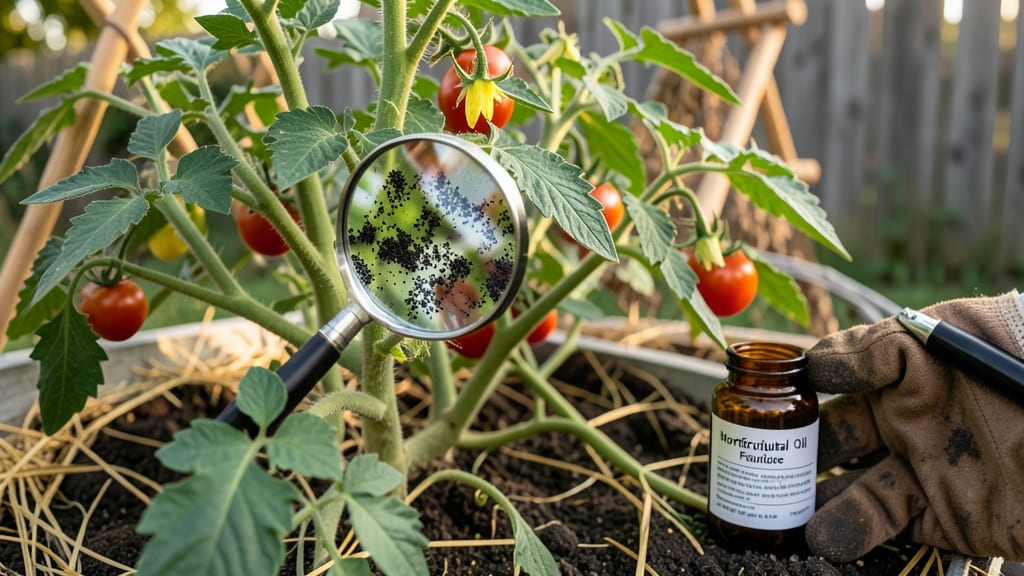
Those tiny black spots on your tomato stems aren’t just unsightly—they’re stealing your harvest. 🌱 I’ve saved dozens of tomato plants from collapse by catching this early, and the fix is simpler than you’d think, even if you’re not a gardening pro.
Start by checking the undersides of leaves and stems for aphids or mites, the real culprits behind these spots. A hand lens helps, but even without one, you’ll spot the telltale signs: sticky residue, distorted growth, or a fine webbing. The sooner you act, the faster your plants bounce back.
With just three targeted steps—spraying, pruning, and spacing—you’ll stop the spread and protect next year’s crop. Your tomatoes will recover faster than you think, with fewer spots and more fruit by summer’s end. This works for both backyard gardens and container plants, no matter your experience level.
Let’s get those stems healthy again!
Root Causes of Stem Spots
Those pesky tiny black spots on tomato stems aren’t just a cosmetic nuisance—they’re often a sign of underlying stress or pest activity. Understanding the why behind these spots is the first step to saving your plants.
Below, we break down the most common culprits, backed by science, so you can tackle the problem at its source.
Fungi thrive in warm, humid conditions, and tomato stems are prime real estate. Here’s how they strike:
- Alternaria Stem Canker 🍄
- Cause: The fungus Alternaria solani infects through wounds (like pruning cuts) or natural openings in the stem. It produces tiny black, sunken spots that expand into dark, crusty lesions.
- Why it spreads: Overhead watering splashes spores onto stems, and poor air circulation traps moisture. Infected plant debris left in the soil also acts as a spore reservoir.
- Red flag: Spots often appear near leaf axils (where leaves meet stems) and may ooze a dark liquid when wet.
- Black Mold (Aspergillus or Stemphylium)
- Cause: These fungi create velvety black or gray spots that feel powdery. They love high humidity and can weaken stems, leading to collapse.
- Why it happens: Excessive nitrogen fertilizer (like overusing blood meal) makes stems soft and susceptible. Poor sanitation (e.g., not removing fallen leaves) worsens outbreaks.
Not all stem spots are fungal—some are the result of tiny pests feasting on your plants. Here’s how they leave their mark:
- Aphids & Spider Mites 🐜🕷️
- Cause: These sap-sucking insects inject toxins as they feed, causing blackened, stippled spots on stems and leaves. Heavy infestations lead to sooty mold (a black fungal growth from their honeydew).
- Why it happens: Aphids prefer new growth and cluster on tender stems. Mites thrive in dry, hot conditions and multiply rapidly when plants are stressed (e.g., underwatering).
- Tell-tale sign: Look for sticky residue on stems or yellowing leaves curled inward.
- Fungal Galls from Nematodes 🐛
- Cause: Root-knot nematodes (Meloidogyne) don’t just attack roots—they can cause small, black, gall-like bumps on stems near the soil line. These galls disrupt nutrient flow.
- Why it happens: Nematodes thrive in compacted, poorly drained soil. They’re often introduced via contaminated soil or infected transplants.
- Clue: Check the roots for knobby growths and stunted, wilted foliage.
Sometimes, the spots are a reaction to your plant’s surroundings—not a pest or pathogen. Here’s how:
- Sunscald & Heat Stress ☀️🔥
- Cause: Intense sunlight (especially in high-desert or greenhouse settings) can cause tiny black or brown spots on stems exposed to direct rays. This is called sunscald.
- Why it happens: Young, tender stems lack protective pigments. When temperatures exceed 90°F (32°C), cells rupture, leaving dead patches.
- Prevention tip: Use shade cloth (30-50%) for seedlings and avoid planting tomatoes in full sun without acclimation.
- Chemical Burn from Over-Fertilizing 🧪💥
- Cause: Excessive salt-based fertilizers (like synthetic blends high in potassium or phosphorus) can create blackened, crispy spots on stems.
- Why it happens: High salt concentrations draw moisture out of plant cells, causing dehydration and necrosis. This is common in container-grown tomatoes with poor drainage.
- Fix: Flush soil with water (2-3x the pot’s volume) and switch to organic, slow-release fertilizers.
Next up: How to diagnose which cause fits your tomato’s symptoms—and 3 actionable steps to stop the spread. 🚀
Fixing Tiny Black Spots Fast
Now that you’ve identified the culprit behind those pesky tiny black spots on tomato stems—likely aphids or sooty mold—it’s time to act! The good news? Most solutions are simple, cost-effective, and require minimal effort.
Below, we’ve mapped out targeted fixes based on the root cause, plus prevention tips to keep your tomato plants thriving.
Aphids multiply rapidly, so early intervention is key. Try these methods:
- 🍳 Spray with Soapy Water Mix 1 tablespoon of mild dish soap (like Dawn) with 1 quart of water. Spray directly onto infested stems and leaves, focusing on undersides where aphids hide. Reapply every 3–4 days until they’re gone.
- 👨🍳 Introduce Beneficial Insects Ladybugs, lacewings, and parasitic wasps are natural aphid predators. Purchase them online or from garden centers, then release them near your tomato plants. (Pro tip: 💡 Do this in the evening to avoid harming them in daylight.)
- 🥘 Prune Infested Growth Snip off heavily infested stems and leaves with clean shears, then dispose of them in a sealed bag (not your compost!). This stops the spread and reduces aphid populations.
Sooty mold thrives on aphid honeydew, but it’s easy to remove:
- 🌧️ Gentle Hose-Off Use a strong stream of water to wash mold off leaves and stems. Repeat weekly during humid conditions to prevent recurrence.
- 🧴 Fungicide Spray (Optional) For stubborn cases, use a copper-based or neem oil fungicide (follow label instructions). Neem oil also deters future aphids! (Pro tip: 🌡️ Apply in the early morning or late evening to avoid burning leaves.)
An ounce of prevention saves hours of cleanup:
- 🌿 Keep Plants Healthy Strong plants resist pests better. Ensure your tomatoes get:
- 6–8 hours of sunlight daily.
- Well-draining soil with compost.
- Regular pruning to improve airflow.
- ✨ Monitor Regularly Check stems and leaves weekly, especially undersides. Early detection = easier fixes!
- 🚫 Avoid Over-Fertilizing Excess nitrogen attracts aphids. Use a balanced fertilizer (like 10-10-10) and follow package instructions.
- 🌱 Companion Planting Plant basil, marigolds, or garlic near tomatoes—their scents repel aphids naturally!
Remember: Consistency is key! Combine these fixes, and your tomato plants will bounce back stronger. 🍅💪 Happy gardening!
Frequently asked questions
Are tiny black spots on tomato stems always caused by pests?
No, they can also come from fungal diseases like Alternaria or sooty mold (which grows from aphid honeydew). Check for other symptoms: fungal spots often appear sunken or crusty, while pest-related spots may have sticky residue or visible bugs. Examine leaf undersides and stems carefully.
Can I still harvest tomatoes if I see these spots?
Yes, but only if the spots are isolated and the fruit itself looks healthy. Remove any damaged leaves near the spots to prevent spread. Avoid eating leaves or stems with severe blackening—focus on saving the fruit. If the entire plant is heavily infested, treat it first before harvesting.
How do I tell if the spots are from aphids vs. fungus?
Look for these clues: aphids leave sticky residue (honeydew) and tiny moving insects, while fungus creates powdery or crusty spots that don’t move. Check leaf undersides—aphids cluster there, while fungus often appears near water splashes or wounds. A hand lens helps spot mites too.
Will neem oil work for both pests and fungal spots?
Yes! Neem oil is effective against aphids, mites, and fungal diseases like early blight. Mix 1 tablespoon with 1 quart of water, add a drop of dish soap, and spray stems/leaves at dusk. Reapply every 5-7 days. It’s organic, safe for edible plants, and prevents future outbreaks when used preventively.
Can I save a tomato plant with severe black spots?
It depends! If the spots are from aphids or early-stage fungus, prune infected areas and treat immediately. For advanced fungal diseases (like Alternaria), the plant may need removal to protect others. If roots are healthy, you can sometimes save it with copper fungicide and better airflow. Always quarantine affected plants first.