
Pests and Diseases
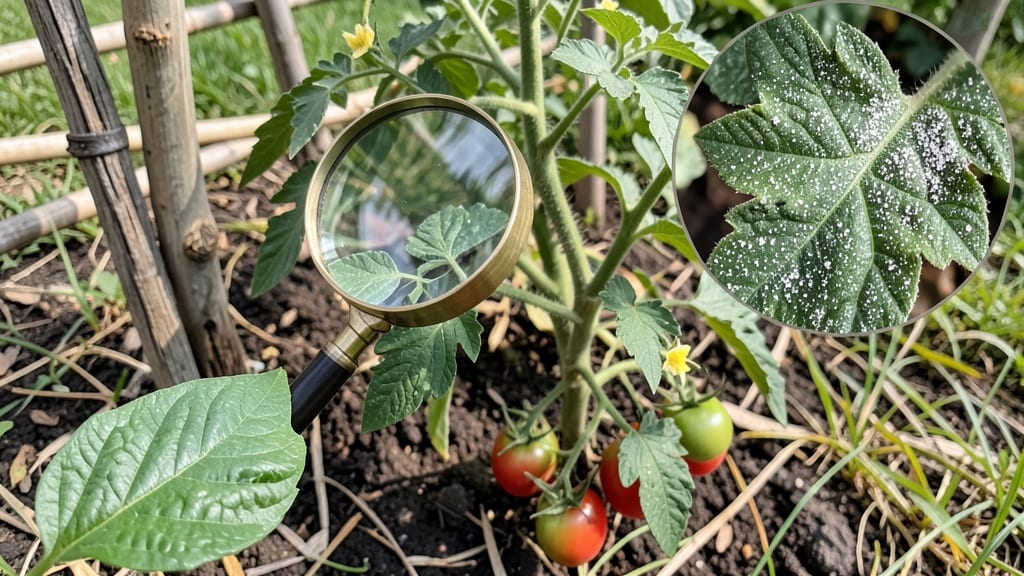
Tiny white spots on tomato leaves aren’t just unsightly—they’re a red flag for powdery mildew, and ignoring them means losing your harvest. 🌱 I’ve battled this fungal foe for years, and I’ll show you how to reverse the damage in just 3 days using simple, effective methods that work even on homegrown tomatoes.
The problem starts with poor air circulation, damp leaves, or overcrowded plants—classic setup for powdery mildew. But here’s the good news: it responds fast to the right treatment.
You’ll need basic supplies (baking soda, neem oil, or a garden hose) and a little elbow grease to wipe out those spots before they spread. By day 3, you’ll see fresh green leaves pushing through, and the white dust will vanish.
The key is acting fast and preventing future outbreaks with better spacing and watering habits. Your tomatoes will bounce back stronger than ever. This works for greenhouses, raised beds, or backyard gardens—just adjust the timing based on your climate. Let’s get those leaves sparkling clean again!
Root Causes of Leaf Spots
When you spot those pesky tiny white specks on your tomato leaves, they’re rarely just a random annoyance—they’re a sign your plants are under siege. Understanding the why behind these spots is the first step to stopping them in their tracks.
Below, we break down the most common culprits, from fungal invaders to environmental stressors, and why they target your tomatoes like a buffet.
Fungi are the #1 reason for those white, powdery, or crusty spots on tomato leaves. These microscopic organisms thrive in moist, shaded conditions and spread faster than you’d think. Here’s how they strike:
Powdery Mildew: The Fluffy Foe
This fungal disease is the most common cause of tiny white spots on tomato leaves. It starts as faint, chalky specks on the upper leaf surface but quickly spreads into a white, powdery coating that smothers leaves. Why does it happen?
- High humidity + poor airflow: Powdery mildew spores love damp conditions (think >75% humidity) and stagnant air. If your tomato plants are crowded or overwatered, spores latch onto leaves like a hitchhiker.
- Stressed plants: Tomatoes under nutrient deficiency (especially phosphorus or potassium), drought stress, or sudden temperature swings (below 60°F or above 90°F) become prime targets.
- Old or weak leaves: Lower, older leaves are often the first to show spots because they’re closest to the soil (where spores lurk) and less resilient.
💡 Pro Tip: Powdery mildew spores can overwinter in garden debris—always clean up fallen leaves and rotate crops to break the cycle.
Downy Mildew: The Sneaky Underside Stalker
Unlike powdery mildew, downy mildew hides on the undersides of leaves, leaving yellow spots on top and fuzzy white growth below. It’s caused by a different fungus (Oidium vs. Peronospora) and thrives in:
- Cool, wet nights (50–75°F) + warm, humid days: This combo creates the perfect spore-launching conditions.
- Overhead watering: Splashing water spreads spores like a game of fungal telephone.
- Resistant but stressed varieties: Even disease-resistant tomatoes can succumb if they’re underwatered or over-fertilized with nitrogen.
Not all white spots are fungal—some are physical damage from pests that leave behind speckled trails or sap-filled marks. Here’s how insects turn your leaves into their personal buffet:
Whiteflies: The Floating Menace
These tiny, white moth-like insects cluster on leaf undersides, sucking sap and leaving behind sticky residue (aka honeydew) that encourages sooty mold. Their white, waxy spots are actually their larvae or excrement.
- Yellowing leaves + sticky leaves: Whiteflies thrive in warm, dry conditions (75–90°F) and crowded plants.
- New growth hotspots: They love soft, tender leaves—check the top of plants first.
💡 Pro Tip: Shake plants over a soapy water bucket to drown them—whiteflies hate movement!
Spider Mites: The Web-Weaving Thieves
While spider mites themselves are red or yellow, their fine webbing and speckled damage can look like white dust. They puncture cells to drink sap, leaving stippled, white or gray spots.
- Drought stress = mite party: These pests explode in populations when plants are underwatered.
- Dry, hot weather: They thrive in low humidity (<30%) and direct sun.
Sometimes, those white spots aren’t from pests or fungi at all—they’re your plants’ SOS signals for help. Here’s what’s going wrong:
Mineral Deficiencies: The Silent Starvers
Lack of key nutrients can cause white, crusty, or speckled leaves, often confused with disease. The most common offenders:
- Calcium deficiency: Causes white or brown spots on older leaves (a condition called blossom end rot’s cousin). Fix it with crushed eggshells or calcium nitrate.
- Magnesium deficiency: Leaves develop white or yellow patches between veins (a classic chlorosis sign). Try Epsom salt (magnesium sulfate).
- Zinc or iron toxicity: Too much of these minerals can cause white speckling—flush soil with water if over-fertilized.
Chemical Burn: When Good Intentions Go Bad
Overzealous use of fertilizers, pesticides, or even hard water can leave white, powdery residue on leaves. Symptoms:
- Crusty white deposits: Often on leaf edges or where droplets dried.
- Leaf curling or browning: A sign of salt buildup from synthetic fertilizers.
💡 Pro Tip: Always water leaves after spraying to rinse off chemicals—and test soil pH before fertilizing!
Hail or Physical Damage: Nature’s Scars
If your tomatoes were recently exposed to hail, strong wind, or even heavy rain, tiny white spots could be ruptured cells or water spots. Unlike fungal spots, these are raised, irregular, and often only on exposed leaves.
Quick Fixes for Leaf Spots
If you’ve spotted those pesky tiny white spots on tomato leaves, don’t panic—you can turn things around fast! The key is acting quickly and targeting the root cause. Below are practical solutions tailored to the most common culprits, from fungal infections to environmental stressors.
Each fix includes step-by-step instructions and prevention tips to keep your tomato plants thriving.
Fungal diseases like powdery mildew thrive in humid conditions and can spread rapidly. Here’s how to stop the spread and restore your plants:
🔥 Step 1: Isolate the Problem
- Remove severely infected leaves (gloves recommended!) and dispose of them in the trash not the compost pile.
- Avoid shaking plants, as spores can spread to healthy foliage.
🍳 Step 2: Apply a Fungicide (Natural or Store-Bought)
Choose one of these effective options:
- Baking Soda Spray: Mix 1 tbsp baking soda + 1 tsp dish soap + 1 gallon water. Spray both sides of leaves every 7–10 days. ✨ Pro Tip: Add a few drops of neem oil for extra antifungal power!
- Neem Oil Solution: Combine 1 tbsp neem oil + 1 tsp mild soap + 1 quart water. Spray in the early morning or evening to avoid burning leaves.
- Commercial Fungicide: Use a copper-based or sulfur spray (follow label instructions). These are highly effective but may require protective gear.
👨🍳 Step 3: Improve Airflow & Light
- Prune overcrowded branches to enhance airflow—fungi love damp, stagnant conditions.
- Move plants to a sunny spot (6+ hours of sunlight daily). Shade-loving tomatoes are more susceptible to mildew.
🌡️ Step 4: Adjust Watering Habits
- Water at the base (not overhead) to keep leaves dry.
- Water early in the day so foliage has time to dry before nighttime humidity peaks.
Tiny white spots can also be pest droppings, eggs, or webs. Here’s how to evict the critters:
🔪 Step 1: Blast Off Pests with Water
- Use a strong spray of water to knock off aphids or whiteflies from leaves. Repeat every 2–3 days.
🥘 Step 2: Introduce Natural Predators
- Release ladybugs, lacewings, or predatory mites (available at garden centers). These bugs devour pests without harming your tomatoes.
🎯 Step 3: Apply Insecticidal Soap or Oil
- Mix 1 tbsp insecticidal soap (or horticultural oil) with 1 quart water. Spray directly on pests (avoid flowering tomatoes to protect pollinators).
- ✨ Pro Tip: For stubborn infestations, repeat every 5–7 days for 2–3 weeks.
💡 Prevention Tip:
- Yellow sticky traps can catch flying pests like whiteflies before they multiply.
Sometimes, those spots aren’t pests or fungi—they’re signs of nutrient deficiencies or environmental damage. Here’s how to fix it:
📊 Step 1: Test & Amend Soil
- If spots are due to calcium deficiency (common in acidic soils), add:
- Crushed eggshells (bury near roots).
- Crushed limestone (follow package rates).
- Calcium nitrate (1 tbsp per gallon of water, applied as a foliar spray).
💪 Step 2: Protect from Sun Scorch
- If spots appear only on sun-exposed leaves, provide afternoon shade (use a shade cloth or move plants).
- Mulch heavily to keep roots cool and retain moisture.
🥗 Step 3: Boost Plant Health
- Feed tomatoes with a balanced fertilizer (10-10-10 or 5-5-5) every 3–4 weeks.
- ✨ Pro Tip: A compost tea spray can strengthen leaves against stress.
Stop white spots from returning with these easy habits:
- ✅ Rotate crops—don’t plant tomatoes in the same spot yearly.
- ✅ Clean up debris after harvest to remove fungal spores.
- ✅ Monitor humidity—use a fan in greenhouses or row covers for airflow.
- ✅ Inspect new plants before bringing them home.
- ✅ Harvest promptly—ripe tomatoes attract pests, speeding up disease spread.
With these fixes, your tomato plants should bounce back in 3–7 days—and you’ll be back to harvesting juicy, blemish-free tomatoes in no time! 🍅🌿
Frequently asked questions
Are tiny white spots on tomato leaves always a sign of powdery mildew?
Not always! While powdery mildew is the most common cause, white spots can also come from pests like whiteflies (their larvae or droppings), spider mites (webbing and stippled damage), or even mineral deficiencies like calcium or magnesium shortages. Always check the undersides of leaves and look for other symptoms like webbing or sticky residue.
How quickly can I expect to see improvement after treating powdery mildew?
With proper treatment (like baking soda spray or neem oil), you should see noticeable improvement in 3-5 days. For severe cases, it may take up to 7-10 days for new growth to fully emerge. The key is consistent application—don't skip treatments! Healthy new leaves should appear within a week if the root cause is addressed.
Will removing infected leaves help stop the spread of white spots?
Removing severely infected leaves (especially the lower, older ones) is one of the fastest ways to stop fungal spread. Just be sure to dispose of them in the trash—not compost—since fungal spores can survive decomposition. Prune for better airflow between plants, which helps leaves dry faster after watering.
Can I use household items to treat white spots on my tomato plants?
Yes! You can make effective sprays with common kitchen items. Try a baking soda solution (1 tbsp baking soda + 1 tsp dish soap + 1 gallon water) or a milk spray (1 part milk to 9 parts water). Both work well for powdery mildew. For pests, a mix of water + dish soap (1 tsp per quart) can smother insects like whiteflies and aphids.
Why do my tomato plants get white spots even when I water them at the base?
Base watering helps, but white spots often appear due to other factors like high humidity, poor airflow, or nutrient deficiencies. Even with proper watering, crowded plants or morning dew can create ideal conditions for fungal growth. Check for other signs like yellowing leaves or webbing—these might indicate pests or mineral imbalances rather than just watering issues.