
Plants
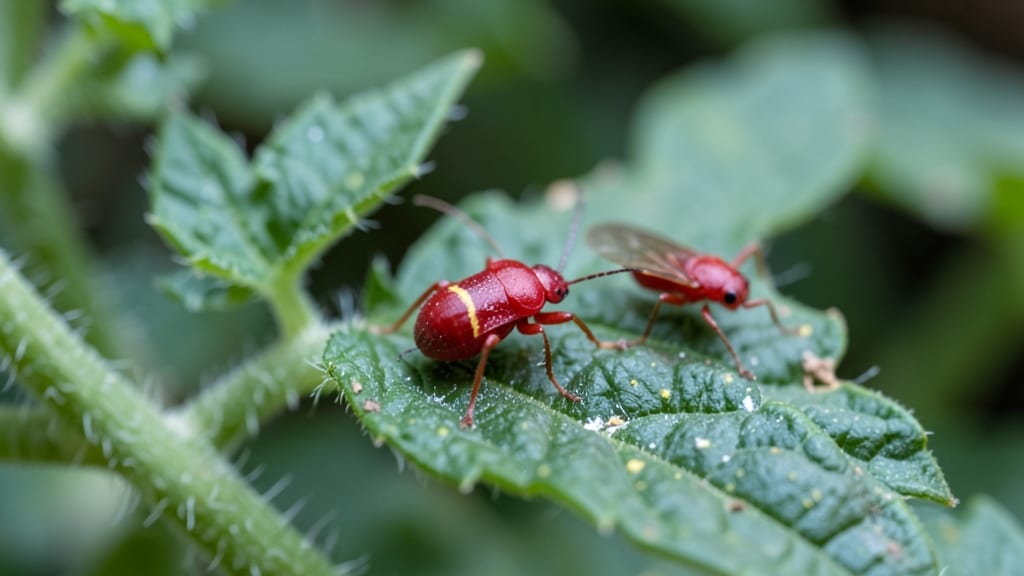
Those small red bugs on your tomato plants aren’t just annoying—they’re stealing your harvest before your eyes. 🌱 I’ve battled them for years, and I’ve learned which organic sprays actually work within 48 hours without harming your plants or the bees.
The damage starts small: silvery speckles on leaves, sticky residue, or leaves that curl like they’ve been crumpled. By the time you see the bugs themselves, they’ve already weakened your plants. Most gardeners grab the wrong spray first—here’s what actually stops them fast.
You’ll need a strong stream of water (for thrips), neem oil (for mites), or soapy water spray (for aphids). The key is consistency—check your plants twice daily for the first few days, and you’ll see them retreat within a week.
Prevention is easier than cleanup: mulch heavily, prune regularly, and plant basil nearby—it naturally repels the red pests. If they keep coming back, it’s time to call in reinforcements (or a pro).
Root Causes of Tiny Invaders
When you spot tiny red bugs feasting on your tomato plants, it’s rarely just bad luck—it’s usually a mix of environmental cues, plant stress, and natural pest behavior.
Understanding these triggers helps you disrupt their life cycle before they turn your garden into an all-you-can-eat buffet. Here’s why these pests show up in the first place:
Tomato plants under stress become prime targets for pests like aphids, spider mites, or red spider mites. Stressors include:
- Poor drainage: Soggy roots weaken defenses, making plants more attractive to sap-sucking bugs.
- Nutrient deficiencies: Low nitrogen or phosphorus levels reduce chlorophyll, making leaves less resilient.
- Overwatering or drought: Both extremes disrupt plant health, signaling pests that the plant is "easy prey."
- Physical damage: Pruning cuts or hail wounds create entry points for insects to colonize.
Why it matters: Healthy plants repel pests naturally through strong cell walls and chemical deterrents. When stressed, these defenses diminish, inviting infestations.
Red bugs thrive in specific climate windows. Here’s how weather plays a role:
| Pest Type | Ideal Conditions | Why They Move In |
|---|---|---|
| Red Spider Mites | Hot, dry air (85°F+ with low humidity) | Dry conditions cause plants to wilt, reducing their ability to produce sticky resin (a natural mite repellent). |
| Aphids | Mild, humid springs (50–75°F) | Humidity helps aphids reproduce faster, and new growth is sweeter, attracting more bugs. |
| Thrips | Warm nights (70°F+) with wind | Wind disperses thrips from nearby weeds or crops, and warm nights speed up their metabolism. |
Actionable fix: Monitor weather forecasts and water deeply in dry spells to deter mites, or use shade cloth in peak heat to protect plants.
In a balanced ecosystem, beneficial insects (like ladybugs, lacewings, or parasitic wasps) keep red bug populations in check. But when these predators are missing, pests explode. Common reasons:
- Pesticide overuse: Broad-spectrum chemicals kill both pests and their natural enemies.
- Monoculture gardening: Planting only tomatoes (or other solanaceous crops) eliminates diverse habitats for predator insects.
- Urban/suburban gardens: Fewer wildflowers or hedgerows mean fewer ladybugs or hoverflies to patrol your plants.
Pro tip: 🌸 Plant companion flowers like marigolds, alyssum, or dill near tomatoes to attract predator insects. Even a small patch of clover can make a difference!
Red bugs often hitchhike from infested plant debris, weeds, or nearby crops. If your garden is a mess, you’re rolling out the welcome mat:
- Old plant material: Mummified leaves or fallen fruit harbor eggs and larvae over winter.
- Weeds: Many red bugs (like thrips) thrive on weeds like purslane or chickweed before moving to tomatoes.
- Unwashed tools or pots: Contaminated gardening gear spreads pests to healthy plants.
Quick fix: 🔥 Clean up fallen leaves and rotate crops annually to starve out pests. Even a 10-minute weekly sweep of the garden bed removes hiding spots.
Now that you know why these bugs show up, the next step is organic removal strategies to kick them off your tomatoes—without harsh chemicals. Stay tuned!
Quick Fixes for Tiny Red Invaders
Discovering small red bugs munching on your tomato plants can feel like a garden nightmare—but don’t panic! These pests, whether aphids, thrips, spider mites, or harlequin bugs, are manageable with the right approach.
Below, we’ve mapped out targeted solutions based on the culprit, plus proactive steps to keep your plants thriving. Let’s reclaim your garden, organically, and fast!
Before grabbing tools, confirm the pest. Here’s a quick cheat sheet: | Bug Type | Look For | Damage Signs | |---------------------|---------------------------------------|-------------------------------------------| | Aphids | Tiny (1/16"), clustered, pear-shaped | Sticky residue ("honeydew"), curled leaves | | Thrips | Slender, 1/20", red/brown, fast-moving | Silver streaks on leaves, deformed fruit | | Spider Mites | Microscopic (red/yellow), webbing | Yellow stippling, fine webs on undersides | | Harlequin Bugs | 1/3" long, red/orange with black spots | Jagged leaf holes, wilted stems | #### 🔥 1. Aphids & Soft-Bodied Bugs Fix: These squishy pests hate water and soap! - Blast ‘Em Away 💦: Spray leaves (top and bottom) with a strong stream of water 2–3 times daily for 3 days. Aphids can’t swim! - Soapy Suds 🧼: Mix 1 tsp mild castile soap + 1 quart water in a spray bottle. Test on a small leaf first, then coat infested areas. Reapply every 4–5 hours until gone. - Neem Oil Bomb 🌿: Combine 1 tbsp neem oil + 1 tsp dish soap + 1 quart water. Spray at dusk to avoid harming bees. Repeat weekly for prevention. 💡 Pro Tip: Introduce ladybugs (sold online) or lacewings—they’re aphid-eating superheroes! #### 👨🍳 2. Thrips & Spider Mites Fix: These sneaky pests hide in cracks and multiply fast. Trap and suffocate them! - Sticky Traps 🕸️: Place blue or yellow sticky cards near plants to monitor and catch adults. Replace every 5–7 days. - Diatomaceous Earth (DE) 🏖️: Sprinkle food-grade DE lightly on soil and leaf undersides. It dehydrates mites but must stay dry—water it in after 24 hours. - Horticultural Oil 🛢️: Use refined oil (like JMS Stylet Oil) mixed per label instructions. Spray thoroughly at night to smother eggs and adults. Reapply every 5–7 days for 2 weeks. ✨ Prevention Hack: Mulch with straw to disrupt their life cycle and retain moisture (they hate humidity!). #### 🥘 3. Harlequin Bugs (The Tough Ones) Fix: These shielded bugs are resilient—hand-picking and barriers work best. - Handpick & Drop 🪰: Wear gloves and crush bugs into soapy water (they release a foul odor when squashed). Check under leaves and plant bases daily. - Row Covers 🛡️: Use fine mesh fabric (like Agribon) to block adults from laying eggs. Secure edges tightly. - Kaolin Clay 🏺: Mix 2 tbsp kaolin clay (like Surround WP) with water and spray on leaves. The clay repels bugs and reflects sunlight, stressing them out. 🌡️ Heat Trick: Harlequin bugs hate heat—set up a small fan near plants to deter them.An ounce of prevention beats a pound of pesticide. Try these garden habits to stay bug-free:
- Rotate Crops 🌱: Avoid planting tomatoes in the same spot yearly—bugs overwinter in soil.
- Interplant with Repellents 🌿: Surround tomatoes with basil, marigolds, or nasturtiums to confuse pests.
- Healthy Soil = Strong Plants 💪: Amend soil with compost and worm castings—stressed plants attract bugs!
- Prune for Airflow 🌬️: Trim crowded foliage to reduce hiding spots and speed up drying (bugs love damp leaves).
- Beneficial Insect Hotel 🏠: Install a solar-powered bug zapper or birdhouse to attract natural predators.
With these targeted fixes, your tomato plants will bounce back in no time—and you’ll enjoy pest-free harvests all season. 🍅✨ Ready to take action? Start with one method today and watch those red bugs retreat!
Frequently asked questions
Are those tiny red bugs actually harmful to my tomato plants?
Yes, they can be very damaging! Tiny red bugs like aphids, spider mites, or thrips suck plant sap, weakening leaves and reducing fruit production. Look for signs like curled leaves, sticky residue (honeydew), or yellow spots—these mean your plants are already stressed. Act fast to prevent permanent damage.
How do I tell if the red bugs are spider mites vs. aphids?
Check closely: spider mites are microscopic (red/yellow) and leave fine webbing, while aphids are tiny but visible (1/16") and cluster in groups. Spider mites thrive in dry heat, while aphids love humidity. Test by spraying water—aphids will wash away, but mites will hide.
Will neem oil really kill these bugs, or just repel them?
Neem oil disrupts their life cycle by smothering eggs and adults—it’s not just repellent! Mix 1 tbsp neem oil + 1 tsp soap + 1 quart water and spray at dusk. Reapply every 5–7 days for 2 weeks to break their breeding cycle. Always test on a small leaf first!
Can I use dish soap to kill these bugs without harming my tomatoes?
Yes, but use it carefully! Mix 1 tsp mild castile soap + 1 quart water and spray directly on bugs (avoid flowers). Test on a leaf first—some tomato varieties are sensitive. Reapply every 4–5 hours until pests disappear. Soap kills by dehydrating them, but it’s not a long-term fix.
What’s the fastest way to stop an infestation before it spreads?
Isolate affected plants immediately and blast bugs with water 2–3 times daily for 3 days. For stubborn pests, combine neem oil + diatomaceous earth (sprinkle lightly on soil). Check nearby plants daily—early action prevents a full-blown outbreak. Most infestations clear within 1 week with consistent treatment.