
How To
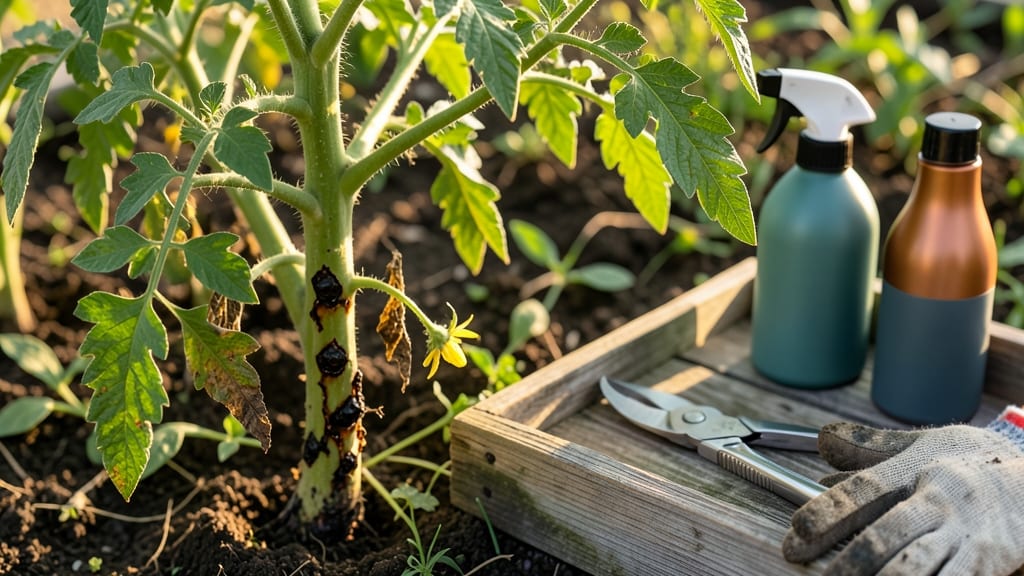
Your tomatoes are wilting overnight—not from drought, but from stem canker, a sneaky fungal disease that turns crisp stems to mush. 🌱 I’ve fought this in my own garden, and the good news is you can still save your plants with the right moves.
The first step is spotting the telltale signs: sunken, discolored patches on stems that ooze when pressed, and leaves that droop like they’ve given up. The cause? Too much moisture on stems—whether from rain, overhead watering, or crowded plants.
Fungal spores lurk in soil and splatter onto stems, especially in hot, humid weather.
But here’s the game-changer: prune infected stems below the lesion with sterilized shears, then apply a baking soda spray (1 tsp baking soda + 1 quart water + a drop of dish soap) to stop the spread. Repeat every 3–4 days until new growth appears.
Within 7–10 days, you’ll see fresh, firm stems pushing out, and the plant will bounce back—if you catch it early. The key is acting fast: remove all infected debris, space plants for airflow, and water at the base, never the leaves.
This isn’t just damage control; it’s a reset for your tomato plants. Works for all tomato varieties, from cherry to heirloom, and keeps your garden productive without harsh chemicals. Here’s how to do it right the first time.
Why it happens
H2: The Hidden Triggers Behind Plant Stress
When your tomato plants start wilting or developing dark, sunken lesions on their stems, tomato stem canker (often caused by Didymella lycopersici or Phoma lycopersici) is likely the culprit. But what sets the stage for this destructive fungal disease?
Understanding the root causes—literally and figuratively—helps you prevent it before it strikes. Below, we break down the key factors that turn your lush tomato plants into wilted casualties.
🌡️ Warm, Damp Weather Patterns
The fungus responsible for stem canker thrives in humid, warm conditions, particularly when temperatures hover between 60°F to 80°F (15°C to 27°C). Here’s why:
- Excess moisture: Prolonged leaf wetness (especially overnight) creates the perfect breeding ground for fungal spores. Rain, overhead irrigation, or even morning dew can keep stems damp for hours, encouraging spore germination.
- Slow drying: Dense foliage or poor airflow traps moisture against stems, preventing them from drying quickly after watering. The fungus exploits this stagnant environment to invade plant tissues.
- Seasonal spikes: Late spring and early summer are peak risk periods when warm days and cool nights create ideal conditions for fungal growth.
Actionable tip: 💡 Space plants 18–24 inches apart to improve airflow, and water early in the day so foliage dries by evening.
🌱 Weakened Plant Defenses
Healthy tomato plants resist infections better, but stress from poor nutrition, overcrowding, or physical damage leaves them vulnerable. Here’s how it happens:
- Nutrient deficiencies: Low levels of potassium, calcium, or phosphorus weaken cell walls, making it easier for fungi to penetrate stems. For example, calcium deficiency (common in sandy soils) causes blossom-end rot in fruits but also compromises stem integrity.
- Overcrowding: Plants competing for resources produce thinner stems and dense canopies, which trap moisture and limit sunlight—both of which fuel fungal growth.
- Physical trauma: Pruning wounds, hail damage, or even rough handling during transplanting create entry points for spores. The fungus exploits these openings like a backdoor.
Actionable tip: 🔥 Side-dress plants with compost or a balanced organic fertilizer (like 5-5-5) in early spring to bolster defenses. Avoid over-pruning—opt for strategic thinning to maintain airflow.
🍄 Fungal Spores in the Environment
Stem canker doesn’t appear out of nowhere—it’s often already lurking in your garden or greenhouse. Here’s how spores spread:
- Surviving debris: The fungus overwinters in infected plant residue (stems, leaves, or even old mulch). If you don’t remove and destroy last year’s plant material, spores can reinfect new plants.
- Contaminated tools: Pruners, trellises, or stakes used on infected plants can carry spores to healthy ones. Even water splashing from infected to healthy plants spreads the disease.
- Wind and water: Spores hitch rides on wind currents or rain splashes, landing on stems and germinating when conditions are right.
Actionable tip: ✨ Sterilize tools with 70% isopropyl alcohol or a 10% bleach solution between uses. Rotate crops yearly and practice clean-up hygiene: remove and compost (not reuse) infected plant debris.
🌿 Poor Soil Drainage or Compaction
Waterlogged or compacted soil creates the perfect storm for fungal infections. Here’s the science:
- Oxygen deprivation: Poor drainage suffocates roots, stressing the plant and reducing its ability to fight off pathogens. Fungi like Didymella thrive in low-oxygen environments.
- Cold, soggy stems: Excess soil moisture keeps stems damp longer, promoting spore germination. Compacted soil also slows water evaporation, prolonging moisture exposure.
- Nutrient leaching: Overwatering washes away essential minerals, further weakening plant immunity.
Actionable tip: 🌡️ Test your soil’s drainage by digging a 6-inch hole and filling it with water—if it doesn’t drain within 4 hours, amend with compost or sand. Raise beds or use containers for heavy clay soils.
Fixing Wilted Tomato Plants Fast
Tomato stem canker can turn your thriving garden into a sad, drooping mess—but don’t panic! With the right approach, you can nurse your plants back to health and even prevent future outbreaks. Below are targeted solutions for each common cause, along with prevention tips to keep your tomatoes strong.
---
Cause: Fungal spores spread quickly, especially in wet or crowded conditions.
How to Fix It: - 🔪 Snip and toss: Use clean, sharp pruners to cut off only the affected stems (not the whole plant) if the disease is localized. For severe cases, remove the entire plant and dispose of it in the trash (not compost). - 🧼 Sterilize tools: Wipe pruners with rubbing alcohol or a 10% bleach solution (1 part bleach to 9 parts water) before and after use to prevent cross-contamination. - 🚫 Quarantine: Keep infected plants at least 10 feet away from healthy tomatoes to slow spread.
Prevention Tip: 💡 Rotate crops—never plant tomatoes (or related plants like peppers) in the same spot for 3–4 years to break the fungus’s life cycle.
---
Cause: Overwatering or poor soil drainage creates the perfect breeding ground for canker-causing fungi.
How to Fix It: - 💧 Adjust watering habits: Water deeply but infrequently—aim for 1–1.5 inches per week (including rain). Use a drip irrigation system or soaker hose to keep foliage dry. - 🏗️ Amend soil: Mix in compost or aged manure to improve drainage. If your soil is heavy clay, add sand or perlite (1 part to 3 parts soil). - 🌱 Elevate plants: If using containers, ensure pots have drainage holes. For in-ground plants, consider raised beds to prevent waterlogging.
Prevention Tip: 🌡️ Water in the morning so foliage dries quickly—fungi love damp leaves!
---
Cause: Fungal spores thrive when left unchecked. Early intervention is key!
How to Fix It: - 🍄 Copper-based sprays: Use copper fungicide (like Bordeaux mixture or copper sulfate) every 7–10 days until new growth appears. Follow label instructions for dilution. - 🌿 Neem oil spray: Mix 1 tsp neem oil + 1 tsp mild soap + 1 quart water. Spray affected stems and undersides of leaves at dusk (avoid direct sun). Repeat every 5–7 days for 2–3 weeks. - 🍅 Baking soda solution: For mild cases, spray a homemade mix (1 tbsp baking soda + 1 tsp oil + 1 gallon water) every 10 days to raise pH and inhibit fungi.
Prevention Tip: ✨ Preventative spray: Apply neem oil or copper fungicide every 2 weeks during humid seasons to stop spores before they take hold.
---
Cause: Weak, stressed tomatoes are more susceptible to diseases.
How to Fix It: - 💪 Fertilize smartly: Use a balanced organic fertilizer (like fish emulsion or compost tea) to boost plant health. Avoid high-nitrogen fertilizers—they encourage leafy growth at the expense of stem strength. - 🍅 Prune properly: Remove lower leaves touching the soil to improve airflow and reduce humidity around stems. - 🌿 Mulch correctly: Apply 2–3 inches of straw or wood chips (not fresh mulch, which can harbor fungi) to keep soil moist but stems dry.
Prevention Tip: 🎯 Hardening off seedlings: Gradually expose young plants to outdoor conditions to build resilience before transplanting.
---
Cause: Advanced canker can cause irreversible stem damage, but you can still salvage some plants.
How to Fix It: - 💦 Hydrate deeply: If stems are partially wilted but not blackened, soak the soil with water to rehydrate roots. Avoid overhead watering. - 🌱 Propagate healthy cuttings: If the top of the plant is still green, cut just above a healthy node, dip in rooting hormone, and propagate in sterilized potting mix. - 🛑 Accept losses: If the entire stem is mushy or black, it’s best to remove the plant to protect others.
Prevention Tip: 🔥 Monitor daily: Check stems every 2–3 days during humid weather for early signs (yellowing, wilting, or dark lesions).
--- Final Pro Tip: 🚨 Act fast! The sooner you treat tomato stem canker, the better the chances of saving your plants. Combine prevention (rotation, drainage, spacing) with treatment (copper sprays, neem oil) for the best results. Your tomatoes will be back to thriving in no time!
Frequently asked questions about tomato stem canker
What does tomato stem canker look like on my plants?
Start by checking for dark, sunken lesions on stems that may ooze when pressed. The affected areas often turn brown or black, and leaves above the lesion will wilt or yellow as the fungus blocks water flow. Unlike blight, the damage is localized to stems rather than spreading across leaves.
Can I save my tomato plant if it already has stem canker?
Yes, but act fast! Prune only the infected stem sections (cut ½ inch below the lesion) with sterilized shears. For mild cases, apply a copper fungicide spray or neem oil mixture every 5-7 days. If more than 50% of the stem is damaged, removal may be the only option to protect other plants.
Why does my tomato plant suddenly wilt when it's well-watered?
Stem canker blocks the plant's water transport system, causing wilting even with adequate soil moisture. The fungus creates internal blockages in the stem's vascular tissue, similar to a clogged pipe. Check stems for darkened, sunken areas—this is your key clue that water isn't reaching the leaves.
How can I prevent stem canker in my garden next season?
Start with crop rotation—don't plant tomatoes in the same spot for 3-4 years. Improve airflow by spacing plants 18-24 inches apart, and water at the base only (never overhead). Apply compost mulch to keep stems dry, and sterilize all tools between uses with rubbing alcohol.
Will baking soda really help treat tomato stem canker?
For mild cases, yes! Mix 1 tablespoon baking soda + 1 teaspoon oil + 1 gallon water and spray on stems every 10 days. The baking soda raises the pH slightly, creating an environment fungi dislike. While not a cure-all for advanced cases, it's an excellent preventative measure when used alongside proper garden hygiene.