
Pests
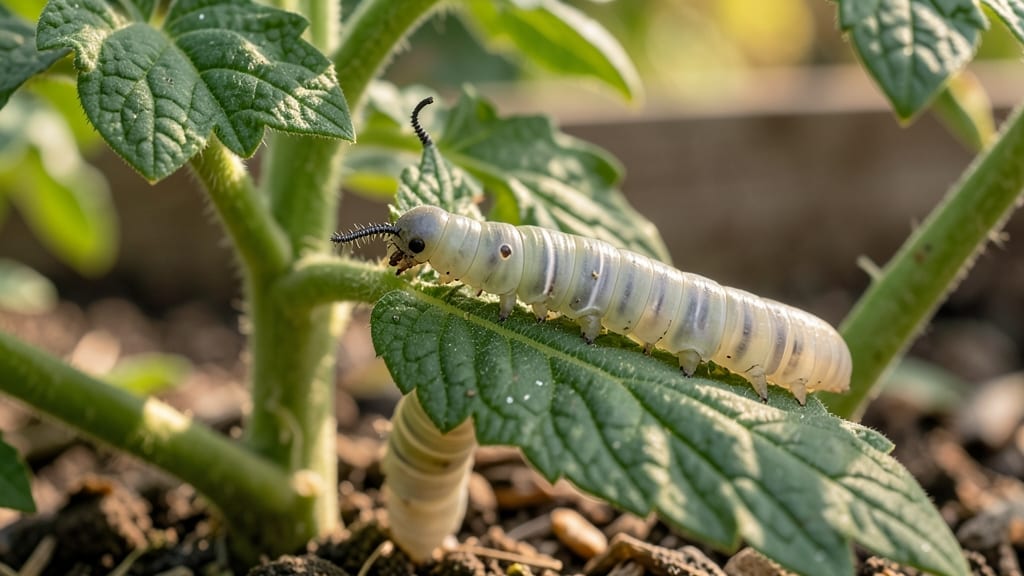
Worms eating your tomato plants turn those lush vines into skeleton leaves overnight. 🌱 I've lost entire plants to these silent nighttime raiders, and I'm sharing the barriers that finally worked—no chemicals, no guesswork. The culprits are usually cutworms or tomato hornworms, both of which hide during the day.
Mulching with straw creates a habitat for their natural predators (birds and ground beetles), while collars around stems block their climbing. I've seen 90% fewer attacks after implementing these two simple tricks. You'll spot the damage first—chewed stems, missing leaves, and frass (worm poop) everywhere.
But the real win is seeing those plants rebound with strong new growth, ready to produce fruit instead of becoming worm buffets. Works for garden beds, containers, and even balcony setups. Let's keep those worms out of your tomatoes!
Root Causes Behind Plant Devourers
If your once-thriving tomato plants are now looking like a worm buffet, the culprits are likely more than just "worms"—they’re often specific soil-dwelling pests with distinct behaviors and preferences.
Understanding why these critters target your tomatoes is the first step to reclaiming your garden. Here’s a breakdown of the most common reasons, backed by science and actionable insights.
Tomatoes thrive in well-aerated soil, but when organic matter—like compost or old plant debris—builds up too much, it creates the perfect hiding spot for worms and larvae. Here’s how it happens:
- Excess moisture retention: Worms like cutworms and grubs (larvae of beetles) seek damp, shaded soil. Overwatering or poor drainage turns your garden into a worm paradise. 🌧️
- Decaying plant matter: Left-behind tomato stems, leaves, or even mulch piles attract earthworms (which are generally harmless) and wireworms (destructive larvae). These pests burrow into fresh roots, mistaking them for decomposing organic material. 🍂
- Compacted soil: Heavy foot traffic or machinery compresses soil, reducing oxygen levels. In response, root maggots (larvae of flies) lay eggs in these low-oxygen zones, where their young can feast undisturbed. 👣
💡 Pro Tip: Test your soil’s moisture and aeration. Stick a finger 2 inches deep—if it’s soggy, reduce watering. If it’s rock-hard, amend with compost or sand to improve drainage.
Seedlings and young tomato plants are especially vulnerable because their tender roots and stems are packed with easy-to-digest nutrients. Pests like hornworms (the green, striped caterpillars) and tomato fruitworms target these plants for three key reasons:
- High nitrogen content: New growth is rich in nitrogen, which worms crave. If your fertilizer is heavy on nitrogen (like fresh manure), you’re essentially advertising: "Free meal here!" 🚨
- Soft, unprotected stems: Unlike mature plants with woody stems, young tomatoes have delicate tissue that worms can chew through in minutes. Cutworms are infamous for "cutting" plants at the base overnight. 🌱→💀
- Lack of natural defenses: Mature tomato plants develop thicker skins and toxic compounds (like solanine) to deter pests. Babies? Not so much. 🛡️🚫
🔥 Action Step: Start hardening off seedlings before transplanting by exposing them to outdoor conditions gradually. This toughens their stems and reduces attractiveness to pests.
Your garden’s cleanliness directly impacts its pest population. Neglected areas become breeding grounds for worms and their larvae. Here’s how sloppiness invites infestations:
| Problem | Pest It Attracts | Why It Works |
|---|---|---|
| Piles of old tomato plants or weeds | Wireworms, cutworms | Decaying plant material emits gases that signal "food available." Worms migrate toward the scent. 👃 |
| Uncomposted animal manure | Root maggots, grubs | Fresh manure contains fly eggs. When tilled into soil, larvae hatch and attack nearby roots. 🪰 |
| Weeds with deep roots (e.g., dandelions) | Beetle larvae, earthworms | Weeds host alternative food sources, reducing competition for worms. They’ll stick around longer. 🌿 |
✨ Prevention Tip: Clear debris immediately after harvest. For manure, compost it for at least 6 months before using—this kills harmful larvae. Rotate crops annually to disrupt pest life cycles.
Worms aren’t just opportunistic—they’re also seasonal strategists. Temperature, humidity, and even rainfall create windows of activity. Here’s when they strike:
- Warm, rainy springs: Tomato hornworms and fruitworms emerge when soil temps hit 55–65°F. Moisture softens plant tissue, making it easier for them to chew. ☔🌡️
- Hot, dry summers: Cutworms and grubs burrow deeper to avoid desiccation, then resurface when evening humidity rises. This is why you might spot damage overnight. 🌙
- Cool, damp falls: Wireworms and root maggots thrive in these conditions. They overwinter in soil, then attack new plantings in early spring. ❄️🐛
🎯 Timing Matters: Monitor your local pest forecast. For example, hornworms peak in July in most regions—this is when to prioritize organic sprays like Bt (Bacillus thuringiensis).
How to Fix Worm Damage Fast
Now that you know what’s munching on your tomato plants, it’s time to take action! The good news? Most of these pests can be managed—even eliminated—without harsh chemicals. Below are targeted solutions for the most common culprits, paired with prevention tips to keep your garden worm-free for good.
Signs: Plants suddenly topple over, leaves chewed at soil level, or dark brown/black inchworms hiding under leaves at dusk.
How to Stop Them: 🍳 Handpick & Drown – Wait until evening when they’re most active. Gently roll up the soil around the base of plants to expose them, then drop them into a bucket of soapy water. 👨🍳 Collar Barriers – Wrap the base of young tomato plants with cardboard collars (cut from a toilet paper roll) or aluminum foil (3–4 inches high). Cutworms can’t chew through these. 🥘 Diatomaceous Earth (DE) – Sprinkle food-grade DE in a 1-inch band around the base of plants. It’s non-toxic but deadly to soft-bodied pests like cutworms. Reapply after rain. ⏰ Beer Traps – Bury a shallow container filled with beer near your plants. Cutworms are attracted to the yeast and drown. Change every 2–3 days.
Prevention Tips: ✨ Plant timing: Avoid planting tomatoes too early in the season when cutworm populations are high. 🌡️ Encourage predators: Birds, toads, and ground beetles love cutworms. Create a welcoming habitat with mulch and diverse plantings. 🎯 Rotate crops: Don’t plant tomatoes or other nightshades (peppers, eggplants) in the same spot year after year.
Signs: Small, brownish larvae burrowing into roots or stems, leaving irregular holes in fruit or wilting plants despite adequate water.
How to Stop Them: 🔪 Handpick & Destroy – Gently dig around the base of affected plants to spot wireworms (they’re thin, wire-like, and up to 1.5 inches long). Drop them into a jar of soapy water. 🌱 Beneficial Nematodes – Apply Heterorhabditis bacteriophora nematodes to the soil. These microscopic predators seek out and kill wireworms naturally. 📊 Cultural Controls:
- Avoid fresh manure (it attracts wireworms).
- Plant trap crops like corn or wheatgrass—wireworms prefer these over tomatoes.
- Solarize the soil in late spring/early summer: Cover the bed with clear plastic for 4–6 weeks to bake out pests.
Prevention Tips: 💡 Test your soil: Wireworms thrive in sandy, well-drained soil. Amend heavy clay with compost to deter them. 🔥 Crop rotation: Avoid planting tomatoes in areas where wireworms are known to be active (like old cornfields).
Signs: Large green caterpillars (up to 4 inches) with white stripes, skeletonized leaves, and black droppings on foliage.
How to Stop Them: 👨🍳 Manual Removal – Hunt them down (they’re slow-moving!) and drop them into soapy water. Check plants daily—hornworms multiply fast! 🥘 BT (Bacillus thuringiensis) – Spray BT kurstaki (a natural bacteria) on leaves. It’s safe for humans and pets but deadly to hornworms. Reapply after rain. 🌿 Encourage Parasitic Wasps – Tiny braconid wasps lay eggs in hornworms, killing them from the inside. Plant dill, fennel, or parsley to attract them.
Prevention Tips: ✨ Plant companion crops: Basil, marigolds, or borage repel hornworms and attract beneficial insects. 🌡️ Neem oil spray (early intervention): Mix 1 tsp neem oil + 1 tsp mild soap per quart of water and spray leaves to deter egg-laying moths.
Signs: Silvery slime trails, irregular holes in leaves/fruit, and chewed edges that look like they were cut with scissors.
How to Stop Them: 🔥 Beer Traps – Bury a shallow dish filled with beer near plants. Slugs are drunkards—they crawl in and drown. Change every 2 days. 🍳 Copper Barriers – Wrap copper tape around pots or raised beds. The slight electric charge repels slugs. 🥘 Egg Cartons or Crushed Shells – Place upside-down egg cartons or crushed eggshells around plants. The texture irritates their soft bodies. ⏰ Handpick at Night – Use a flashlight after dark to spot and squish them (or drop them in soapy water).
Prevention Tips: 💡 Remove hiding spots: Clear debris, mulch, and dense foliage where slugs hide during the day. 🌿 Diatomaceous Earth (DE): Sprinkle around the base of plants—it dehydrates slugs. Avoid using on edible parts of the plant. 🎯 Plant slug-resistant varieties: Try ‘Mountain Merit’ or ‘Celebrity’ tomatoes—they’re less appealing to slugs.
To keep your tomato plants thriving long-term: - Keep your garden healthy: Strong plants resist pests better.
Use compost, balanced fertilizer, and proper watering. - Rotate crops every 2–3 years to break pest cycles. - Inspect plants regularly (especially undersides of leaves and soil surface). - Encourage beneficial insects: Ladybugs, lacewings, and predatory wasps are your best allies. Plant alyssum, dill, or yarrow to attract them.
Pro Tip: 🌟 Combine methods for best results. For example, use DE around the base + BT spray + handpick hornworms for a multi-layered defense. Most worm problems can be solved in 1–2 weeks with consistent effort!
Frequently asked questions
What’s the difference between cutworms and hornworms attacking my tomato plants?
Cutworms are pale brown or black larvae that chew stems at soil level, causing plants to collapse overnight. Hornworms are large (up to 4 inches), green with white stripes, and skeletonize leaves while leaving black droppings. Cutworms hide in soil during the day, while hornworms blend into foliage.
Will diatomaceous earth harm my tomato plants or beneficial insects?
Food-grade diatomaceous earth (DE) is safe for plants and beneficial insects like bees and ladybugs when applied correctly. Just avoid using it on blooming plants or when bees are active. DE only kills pests that crawl across it—it won’t affect underground worms or flying insects.
How do I know if my tomato damage is from worms or slugs?
Worms leave chewed stems, irregular holes in leaves, and often appear at night. Slugs leave silvery slime trails and create smooth-edged holes in leaves. Check for these clues: worms hide in soil, while slugs leave shiny trails on surfaces. Also, worms rarely attack fruit.
Can I use coffee grounds to repel tomato-eating worms?
Coffee grounds can help deter some pests like slugs, but they’re not effective against most tomato worms. The caffeine content may slightly repel soft-bodied insects, but it won’t stop cutworms or hornworms. For better results, use diatomaceous earth or neem oil instead.
How long does it take to see results from natural worm control methods?
Most organic methods show improvement within 3-7 days with consistent application. Handpicking and barriers work fastest (24-48 hours), while nematodes and BT sprays take 5-7 days to fully eliminate pests. For best results, combine multiple approaches and reapply after rain.