
Pests
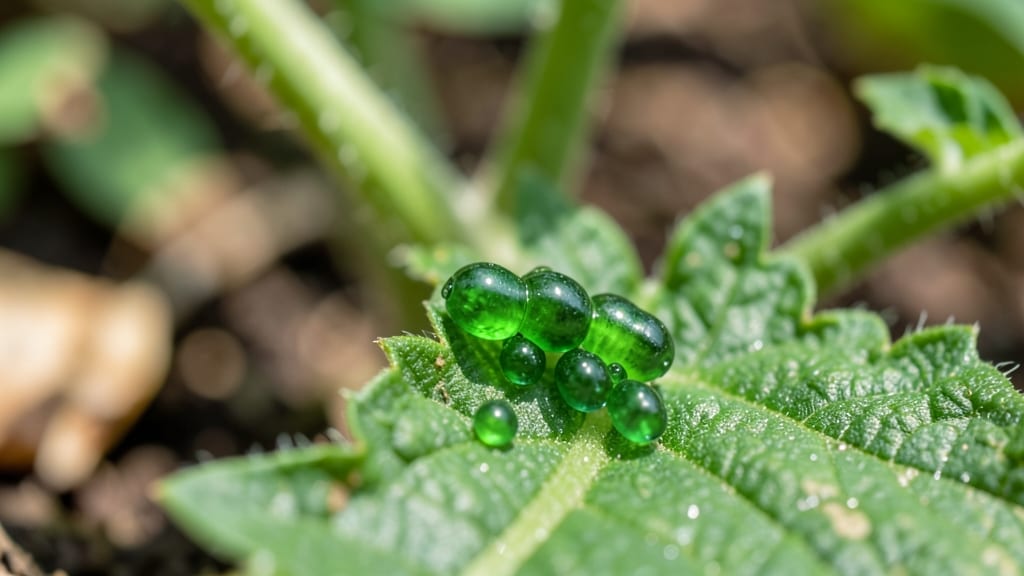
That black speckled tomato worm poop on your tomato leaves isn’t dirt—it’s hornworm frass, and it’s a sign your plants are under siege. 🌱 I’ve seen entire tomato plants stripped bare by these striped caterpillars, but there’s a silver lining: their poop is actually a clue to stopping them fast.
The damage starts small—tiny black dots on leaves—but if ignored, hornworms will devour your tomatoes in days. The good news? You don’t need harsh chemicals to win. Handpicking worms (yes, it’s gross but effective) and introducing natural predators like parasitic wasps can turn the tide in just a few days.
By the end of this, you’ll spot the early signs, know exactly how to remove the pests, and protect your harvest without harming your garden’s ecosystem. The key is acting fast—before those worms turn your lush plants into skeleton leaves.
Works for any tomato variety, from cherry to beefsteak, and keeps your garden thriving without toxic sprays. Let’s get those plants back to their full, vibrant selves.
The Real Culprits Behind Tiny Droppings
If you’ve spotted tiny black specks resembling tomato worm poop on your plants, you’re likely dealing with hornworm larvae—the hungry caterpillars of the sphinx moth. These voracious eaters leave behind more than just chewed leaves; their droppings are a telltale sign of an infestation.
But why does this happen? Let’s break down the science and behaviors driving this pest problem.
Hornworms thrive in warm, humid conditions—ideal for tomato gardens. A single female moth can lay up to 2,000 eggs in her lifetime, and these caterpillars grow rapidly, molting five times before pupating. With no natural predators early in the season, their numbers can explode overnight.
Each hornworm consumes 1–2 square inches of leaf tissue per day, and their waste (those tiny black pellets) accumulates as they feed.
Why it matters: The more hornworms, the more poop—and the faster your tomato plants weaken. Without intervention, they can defoliate a plant in just 3–5 days.
Hornworm moths are drawn to lush, healthy tomato plants because they provide the perfect nursery for their larvae. If your garden has:
- ✅ Unpruned, overgrown foliage (moths hide in dense leaves to lay eggs)
- ✅ Weeds or volunteer plants (alternative hosts like peppers or eggplants)
- ✅ Stale fertilizer residues (excess nitrogen = softer leaves = easier meals)
You’re essentially rolling out the red carpet for these pests. Moths lay eggs on the undersides of leaves, where they hatch into hornworms within 3–5 days. Once they emerge, their feeding—and pooping—begins.
Hornworms are cold-blooded, meaning their metabolism accelerates in heat. When temperatures hover between 70–85°F (21–29°C) and humidity is high:
- 🔥 Eggs hatch faster (3–4 days instead of 5+)
- 🍽️ Larvae eat more aggressively (growth rate doubles)
- 💩 Poop production increases (more waste = more visible droppings)
In dry or cool weather, their activity slows, but their droppings become stickier and darker, making them easier to spot on leaves.
Hornworms have a short window of vulnerability—the first 1–2 weeks of their larval stage. After that, they grow too large for birds, parasitic wasps, and other predators to control them effectively. Common natural enemies include:
- 🐦 Chickadees and robins (eat small larvae)
- 🪰 Braconid wasps (lay eggs inside hornworms, killing them)
- 🦋 Ladybugs and lacewings (prey on eggs)
If your garden lacks these predators (due to pesticide use, habitat loss, or timing), hornworms multiply unchecked, leading to visible poop trails and damaged plants.
Tomatoes under stress—from drought, overwatering, or nutrient deficiencies—produce softer, more tender leaves, which hornworms love. Stressed plants also emit volatile compounds that attract moths looking for easy meals. Signs your tomatoes are vulnerable:
- 💧 Yellowing leaves (overwatering or nutrient imbalance)
- 🌞 Sunburnt patches (underwatering + heat stress)
- 🍅 Stunted growth (root issues or pest damage)
Weak plants can’t fight off hornworms, leading to heavier feeding—and more poop—as the caterpillars strip foliage.
Quick Fixes for Tomato Worm Problems
Got tomato worms wreaking havoc in your garden? 🐛🌱 Their droppings—those tiny black specks on your tomatoes—are just the tip of the iceberg. The real issue is the damage they cause to your plants, leaving behind chewed leaves, stunted growth, and even rotten fruit.
But don’t worry! With the right approach, you can tackle these pests fast and keep your tomato harvest thriving. Below, we’ve broken down practical, natural solutions based on the root cause of your problem, plus tips to prevent future infestations.
---
Before jumping into fixes, confirm you’re dealing with tomato worms (likely hornworms or fruitworms). Check for: - Black droppings on leaves or fruit (a dead giveaway!). - Large green caterpillars (hornworms) or smaller, striped larvae (fruitworms). - Holes in leaves or partially eaten tomatoes.
If it’s a match, let’s get to work!
---
#### 1. Manual Removal: The Fastest Fix If you’ve spotted the worms, pick them off by hand—it’s the most effective and chemical-free method.
Here’s how: - 🔍 Hunt at dawn or dusk when worms are sluggish (they’re easier to spot!). - 🧤 Wear gloves (some gardeners find hornworms slimy or uncomfortable). - 🪰 Drop them in soapy water (a bucket of water + a few drops of dish soap) to kill them instantly. - 🌿 Check daily—new eggs hatch every few days, so vigilance is key!
Pro Tip: 💡 Train your kids or pets to help! Kids love the "gross factor" of squishing worms, and it’s a great way to teach them about garden ecology.
---
#### 2.
Natural Predators: Let Nature Do the Work Encourage beneficial insects that eat tomato worms: - 🐞 Ladybugs (devour eggs and young larvae). - 🦋 Parasitic wasps (lay eggs inside hornworm larvae—they’ll hatch and eat the worm from the inside out!). - 🐸 Frogs and toads (love munching on small caterpillars).
How to attract them: - 🌼 Plant companion flowers like marigolds, dill, or fennel near your tomatoes. - 💧 Avoid pesticides—they kill both pests and predators. - 🌿 Add a small water source (a shallow dish with pebbles) to attract frogs.
Pro Tip: 🌡️ If you spot white cocoons on hornworms, don’t squish them—that’s a parasitic wasp pupa! Let it finish its life cycle.
---
#### 3.
Organic Sprays: Non-Toxic Defense For larger infestations, spray your plants with these safe, effective options: - 🍋 Neem oil spray (disrupts worm feeding and growth). - Mix: 1 tbsp neem oil + 1 tsp mild soap + 1 quart water. - Spray every 5–7 days (especially after rain). - 🌿 Bacillus thuringiensis (Bt)—a natural bacteria that kills caterpillars but is harmless to humans and pets. - Follow package instructions (usually 1 tbsp per gallon of water). - Reapply after rain (it washes off quickly). - 🥬 Spicy pepper spray (hot peppers repel worms). - Blend: 1–2 hot peppers + 1 quart water + 1 tsp dish soap. - Strain and spray on leaves (avoid fruit if eating raw).
Pro Tip: ✨ Spray early in the morning to avoid harming bees and other pollinators.
---
#### 4.
Physical Barriers: Keep Worms Out Prevent eggs from hatching or worms from climbing onto plants: - 🧢 Row covers (lightweight fabric over tomato plants) block adult moths from laying eggs. - 🥄 Collars around stems (crushed cardboard or aluminum foil) stop worms from crawling up from the soil. - 🍅 Prune lower leaves (worms love hiding there—keep foliage 6+ inches above the ground).
Pro Tip: 🎯 Rotate crops—don’t plant tomatoes in the same spot yearly. Worms overwinter in the soil!
---
#### 5. Trap Crops: Sacrificial Plants Plant basil or dill near your tomatoes—tomato worms prefer these over your prized fruits. Once infested, remove and destroy the trap plants (don’t compost them!).
--- Stop worms before they start with these long-term strategies: - 🌱 Start with healthy seedlings—buy from reputable nurseries or grow from seeds. - 🕰️ Plant early or late—worms thrive in warm weather, so June or August plantings often escape peak infestations. - 🌿 Interplant with herbs like thyme, oregano, or sage (their strong scents deter moths). - 🕵️ Monitor weekly—check undersides of leaves and fruit for eggs (tiny white ovals).
--- - ❌ Don’t use chemical pesticides—they harm bees, butterflies, and other beneficial insects. - ❌ Don’t ignore early signs—the longer you wait, the worse the infestation gets. - ❌ Don’t compost infested plants—worms or eggs can survive and reinfest your garden.
--- With these fast, natural methods, you’ll have your tomato plants back in tip-top shape in no time—no gross black poop in sight! 🍅✨ Whether you’re a hands-on gardener or prefer letting nature take care of the problem, there’s a solution that fits your style. Happy planting!
Frequently asked questions about tomato worm droppings
What do tomato worm droppings look like?
Tomato worm droppings (frass) appear as tiny, black or dark brown specks scattered on leaves and fruit. They’re usually 1–3mm in size and resemble fine grains of pepper. Look for these near chewed leaf edges or on stems—it’s a clear sign of hornworms or fruitworms feeding.
Are tomato worm droppings harmful to my plants?
While the droppings themselves aren’t toxic, they’re a warning sign of a bigger problem. The worms produce them while eating leaves and fruit, which weakens your plants. The real damage comes from the caterpillars’ feeding—leaving holes in leaves and potentially ruining your harvest if left unchecked.
How do I tell if the droppings are from tomato worms vs. other pests?
Compare the droppings to these clues: Hornworm frass is small, black, and pepper-like, while aphid poop (honeydew) is sticky and clear. Check for large green caterpillars (hornworms) or striped larvae (fruitworms) near the droppings. If you see both, it’s definitely a tomato worm infestation.
Can I use the droppings as fertilizer?
No, never use tomato worm droppings as fertilizer. They contain larval waste and potential pathogens that can harm your plants. Instead, remove infested leaves and dispose of them in the trash (not compost). Focus on eliminating the worms first to protect your garden’s health.
Why do I see more droppings after rain?
Rain triggers two things: faster worm feeding (they’re more active in moist conditions) and washed-off droppings that become visible on leaves. The extra humidity also speeds up egg hatching, leading to more worms—and more poop. After rain, inspect plants closely and treat with neem oil or Bt spray to break the cycle.