
Plants
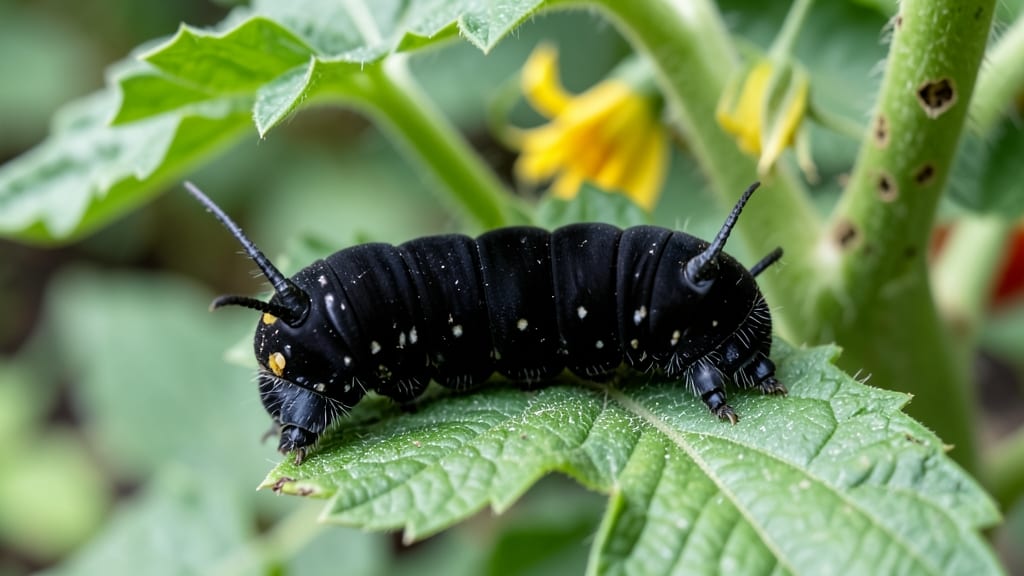
Black caterpillars devouring your tomato plants overnight? 🌱 I’ve watched these hungry pests strip entire vines in just 24 hours, and neem oil spray is the fastest way to stop them without harsh chemicals.
These aren’t your average worms—they’re likely tomato hornworms, and they multiply faster than you can say "harvest lost." The damage is obvious: skeletonized leaves, missing fruit, and plants that look like they’ve been attacked by a swarm.
But here’s the good news: neem oil disrupts their feeding within hours, not days. You’ll see them drop off plants almost immediately, and new growth will start recovering faster than you expect.
What you’ll need is simple: 1 tablespoon of neem oil, a teaspoon of mild soap, and a gallon of water. Mix it up, spray it on (especially under leaves where they hide), and repeat every 3-5 days until they’re gone.
The key is consistency—these caterpillars are sneaky, and they’ll return if you don’t stay ahead. This method works for hornworms, beet armyworms, and other black caterpillars too. Plus, it’s safe for bees and beneficial insects once dry. Let’s get those tomatoes back on track!
Root Causes Of Tomato Plant Invaders
When you spot black caterpillars munching away on your tomato plants, it’s rarely just bad luck—it’s usually a mix of environmental factors, plant health, and insect behavior.
Understanding these triggers helps you take precise action to protect your harvest. Below, we break down the most common reasons these pests show up in your garden.
Healthy tomato plants are less appealing to hungry caterpillars. When your plants are stressed—due to nutrient deficiencies, overwatering, or disease—they become easier targets. Here’s why:
- Weak foliage: Caterpillars prefer tender, nutrient-rich leaves. If your tomato plants lack nitrogen or phosphorus, they grow slower and softer, making them a buffet for pests.
- Overwatered soil: Excess moisture creates the perfect breeding ground for fungal diseases (like early blight), which weaken plants and attract insects seeking damaged tissue.
- Disease presence: Fungal or bacterial spots on leaves release volatile compounds that signal caterpillars to feed. For example, Alternaria solani (a common tomato pathogen) can make plants more vulnerable.
💡 Pro Tip: Conduct a soil test to check nutrient levels. Amend soil with compost or a balanced fertilizer (like 10-10-10) to strengthen plant defenses before pests arrive.
Caterpillars are part of a larger ecosystem. When their natural predators—like parasitic wasps, birds, or ladybugs—are missing, their populations explode. Common disruptions include:
- Pesticide overuse: Broad-spectrum chemicals (e.g., synthetic pyrethroids) kill beneficial insects faster than caterpillars, creating a vacuum that pests fill.
- Monoculture gardening: Planting only tomatoes removes habitat diversity, reducing predator species that rely on varied ecosystems.
- Seasonal timing: Early spring or late fall may see fewer predators, giving caterpillars an advantage until their enemies return.
✨ Solution: Encourage biodiversity by planting marigolds, basil, or dill near tomatoes. These act as "trap crops" to lure pests away while attracting predator species.
Caterpillars thrive when the environment suits their life cycle. Key factors include:
| Factor | Why It Helps Pests |
|---|---|
| Warm temperatures (70–85°F) | Speeds up egg hatching and larval growth. Many black caterpillar species (like hornworms) develop faster in heat. |
| High humidity | Prevents eggs from drying out and supports fungal growth that caterpillars may feed on. |
| Shady or dense foliage | Provides hiding spots for caterpillars to avoid predators and lay eggs undetected. |
🌡️ Actionable Fix: Improve airflow with pruning and avoid overhead watering (which increases humidity). Use row covers early in the season to block adult moths from laying eggs.
Female moths (the caterpillars’ adult stage) are strategic about where they deposit eggs. They target:
- Undersides of leaves: Dark, moist areas protect eggs from drying out and predators.
- New growth tips: Young, tender shoots are high in sugars, attracting moths.
- Damaged or diseased plants: Chemical signals from stressed plants lure moths for egg-laying.
🔍 Early Detection: Inspect leaves daily during peak moth season (evening hours). Look for tiny white eggs clustered in rows—a telltale sign of an impending caterpillar outbreak.
How to Fix Caterpillar Damage Fast
Spotting black caterpillars munching on your tomato plants can be frustrating, but don’t worry—there are effective, eco-friendly ways to tackle the problem quickly and safely. Below, we’ll break down solutions based on the most common causes, from manual removal to natural sprays like neem oil.
Each method is designed to be practical, easy to follow, and gentle on your plants (and the environment!).
If you catch the infestation early, your fingers might be the best tool in your garden! Hand-picking is free, chemical-free, and works best for small outbreaks.
- 👨🍳 When to do it: Early morning or late evening when caterpillars are sluggish and easier to spot. - 🔪 How to do it: - Inspect leaves and stems carefully—look for black, fuzzy, or hairy caterpillars (like tomato hornworms or armyworms). - Use a pair of tweezers or gloves to avoid direct contact (some caterpillars have irritating hairs). - Drop them into a bucket of soapy water to drown them instantly. - 💡 Pro tip: Check the undersides of leaves—caterpillars love hiding there!For larger infestations, natural sprays can disrupt caterpillar life cycles without harming your plants or beneficial insects. Here are the top options:
#### 🌿 Neem Oil Spray (Best for Fast Action)Neem oil is a powerhouse against caterpillars—it disrupts their feeding, growth, and reproduction. It’s the star of this article!
- 🔥 How to make it: - Mix 1 tbsp neem oil + 1 tsp mild liquid soap + 1 quart of water in a spray bottle. - Shake well before use (neem oil separates). - 👨🍳 When to apply: Spray early morning or late evening to avoid harming bees. - 🌡️ Frequency: Reapply every 5–7 days until caterpillars disappear. - ✨ Pro tip: Add a few drops of horticultural oil for extra potency (but avoid if temps are above 90°F). #### 🥘 Bacillus Thuringiensis (BT): The Biological WarriorBT is a natural bacteria that targets caterpillars’ digestive systems, killing them within 48 hours. It’s safe for humans and pets!
- 🔪 How to use: - Mix 1 tbsp BT powder with 1 quart of water. - Spray directly on caterpillars and nearby foliage. - ⏰ Timing: Works best at dusk or dawn when caterpillars are active. - 💡 Pro tip: Reapply after rain, as BT washes off easily. #### 🍎 Homemade Soap Spray (Budget-Friendly)A simple soapy water spray can suffocate caterpillars on contact. Use this for light infestations.
- 🍳 Recipe: - 1 tbsp castile soap + 1 quart of water in a spray bottle. - Shake gently before spraying. - 👨🍳 Application: Focus on leaves and stems where caterpillars hide. - ⚠️ Caution: Avoid spraying flowering plants to protect pollinators.Once you’ve eliminated the caterpillars, take steps to prevent future visits. Healthy plants are less appealing to pests!
#### 💡 Cultural Controls (Garden Hygiene) - 🌱 Remove debris: Clear fallen leaves and plant waste where caterpillars hide. - 🌿 Companion planting: Grow basil, marigolds, or nasturtiums near tomatoes—they repel pests naturally. - 🕰️ Rotate crops: Avoid planting tomatoes in the same spot yearly to disrupt caterpillar life cycles. #### 🎯 Physical Barriers (For Extra Protection) - 🧶 Row covers: Use lightweight fabric to shield young tomato plants from moths (which lay eggs that hatch into caterpillars). - 🪲 Netting: Install fine mesh over cages to keep adult moths out. #### 🔥 Early Monitoring (Catch Them Young!) - 👀 Inspect plants weekly: Look for egg masses, chewed leaves, or droppings (frass). - 🕵️♂️ Set up traps: Use pheromone traps for tomato hornworms to lure adults away.With these methods, you’ll have your tomato plants caterpillar-free in no time—and ready for a bountiful harvest! 🍅🌱
Frequently asked questions
What kind of black caterpillars are eating my tomato plants?
Most likely, you're dealing with tomato hornworms or beet armyworms. These fuzzy black caterpillars can grow up to 4 inches long and have distinctive white diagonal stripes (hornworms) or yellow stripes (armyworms). Both species are voracious eaters and can defoliate plants quickly.
How quickly will neem oil work on black caterpillars?
Neem oil typically starts showing results within 24-48 hours. You'll notice caterpillars stopping their feeding and eventually dropping from the plants. For best results, apply in the evening when bees are less active, and reapply every 5-7 days until the infestation is gone.
Can I use vinegar spray to kill black caterpillars?
While vinegar can kill caterpillars on contact, it's not the best long-term solution. Vinegar spray (1:1 vinegar-water ratio) can burn plant leaves and won't prevent future infestations. For better results, use neem oil or Bacillus thuringiensis (BT) which are safer for plants and more effective at disrupting caterpillar life cycles.
Why do I keep finding new caterpillars even after treatment?
This usually means you're dealing with a new generation of caterpillars hatching from eggs. Female moths can lay hundreds of eggs, and they hatch every 3-7 days. To break the cycle, treat your plants every 5-7 days and remove any egg masses you find on leaf undersides.
Are black caterpillars harmful to humans or pets?
Most tomato-eating caterpillars aren't harmful to humans or pets, but some can cause skin irritation. The tomato hornworm, for example, has tiny hairs that might irritate skin or eyes. Always wear gloves when handling them, and keep pets away from treated plants until sprays have dried completely.