Planting
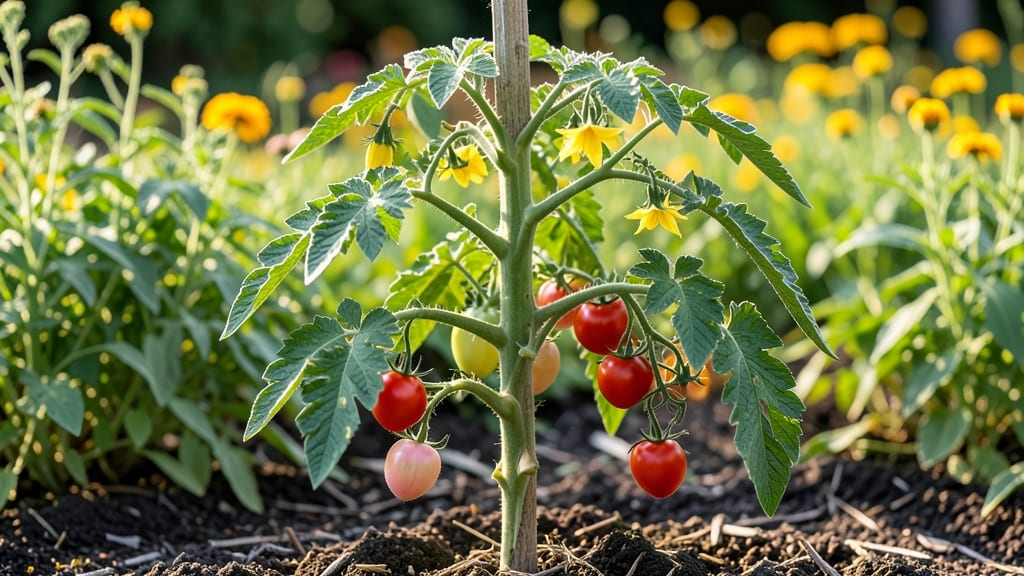
Growing a healthy tomato plant starts with the right foundation—rich soil, steady sunlight, and consistent care that mimics their natural tropical environment. I’ve grown over 50 tomato varieties in containers, and the secret to their lush, productive growth lies in replicating these three essentials without overcomplicating the process.
You’ll need a 5-gallon container (minimum) with drainage holes, a well-draining potting mix amended with compost, and a spot that gets 6-8 hours of direct sunlight daily. Organic fertilizer like fish emulsion or worm castings provides steady nutrients, while pruning encourages stronger stems and more fruit.
The key is balance—too much water or fertilizer stresses plants just as much as neglect.
By following this method, your tomatoes will develop deep green leaves, sturdy stems, and an abundance of fruit from early summer through fall. The plants stay compact, resist common diseases like blight, and produce tomatoes that taste sweeter than store-bought varieties.
Even in small spaces, this approach delivers reliable results every season.
Whether you’re growing on a balcony, patio, or windowsill, the principles remain the same. The early signs of stress—yellowing leaves, wilting, or stunted growth—are easy to catch if you check plants twice weekly. Address issues quickly, and your tomatoes will thrive from seedling to harvest with minimal effort.
📚 In This Guide
- What you need
- Instructions
- Tips and common mistakes
- Wrapping up and next steps
What you need
- ● Container: At least 5-gallon pot per plant (bigger is better for indeterminate varieties). Use fabric grow bags or plastic pots with drainage holes.
- ● Potting Mix: 1 bag (1.5–2 cubic feet) of high-quality organic potting soil (avoid garden soil—it compacts!). Mix in perlite or vermiculite (10–20%) for aeration.
- ● Tomato Seeds or Seedlings: Seeds: 2–3 per pot (start indoors 6–8 weeks before last frost).
- ● Seedlings: 1 healthy plant per container (transplant after hardening off).
- ● Fertilizer: Balanced fertilizer (10-10-10 or 5-5-5) for seedlings.
- ● Tomato-specific fertilizer (high in phosphorus/potassium, like 7-9-5) for flowering/fruiting.
- ● Support System: Cages (5–6 ft tall for indeterminate varieties).
- ● Trellis or stakes (2–3 ft for determinate tomatoes).
- ● Watering Supplies: Drip irrigation kit or watering can with a long spout (avoid overhead watering).
- ○ Moisture meter (optional but helpful for container plants).
- ● Mulch: 1–2 inches of straw or shredded leaves to retain moisture.
- ● Mycorrhizal fungi (boosts root health—mix into soil).
- ● Slow-release fertilizer tablets (place in planting hole for steady nutrients).
- ● Compost tea (weekly foliar spray for extra nutrients).
- ● Pruning shears (for shaping and removing suckers).
- ● Grow lights (if starting seeds indoors before spring).
- ● Pest control: Neem oil or insecticidal soap (for aphids/whiteflies).
Step-by-Step guide to growing a healthy tomato plant in containers
Here's my foolproof method for robust, productive tomato plants that thrive in pots all year.
Select the Right Container and Prepare Soil
Choose a container that's at least 18 inches deep and 12 inches in diameter to accommodate a mature tomato plant's root system. I prefer fabric grow bags because they allow roots to breathe and prevent waterlogging. Make sure the container has drainage holes—tomatoes despise soggy roots.
Fill the bottom third with a 50/50 mix of perlite and coarse sand to improve drainage. Then add a high-quality potting mix enriched with compost. The soil should be loose and well-aerated, allowing water to penetrate easily. Avoid garden soil—it compacts in containers and suffocates roots.
Plant Transplants at the Correct Depth
Remove the tomato transplant from its nursery pot and gently loosen the roots. Plant it so that the bottom third of the stem is buried—this encourages stronger root growth. The top of the root ball should sit about 1 inch below the container's rim to allow for watering without spillage.
Press the soil lightly around the base of the plant to eliminate air pockets. Water thoroughly until water runs out the drainage holes. This ensures the roots make immediate contact with moisture. I like to add a handful of worm castings to the planting hole for an extra nutrient boost.
Provide Optimal Light and Support
Tomatoes need 6-8 hours of direct sunlight daily. Place your container in the sunniest spot available, or supplement with a grow light if natural light is insufficient. Leggy growth with pale leaves means your plant isn't getting enough light—adjust the position immediately.
Install a sturdy cage or stake at planting time to support the plant as it grows. Tomatoes grow heavy with fruit, and a weak support system leads to broken stems. Tie the main stem loosely to the support with soft plant ties, leaving room to grow. Prune suckers (side shoots) regularly to direct energy to fruit production.
Water and Fertilize for Consistent Health
Water deeply every 2-3 days, allowing the top 2 inches of soil to dry out between waterings. Overwatering causes blossom-end rot, while underwatering stresses the plant. I water at the base in the morning to reduce evaporation and fungal risks. Avoid wetting the leaves to prevent disease.
Feed your tomato plant with a balanced liquid fertilizer (10-10-10) every 2-3 weeks once flowers appear. I switch to a low-nitrogen, high-phosphorus fertilizer (5-10-10) during fruiting to encourage sweet, healthy tomatoes. Stop fertilizing 4-6 weeks before harvest to allow flavors to develop.
Monitor and Maintain Plant Health
Watch for signs of pests like aphids or hornworms—remove them by hand or treat with neem oil if needed. Yellowing leaves often indicate overwatering or nutrient deficiency. Prune lower leaves regularly to improve airflow and reduce disease risk. Harvest tomatoes when they're fully colored and slightly soft to the touch.
If your plant looks stressed, check the soil moisture and light exposure first. Tomatoes are resilient but need consistent care. I always keep a small notebook nearby to track watering, fertilizing, and growth milestones—it helps spot patterns and adjust care as needed.
Tips & tricks for thriving container-grown tomatoes
Container gardening can be just as rewarding as in-ground planting—here’s how to maximize your tomato plant’s potential without common pitfalls.
Container Selection: While the instructions call for an 18-inch-deep container, consider adding a second container or saucer underneath to catch drainage. This prevents nutrient loss and keeps roots from drying out between waterings. If using fabric grow bags, rotate them every 2-3 weeks to ensure even root development and prevent stress on one side.
Soil Science: The 50/50 mix of perlite and coarse sand in Step 1 is perfect, but for even better results, add a handful of horticultural charcoal to the bottom layer. This helps prevent bacterial growth and keeps the soil loose for better aeration. I’ve found that adding a slow-release fertilizer like osmocote at planting time eliminates the need for frequent feedings later.
Light Optimization: The 6-8 hours of sunlight requirement is non-negotiable, but here’s the trick: if your plant starts stretching toward the light (a sign of insufficient light), move it closer to the window or supplement with a grow light for 12-14 hours daily. Morning sun is most critical—it kickstarts photosynthesis for the day. If you notice yellowing leaves between veins, it’s a classic sign of too much direct afternoon sun.
Pruning Strategy: When pruning suckers in Step 3, focus on removing only the ones growing between the main stem and branches. Leave the suckers that grow above a leaf or branch—they can become productive stems themselves. I also recommend using sharp, clean pruners and dipping them in rubbing alcohol between cuts to prevent disease transmission.
Pro Tips for Healthy Tomato Plant
- Container gardening can be just as rewarding as in-ground planting—here’s how to maximize your tomato plant’s potenti...
- Container Selection: While the instructions call for an 18-inch-deep container, consider adding a second container or...
- Soil Science: The 50/50 mix of perlite and coarse sand in Step 1 is perfect, but for even better results, add a handf...
Frequently asked questions
Got questions about keeping your tomato plants thriving? You’re not alone—growing healthy tomato plants takes a little know-how, especially in containers! Here are answers to the most common queries to help you cultivate the best harvest.
How often should I water my container-grown tomato plant?
Container tomatoes need consistent moisture—water when the top inch of soil feels dry, usually every 1-2 days in hot weather. Overwatering can drown roots, while underwatering causes blossom-end rot. Use well-draining soil and a saucer to catch excess water. Pro tip: Water deeply in the morning to reduce disease risk.
When is the best time to transplant my tomato seedlings?
Wait until after the last frost (when night temps stay above 50°F/10°C) and soil is warm. For containers, transplant after hardening off seedlings (acclimating them to outdoor conditions for 7–10 days). Choose a sunny spot with 6+ hours of light daily—tomatoes are sun-worshippers!
Why are my tomato leaves turning yellow?
Yellow leaves often signal overwatering, nutrient deficiency, or disease. Check the roots—if soggy, reduce watering. For nutrients, use a balanced fertilizer (10-10-10) every 2–3 weeks. Yellowing with brown spots? It could be fungal disease—prune affected leaves and improve airflow. Pro tip: Mulch to retain moisture without drowning roots.
Can I grow tomatoes in containers year-round?
In warm climates (zones 8–11), yes! Use heat-tolerant varieties like ‘Solar Fire’ or ‘Heatmaster.’ For cooler zones, grow in winter with grow lights or start a new batch in spring. Containers let you move plants indoors during frost or extreme heat. Just ensure pots have drainage and use a slow-release fertilizer to sustain growth.
What’s a good alternative if my tomato plant gets pests?
Try these fixes:
- Neem oil spray (natural repellent for aphids, whiteflies).
- Beneficial insects like ladybugs or lacewings to eat pests.
- Row covers to block insects early in the season.
- Homemade soap spray (1 tsp mild soap + 1 quart water) for soft-bodied bugs.
Prevent pests by removing weeds, rotating crops, and avoiding overhead watering.
Wrapping up and next steps
A healthy tomato plant thrives on consistency, care, and a little creativity—whether you’re growing them in containers or year-round! 🌱 With the right soil, sunlight, pruning, and nutrients, you’ll enjoy a bountiful harvest of juicy, flavorful tomatoes.
Remember, even small steps like regular watering and pest monitoring make a big difference.
Now that you’re armed with tips and tricks, roll up your sleeves and get growing! Start with one plant, experiment with varieties, and soon you’ll be sharing your homegrown tomatoes with friends and family. Happy gardening! 🍅✨