Planting
How long for a tomato plant to produce fruit depends on the variety, care, and growing conditions—typically ranging from 60 to 90 days after transplanting. Picture this: you’ve spent weeks nurturing your 🍅 seedlings, only to wonder if you’ll ever taste that first homegrown tomato. The good news? Some varieties can deliver in as little as 50 days, while others take nearly four months—so choosing the right plant is half the battle.
In this guide, I’ll break down the fastest tomato varieties, the key stages of growth, and the care tricks that shave weeks off your harvest timeline. Whether you’re working with 60-degree soil in Zone 6a or a sunny container on your balcony, these insights will help you plan for success.
You’ll also learn how sunlight, watering, and even pruning can accelerate ripening—and why some plants flower but never fruit. Let’s get those tomatoes growing faster than you thought possible!
Tomato plant growth timeline: from seed to first harvest
Growing tomatoes from seed to harvest is one of the most rewarding gardening experiences—but patience is key! The total time from seed to first ripe tomato typically ranges from 60 to 90 days, depending on the variety and growing conditions.
Fast-maturing varieties like 'Stupice' can produce in as little as 50 days, while heirlooms may take 80-90 days. Understanding each growth stage helps you set realistic expectations and troubleshoot delays.
Your journey begins with seed germination, which usually takes 5-10 days in warm soil (70-85°F). Once seedlings emerge, they’ll need 4-6 weeks indoors under grow lights before they’re ready to transplant outside.
This early stage is critical—overcrowding or weak seedlings can set your harvest back by weeks. After transplanting, expect 2-3 weeks for roots to establish before flowering begins.
Key Milestone: The first true leaves (not the initial seed leaves) appear about 7-14 days after germination. These leaves signal the plant is ready for nutrient-rich soil and consistent watering. At this point, I harden off seedlings by gradually exposing them to outdoor conditions for 5-7 days before planting.
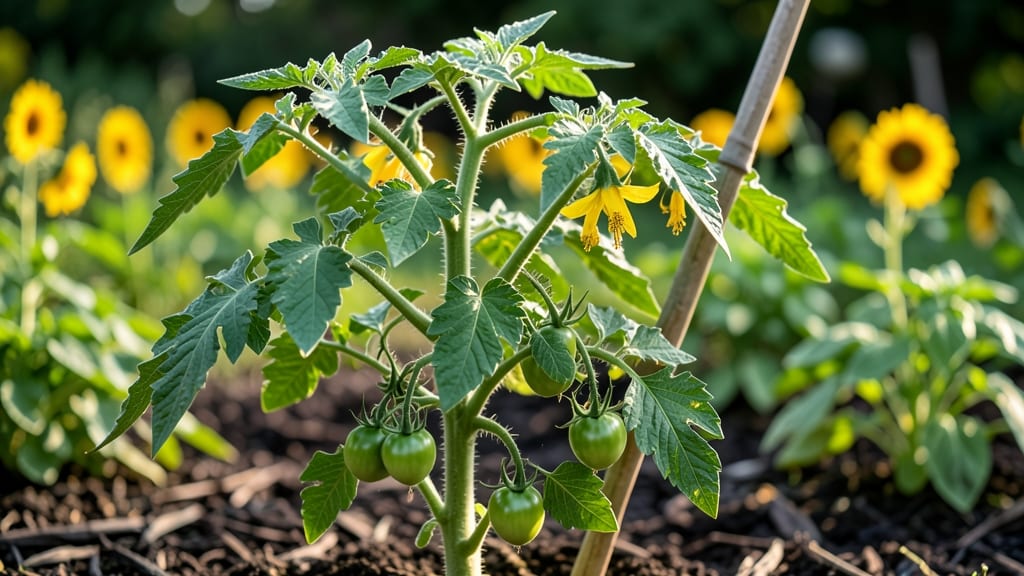
The flowering stage begins about 4-6 weeks after transplanting, marked by the appearance of yellow blossoms. This is when your plants shift from leaf production to fruit development. Indeterminate varieties (like 'Sungold') continue flowering all season, while determinate varieties (like 'Roma') produce flowers in one big flush.
During this phase, I switch to a phosphorus-heavy fertilizer (like 5-10-10) to encourage blooming and fruiting.
Once flowers appear, you’ll see tiny green tomatoes form within 7-14 days. This is your first sign that fruiting is underway! However, many gardeners
Fastest tomato varieties that produce in under 60 days
If you're craving homegrown tomatoes but don't want to wait all summer, these early-maturing varieties are your best bet. With the right growing conditions and care, you can enjoy fresh tomatoes in just 50-60 days from transplanting.
These varieties thrive in warm climates and even perform well in container gardens, making them perfect for impatient gardeners.
Most fast-maturing tomatoes are determinate varieties, meaning they grow to a specific height and produce fruit all at once. This makes them ideal for short-season gardens or areas with limited growing time. Pair these with proper soil prep—rich in compost—and consistent watering schedules to maximize your harvest.
| Variety | Days to Harvest | Mature Height | Yield Potential | Best For |
|---|---|---|---|---|
| Early Girl | 50-55 days | 3-4 ft | 10-15 lbs | Containers, short seasons |
| Stupice | 55-60 days | 2-3 ft | 5-8 lbs | Cold climates, early starts |
| Tiny Tim | 55-60 days | 1-2 ft | 2-4 lbs | Balconies, small spaces |
| Patio Princess | 55-60 days | 2-3 ft | 8-12 lbs | Containers, urban gardens |
| Solar Fire | 50-55 days | 3-4 ft | 12-15 lbs | Early harvests, heat tolerance |
For fastest results, start seeds indoors 6-8 weeks before your last frost date. Use grow lights if natural light is limited, and transplant seedlings outdoors only after soil temperatures reach 60°F (15°C). These varieties perform best in well-draining soil with a pH between 6.0-6.8.
Don't overlook pollination tricks like gently shaking plants or using a small brush to transfer pollen. This helps ensure faster fruit set, especially in cool or cloudy weather. With proper care, you can enjoy your first homegrown tomatoes as early as late June in most climates!
If you're growing in containers, choose pots that are at least 5 gallons in size for larger varieties like Early Girl. Smaller varieties like Tiny Tim can thrive in 3-gallon containers, making them perfect for balcony gardens or patio planters.
Remember, consistent watering and mulching are key to keeping plants healthy and productive. Avoid letting soil dry out completely, as this can delay ripening and reduce yield. With these