
Pests and Diseases
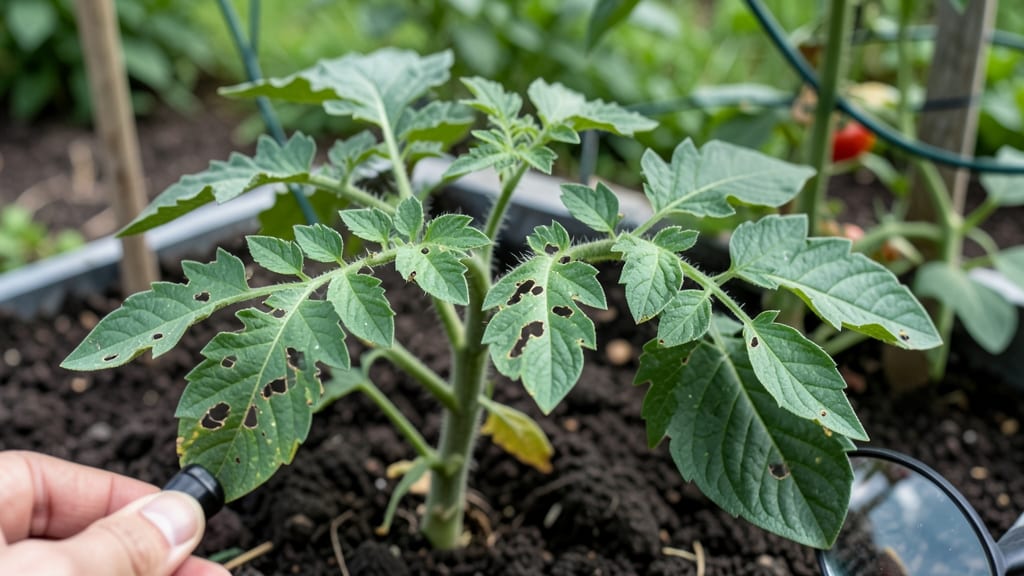
Those small holes in tomato leaves aren’t random—they’re a hornworm’s calling card. 🌱 I've watched these striped caterpillars turn lush foliage into Swiss cheese in just a few days, and the good news is you can stop them before they ruin your harvest.
The damage happens fast: one morning, leaves look fine; by afternoon, they're skeletonized. These pests hide well during the day, so check undersides of leaves and stems at dusk when they're most active. A single hornworm can defoliate a plant in under a week if left unchecked.
You'll see immediate improvement once you remove the caterpillars by hand (they're surprisingly easy to spot when you know what to look for). For severe infestations, organic sprays like Bt (Bacillus thuringiensis) work wonders without harming beneficial insects.
Prevention is key—plant basil nearby (hornworms hate it) and check plants regularly. Most gardeners see results within 3-5 days of starting control measures.
Root Causes of Leaf Damage
When you spot tiny holes in your tomato leaves, it’s often a sign that unseen pests are feasting on your plants. Understanding the why behind these punctures helps you take targeted action before the damage spreads.
Below, we break down the most common culprits and their behaviors—so you can identify the problem and act fast.
Tomato hornworms are the top suspects when it comes to small, irregular holes in tomato leaves. These voracious caterpillars—up to 4 inches long—blend into foliage by day and munch relentlessly at night. Their feeding pattern leaves behind:
- Uneven, jagged holes (often with frass—black, pellet-like droppings—scattered around).
- Stripped stems (they’ll devour flowers and fruit too if left unchecked).
- Silken webbing (some species spin threads between leaves as they move).
Why it happens: Hornworms are the larvae of Manduca sexta (five-spotted hawk moth) and thrive in warm climates. They’re attracted to tomato plants because they’re high in water and nutrients, making them an all-you-can-eat buffet. A single hornworm can defoliate a plant in just a few days.
While spider mites and aphids don’t create holes like hornworms, their damage can weaken leaves, making them more susceptible to tearing—or attracting other pests. Here’s how they contribute:
- Spider mites (tiny, red/yellow pests) pierce cells to suck sap, causing:
- Fine, stippled yellowing (early sign).
- Thin, silver webbing on undersides of leaves.
- Leaves that crisp or drop if infestation is severe.
- Aphids cluster on new growth and excrete sticky honeydew, which:
- Attracts sooty mold (a black fungal growth).
- Weakens leaves, making them prone to physical damage (e.g., wind, rain).
Why it happens: These pests thrive in hot, dry conditions (mites) or crowded, stressed plants (aphids). They multiply rapidly—a single female aphid can produce 80 offspring in a week—and their saliva contains toxins that distort leaf tissue, making it easier for other pests to tear through weakened areas.
Not all leaf holes come from pests. Sometimes, environmental factors create openings that invite further problems:
- Hail or wind: Punctures from storms can mimic pest damage, but look for:
- Clean, sharp edges (no frass or webbing).
- Damage on multiple plant types (not just tomatoes).
- Overwatering or poor drainage: Leads to:
- Soft, spongy leaves that tear easily.
- Fungal infections (like early blight) that create tiny, brown spots with holes.
- Mechanical injury: Tools, ties, or even birds pecking can create holes.
Why it happens: Stressed plants have thinner cell walls, making them vulnerable to both physical trauma and pest attacks. For example, early blight (a fungal disease) thrives in wet conditions and causes concentric rings that eventually collapse into holes—giving hornworms an easier entry point.
Pro Tip: 🔍 Flip leaves over—pest activity (frass, eggs, webbing) is almost always visible on the undersides. If you see green, bullet-shaped droppings, it’s definitely a hornworm. No droppings? Check for mites or aphids with a magnifying glass!
Quick Fixes for Tomato Leaf Damage
Discovering small holes in your tomato leaves can feel like a punch to your gardening dreams—but don’t panic! With the right approach, you can restore your plants and prevent future damage.
Below, we’ve mapped out practical solutions tailored to the most common causes, from pesky pests to environmental stressors. Follow these steps to revive your tomatoes and keep them thriving.
If tiny holes or skeletal leaves are your culprit, it’s likely a hornworm invasion (or other leaf-munching pests). Here’s how to kick them to the curb:
🔥 Handpick the Invaders (Best for Small Gardens)
Early mornings or evenings are prime times to hunt—pests are sluggish and easy to spot.
- 👨🍳 Inspect leaves daily, especially the undersides where hornworms hide.
- 🔪 Drop them in soapy water (a bucket with a few drops of dish soap works).
- 🌿 Check neighboring plants—hornworms love basil, peppers, and eggplants too!
💡 Natural Sprays to Deter Pests
Skip the harsh chemicals—these eco-friendly options work just as well!
| Solution | How to Use |
|---|---|
| Neem oil spray | Mix 1 tbsp neem oil + 1 tsp mild soap + 1 quart water. Spray every 5–7 days at dusk to avoid harming bees. |
| BT (Bacillus thuringiensis) | Sprinkle or spray BT powder on leaves—it’s toxic only to caterpillars (safe for humans and pets). Reapply after rain. |
| Garlic or chili pepper spray | Blend 4 garlic cloves + 1 tbsp cayenne + 1 quart water. Strain and spray. Reapply weekly for best results. |
🎯 Prevent Future Infestations
Stop pests before they start with these proactive tips:
- 🌙 Plant companion flowers like marigolds or nasturtiums—they repel hornworms naturally.
- 🕷️ Encourage beneficial insects (ladybugs, lacewings) by adding a small water source (like a shallow dish with pebbles) to your garden.
- 🌱 Rotate crops—don’t plant tomatoes in the same spot yearly to break pest cycles.
If holes appear without visible pests, your tomatoes might be stressed from poor growing conditions. Fix these common issues:
💧 Watering Woes: Too Much or Too Little
Overwatering or underwatering weakens plants, making them vulnerable to pests and disease.
- 🔥 Water deeply but infrequently—aim for 1–1.5 inches per week (including rain).
- 🌱 Improve drainage—add compost or mulch to retain moisture without soggy roots.
- 🌿 Avoid wetting leaves—water at the base to prevent fungal growth.
☀️ Sunlight & Shelter: Protect from Harsh Conditions
Tomatoes need 6–8 hours of sun daily, but extreme heat or wind can stress them.
- 🏠 Use shade cloth (30–50%) if temps exceed 90°F (32°C).
- 🌿 Prune lower leaves to improve airflow and reduce humidity near the soil.
- 🌳 Windbreaks (like trellises or burlap screens) help in breezy areas.
🌱 Soil & Nutrition: Feed for Resilience
Weak plants attract pests. Boost your tomatoes’ defenses with:
- 💪 Balanced fertilizer—use a 10-10-10 or 5-5-5 formula every 4–6 weeks.
- 🥗 Compost or worm castings for slow-release nutrients.
- 🍅 Calcium boost—sprinkle crushed eggshells or use crushed oyster shell to prevent blossom-end rot (which weakens plants).
Even after treating the root cause, your tomatoes may still look beat up. Here’s how to help them recover:
- 🌿 Trim severely damaged leaves—focus on removing only the worst-affected to avoid shocking the plant.
- 💧 Increase humidity (if needed) with a light misting in dry climates.
- 🌱 Support growth—use cages or stakes to keep plants upright and reduce stress.
Pro Tip: 💡 If holes are tiny and scattered (like Swiss cheese), it might be leafminers. Treat with neem oil or insecticidal soap, and remove infested leaves immediately.
Frequently asked questions
What do the tiny holes in my tomato leaves look like?
Hornworm damage appears as irregular, jagged holes with black, pellet-like droppings (frass) scattered around. Look for stripped stems or silken webbing between leaves—these are classic signs. Spider mites create stippled yellowing without clear holes, while aphids leave sticky honeydew residue.
Can I still save my tomato plant if the leaves are already full of holes?
Yes! Remove severely damaged leaves to redirect energy to healthy growth. Prune with clean scissors, and focus on fixing the root cause (pests, watering, or disease). With proper care, your plant can recover—just expect smaller yields if damage was extensive. New leaves will grow back within 2-3 weeks.
How often should I check my tomato plants for pests?
Inspect your plants 2-3 times per week, especially after rain or when temperatures rise above 75°F (24°C). Early mornings or evenings are best—pests like hornworms hide during the day. Pay extra attention to leaf undersides and new growth, where eggs are often laid.
Will neem oil harm my tomato plants if I use it too often?
Neem oil is safe when used correctly, but apply it no more than every 5-7 days. Always mix with 1 tsp mild soap per quart to help it stick to leaves. Avoid spraying in direct sunlight (can cause leaf burn) and never use it when tomatoes are flowering—it may harm pollinators.
Can companion planting really keep hornworms away?
Planting basil, marigolds, or nasturtiums nearby confuses hornworms and deters them from your tomatoes. The strong scents mask tomato odors, making your plants less appealing. For extra protection, add dill or fennel—their fragrance repels many garden pests naturally.