
Pests and Diseases
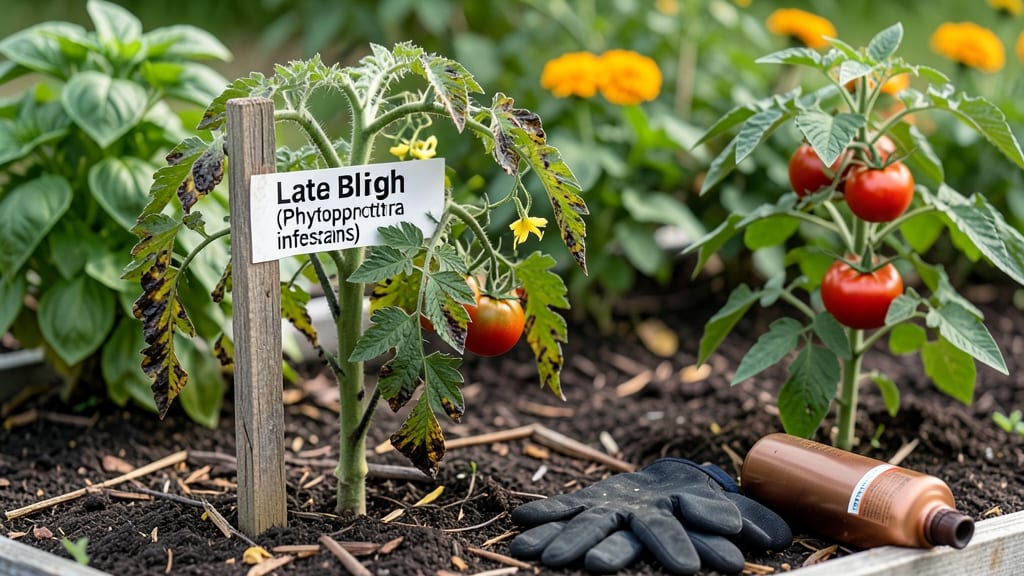
Tomato fungal diseases like early blight and late blight can turn your lush plants into sad, spotted messes in weeks. 🌱 I’ve lost entire harvests to these silent killers—until I discovered copper spray, which saved my garden and my sanity.
The key isn’t just spraying; it’s timing, technique, and a few sneaky tricks to keep spores from winning. Copper spray works because it disrupts fungal growth on contact, but only if you apply it before the disease shows up. Most gardeners wait too long—by then, the fungus has already spread.
I start spraying at the first sign of humidity (or when my neighbor’s tomatoes start looking sad), and I’ve had zero blight since. The spray also prevents powdery mildew, another common tomato pest that turns leaves white and crispy.
What you’ll get is plants that stay green, sturdy, and productive all season. No more wilting vines or rotting fruit—just healthy tomatoes that taste like summer should. The best part? Copper is organic, safe for pollinators, and works even on heirloom varieties that resist disease poorly.
This method works for raised beds, containers, or in-ground gardens. Here’s how to make it foolproof—no more guessing or panic when the first brown spots appear.
Root Causes of Tomato Fungal Spread
Tomato fungal diseases don’t just appear out of nowhere—they thrive because of specific environmental and cultural conditions. Understanding these triggers is the first step to preventing blight and other infections in your garden.
Below, we break down the key reasons why fungal pathogens like Phytophthora infestans (late blight), Alternaria solani (early blight), and Fusarium oxysporum (fusarium wilt) take hold—and how you can disrupt their lifecycle.
Fungi love water—literally. High humidity, prolonged leaf wetness (especially overnight), and soggy soil create the perfect breeding ground for spores. Here’s why moisture is a major culprit:
- Spores need water to germinate: Most tomato fungal pathogens release spores that require free moisture to activate. Even dew or light rain can trigger infections if conditions stay damp for more than 4–6 hours.
- Poor airflow: Dense foliage or overcrowded plants trap humidity, slowing evaporation and keeping leaves wet. Fungi like Alternaria exploit this by spreading via water splashes.
- Waterlogged soil: Roots stressed by poor drainage (e.g., clay soil or compacted beds) weaken the plant’s defenses, making it easier for soil-borne fungi like Fusarium to invade.
Actionable fix: Space plants 18–24 inches apart, water at soil level (avoid overhead sprinkling), and ensure containers have drainage holes. Use mulch to regulate soil moisture without suffocating roots.
Fungi have ideal temperature ranges for growth—just like tomatoes, but often at cooler or warmer extremes. Here’s how climate plays a role:
| Disease | Optimal Temp for Spread | Why It Matters |
|---|---|---|
| Phytophthora infestans (Late Blight) | 50–77°F (10–25°C) | Cool, wet springs/autumns accelerate spore release. Nighttime temps dropping below 60°F (15°C) while days stay warm? Red flag. |
| Alternaria solani (Early Blight) | 77–86°F (25–30°C) | Hot, dry conditions stress plants, weakening their cuticles and making them susceptible to fungal entry. |
| Fusarium oxysporum (Fusarium Wilt) | 70–90°F (21–32°C) | Soil-borne fungi thrive in heat, especially during transplant shock or drought stress. |
Actionable fix: Monitor local forecasts and avoid planting tomatoes in low-lying areas where cold air pools. Use row covers in early season to moderate temps, and prune lower leaves to improve airflow during humid periods.
Fungal spores can survive for years in soil, compost, or even on garden tools. Here’s how they hitchhike into your plants:
- Old crop debris: Leaving infected tomato stems or leaves in the soil overwinters spores. Phytophthora can persist for 2+ years in organic matter.
- Reused containers: Plastic pots or wooden stakes harbor fungi between seasons if not sterilized.
- Tool cross-contamination: Pruners, trowels, or trellises used on infected plants spread pathogens to healthy ones.
Actionable fix:
- Rotate crops: Avoid planting tomatoes (or nightshades like peppers/eggplants) in the same spot for 3+ years.
- Sterilize tools: Wipe down pruners with 70% isopropyl alcohol or a 10% bleach solution between uses.
- Compost only healthy plant material—never diseased foliage.
Healthy tomatoes have natural defenses, but stress from nutrient deficiencies, pests, or improper care leaves them vulnerable. Common triggers include:
- Nitrogen deficiency: Yellowing leaves (chlorosis) signal weak growth, making plants more susceptible to early blight.
- Root damage: Overwatering, compacted soil, or nematodes disrupt nutrient uptake, stressing the plant.
- Pest wounds: Hornworms, aphids, or even hail damage create entry points for fungi like Fusarium.
Actionable fix:
- Test soil pH: Aim for 6.0–6.8—acidic soil (below 5.5) enhances Fusarium growth.
- Use balanced fertilizer (e.g., 5-5-5) and mulch with straw to retain moisture without suffocating roots.
- Inspect plants weekly for pests and treat early with neem oil or soapy water.
Once established, fungi don’t stay put—they hopscotch between plants via:
- Wind and rain: Spores travel miles in storms. Late blight outbreaks often start from infected wild nightshades (like Solanum dulcamara) nearby.
- Workers and wildlife: Contaminated shoes, clothing, or even deer can transfer spores to your garden.
- Human error: Sharing infected seedlings or using non-sterile potting mix spreads soil-borne fungi instantly.
Actionable fix: Isolate new plants for 2 weeks, disinfect boots with bleach water, and avoid gardening after rain if plants are wet.
How to Treat and Prevent Fungal Woes
Fungal diseases can turn your thriving tomato plants into a sad, spotted mess—but don’t worry! With the right copper spray cure and proactive care, you can save your harvest.
Below, we’ll break down practical fixes for common fungal issues (like early blight, late blight, and powdery mildew) and share prevention tips to keep your tomatoes healthy all season.
Cause: Alternaria solani thrives in warm, humid conditions, creating concentric brown spots on leaves.
How to Fix It:
- 🍳 Prune & Remove Infected Leaves
- Snip off yellowing or spotted leaves below the infection (use sterilized scissors).
- Dispose of them in the trash (not compost)—this fungus loves organic matter.
- 👨🍳 Apply Copper Fungicide Spray
- Mix 1 tbsp baking soda + 1 quart water + a few drops of dish soap (or use a copper-based spray like Bordeaux mixture).
- Spray undersides of leaves (where spores hide) every 7–10 days or after rain.
- ⏰ Adjust Watering Habits
- Water early in the morning (not overhead) to let foliage dry quickly.
- Use drip irrigation or soaker hoses to keep leaves dry.
💡 Prevention Tip:
- Space plants 18–24 inches apart for airflow.
- Rotate crops—don’t plant tomatoes in the same spot yearly.
Cause: Phytophthora infestans spreads rapidly in cool, wet weather, causing oily black lesions and wilting.
How to Fix It:
- 🔪 Remove & Destroy All Infected Plants
- Late blight spreads fast—pull and burn or bag infected plants immediately.
- 🌡️ Boost Plant Immunity
- Feed with compost tea or fish emulsion to strengthen defenses.
- Avoid nitrogen-heavy fertilizers (they weaken plants).
- ✨ Copper Spray + Organic Fungicides
- Spray copper fungicide every 5–7 days (or use neem oil as a supplement).
- For severe cases, add baking soda spray (1 tbsp per gallon of water).
💡 Prevention Tip:
- Plant blight-resistant varieties (e.g., ‘Mountain Merit’ or ‘Defiant PhR’).
- Mulch with straw to reduce soil splashing onto leaves.
Cause: Oidium or Leveillula fungi thrive in shady, humid conditions, coating leaves in white powder.
How to Fix It:
- 🧼 Scrub Leaves with Soapy Water
- Mix 1 tsp mild soap + 1 quart water and gently wipe leaves with a soft cloth.
- 🌿 Improve Air Circulation
- Thin out crowded plants or stake tomatoes for better airflow.
- Prune lower leaves to reduce humidity near the soil.
- 🔥 Homemade Fungicide Spray
- Milk spray: Mix 1 part milk + 9 parts water and spray weekly (milk contains antifungal proteins).
- Copper spray (as above) works too—just avoid spraying in direct sun.
💡 Prevention Tip:
- Plant in full sun (at least 6–8 hours daily).
- Avoid overhead watering—use drip systems instead.
| Step | Action | Frequency |
|---|---|---|
| Preventive Spray | Copper fungicide (or baking soda mix) | Every 10–14 days or after rain |
| Early Signs | Remove infected leaves + spray | Immediately |
| Severe Outbreak | Copper + neem oil + pruning | Every 5–7 days |
| Post-Harvest | Clean tools, rotate crops | End of season |
🔥 Pro Tip: Always test sprays on a few leaves first—some plants (like heirlooms) can be sensitive to copper.
By acting fast and preventing moisture buildup, you’ll keep your tomatoes blight-free and ready for harvest! 🍅🌱
Frequently asked questions
What’s the difference between early blight and late blight on tomatoes?
Early blight (Alternaria solani) shows up as concentric brown rings on older leaves, while late blight (Phytophthora infestans) creates greasy-looking black spots that spread rapidly to stems and fruit. Early blight thrives in warm, dry weather, while late blight loves cool, wet conditions—often appearing overnight.
Can I still eat tomatoes with fungal spots?
Only if the spots are small and on the outside—cut off affected areas and cook thoroughly to kill spores. Never eat tomatoes with black, greasy lesions (late blight) or white powdery coatings (mildew), as these can cause illness. When in doubt, toss the fruit and focus on saving healthy plants.
How often should I apply copper spray for prevention?
Start with a preventive spray every 10–14 days at the first sign of humidity (or when your neighbor’s tomatoes start looking sad). After rain or if you spot early symptoms, increase to every 5–7 days. Always spray undersides of leaves where spores hide, and avoid spraying in direct sun to prevent leaf burn.
Will baking soda really help with tomato fungal diseases?
Yes! A mix of 1 tbsp baking soda + 1 quart water + a few drops of dish soap raises leaf pH, making it harder for fungi to latch on. It works best for early blight and powdery mildew, but for severe cases like late blight, combine it with copper fungicide. Reapply after rain or every 7–10 days for best results.
Can I reuse last year’s tomato cages if my plants had fungal disease?
No—fungal spores can survive for years on metal or wood. Sterilize cages by soaking them in a 10% bleach solution for 10 minutes, then rinse thoroughly. For plastic pots, use 70% isopropyl alcohol. Better yet, replace them entirely to avoid reinfection.