
Planting
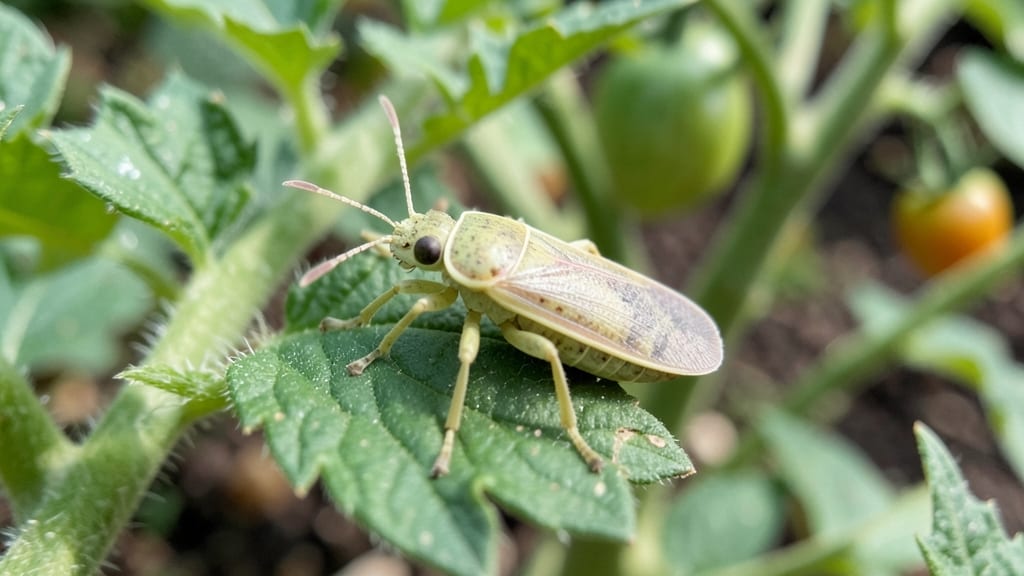
My tomato plants nearly died last summer from hornworms and aphids—until I discovered this natural tomato plant bug repellent that works in hours. 🌱 No chemicals, no waiting weeks for results, just a simple mix that keeps pests off your plants while being safe for bees and beneficial insects too.
The secret lies in ingredients you already have: garlic, cayenne pepper, and dish soap. Combined in a spray bottle, they create a scent and texture pests can't stand, while the soap helps the mix stick to leaves.
I've used this recipe for three seasons now, and my tomatoes stay lush and pest-free without any harsh sprays. You'll see results within 24 hours—fewer chewed leaves, no more sticky residue from aphids, and plants that keep growing strong.
The spray is so gentle that you can use it right up until harvest day without worrying about residue. Works for aphids, hornworms, whiteflies, and even spider mites. Here's exactly how to mix it and apply it for maximum effectiveness.
The Hidden Triggers Inviting Bugs
Bugs don’t just randomly attack your tomato plants—they’re drawn by specific signals, whether it’s a scent, a texture, or even the plant’s weakened state. Understanding these triggers is the first step to outsmarting pests naturally. Here’s why your tomatoes become a bug buffet, broken down by science-backed causes.
Tomato plants release volatile organic compounds (VOCs) when stressed—think of them as distress signals in the insect world. These scents act like a dinner bell for bugs like aphids, whiteflies, and hornworms. For example:
- Damaged leaves emit higher levels of green leaf volatiles (GLVs), which attract parasitic wasps and predatory insects—but also herbivores like tomato hornworms. A single chewed leaf can trigger a cascade of pest activity within hours.
- Overripe or rotting fruit releases ethanol and acetic acid, mimicking fermentation. Fruit flies and fungus gnats are particularly drawn to this smell, even from a distance.
- Root stress (from overwatering or drought) produces jasmonic acid, a compound that signals “easy prey” to root-feeding pests like cutworms or nematodes.
Actionable insight: Prune damaged foliage promptly and remove fallen fruit to cut off the scent trail. Healthy plants emit fewer distress signals!
Bugs thrive in humidity, and tomato plants—especially those with thick, juicy leaves—offer the perfect microclimate. Here’s how water plays a role:
| Issue | Why Bugs Love It | Pests Attracted |
|---|---|---|
| Overhead watering | Creates a film of moisture on leaves, mimicking a bug’s ideal habitat. | Aphids, spider mites, and whiteflies (they “drown” in dry conditions but thrive in dampness). |
| Poor drainage | Soggy soil encourages fungal growth, which attracts sap-sucking insects. | Fungus gnats, root maggots, and slugs. |
| Nighttime dew or high humidity | Slow-drying leaves stay sticky, trapping eggs and larvae. | Tomato fruitworms and cutworms (they need moisture to hatch). |
Actionable insight: Water at the base early in the day and ensure containers have drainage holes. A fan on low speed can also reduce humidity around plants.
Bugs prefer plants that are already struggling—think of it as nature’s way of culling the weak. When tomatoes lack key nutrients, their defenses drop, and pests take notice:
- Nitrogen deficiency: Yellowing leaves (chlorosis) signal that the plant is stressed. Aphids and whiteflies detect this and flock to sap-rich new growth.
- Potassium deficiency: Brown leaf edges weaken cell walls, making them easier for pests like stink bugs to pierce.
- Phosphorus deficiency: Stunted roots struggle to absorb water, leading to wilting—a red flag for root-feeding pests.
Actionable insight: Conduct a soil test and amend with compost or a balanced organic fertilizer (like 5-5-5). Healthy plants produce natural repellents like alpha-tomatine, a compound that deters many insects.
Your garden’s layout can unintentionally create pest highways. For example:
- Monoculture planting: Growing only tomatoes in a row makes it easier for pests to find and spread. Bugs use visual cues—large patches of green signal “easy pickings.”
- Nearby weeds or wild plants: Dandelions, nightshade, and even grass can host alternate pest populations (e.g., aphids on weeds jump to tomatoes).
- Windbreaks or dense foliage: These trap heat and humidity, creating ideal conditions for soft-bodied insects like mites.
Actionable insight: Interplant tomatoes with basil, marigolds, or nasturtiums to disrupt pest paths. Remove weeds within a 3-foot radius of your plants.
Once you identify which triggers are at play in your garden, you can flip the script with targeted natural repellents—no chemicals required!
Quick Fixes for Tomato Bug Woes
If pests are already feasting on your tomato plants, don’t panic—there are fast, natural, and effective ways to reclaim your garden without harsh chemicals. Below, we’ve mapped out common bug problems and targeted solutions using easy-to-find ingredients. Each fix includes prevention tips to keep your tomatoes thriving long-term.
---
Problem: These sap-suckers cluster on leaves, causing yellowing, curling, and sticky residue (aphids) or fine webbing (mites).
How to Fix It: 1. Blast Them Away 💦 - Neem Oil Spray: Mix 1 tsp neem oil + 1 tsp mild soap + 1 quart water. Spray early morning or late evening (avoid direct sun to prevent leaf burn). Repeat every 3–5 days until gone. - Water Jet: For aphids, blast them off with a strong stream of water from a hose. Do this 2–3 times a week for severe infestations.
2. Attract Predators 🦋 - Ladybugs & Lacewings: Buy or attract these natural predators by planting dill, fennel, or marigolds nearby. They’ll devour aphids for you!
Prevention Tips: ✅ Inspect plants weekly—catch infestations early. ✅ Encourage biodiversity with companion plants like basil or garlic (aphids dislike their scent). ✅ Prune yellowing leaves to remove hiding spots.
---
Problem: These green, striped monsters can strip a plant bare overnight. Look for chewed leaves and black droppings.
How to Fix It: 1. Handpick & Drown 🪲💀 - Wear gloves and pluck them off early in the day (they’re sluggish then). Drop them into soapy water to kill them instantly.
2. Bacillus Thuringiensis (BT) Spray 💉 - This organic bacteria is safe for humans and pets but deadly to caterpillars. Mix 1 tsp BT powder + 1 quart water and spray every 5–7 days.
Prevention Tips: ✅ Plant basil nearby—its scent repels hornworms. ✅ Use row covers for young plants to block egg-laying moths. ✅ Remove damaged leaves to discourage more eggs.
---
Problem: Tiny white bugs that swarm when disturbed, leaving sticky honeydew (which attracts mold).
How to Fix It: 1. Yellow Sticky Traps 🎣 - Hang yellow cards coated with petroleum jelly near plants. Whiteflies are drawn to yellow and get stuck.
2. Soap Spray 🧼 - Mix 1 tbsp castile soap + 1 quart water and spray directly on the undersides of leaves (where they hide). Repeat every 2–3 days.
3. Reflective Mulch 🌟 - Cover the soil with aluminum foil or reflective plastic. Whiteflies hate bright light and will avoid the area.
Prevention Tips: ✅ Avoid over-fertilizing—whiteflies love soft, nitrogen-rich leaves. ✅ Space plants properly for good airflow (they thrive in humid, crowded areas). ✅ Introduce parasitic wasps (like Encarsia formosa)—they specifically hunt whiteflies.
---
Problem: These camouflaged worms sever tomato stems at night, toppling plants.
How to Fix It: 1. Collar Barrier 🛡️ - Cut toilet paper tubes into 2-inch rings and wrap them around stems (like a collar). This blocks cutworms from chewing.
2. Beer Trap 🍺 - Bury a small cup filled with beer near the plant. Cutworms crawl in and drown.
3. Handpick at Dusk 🌙 - Shake plants after sunset—cutworms will drop to the ground. Pick them up and drop them in soapy water.
Prevention Tips: ✅ Use cardboard collars (cheaper than toilet paper tubes). ✅ Avoid mulching too close to stems—cutworms hide in thick mulch. ✅ Plant thyme or mint nearby—their scent deters cutworms.
---
To minimize future pest problems, follow these proactive steps:
💡 Rotate crops every year—bugs specialize in certain plants. 🌡️ Water in the morning—wet leaves at night attract slugs and fungus. 🎯 Interplant flowers like marigolds, nasturtiums, or alyssum—they confuse pests. ✨ Encourage beneficial insects (ladybugs, lacewings, praying mantises) by avoiding pesticides.
--- Final Thought: Most tomato pests can be controlled naturally with minimal effort—but speed is key. The sooner you act, the healthier your plants (and your harvest!) will be. 🍅✨
Frequently asked questions
How often should I apply natural tomato bug repellent?
For most homemade sprays (like garlic or neem oil), apply every 5-7 days or after heavy rain. If you're dealing with severe infestations, you can spray every 3-4 days until pests disappear. Always test a small leaf area first to ensure your plants tolerate the mixture.
Will these natural repellents harm bees or other beneficial insects?
When used correctly, most natural repellents are safe for bees and beneficial insects. The key is timing—always spray early morning or late evening when bees aren't active. Avoid spraying flowers directly, and opt for targeted leaf applications. Neem oil is particularly bee-friendly when used properly.
Can I use these repellents on tomato plants before harvest?
All the natural ingredients mentioned (garlic, cayenne, neem oil, soap) are USDA-approved for organic gardening and can be used right up until harvest. Just follow the application instructions carefully—no waiting period is needed. The sprays break down quickly and leave no harmful residue on your tomatoes.
What's the best time of day to apply these sprays?
Apply natural bug repellents early morning or late evening to avoid leaf burn from direct sunlight. This timing also helps the spray dry properly on leaves, making it more effective. Avoid spraying when temperatures are above 85°F—the heat can reduce the spray's effectiveness and potentially damage plant leaves.
How do I know if my tomato plants actually need repellent?
Look for these common signs: Yellowing or curling leaves, sticky residue (aphid honeydew), chewed holes in foliage, or tiny white bugs swarming when you disturb the plant. For hornworms, check the undersides of leaves for large green caterpillars. Early detection is key—start repellent applications at the first sign of trouble.