
Plants
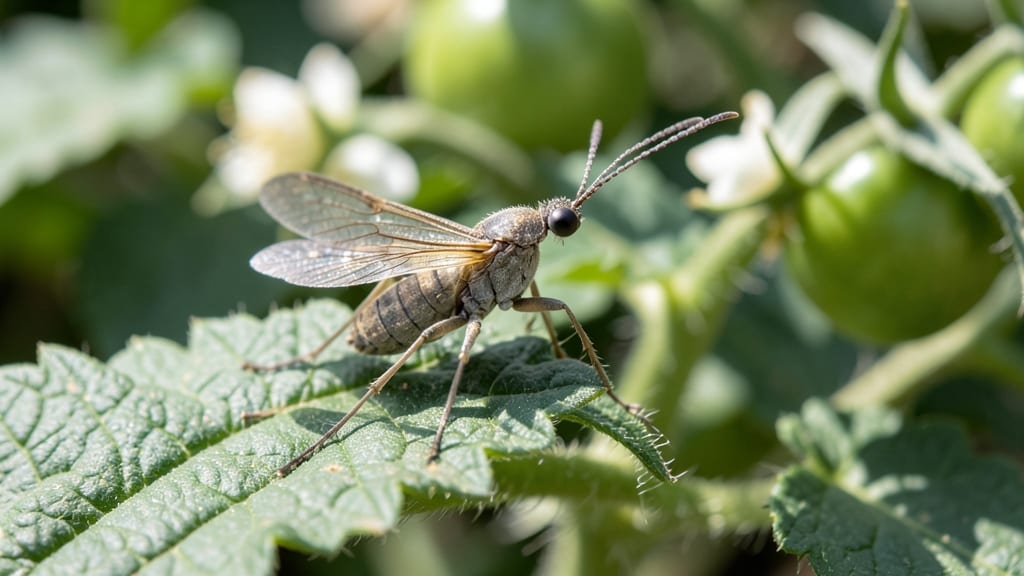
Fungus gnats on tomato plants turn your seedlings into a buffet for tiny black flies, and those larvae chew roots like they're at a salad bar. 🌱 I've battled these pests through three growing seasons, and the right traps can clear them out in 3-5 days—no harsh chemicals needed.
The problem starts when you overwater or use fresh organic matter that stays too damp. Those conditions create the perfect nursery for fungus gnat larvae, while adult flies lay eggs in the top inch of soil. The damage? Stunted seedlings, yellowing leaves, and roots that look like Swiss cheese.
What actually works is a yellow sticky trap in each pot, paired with a dry top layer of sand or perlite to block egg-laying. Add a handful of beneficial nematodes (like Steinernema feltiae) to the soil, and you'll see gnat numbers drop within 48 hours.
The key is consistency—keep traps fresh and monitor moisture. This method works for seedlings, container plants, and even in-ground tomatoes. The best time to act is as soon as you spot adults—before the larvae get established. Let's get those plants thriving again.
Root Causes of Tiny Pests
Fungus gnats on your tomato plants aren’t just a random annoyance—they thrive because of specific conditions that make your soil and environment their perfect breeding ground. Understanding these triggers is the first step to reclaiming your garden.
Below, we break down the three primary reasons these pests invade, along with the science behind their behavior.
---
Fungus gnats (scientifically known as Bradysia spp.) are drawn to excess moisture because their larvae need damp conditions to survive. Here’s why this happens:
- Poor Drainage: Containers or garden beds with compacted soil or no drainage holes trap water, creating a soggy environment.
Fungus gnats lay eggs in the top layer of soil, where moisture is high, and their larvae feed on organic matter in these wet conditions. - Overwatering: Tomato plants need consistent moisture, but soggy soil (especially within 1–2 inches of the surface) signals fungus gnats to multiply.
A quick test: Stick your finger in the soil—if it’s damp past your first knuckle, you’re overdoing it. - Organic Matter Decay: Compost, mulch, or decomposed plant material in wet soil accelerates microbial activity, which fungus gnats love.
The larvae feed on these microbes, not the tomato roots directly (though they can still damage seedlings).
Pro Tip: 💡 Use a moisture meter or the "squeeze test" (gently press soil—if water drips out, it’s too wet).
---
Healthy soil ecosystems naturally regulate pest populations, but disruptions—like chemical pesticides or monoculture gardening—wipe out fungus gnat’s natural enemies. Key predators include:
- Nematodes (Steinernema spp.): Microscopic worms that hunt and kill fungus gnat larvae. - Ground Beetles & Spiders: Adult beetles and spider larvae feast on gnat pupae and adults. - Protozoa & Fungi: Soil-dwelling organisms like Duddingia flagrans (a predatory fungus) infect and kill larvae.
Why It Fails: - Synthetic Pesticides: Even broad-spectrum sprays can harm these predators, creating a vacuum that fungus gnats rush to fill. - Fresh Potting Mix: Sterile or unamended soil lacks the microbial diversity to support predator populations.
Fix: 🌡️ Add compost tea or beneficial nematodes (like Heterorhabditis bacteriophora) to reintroduce balance.
---
Fungus gnats are tropical pests at heart—they prefer: - Temperatures between 60–80°F (15–27°C): Cooler soils slow their lifecycle, but warmth speeds up egg-laying and larval development. - High Humidity: Greenhouses, shaded areas, or containers with poor airflow trap moisture, mimicking their ideal environment.
How It Happens: - Greenhouse Effect: Plastic covers or dense foliage trap heat and humidity, creating a gnat paradise. - Shaded Tomato Leaves: While shade protects plants from sunburn, it also keeps soil cooler on top but moist underneath—a perfect gnat nursery. - Indoor Gardening: Grow lights + high indoor humidity (common in winter) mimic a fungus gnat’s dream conditions.
Quick Action: ⏰ Increase airflow with fans or open vents, and avoid overhead watering (which raises humidity near the soil).
---
Key Takeaway: Fungus gnats don’t appear out of nowhere—they’re responding to specific conditions in your soil and environment. The good news? Fixing these issues often eliminates 80% of the problem before you even set up traps. Next, we’ll cover how to turn these triggers into traps that work in days.
Quick Fixes for Tiny Tomato Threats
Fungus gnats on your tomato plants? Don’t panic—these pesky pests may be small, but they’re easy to outsmart with the right organic fixes.
Below, we’ve mapped out targeted solutions based on the root cause (overwatering, soil moisture, larvae damage, or adult swarms) so you can act fast and keep your plants thriving. Plus, we’ll share prevention tips to stop them from returning.
---
Fungus gnats love soggy soil—it’s their nursery! If your tomato plants are drowning in moisture, these steps will dry things out and disrupt their life cycle.
#### 🍳 Adjust Your Watering Routine - Water deeply but less often: Instead of daily light sprinkles, water only when the top 1–2 inches of soil feel dry (stick your finger in to check!). 🌱 - Use the "soak-and-dry" method: Give your plants a slow, deep watering at the base (not overhead) and let the soil dry slightly between sessions. - Avoid evening watering: Wet soil at night = perfect fungus gnat breeding grounds.
Water in the early morning so excess moisture evaporates.
#### 👨🍳 Improve Soil Drainage - Add perlite or coarse sand: Mix 1 part perlite/sand into your potting mix to create air pockets and prevent compaction. 🏗️ - Raise containers: If growing in pots, place them on elevated trays or saucers with drainage holes to avoid waterlogging. - Switch to terracotta pots: These breathe better than plastic, helping soil dry faster.
#### 🥘 Solarize the Soil (For Garden Beds) For in-ground tomato plants, solarization can kill larvae naturally: 1. Water the soil thoroughly the day before. 2. Cover the area with clear plastic sheeting, securing edges with rocks or soil.
3. Leave it for 4–6 weeks in full sun (the heat will cook larvae and eggs). 4. Remove the plastic and replant once cooled.
--- Once the gnats are already there, you’ll need a two-pronged attack: traps for adults and soil treatments for larvae.
#### 🕷️ DIY Adult Traps (Works in 24–48 Hours) - Apple cider vinegar trap: - Fill a small cup with apple cider vinegar and a drop of dish soap. - Cover with plastic wrap, poke tiny holes, and place near plants.
Adults fly in and drown. 🍏✨ - Yellow sticky traps: - Hang yellow cards coated with non-toxic glue near your tomato plants. Gnats are drawn to the color and get stuck.
#### 🌡️ Soil Treatments for Larvae - Beneficial nematodes (Phylum: Nematoda): - These microscopic predators hunt and kill larvae without harming plants. - Mix 1–2 billion nematodes into water and apply to soil every 2–3 weeks. 🔬💥 - Diatomaceous earth (DE): - Sprinkle food-grade DE lightly on soil (avoid touching leaves—it’s abrasive). - Reapply after watering, as it loses effectiveness when wet. 🏖️ - Bacillus thuringiensis israelensis (Bti): - A natural bacteria that targets mosquito and fungus gnat larvae. - Mix into water and apply to soil as directed. 🦟🚫
--- An ounce of prevention is worth a pound of cure—here’s how to keep fungus gnats away for good.
#### 💡 Long-Term Soil Care - Use a well-draining potting mix: Avoid heavy, peat-based mixes.
Opt for cactus/succulent mix or add orchid bark for aeration. - Mulch with coarse materials: Top soil with pine bark or straw to reduce surface moisture. - Rotate crops: If growing tomatoes in the same spot yearly, rotate with non-host plants (like brassicas) to break the gnat life cycle.
#### 🌱 Plant Companions & Barriers - Interplant with basil, marigolds, or chives: These repel fungus gnats naturally. 🌿 - Cover seedlings with row covers: Until plants are established, use fine mesh fabric to block adult gnats from laying eggs.
#### ✨ Pro Tip: The "Dry Topsoil" Hack - Let the top ½ inch of soil dry out completely between waterings. Gnats avoid dry conditions—this simple trick can cut infestations by 90%!
--- | Action | Time to See Improvement | |--------------------------|-----------------------------| | Adjust watering + traps | 2–3 days (adults decline) | | Beneficial nematodes | 1–2 weeks (larvae die off) | | Solarization | 4–6 weeks (best for gardens)| | Diatomaceous earth | 3–5 days (if soil stays dry)|
--- Remember: Consistency is key! Fungus gnats are persistent, but with these organic, targeted fixes, you’ll have your tomato plants back in tip-top shape in no time. 🍅💪
Frequently asked questions about fungus gnats on tomato plants
Why do fungus gnats suddenly appear when my tomato seedlings look healthy?
These pests thrive in moist, organic-rich soil, even if your plants appear healthy. They're drawn to the top 1-2 inches of damp soil where they lay eggs. Check for overwatering—if the soil stays soggy for more than 24 hours, you've created the perfect breeding ground. Healthy-looking plants can still have root damage from larvae feeding underground.
Can I use coffee grounds to control fungus gnats on my tomato plants?
Coffee grounds can help temporarily, but they're not a complete solution. Sprinkle a thin layer on top of moist soil—the caffeine acts as a mild repellent. For better results, combine with dry perlite (to reduce moisture) and beneficial nematodes (to kill larvae). Reapply every 2-3 weeks as the grounds break down.
How long does it take for beneficial nematodes to work on fungus gnat larvae?
You'll typically see results within 5-7 days, but full eradication takes 2-3 weeks. These microscopic predators need time to establish themselves in the soil. For fastest action, apply nematodes when soil temps are between 55-85°F and keep the soil moist (but not soggy) for 24 hours after application.
Will fungus gnats harm my mature tomato plants or just seedlings?
While they're most dangerous to seedlings (where they can kill young roots), mature plants can still suffer. Adult gnats weaken plants by feeding on sap, and larvae can damage roots during fruiting. Watch for yellowing leaves or stunted growth—these are signs even established plants need protection. Container-grown tomatoes are especially vulnerable.
Can I reuse potting soil after treating fungus gnats?
Only if you've sterilized it first. Solarize the soil (cover with plastic for 4-6 weeks in sun) or bake it at 200°F for 30 minutes to kill remaining eggs/larvae. For containers, mix in fresh perlite or sand (up to 25% of the mix) to improve drainage. Never reuse heavily infested soil without treatment—it'll just reinfest your plants.