
Planting
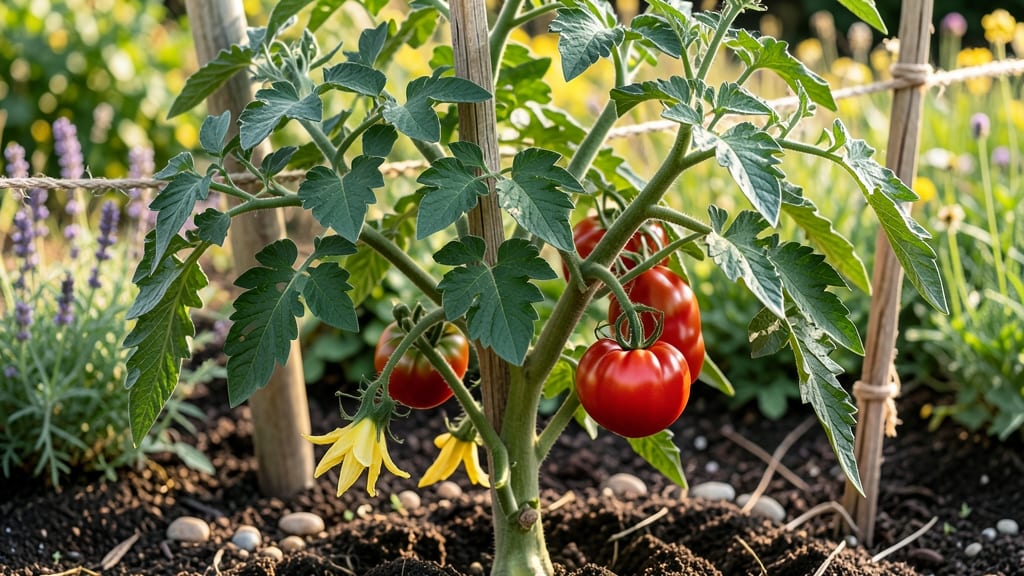
The leaves of a beefsteak tomato plant aren’t just for show—they’re edible greens with a nutty, herb-like flavor that’s perfect for salads or cooking. 🌿 I’ve harvested them for years, and the key to keeping them healthy (and delicious) is understanding what’s normal and what’s not.
Those broad, slightly fuzzy leaves are tougher than they look, but they’ll start sending distress signals if something’s wrong.
Yellowing leaves? That’s often a sign of overwatering or nutrient deficiency, while curling could mean pests or too much sun. Spots might indicate disease or even a simple water splash issue.
The good news is that most problems have simple fixes—like adjusting watering, adding mulch, or introducing beneficial insects. I’ve saved more than a few plants by catching these early.
With the right care, your beefsteak tomato leaves stay vibrant and productive all season long. You’ll end up with more than just big, juicy tomatoes—you’ll have a stash of flavorful greens that turn salads into gourmet meals.
The best part? Healthy foliage means stronger plants that fight off pests and diseases better.
Whether you’re dealing with a single leaf issue or just want to keep your plants thriving, this guide covers the most common problems and how to fix them—without chemicals. Let’s get those leaves looking their best so you can enjoy every part of your tomato plant!
📚 In This Guide
- What you need
- Instructions
- Tips and common mistakes
- Wrapping up and next steps
What you need
- ● Beefsteak tomato seeds or seedlings: Choose heirloom or hybrid varieties like 'Brandywine,' 'Cherokee Purple,' or 'Big Beef' for robust growth.
- ● Containers or garden bed: For containers: 5-gallon pots or larger (at least 12–18 inches deep) with drainage holes.
- ● For garden beds: Well-draining soil in a sunny spot (6–8+ hours of sunlight daily).
- ● High-quality potting mix: A blend of 60% potting soil, 30% compost, and 10% perlite or vermiculite for aeration.
- ● Balanced fertilizer: A 10-10-10 or 5-5-5 NPK ratio (organic options like fish emulsion or worm castings work too!).
- ● Watering can or hose with a gentle spray nozzle: Avoid overwatering—tomatoes hate soggy roots!
- ● Stakes or cages: 6-foot tall stakes or cages (5–6 feet in diameter) to support the plant as it grows.
- ● Pruning shears: Sharp, clean shears to harvest leaves and trim excess growth.
- ● Mulch: Straw or shredded leaves to retain moisture and suppress weeds.
- ● Drip irrigation system: For consistent watering, especially in hot climates.
- ● Compost tea or liquid fertilizer: Boosts flavor and nutrient uptake for those extra-tender leaves!
- ● Row covers or shade cloth: Protects young plants from pests or excessive heat.
- ● Food-safe spray bottle: For rinsing leaves before eating (if using pesticides, opt for neem oil or insecticidal soap).
How to harvest and use beefsteak tomato plant leaves
These nutrient-packed greens are easy to grow and even easier to enjoy—here's how to get the most from them.
🌿 Step 1: Identify and Select Healthy Leaves
Beefsteak tomato leaves are the young, tender growth that appears before the fruit sets. Look for leaves that are 3-6 inches long, deep green, and free of brown spots or yellowing. The best leaves grow near the top of the plant where new shoots emerge—these are the most flavorful and tender.
Harvest in the morning after the dew has dried but before the sun gets too intense. This ensures the leaves are crisp and packed with nutrients. Avoid leaves with visible signs of pests or disease—they won’t taste good and might make you sick. I always run my fingers gently along the stem to check for any hidden issues before cutting.
🌱 Step 2: Harvest Leaves Properly for Continued Growth
Use clean, sharp scissors or pruning shears to snip leaves just above a leaf node or small stem. Cutting too close to the main stem can damage the plant and slow down new growth. I like to leave at least 1-2 inches of stem attached to the main plant—this helps the tomato focus its energy on producing more leaves and fruit.
Start with just a few leaves per plant, especially if it’s young or fruiting. Over-harvesting can stress the plant and reduce your tomato yield. You’ll see new leaves emerge within 7-10 days if you’re harvesting at the right rate. This is your signal that the plant is happy and ready for more.
💧 Step 3: Prepare and Store Leaves for Maximum Flavor
Rinse the leaves gently under cool water to remove any dirt or debris, then pat them dry with a clean towel or paper towels. Beefsteak tomato leaves have a delicate texture, so avoid rough handling—they bruise easily. Once dry, you can store them in an airtight container in the fridge for up to 5-7 days. For longer storage, freeze them in a single layer on a tray before transferring to a bag.
Here’s the thing—these leaves taste best when used fresh. Their nutty, herb-like flavor is reminiscent of basil but with a deeper, earthier note. I often chop them finely and use them like spinach in salads, omelets, or pasta dishes. If you’re feeling adventurous, try sautéing them with garlic and olive oil for a quick side dish.
☀️ Step 4: Encourage More Leaf Growth for a Continuous Harvest
To keep your beefsteak tomato plant producing leaves, make sure it’s getting plenty of sunlight—6-8 hours of direct sun daily. If your plant starts to look leggy or the leaves turn pale, it’s not getting enough light. Move it to a sunnier spot or supplement with a grow light if you’re growing indoors.
Water consistently, keeping the soil evenly moist but not soggy. Beefsteak tomatoes are heavy feeders, so fertilize every 2-3 weeks with a balanced, water-soluble fertilizer. You’ll notice new leaves popping up regularly if the plant is happy and well-cared-for. This means you can enjoy a steady supply of these delicious greens all season long!
Tips & tricks for perfect beefsteak tomato plant leaves
These simple tricks will help you maximize your harvest and keep your tomato plant thriving for delicious greens all season.
Selection Secret: In Step 1, focus on the youngest leaves near the plant’s top—they’re the most tender and flavorful. I’ve learned the hard way that larger, mature leaves can be tough and bitter. Look for leaves with smooth edges and vibrant color, avoiding any with holes or yellowing. These visual cues ensure you’re picking the best for both taste and texture.
Harvesting Technique: When you’re harvesting in Step 2, leave that 1-2 inch stem attached—it’s crucial! This small detail helps the plant redirect its energy to grow more leaves faster. I’ve noticed new growth appears within those 7-10 days when I follow this exactly. Use clean scissors to avoid damaging the plant’s health.
Storage Wisdom: For Step 3, the fridge storage time of 5-7 days works perfectly, but here’s the pro move: freeze any extras you won’t use within that window. Spread them in a single layer on a tray first—they’ll keep their vibrant color and crisp texture when frozen this way. I’ve found this prevents them from turning mushy when thawed.
Growth Boost: In Step 4, those 6-8 hours of sunlight are non-negotiable for healthy growth. If your plant looks pale or leggy, it’s begging for more light! I’ve had great success supplementing with a simple grow light when natural sunlight falls short. The key is consistency—don’t let the soil dry out completely between waterings, and that 2-3 week fertilizer schedule keeps things balanced.
Pro Tips for Beefsteak Tomato Plant Leaves
- These simple tricks will help you maximize your harvest and keep your tomato plant thriving for delicious greens all season.
- Selection Secret: In Step 1, focus on the youngest leaves near the plant’s top—they’re the most tender and flavorful.
- Harvesting Technique: When you’re harvesting in Step 2, leave that 1-2 inch stem attached—it’s crucial!
Frequently asked questions
Got questions about harvesting and using beefsteak tomato plant leaves? You’re not alone! Here are some of the most common queries—and their answers—to help you make the most of these flavorful greens.
Can I eat beefsteak tomato leaves raw?
Yes! Beefsteak tomato leaves are edible raw and pack a nutty, slightly tangy flavor—similar to basil or spinach. Use them fresh in salads, sandwiches, or as a garnish for pasta dishes. Just ensure they’re pesticide-free (organic or homegrown is best) and wash them thoroughly to remove dirt or debris.
How should I prepare beefsteak tomato leaves for cooking?
For cooking, treat them like spinach or kale. Sauté leaves in olive oil with garlic for 1–2 minutes until wilted, or add them to soups, stir-fries, or omelets. They also blend well into pesto or infused oils. Pro tip: Young leaves are more tender—older leaves can be slightly tougher but still delicious when cooked!
When is the best time to harvest leaves for flavor?
The best time to harvest beefsteak tomato leaves is early in the season (before flowering) when they’re tender and most flavorful. You can also pick leaves throughout the growing season, but avoid harvesting too aggressively—leave enough foliage to support the plant’s fruit production. Aim for outer leaves first to minimize stress on the plant.
What can I do if my beefsteak tomato leaves turn yellow or spotty?
Yellow or spotty leaves often signal overwatering, nutrient deficiencies, or disease. Check soil moisture (leaves should wilt slightly before watering) and ensure proper drainage. For nutrient issues, feed the plant with a balanced fertilizer. If disease (like early blight) is suspected, remove affected leaves immediately and treat with neem oil or copper fungicide.
Are there alternatives to beefsteak tomato leaves for cooking?
If you’re out of beefsteak tomato leaves, try tomato plant leaves from other varieties (like cherry or Roma), or swap them for similar-flavored greens like:
- Spinach or Swiss chard (mild, slightly earthy)
- Basil or oregano (herbal, aromatic)
- Kale (heartier, nutty undertones)
- Young nettle leaves (if foraged sustainably—cook to remove sting!)
For a nutty kick, toasted walnuts or pine nuts can also mimic the flavor in dishes.
Wrapping up and next steps
Cultivating beefsteak tomato plant leaves is a game-changer for gardeners who want to maximize their harvest and reduce food waste! These nutrient-packed greens are easy to grow, delicious in salads or cooked dishes, and packed with flavor—no fancy skills required.
Whether you’re a seasoned gardener or just starting, now’s the perfect time to try this simple, rewarding practice.
Ready to elevate your garden? Pick a few leaves from your beefsteak plants this week—your taste buds (and compost bin) will thank you! 🌱🍽️