
Planting
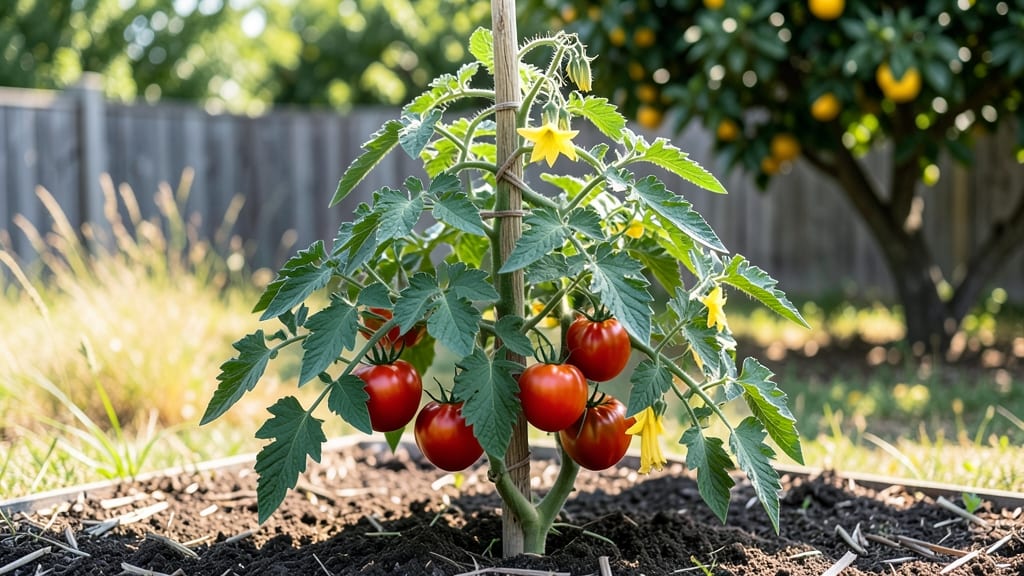
Growing beefsteak tomato plants rewards you with 1-pound fruits that put grocery store tomatoes to shame. 🌱 These giants need space, patience, and the right conditions—but the payoff is worth every effort.
My first beefsteak harvest last summer included tomatoes so heavy they split the vine, and I’ve since perfected the technique to prevent that while maximizing flavor and yield.
The secret starts with rich, well-draining soil mixed with compost and a sturdy cage or trellis to support vines that can grow 6-8 feet tall. Beefsteaks thrive in full sun (8+ hours daily) and need consistent moisture—deep watering 1-2 times weekly—but avoid soggy soil.
Fertilize with a balanced organic blend every 4-6 weeks once flowers appear, and prune suckers regularly to direct energy into fruit production.
By mid-summer, you’ll see glossy green leaves and heavy clusters of fruit ripening from deep red to rich crimson. The flavor is juicy, meaty, and sweet—perfect for slicing, grilling, or sauces.
With proper care, a single beefsteak plant can produce 20-30 pounds of tomatoes, making it a high-yield investment for serious gardeners.
Whether you’re a beginner or a seasoned grower, beefsteaks are a game-changer for home gardens. The key is patience and consistency—these plants don’t rush, but they deliver rewards that last all season. Ready to grow your own? Let’s get started with the essentials.
📚 In This Guide
- What you need
- Instructions
- Tips and common mistakes
- Wrapping up and next steps
What you need
- ● Beefsteak tomato seeds or seedlings: Choose disease-resistant varieties like 'Brandywine,' 'Cherokee Purple,' or 'Big Beef.' (1-2 plants per gardener is ideal!)
- ● Growing containers or garden bed: Containers: 5-gallon pots or fabric grow bags (at least 12" deep and wide).
- ● Garden beds: Well-draining soil with full sun exposure (6+ hours/day).
- ● High-quality potting mix: A blend rich in organic matter (e.g., 60% compost, 30% peat moss, 10% perlite).
- ● Tomato cages or stakes: 5-6 ft tall (for support—beefsteaks grow BIG!).
- ● Balanced fertilizer: 10-10-10 or organic options like fish emulsion (follow package rates).
- ● Mulch: Straw or shredded leaves to retain moisture and suppress weeds.
- ● Hand trowel or transplanting spade (for planting).
- ● Watering can or hose with a gentle spray nozzle (avoid wetting leaves).
- ● Pruning shears (to trim suckers and encourage fruit production).
- ● pH test kit (ideal soil pH: 6.0–6.8).
- ○ Epsom salt (magnesium sulfate) (optional, for leaf health—1 tbsp per gallon of water, monthly).
- ● Row covers or shade cloth (to protect from pests or harsh sun).
Step-by-step instructions for growing a thriving beefsteak tomato plant
Here’s how I grow beefsteak tomatoes that produce those legendary 12-ounce monsters—no fancy tricks, just reliable techniques.
🌱 Step 1: Choose the Right Location and Prepare the Soil
Beefsteak tomatoes demand full sun—at least 8 hours daily—so pick a spot that gets unfiltered morning light and afternoon warmth. I avoid shady corners or areas where nearby plants will compete for nutrients. The soil must drain well, so if your garden holds water, amend it with 2-3 inches of compost mixed into the top 12 inches of soil.
Test the pH before planting—beefsteaks thrive in slightly acidic soil (6.0-6.8). If your soil is too alkaline, work in sulfur or peat moss to lower the pH gradually. I also add a 5-10-10 fertilizer at planting time to give those heavy fruits the phosphorus boost they need for strong roots.
☀️ Step 2: Plant Deeply and Support the Vine Early
Dig a hole deep enough to bury ⅔ of the stem—yes, that’s right, not just the root ball. Beefsteaks develop extra roots along buried stems, which means more water and nutrient uptake for those massive fruits. Gently loosen the roots if they’re circling in the pot, then place the plant so the top ⅓ of the stem stays above ground.
Install a 6-foot tomato cage or sturdy stake immediately—don’t wait for vines to sag. I use heavy-duty wire cages because beefsteaks can get top-heavy. Secure the plant to the support with soft ties or old pantyhose to prevent stem damage as it grows. Water deeply right after planting to settle the soil and encourage root spread.
💧 Step 3: Water Deeply and Consistently
Beefsteak tomatoes hate inconsistent moisture. Water 1-2 inches per week, but check the soil first—top 2 inches should feel dry before watering again. I use a soaker hose to deliver water at the base, avoiding wet leaves (which invites disease). Early in the morning is best to let foliage dry before evening humidity sets in.
Mulch with 3-4 inches of straw or shredded leaves to retain moisture and keep roots cool. This is especially critical during fruit set—uneven watering causes blossom-end rot, and that’s the last thing you want with a beefsteak. Watch for yellowing lower leaves—this often signals overwatering, not underwatering.
✂️ Step 4: Prune and Fertilize for Maximum Yield
Prune suckers (those little shoots in the leaf axils) weekly to direct energy into fruit production. Beefsteaks benefit from open-center pruning, so remove all suckers below the first flower cluster. I also trim back lower leaves that touch the soil to improve airflow and reduce disease risk.
Fertilize every 3-4 weeks with a balanced 10-10-10 or tomato-specific formula once flowers appear. When fruits start forming, switch to a low-nitrogen, high-phosphorus feed (5-10-10) to support heavy fruit development. Too much nitrogen now = leafy vines, fewer tomatoes.
🍅 Step 5: Harvest at Peak Ripeness for Best Flavor
Wait until beefsteaks are fully red and slightly soft to the touch before picking—those 12-ounce beauties won’t ripen further off the vine. I harvest in the morning when sugars are highest, cutting stems with pruners to avoid damaging the plant. Store unripe tomatoes at room temperature; they’ll ripen in 3-5 days if left on the counter.
After harvest, remove all remaining fruit and prune the vine back to 6 inches tall. This signals the plant to redirect energy into root and stem growth for next season. Compost any diseased or blighted foliage immediately—don’t add it to your garden beds.
Tips & tricks for growing legendary beefsteak tomatoes
Growing beefsteak tomatoes that reach their full potential takes more than just planting seeds. Here's what I've learned from years of growing those massive, flavor-packed fruits.
Sunlight Secret: While the instructions call for at least 8 hours of direct sunlight, I've found that beefsteaks actually thrive with a full 10-12 hours of sunlight daily during peak summer months. Position your plants where they'll get morning sun and afternoon warmth—this is when they need the most energy for fruit development. If your location has shorter daylight hours, consider using reflective mulch or nearby mirrors to bounce extra light onto the plants.
Root Development Hack: When planting, don't just bury the root ball—bury two-thirds of the stem as instructed. This might seem counterintuitive, but those buried stems will develop additional roots that provide more stability and nutrient uptake for those heavy fruits. I like to make small slits along the buried stem with a knife to encourage even more root growth.
Watering Wisdom: The 1-2 inches per week guideline is spot-on, but timing matters just as much as quantity. I water my beefsteaks in the early morning between 6-8 AM when evaporation rates are lowest. This gives the plants time to absorb moisture before the heat of the day. During fruit set, I increase watering slightly to 1.5-2 inches per week—this prevents blossom-end rot, which can ruin an entire harvest.
Pruning Precision: Weekly pruning of suckers is crucial, but I've learned to be more selective than just removing everything. Leave 2-3 suckers near the top of the plant to encourage bushier growth at the top where the heaviest fruits will form. This creates a stronger structure to support those 12-ounce tomatoes. Always use clean, sharp pruners to avoid damaging the plant and spreading disease.
Pro Tips for Beef Steak Tomato Plant
- Growing beefsteak tomatoes that reach their full potential takes more than just planting seeds. Here's what I've lear...
- Sunlight Secret: While the instructions call for at least 8 hours of direct sunlight, I've found that beefsteaks actu...
- Root Development Hack: When planting, don't just bury the root ball—bury two-thirds of the stem as instructed. This m...
Frequently asked questions
Got questions about growing beefsteak tomatoes like a pro?
Here are answers to the most common queries—from planting to harvest—so you can enjoy juicy, homegrown tomatoes all season long!
When is the best time to plant beefsteak tomato seeds or seedlings?
Plant beefsteak tomato seeds indoors 6–8 weeks before your last frost date, or transplant seedlings outdoors after soil temps hit 50°F (10°C) and nighttime temps stay above 55°F (13°C). Avoid planting too early—cold soil can stunt growth. For warm climates, start in early spring.
How long does it take for beefsteak tomatoes to grow and produce fruit?
From seed to harvest, beefsteak tomatoes typically take 70–90 days in ideal conditions. Seedlings planted in spring may fruit by mid-summer, while fall plantings could yield tomatoes until first frost. Patience pays off—these vines need time to establish strong roots and set heavy fruit!
Why aren’t my beefsteak tomatoes ripening? What’s wrong?
Several factors can delay ripening: cool temps (below 60°F/15°C), lack of sunlight (6+ hours daily), or overcrowding. Check for pests (like hornworms) and ensure consistent watering (deep but not soggy). If nights stay chilly, harvest green tomatoes and ripen indoors with a banana or apple nearby!
Can I grow beefsteak tomatoes in containers? What’s the best setup?
Use a 5-gallon+ container with drainage holes and a balanced potting mix. Add a cage or trellis for support—beefsteak vines can grow 6+ feet tall. Place containers in full sun and fertilize weekly with tomato-specific feed. Just avoid shallow pots that dry out too fast!
Are beefsteak tomatoes good for cooking, or just fresh eating?
These tomatoes are versatile superstars! Their thick flesh and low acidity make them perfect for slicing, grilling, or sauces. Try them in Caprese salads, bruschetta, or homemade salsa. For cooking, remove seeds to avoid watery dishes. Pro tip: Underripe beefsteaks hold up best to heat—harvest when firm but still slightly green!
What can I do if my beefsteak plant gets blight or other diseases?
Prevent fungal diseases (like early blight) with crop rotation, mulch, and space plants 2–3 feet apart for airflow. If spotted, prune infected leaves immediately and spray with a copper fungicide. Avoid overhead watering—water at the base instead. For severe cases, consider removing the plant to protect others.
Wrapping up and next steps
Growing a beefsteak tomato plant is a rewarding journey that brings bold flavors and stunning vines to your garden—or even your kitchen windowsill! 🌱 With the right soil, sunlight, and care, you’ll soon be harvesting juicy, vine-ripened tomatoes that taste like summer in every bite.
Whether you’re a seasoned gardener or a curious beginner, this recipe for success is yours to savor.
Ready to take the next step? Start small—plant your seeds or seedlings this season and watch your garden thrive! For extra tips, join gardening communities or experiment with companion plants like basil to boost your harvest. Happy growing! 🌿