
Companion Plants
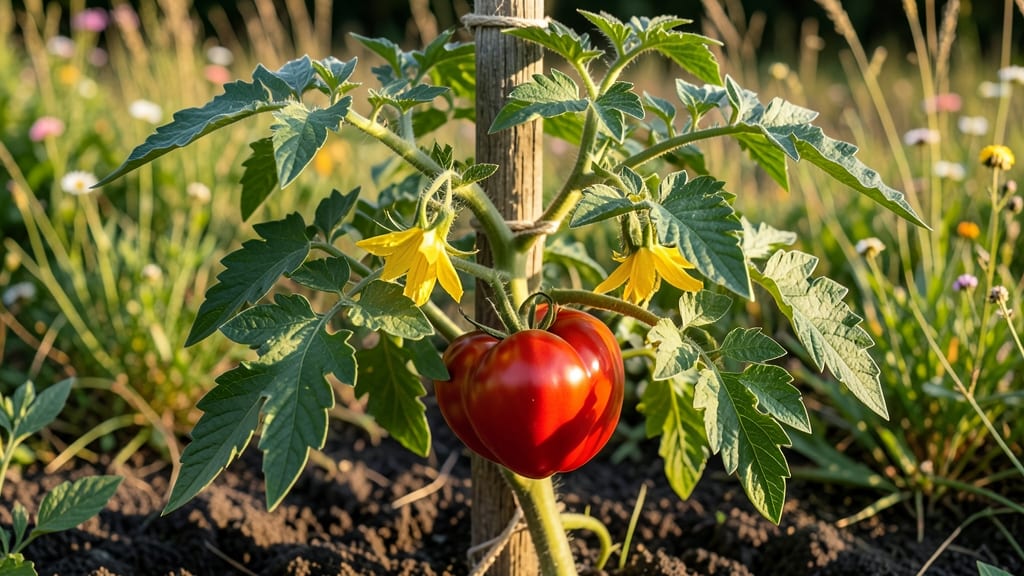
Growing beefsteak tomato plants in pots lets you enjoy 10-pound monsters right on your patio—no backyard needed. 🌱 I’ve grown these giants in containers for years, and the secret isn’t just the right pot size or soil mix (though those matter).
It’s the confidence that comes from knowing how to coax those heavy vines into producing fruit that makes your neighbors jealous.
The biggest mistake I see? Underestimating how much space those roots need. A 5-gallon pot might work for cherry tomatoes, but beefsteaks demand at least 15 gallons—think bushel baskets or sturdy fabric grow bags.
Pair that with loose, well-draining soil (add compost and perlite if yours is heavy), and you’ve got the foundation for vines that climb like jungle lianas but stay contained.
By mid-summer, you’ll be harvesting glossy, beefy red slices that taste like nothing from the grocery store. The key is consistent watering—deep soaks 2-3 times a week—and pruning to focus energy on fruit, not leaves. Even my black thumb can’t kill these when I follow these rules.
Works for balconies, rooftops, or sunny porches. The only limit is how much you’re willing to eat (or share). Let’s get those pots planted!
📚 In This Guide
- What you need
- Instructions
- Tips and common mistakes
- Wrapping up and next steps
What you need
- ● Containers: 5-gallon pots (or larger) – At least two 5-gallon pots per plant (or one 10+ gallon pot for a single beefsteak) to support deep roots and heavy fruit. Use pots with drainage holes!
- ● Potting Mix: High-quality, well-draining mix – A 50/50 blend of potting soil and compost (or a tomato-specific mix) works best. Avoid garden soil—it compacts and drains poorly.
- ● Beefsteak Tomato Seeds or Seedlings: Choose determinate or indeterminate varieties suited for containers (e.g., 'Better Boy,' 'Brandywine,' or 'Celebrity'). Start seeds indoors 6-8 weeks before last frost or buy healthy seedlings.
- ● Support System: Cage, trellis, or stakes – A 5-6 foot tall tomato cage or sturdy bamboo stakes (with soft ties) to support vines and fruit.
- ● Watering Can or Hose with Nozzle: For deep, consistent watering – Aim for 1-2 gallons per plant daily during peak growth (adjust for climate).
- ● Fertilizer: Balanced organic fertilizer – Use a 10-10-10 or 5-5-5 NPK ratio (or compost tea) every 2-3 weeks after flowering begins.
- ● Mulch: Straw or shredded leaves – Spread 2-3 inches around the base to retain moisture and suppress weeds.
- ● Pruning Shears: For shaping and harvesting – Keep vines trimmed to improve airflow and focus energy on fruit production.
- ● Self-Watering System: Drip irrigation or a wicking bed kit to automate watering.
- ● Companion Plants: Basil, marigolds, or nasturtiums to repel pests and boost growth.
- ● Grow Lights: If starting seeds indoors, a full-spectrum LED grow light (12-16 hours/day).
- ● Epsom Salt: A tablespoon per plant monthly for magnesium boosts (especially in flowering stages).
Step-by-step guide for growing beefsteak tomatoes in containers
Here's how to coax those massive beefsteak fruits from your patio pots—no garden needed.
🪴 Step 1: Select the Right Containers and Drainage
Beefsteak tomatoes need 5-gallon containers minimum—their deep roots demand space. I use fabric grow bags because they prevent root circling and allow excess water to evaporate through the walls. If using traditional pots, ensure they have multiple drainage holes (at least three) to prevent soggy roots.
Drill extra holes if needed, then line the bottom with 1-2 inches of gravel to create an air pocket. This prevents the roots from sitting in stagnant water, which causes rot. Place your pots where they won’t be disturbed—they’ll get top-heavy as the vines grow.
🌱 Step 2: Plant with High-Quality Potting Mix and Support
Fill the pot with premium potting mix (never garden soil—it compacts and suffocates roots). I blend mine with 1 cup of compost and a handful of perlite for extra aeration. Leave 2 inches of space at the top for watering.
Plant your beefsteak tomato one week after your last frost date—they’re sensitive to cold. Bury the stem up to the first set of leaves to encourage stronger root growth. Immediately install a 6-foot tomato cage or sturdy bamboo stake before planting. These vines get heavy, and retrofitting support later risks toppling the pot.
☀️ Step 3: Provide Full Sun and Consistent Watering
Beefsteaks demand 6-8 hours of direct sun daily. A south-facing spot is ideal, but if your patio gets afternoon shade, supplement with a grow light for 14-16 hours/day. You’ll know they’re getting enough light when the leaves are deep green and compact—not stretched or pale.
Water deeply 2-3 times per week, soaking until water runs out the drainage holes. Let the top 2 inches of soil dry between waterings—this prevents blossom-end rot. Mulch with 2 inches of straw to retain moisture and keep roots cool. Avoid wetting the leaves when watering—this reduces disease risk.
✂️ Step 4: Prune and Train for Maximum Yield
Prune suckers (the small shoots that form in the leaf axils) weekly to direct energy into fruit production. Remove any suckers larger than 2 inches—they’ll compete with your main stem. Pinch off the top set of leaves once the plant hits your cage’s top to stop vertical growth and encourage bushier, fruit-heavy vines.
When the first 6-8 flowers appear, remove the bottom leaves up to 12 inches from the soil. This improves airflow and prevents soil-borne diseases. Beefsteaks produce heavy fruit, so tie the main stem to the cage every 2-3 feet to prevent snapping in wind or rain.
🍅 Step 5: Harvest and Maintain Through the Season
Harvest when tomatoes are fully colored but still slightly firm—this ensures peak flavor and prevents cracking. Cut fruit with 2 inches of stem to avoid damaging the vine. I pick every 2-3 days during peak season to keep production going.
Fertilize every 4-6 weeks with a balanced tomato fertilizer (10-10-10 or 5-5-5). Stop fertilizing 4-6 weeks before your first frost—this helps the plant harden off. If your season runs long, prune old leaves to improve airflow and reduce disease risk as temperatures drop.
Tips & tricks for perfect beefsteak tomato container cultivation
Here's what I learned after growing beefsteak tomatoes in containers for five seasons—these tricks will help you avoid common pitfalls and maximize your harvest.
Container Size Matters: While the instructions specify a 5-gallon minimum, I've found that beefsteak tomatoes thrive best in 7-gallon containers when grown in urban settings. The extra space accommodates their deep root systems and prevents competition for nutrients, especially during peak fruiting. If you must use 5-gallon pots, supplement with an extra 1 cup of compost every 2 weeks during flowering to compensate for limited root space.
Support System Strategy: The instructions recommend installing support immediately, but I've discovered a better approach: use adjustable tomato cages with removable side panels. These allow you to gradually expand the growing space as the vine matures, preventing the plant from outgrowing its support. For windy locations, consider adding extra ties at 1-foot intervals along the main stem—this creates a more stable structure that won't snap in storms.
Watering Wisdom: The 2-3 times per week watering guideline works for average conditions, but container-grown beefsteaks often need more frequent hydration. I've developed a simple test: stick your finger 2 inches into the soil at the 5 PM mark. If it's dry, water thoroughly. This evening watering schedule prevents afternoon wilting and helps maintain consistent moisture levels. For hotter climates, consider adding 1 inch of extra straw mulch to retain moisture longer.
Pruning Precision: When removing suckers larger than 2 inches, I've found that timing matters. Always prune on overcast days or early morning when temperatures are cooler. This reduces stress on the plant and minimizes the risk of sunburn on exposed stems. For the top leaves, I recommend using clean, sharp pruning shears rather than pinching by hand—this creates cleaner cuts that heal faster and reduces the chance of disease entry points.
Pro Tips for Beefsteak Tomato Plants In Pots
- Here's what I learned after growing beefsteak tomatoes in containers for five seasons—these tricks will help you avoi...
- Container Size Matters: While the instructions specify a 5-gallon minimum, I've found that beefsteak tomatoes thrive ...
- Support System Strategy: The instructions recommend installing support immediately, but I've discovered a better appr...
Frequently asked questions
Got questions about growing beefsteak tomatoes in pots?
You’re not alone! Here are answers to the most common queries to help you cultivate a thriving vine and a harvest of juicy, flavorful tomatoes—even in containers.
What size pot is best for beefsteak tomato plants?
Beefsteak tomatoes need 5-gallon pots minimum (or larger) to support their deep roots and heavy fruit. Opt for pots at least 12–18 inches deep and 18–24 inches wide for one plant. Larger pots (like 7+ gallons) reduce watering frequency and improve stability. Pro tip: Add drainage holes to prevent root rot!
When is the best time to plant beefsteak tomatoes in pots?
Start seeds 6–8 weeks before your last frost date indoors, then transplant seedlings outdoors after soil temps hit 55°F+ and nighttime temps stay above 50°F. For warmer climates, plant in early spring (March–April). Wait until after frost—cold snaps stunt growth.
How often should I water potted beefsteak tomatoes?
Water deeply 1–2 times per week (more in extreme heat), ensuring soil stays consistently moist but not soggy. Let the top inch dry out between waterings. Morning watering prevents fungal issues. Check soil moisture—stick your finger in! Overwatering = root rot; underwatering = blossom end rot.
Can I grow beefsteak tomatoes in pots without a cage or trellis?
Yes, but pruning and support are key! Beefsteaks grow 4–6 feet tall and need guidance. Use bamboo stakes, tomato cages, or a sturdy trellis to prevent sprawling. Pinch suckers (side shoots) to direct energy to fruit. Without support, plants may flop or break under heavy tomatoes.
What pests or diseases should I watch for in potted beefsteak tomatoes?
Common issues include:
- Blossom end rot: Caused by calcium deficiency or uneven watering. Fix with Epsom salt (1 tbsp/gallon) and consistent moisture.
- Whiteflies/aphids: Spray with neem oil or insecticidal soap.
- Fungal diseases (early blight): Improve airflow, avoid overhead watering, and remove infected leaves.
Prevention tip: Use lightweight potting mix (not garden soil) to reduce compacting and disease risk.
Wrapping up and next steps
Growing beefsteak tomato plants in pots is a rewarding adventure that brings fresh, homegrown flavor right to your doorstep—literally! With the right containers, companion plants, and care, you’ll enjoy lush vines and juicy tomatoes even in small spaces.
Whether you’re a seasoned gardener or just starting out, this method proves that big harvests don’t need big yards.
Ready to dive in? Start small: pick a sunny spot, grab your supplies, and plant those seeds or seedlings this week! 🌱✨ Your first beefsteak tomato is just a season away—happy growing!