
Plants
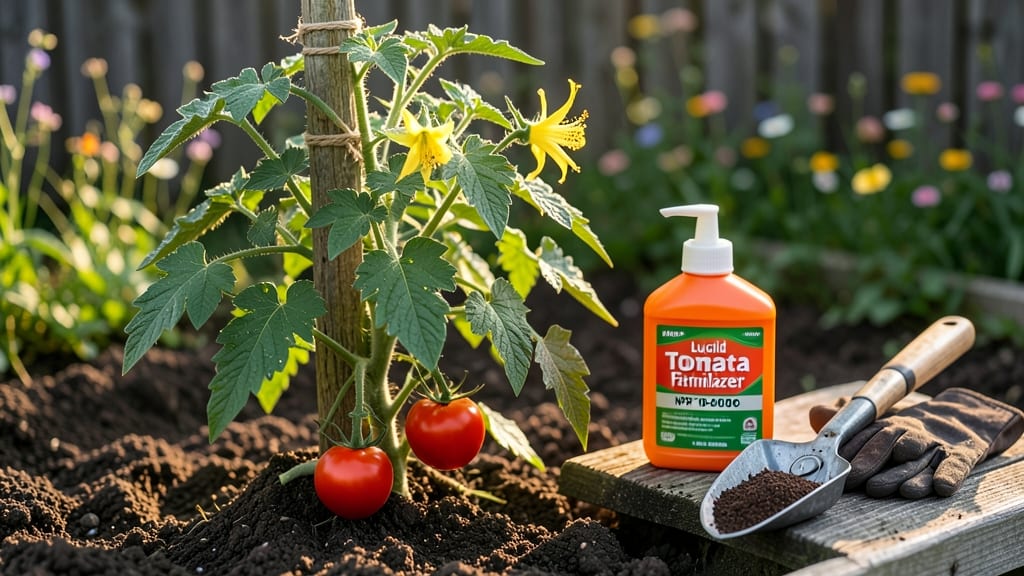
A tomato plant fertilizer schedule is the game-changer between a handful of sad, mealy tomatoes and a vine bursting with juicy, flavor-packed fruit.
Struggling to get the biggest, juiciest tomatoes from your garden? The secret isn’t just water and sunlight—it’s a science-backed fertilizer schedule that feeds your plants exactly what they need, when they need it.
Too much fertilizer too soon, and you’ll burn those delicate roots. Too little, and your plants will fight to produce fruit instead of growing strong. This guide breaks down the month-by-month plan—from pre-planting boosts to fruiting-stage feeds—so you never miss a feeding window again.
Discover the best organic vs. synthetic options, how to spot nutrient deficiencies early, and when to stop fertilizing before the first frost. By the end, you’ll know exactly how to feed your 🍅 tomatoes for maximum yield and flavor.
Monthly tomato fertilizer schedule for high-yield harvests
Tomatoes are hungry plants—literally! They demand nutrients at specific growth stages to produce those sweet, juicy fruits. A monthly fertilizer schedule ensures your plants get the right balance of nitrogen (N), phosphorus (P), and potassium (K) without overloading them.
Too much fertilizer too soon? You’ll get leafy monsters with no fruit. Too little? Stunted growth and poor yields. Let’s fix that with a science-backed plan tailored to each month’s needs.
Your tomato’s journey starts with seedlings needing gentle feeding, shifts to flowering when phosphorus boosts root growth, and peaks during fruiting with potassium for flavor. Organic options like compost tea or fish emulsion build soil health, while synthetic 10-10-10 delivers quick results.
Below, I’ll break down exactly what to feed and when, so you can harvest bigger, tastier tomatoes by season’s end.
Let’s dive into why this schedule works. In April, seedlings need gentle feeding to avoid burning tender roots. A 5-5-5 ratio provides equal parts nitrogen (for leaves), phosphorus (for roots), and potassium (for overall health).
By May, when flowers appear, phosphorus-rich fertilizers (like 3-10-5) encourage root and bloom development. Skip this step, and you’ll get fewer flowers and smaller fruit.
June and July are critical for fruit production. Here, potassium (the "K" in NPK) becomes your best friend—it boosts flavor, disease resistance, and fruit firmness. A 5-5-10 ratio ensures your tomatoes stay juicy and sweet, not mealy. Pro tip: Foliar sprays with liquid potassium (like seaweed extract) can give an extra flavor kick without overloading the soil.
By August, your plants are fruiting hard. Reduce fertilizer to half-strength to avoid late-season growth that won’t mature before frost. Instead, focus on water and mulch to protect roots. September onward, stop fertilizing entirely—your tomatoes need 4-6 weeks before frost to ripen existing fruit.
Over-fertilizing now can lead to blossom end rot or split tomatoes.
Organic vs. synthetic? Both work, but organic options (like compost or fish emulsion) feed soil microbes, improving long-term health. Synthetics (like 10-10-10) deliver quick nutrients but can burn roots if overused. For container tomatoes, cut rates by half—they dry out faster and need less fertilizer. Always water deeply after feeding to wash nutrients into the root zone and prevent leaf burn.
Watch for yellow leaves (nitrogen deficiency) or purple stems (phosphorus lack). Adjust your schedule by adding compost or a quick-acting fertilizer like blood meal (for nitrogen) or greensand (for potassium). With this monthly plan, you’ll go from store-bought bland tomatoes to homegrown flavor bombs in no time.
Signs your tomatoes need fertilizer (and how to fix it)
Your tomato plants might be silently screaming for nutrients without you realizing it. Yellow leaves, stunted growth, or even blossom end rot are classic red flags that your plants aren’t getting the right fertilizer balance.
These signs often mean your tomatoes are missing key nutrients like nitrogen, phosphorus, or potassium.
I’ve seen home gardeners ignore these warnings until their plants collapse under stress. The good news? Fixing nutrient deficiencies is easier than you think. With the right fertilizer adjustments—whether store-bought or DIY—you can revive your plants and boost your harvest in just a few weeks.
⚠️ callout-warning
Too much fertilizer—especially nitrogen—can burn roots and attract pests. Always follow the label instructions and water thoroughly after application. For organic options, dilute homemade compost tea to half-strength to avoid salt buildup.
Tomato plant fertilizer schedule tip: Split applications into smaller doses every 2-3 weeks during the growing season instead of one heavy feeding.
If your tomato leaves turn yellow but stay green near the veins, your plant needs nitrogen. This nutrient fuels leafy growth, and a deficiency often appears first on older leaves.
A quick fix? Sprinkle 1 tbsp of blood meal around the base and water it in. For faster results, use a balanced fertilizer like 10-10-10 at half strength.
For stunted growth or weak stems, phosphorus is likely the culprit. This nutrient supports root and flower development. Boost it with a phosphorus-rich fertilizer like bone meal or a compost tea brewed with banana peels (potassium + phosphorus combo). Apply it when you see flower buds forming to encourage fruiting.
One of the most heartbreaking issues is blossom end rot, where the bottom of your tomatoes turns black and mushy. This is usually a calcium deficiency, but it’s often triggered by irregular watering or potassium imbalances.
Fix it by watering deeply and consistently, adding crushed eggshells (for calcium), and sprinkling wood ash (for potassium) around the base.
Don’t forget to test your soil every few years—especially if you’ve been gardening for multiple seasons. A simple soil pH test (aim for 6.0–6.8 for tomatoes) can reveal if your plants aren’t absorbing nutrients properly.
If your soil is too acidic or alkaline, amend it with lime (to raise pH) or sulfur (to lower pH) before fertilizing.
With these fixes, your tomato plants will bounce back stronger than ever. Keep an eye on their progress, and adjust your fertilizer schedule based on their responses—your future harvests will thank you! 🍅