Planting
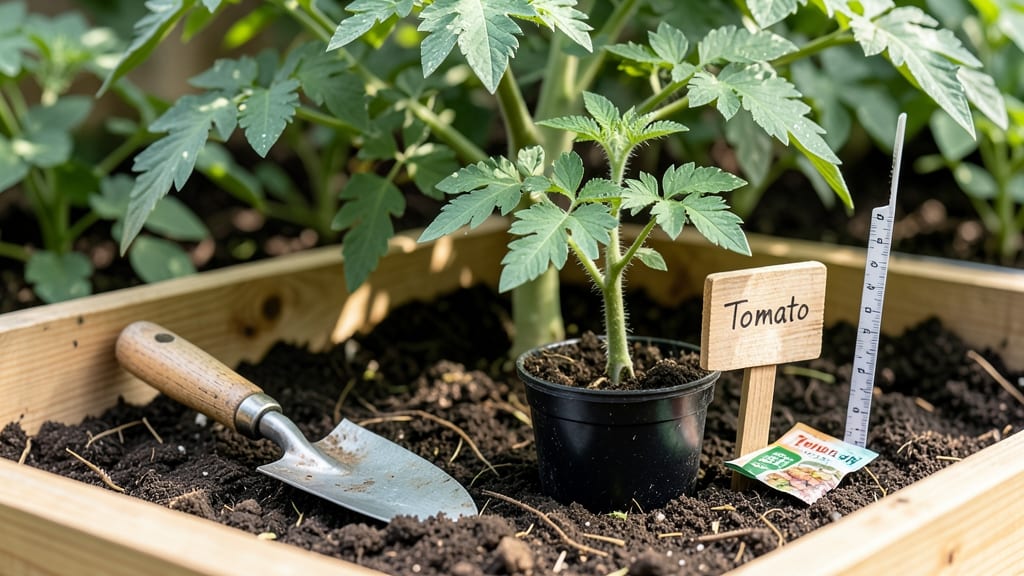
Planting tomato seeds how deep should tomato seeds be planted at ¼-inch deep is the sweet spot for strong, healthy starts 🍅 — too shallow and they dry out, too deep and they struggle to break through.
Picture this: you’ve prepped your soil, sown your seeds, and waited patiently for those first green shoots—only to have them fail to emerge. That’s the heartbreak of planting too deep, and it happens more often than you’d think.
Getting the depth right isn’t just about following a rule; it’s about giving your tomato seeds the perfect balance of moisture, warmth, and air circulation to sprout confidently. The good news? A little attention to soil type, seed size, and environmental conditions can turn a guess into a guaranteed success.
In this guide, you’ll learn the exact planting depth for different seed types, how to adjust for your soil, and the three critical mistakes that kill seedlings before they even start. Let’s get those tomatoes off to the best possible beginning.
The ideal tomato seed planting depth by seed type (with exact measurements)
Getting the tomato seed planting depth right is the foundation for strong, healthy plants. Too shallow, and seeds dry out before sprouting; too deep, and seedlings struggle to reach the surface.
The ideal depth varies by seed type—whether you're planting tiny heirloom seeds or larger hybrid varieties—and even the soil conditions play a role.
Most gardeners swear by the ¼-inch rule for tomato seeds, but this isn't one-size-fits-all. Heirloom seeds, often smaller and lighter, need gentler handling, while hybrid seeds with thicker coatings can tolerate slightly deeper planting. Understanding these nuances ensures your seedlings emerge with vigor, not weakness.
Why depth matters: Seeds need darkness to trigger germination, but they also require access to moisture and warmth. Planting too deep forces seedlings to expend energy breaking through compacted soil, while shallow planting risks exposure to drying winds or extreme temperatures. The goal? A balance that lets roots establish while keeping the seed safe.
Here’s the exact planting depth guide for tomato seeds, seedlings, and transplants, tailored to your growing setup:
For heirloom tomato seeds, I recommend using a fine-mesh sifter to avoid burying them too deeply. These seeds are often lighter and may need just a dusting of soil—think ⅛-inch maximum.
If your soil is dense or heavy, consider mixing in perlite or sand to improve drainage and reduce compaction around the seed.
When transplanting seedlings, depth becomes even more critical. Bury them up to their first true leaves (the second set after the initial cotyledons). This encourages root growth while protecting the delicate stem.
If you notice the stem turning white or the leaves yellowing after transplanting, you’ve likely buried it too deep—adjust next time!
Soil temperature also influences depth. In cooler climates (USDA Zones 1-5), plant seeds slightly deeper—up to ½-inch—to insulate them from chilly soil. Warmer zones (Zones 6+) can stick to the standard ¼-inch rule, but always wait until soil reaches at least 60°F before planting.
Pro tip: Use a toothpick or pencil to create small holes for seeds, then cover them gently with soil. This ensures consistent depth and prevents overcrowding. After planting, lightly mist the soil to settle it without disturbing the seeds—this keeps them snug in place for optimal germination.
Remember, moisture retention is just as important as depth. After planting, cover your seed trays or beds with plastic wrap or a humidity dome to trap warmth and moisture.
Check daily to prevent mold, and remove the cover once sprouts appear. This simple step can boost germination rates by up to 30%!
Once your seedlings emerge, resist the urge to move them immediately. Let them develop 2-3 sets of true leaves before hardening off (acclimating to outdoor conditions). This gives their roots time to strengthen after the initial stress of germination and ensures they’re ready for transplanting into the garden.
🌱
5 Common mistakes that kill tomato seedlings (and how to fix them)
Even with the right planting depth, tomato seedlings often fail due to preventable mistakes. I’ve lost more than a few batches myself, and the most common culprits are overcrowding, inconsistent moisture, and poor soil structure.
These issues don’t just stunt growth—they can kill seedlings before they even reach transplant size.
Let’s tackle the top 5 mistakes head-on, including how to diagnose them and fix them fast. The good news? Most of these fixes take less than 10 minutes and can save your entire crop.
Start by checking your seedlings for these warning signs: yellowing leaves, stunted growth, or blackened stems.
⚠️ callout warning
Planting tomato seeds too deep (over ½ inch) forces seedlings to struggle upward, creating weak stems. Planting too shallow (under ¼ inch) risks exposing seeds to drying out. The golden rule is ¼ inch deep—no exceptions! For transplants, bury up to the first true leaves to encourage root growth without suffocating the plant.
First up: over-planting. I’ve seen gardeners squeeze seeds too close together, thinking more seeds mean more plants. But crowded seedlings compete for nutrients and sunlight, leading to leggy, weak stems.
The fix? Thin seedlings to 12–18 inches apart once they have 2–3 true leaves. Use scissors to snip at soil level—never pull—to avoid disturbing roots.
Next, under-planting—or planting too shallow—is just as deadly. Seeds left on the surface dry out fast, especially in hot climates. If you’ve planted seeds and they’re not sprouting within 10–14 days, they’re likely too exposed.
Replant them ¼ inch deep immediately, keeping the soil moist with a spray bottle until germination.
Soil compaction is another silent killer. Packed soil cuts off oxygen flow to roots, causing seedlings to turn purple or wilt. To test, press your finger into the soil—if it springs back slowly, it’s compacted.
The solution? Loosen the top 2 inches of soil with a fork or your fingers. Mix in compost or perlite to improve aeration and drainage.
Moisture issues top the list of seedling killers. Too much water drowns roots; too little causes seeds to dry out. I’ve found the spray bottle method works best for seeds—keep soil damp (not soggy) until germination.
Once seedlings emerge, water at the base in the morning to prevent fungal diseases like damping off. A moisture meter is worth the investment if you’re serious about tomatoes!
Lastly, poor lighting weakens seedlings, making them susceptible to pests and disease. If your seedlings are stretching toward light (a sign of etiolation), move them to a sunnier spot or supplement with a grow light.
Rotate trays daily so they grow straight. With these fixes, your seedlings will grow strong enough for transplanting in 4–6 weeks—ready for the garden! 🌱