
Plants
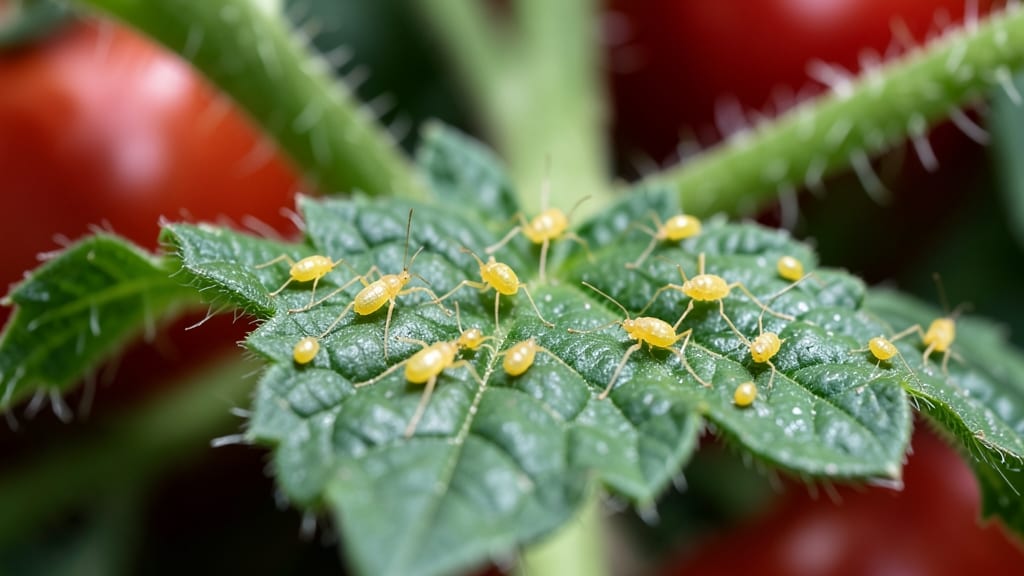
Yellow bugs on tomato plants mean it’s time to act fast—these tiny invaders can strip your plants bare in days. 🌱 I’ve battled them myself, and the key is a natural defense spray that works within hours, not weeks.
The secret isn’t complicated: a mix of ingredients you likely already have that disrupts their life cycle without harming your tomatoes. Most people wait too long, thinking a few bugs won’t matter. Wrong.
Aphids, whiteflies, and spider mites multiply fast, leaving behind sticky residue that attracts mold and weakens your plants. But with the right spray—homemade, non-toxic, and ready in 5 minutes—you can stop the damage before it starts.
I’ve saved entire tomato plants with this method, even when they were already infested. What you’ll get is a foolproof spray that kills bugs on contact while also repelling future pests. No harsh chemicals, no waiting for results—just healthy, thriving tomato plants by your next watering session. The best part?
It’s safe for kids, pets, and beneficial insects like ladybugs. Works for greenhouse tomatoes, container plants, or in-ground beds—just adjust the spray volume. Let’s tackle this infestation before it ruins your harvest!
Root Causes Of Tiny Invaders
When you spot tiny yellow bugs clinging to your tomato plants, it’s rarely just bad luck—it’s usually a mix of environmental conditions, plant stress, and the bugs’ natural behaviors.
Understanding these triggers helps you disrupt their life cycle before they decimate your harvest. Here’s why these pests show up in the first place:
Yellow bugs like aphids and whiteflies thrive in warm, moist environments—especially when soil temperatures climb above 75°F (24°C). Here’s how it happens:
- Stagnant moisture: Overwatering or compacted soil traps heat near roots, creating a cozy breeding ground. Bugs detect these "sweet spots" and cluster where humidity lingers.
- Root stress: Poor drainage forces roots to work harder, weakening the plant’s defenses. Stressed plants release volatile organic compounds (VOCs) that attract pests like a dinner bell.
- Mulch buildup: Thick organic mulch (like grass clippings) can smother soil, trapping heat and moisture—perfect for aphid colonies.
💡 Pro Tip: Test your soil’s drainage by digging a 6-inch hole, filling it with water, and timing how long it takes to drain. If it’s slower than 4 hours, amend with perlite or sand.
Bugs target plants that can’t fight back. When tomatoes lack key nutrients, they become easy prey. Here’s the breakdown:
| Deficiency | Bugs Attracted | Why It Happens |
|---|---|---|
| Nitrogen (🟢 Pale leaves) | Aphids, Spider Mites | Weak new growth = softer tissue for bugs to pierce and feed on. |
| Potassium (🟡 Brown leaf edges) | Whiteflies, Thrips | Reduced sap thickness makes plants more vulnerable to sap-sucking pests. |
| Phosphorus (🔴 Purple stems) | Fungus Gnats (indirectly) | Slow root growth = compacted soil, which traps moisture and invites gnats. |
💡 Pro Tip: Use a balanced fertilizer (10-10-10) at planting, then switch to a low-nitrogen, high-potassium (5-10-10) feed when flowers appear to harden plants.
Bugs hide in plain sight—literally. When tomato plants are too close together or surrounded by debris, they create micro-ecosystems that protect pests from predators and sprays. Here’s how:
- Shaded leaves: Bugs like thrips prefer the undersides of leaves where humidity is higher and natural enemies (like ladybugs) can’t reach.
- Leaf litter: Fallen leaves or grass clippings near plants act as hibernation havens for overwintering eggs. By spring, they hatch into full-blown infestations.
- Weeds as buffers: Weeds like purslane or dandelions host aphids, which then migrate to your tomatoes via wind or garden tools.
💡 Pro Tip: Prune tomato plants to improve airflow (aim for 12–18 inches between stems). Remove debris within a 3-foot radius of plants to starve hiding pests.
Bugs don’t just appear—they’re part of a delicate food chain. When their predators vanish, their populations explode. Common disruptors:
- Pesticide overuse: Broad-spectrum sprays (like neonicotinoids) kill ladybugs, lacewings, and parasitic wasps—the bugs’ natural enemies—while sparing the pests themselves.
- Monoculture gardening: Planting only tomatoes (or other nightshades) removes diverse habitats that predators need to thrive.
- Late-season planting: If you plant tomatoes after July, many predator species have already moved on or died off.
💡 Pro Tip: Plant companion flowers like marigolds, alyssum, or dill to attract predator insects. Even a small patch can make a difference!
By addressing these root causes—heat stress, nutrient gaps, clutter, and predator loss—you’re not just treating symptoms; you’re cutting off the bugs’ lifeline. The next step? Learn how to hit them with a natural spray that works in hours.
Quick Fixes for Tomato Plant Pests
Yellow bugs on tomato plants can feel like a nightmare, but don’t panic—there are effective, natural solutions to restore your garden’s health. The key is identifying the culprit and acting fast.
Below, we’ve mapped out practical fixes for the most common yellow bugs (like aphids, spider mites, or whiteflies) and how to prevent future invasions.
Signs: Clusters of small, yellow-green bugs on new growth, sticky residue (honeydew), and curled leaves.
How to Treat:
- Blast Them Away 💦
- Use a strong spray of water (from a hose) to knock aphids off leaves. Repeat every 2–3 days until gone.
- Pro tip: Do this in the early morning so plants dry quickly and bugs don’t return.
- Soap Suds Solution 🧼
- Mix 1 tbsp mild dish soap + 1 quart water in a spray bottle. Test on a small leaf first—soap can burn plants if too concentrated.
- Spray directly on bugs (under leaves too!) until covered. Reapply after rain.
- Neem Oil Bomb 🌿
- Combine 1 tbsp neem oil + 1 tsp mild soap + 1 quart water. Shake well and spray all plant surfaces (including stems). Neem disrupts their life cycle.
- Best time: Evening (avoids harming bees).
Prevention:
- Encourage predators: Ladybugs and lacewings love aphids. Plant marigolds or dill nearby to attract them.
- Sticky traps: Yellow sticky cards near plants catch aphids before they multiply.
Signs: Tiny yellow specks (mites), fine webbing on leaves, and silver stippling (damaged leaf tissue).
How to Treat:
- Scrub & Rinse 🧼💦
- Dip a soft toothbrush in soapy water and gently scrub infested leaves. Follow with a cool water rinse.
- For heavy cases: Use a hose spray to dislodge webs and mites.
- Horticultural Oil Spray 🛡️
- Mix 2 tbsp horticultural oil + 1 tsp soap + 1 gallon water. Spray thoroughly (mites hide on undersides). Repeat every 5–7 days for 2 weeks.
- Avoid: Applying when temps are above 90°F—it can burn plants.
- Predatory Mites Release 🦹♂️
- Buy phytoseiulus persimilis (beneficial mites) from garden stores. Release them at dusk when spider mites are less active.
Prevention:
- Keep plants hydrated: Mites thrive in dry conditions. Water deeply 2–3 times a week.
- Prune regularly: Remove yellowing or damaged leaves to reduce hiding spots.
- Reflective mulch: Cover soil with silver plastic mulch—mites hate the glare!
Signs: Tiny white moth-like bugs that flit away when you disturb leaves, sticky honeydew, and black sooty mold on leaves.
How to Treat:
- Yellow Sticky Traps 🎣
- Hang yellow sticky cards near plants. Whiteflies are drawn to yellow—they’ll get trapped instead of feasting.
- Pro move: Place traps above the plant canopy for max effectiveness.
- DIY Insecticidal Spray 💥 - Option 1: Garlic spray—blend 4 garlic cloves + 1 tsp cayenne + 1 quart water.
Strain, add 1 tsp soap, and spray daily for 1 week. - Option 2: Neem oil + kaolin clay (1 tbsp each + 1 gallon water). Spray evenings to avoid harming bees.
- Blower Attack 💨
- Use a leaf blower to physically dislodge whiteflies from leaves. Do this every 2 days until populations drop.
Prevention:
- Avoid over-fertilizing: Too much nitrogen = softer leaves = whitefly buffet.
- Rotate crops: Don’t plant tomatoes in the same spot yearly—whiteflies remember!
- Companion plants: Basil, mint, or oregano repel whiteflies naturally.
| Problem | Quick Fix | Long-Term Fix |
|---|---|---|
| Early infestation | Spray with soapy water | Introduce predatory insects |
| Severe damage | Neem oil or horticultural oil | Crop rotation + healthy soil |
| Recurring pests | Sticky traps + reflective mulch | Diverse garden ecosystem |
💡 Pro Tip: Healthy plants fight pests better!
- Water at the base (not leaves) to prevent fungal growth.
- Mulch with straw to retain moisture and deter bugs.
- Inspect plants weekly—catch pests before they explode!
Remember: Consistency is key! Most natural remedies take 7–14 days to fully work. Stay vigilant, and your tomato plants will be bug-free and thriving in no time. 🍅💚
Frequently asked questions
What are those tiny yellow bugs on my tomato plants?
Those yellow bugs are most likely aphids, spider mites, or whiteflies—all common tomato pests. Aphids appear as small, yellow-green clusters, while spider mites look like tiny yellow specks with webbing. Whiteflies are winged and flutter away when disturbed. Act fast—they multiply quickly and weaken your plants.
Why do I keep seeing these bugs even after spraying?
Bugs return if you’re missing their hiding spots (like leaf undersides) or if the plants are still stressed. Reapply sprays every 5–7 days and check soil moisture—dry conditions attract spider mites. Also, ensure you’re using a mild soap or neem oil (harsh chemicals can kill beneficial predators).
Can I use vinegar to kill tomato plant bugs?
Yes, but with caution! Mix 1 tbsp white vinegar + 1 tsp dish soap + 1 quart water and spray only the affected areas. Vinegar kills bugs on contact but can harm plants if overused. Test on a small leaf first, and avoid spraying in direct sunlight—it can burn foliage. Best for early infestations only.
How do I know if my tomato plants are already too damaged?
Check for yellowing leaves, curled growth, or sticky residue (honeydew). If you see black sooty mold (a fungus fed by honeydew) or if more than 30% of leaves are affected, your plants may need pruning or replacement. Focus on reviving healthy stems—they’ll recover faster with proper care.
Will these bugs harm my tomato fruits?
Indirectly, yes! While bugs rarely eat the fruit itself, their sticky honeydew attracts mold and weakens the plant, reducing yield and quality. Remove heavily infested leaves and use sticky traps near plants to protect your harvest. Healthy plants produce stronger, tastier tomatoes.