
Pests
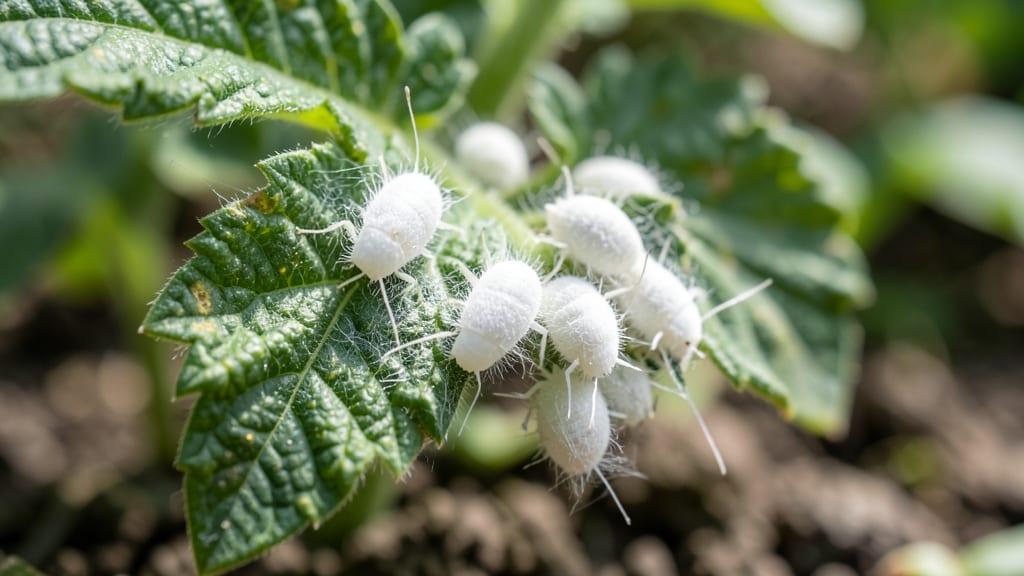
White fuzzy bugs on tomato plants are the last thing you want to see after months of nurturing your garden. 🌱 These tiny invaders—often whiteflies or mealybugs—can turn lush foliage into sticky, yellowed messes in days if you don’t act fast.
The good news? You don’t need harsh chemicals to stop them. With the right natural sprays and a few proactive steps, you can reclaim your tomato plants in under a week.
These pests thrive in warm, humid conditions and multiply quickly, sucking sap from leaves and leaving behind a sticky residue called honeydew. That’s why you’ll often spot ants trailing up your plants—they’re drawn to the sweet mess.
The damage doesn’t just weaken your tomatoes; it also attracts sooty mold, which can ruin your harvest. But here’s the kicker: the fastest fixes are simple, like neem oil sprays or a homemade soap solution that smothers them on contact.
By tomorrow, you could see a noticeable difference if you act now. A quick spray in the early morning—when bugs are most active—followed by introducing natural predators like ladybugs or lacewings, can turn the tide.
Your plants will bounce back with stronger growth, and you’ll avoid the heartbreak of blighted tomatoes. Let’s get those fuzzy pests under control for good.
This method works for other garden pests too, so you’ll be ready for whatever crawls your way next season. The key is consistency—check your plants daily, especially the undersides of leaves, and repeat treatments every few days until the bugs are gone. Your tomatoes (and your sanity) will thank you.
Root Causes Of Tomato Plant Infestations
When you spot white fuzzy bugs clinging to your tomato plants, they’re almost always one of three culprits: whiteflies, mealybugs, or aphids. Each thrives under different conditions, but their arrival isn’t random—it’s a mix of environmental factors, plant stress, and even human habits.
Understanding why these pests show up is the first step to stopping them before they wreck your harvest.
Whiteflies and mealybugs love heat and humidity—think summer afternoons with 80°F+ temps and sticky air. Here’s why:
- Whiteflies: These tiny, moth-like insects thrive in warm climates because their eggs hatch faster in heat. A single female can lay 400+ eggs in her lifetime, and they prefer the undersides of leaves where temps stay slightly cooler.
- Mealybugs: These cottony pests despise cold but adore greenhouses, conservatories, or even overwatered outdoor pots. High humidity keeps their waxy coating from drying out, letting them multiply unchecked.
- Tomato plant stress: Heat waves or drought force plants to transpire more (release water vapor), creating a sugary residue called honeydew—a buffet for whiteflies and mealybugs.
Actionable fix: If your area is prone to heatwaves, shade cloth (30-50% coverage) can drop leaf temps by 10-15°F, making your plants less appealing. Mulch also helps retain moisture without overwatering.
Aphids and mealybugs target weak plants because stressed tomatoes produce more sap—their favorite snack. Here’s what triggers their invasion:
- Overcrowding: Plants competing for sunlight, water, and nutrients can’t defend themselves. Aphids and mealybugs sneak in where leaves brush together, hiding in the axils (the crook between stems and leaves).
- Nutrient deficiencies: Lack of phosphorus or potassium weakens cell walls, making it easier for pests to pierce and suck sap. Yellowing leaves? That’s a red flag.
- Recent pruning or transplanting: New growth is tender and sappy, a magnet for aphids. Mealybugs also hitchhike on nursery plants or contaminated soil.
Actionable fix: Space tomato plants 18-24 inches apart and prune regularly to improve airflow. If you notice stunted growth, test soil pH (6.0-6.8 is ideal) and amend with compost or a balanced fertilizer (e.g., 10-10-10).
Sometimes, the problem isn’t your garden—it’s what you bring into it. These pests often hitch a ride:
- Nursery-bought plants: 30% of commercial seedlings carry hidden pests. Mealybugs love to hide in leaf axils, while aphids cluster on new shoots.
- Shared gardening tools: Pruners, trellises, or even gloves can transfer eggs or nymphs from infested to healthy plants.
- Weeds & nearby crops: Plants like dill, fennel, or basil attract whiteflies. If they’re growing near your tomatoes, pests will spill over.
Actionable fix: Quarantine new plants for 2 weeks before introducing them to your garden. Clean tools with 70% isopropyl alcohol between uses, and remove weeds within a 10-foot radius of your tomatoes.
Pro Tip: 💡 Sticky traps (yellow or blue) placed near plants can monitor whitefly activity. If you catch 10+ bugs per week, it’s time to act!
Natural Ways to Eliminate Fuzzy Tomato Pests
Now that you know what’s causing those pesky white fuzzy bugs on your tomato plants, it’s time to act! The good news is that you don’t need harsh chemicals to tackle these critters.
Below are targeted, natural solutions tailored to the most common culprits—mealybugs, whiteflies, and spider mites—along with prevention tips to keep your tomato plants thriving.
Mealybugs love hiding in crevices, so physical removal is your first line of defense.
🍳 Step 1: Manual Removal (Best for Small Infestations)
- Grab a cotton swab or soft cloth dipped in rubbing alcohol (70% isopropyl).
- Gently wipe away visible bugs and cottony residue from leaves, stems, and fruit.
- Drop them in soapy water to prevent reinfestation.
- Pro tip: 💡 Do this in the early morning when bugs are sluggish and easier to remove.
👨🍳 Step 2: Homemade Spray (For Stubborn Clusters)
Mix one of these effective, chemical-free sprays and apply directly to infested areas (focus on undersides of leaves):
| Spray Recipe | How to Use |
|---|---|
| Neem Oil Spray | 1 tsp neem oil + 1 tsp mild soap + 1 quart water. Shake well and spray every 5-7 days. |
| Soap Spray | 1 tbsp castile soap or dish soap (mild) + 1 quart water. Test on a small leaf first! |
| Garlic & Pepper Spray | 2 crushed garlic cloves + 1 tsp cayenne pepper + 1 quart water. Steep 24 hours, strain, and spray. |
| Hydrogen Peroxide (3%) | 1 tbsp per quart water. Spray only in direct sunlight (it burns on contact). |
🌡️ Step 3: Prevent Reinvasion
- Encourage natural predators like ladybugs, lacewings, and parasitic wasps by planting dill, fennel, or marigolds nearby.
- Isolate infested plants until they’re bug-free to stop the spread.
- Prune heavily infested foliage and dispose of it in sealed bags (not compost).
Whiteflies are tiny but highly destructive—they excrete sticky honeydew, leading to sooty mold. Here’s how to starve and suffocate them:
🔪 Step 1: Yellow Sticky Traps (Best Early Defense)
- Hang yellow sticky cards near your tomato plants.
Whiteflies are drawn to yellow and get trapped. - Check traps daily and replace when saturated. - Pro tip: 🎯 Place traps above the plants to catch flying adults before they lay eggs.
🥘 Step 2: Neem Oil or Insecticidal Soap (Knockout Spray)
- Neem oil disrupts their life cycle—spray every 3-5 days until no more flies are seen.
- Insecticidal soap (like Safer® Brand) kills on contact. Spray undersides of leaves where they hide.
- For severe cases, repeat every 2-3 days for 2 weeks.
⏰ Step 3: Physical Barriers & Rotation
- Cover young plants with fine mesh netting to block adults from laying eggs.
- Rotate planting locations yearly to disrupt their breeding cycle.
- Remove weeds near tomato plants—whiteflies love them too!
Spider mites thrive in dry, hot conditions, so increase humidity and wash them off aggressively.
💦 Step 1: Strong Water Blast (First Line of Attack)
- Hold a hose nozzle close to the plant and spray forcefully (but not so hard you damage leaves).
- Focus on undersides where mites hide.
- Do this every 2-3 days until mites disappear.
🌡️ Step 2: Increase Humidity & Reduce Heat
- Mist plants daily (especially in dry climates).
- Use a humidifier near greenhouse plants or place a tray of water under pots.
- Avoid overhead watering—keep leaves dry to prevent fungal issues.
🍎 Step 3: Natural Miticides
- Diatomaceous earth (food-grade) – Sprinkle lightly on dry leaves (reapply after rain).
- Potassium soap spray – Mix 1.5 tbsp per gallon of water and spray every 5 days.
- Introduce predator mites (Phytoseiulus persimilis) for a long-term, chemical-free solution.
No matter the pest, these proactive steps will strengthen your tomato plants’ defenses:
✅ 💡 Healthy Soil = Strong Plants
- Amend soil with compost before planting for nutrient-rich, resilient tomatoes.
- Avoid over-fertilizing with nitrogen—it attracts soft-bodied pests like whiteflies.
✅ 🌿 Companion Planting
- Plant basil, parsley, or borage near tomatoes—their scents repel pests.
- Avoid planting tomatoes near potatoes or peppers (they share similar pests).
✅ 🕰️ Regular Inspections
- Check plants weekly, especially leaf undersides and new growth.
- Isolate new plants for 2-3 days before adding them to your garden.
✅ 🌧️ Water Wisely
- Water at the base (not overhead) to reduce humidity where fungus gnats and mites thrive.
- Water in the morning so leaves dry quickly, preventing fungal growth.
Final Thought: 🎯 Patience is key! Some infestations take 2-3 weeks to fully clear, but sticking with natural methods keeps your tomatoes safe, chemical-free, and delicious.
Once your plants are pest-free, enjoy your homegrown harvest—and maybe even share the bounty with neighbors who might need a few tips! 🍅😉
Frequently asked questions
What are the most common white fuzzy bugs on tomato plants?
The three most likely culprits are mealybugs (cottony white clusters), whiteflies (tiny white moth-like insects), and aphids (smaller, greenish-white bugs). Mealybugs leave a waxy residue, while whiteflies fly away when disturbed and aphids cluster on new growth.
Why do these bugs appear suddenly on my tomato plants?
They multiply quickly in warm, humid conditions (above 75°F) and target stressed plants. Common triggers include overcrowding, nutrient deficiencies, or recent pruning that creates tender new growth. Even a single female mealybug can produce 400+ eggs in her lifetime!
How do I know if my tomato plants have a whitefly or mealybug infestation?
Check for sticky residue (honeydew) on leaves—whiteflies leave shiny droplets while mealybugs create white cottony masses in leaf crevices. Shake plants over white paper: whiteflies will fly up while mealybugs won't move.
Are homemade sprays effective against these pests?
Yes! Neem oil (1 tsp + 1 tsp soap per quart water) works best for mealybugs, while soapy water (1 tbsp mild soap per quart) suffocates aphids. For whiteflies, yellow sticky traps catch adults before they lay eggs. Always spray early morning for maximum effectiveness.
Will my tomato fruits be safe to eat if I treat the plants?
Natural sprays like neem oil and insecticidal soap break down quickly and are safe for edible plants when used correctly. Just avoid spraying directly on fruit before harvest. Always rinse tomatoes thoroughly before eating to remove any residue.