
Plants
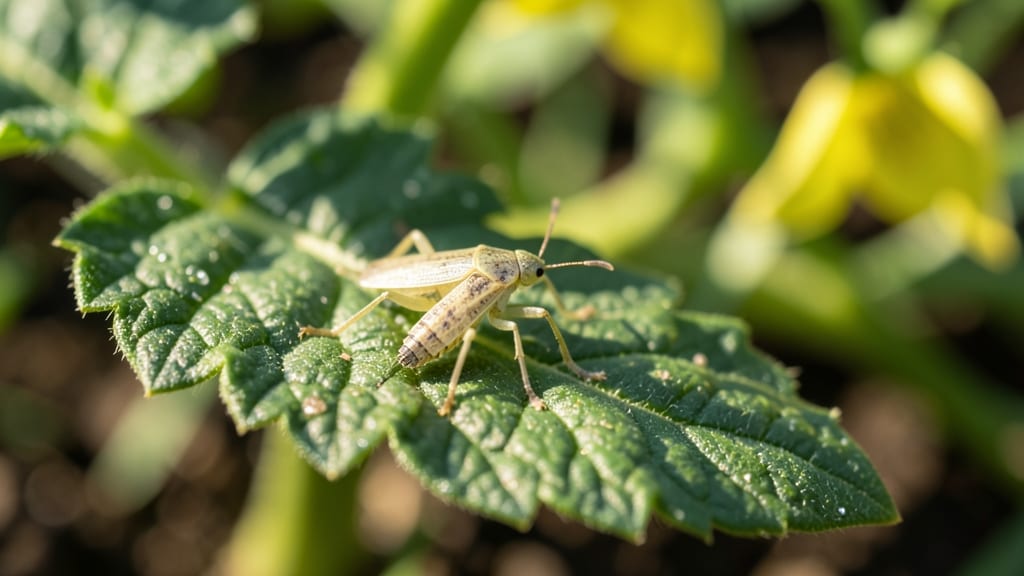
Those tiny bugs on tomato plants are usually aphids, spider mites, or whiteflies—and they’re sucking the life out of your harvest. 🌱 I’ve battled all three in my garden, and I’ve learned which sprays work fastest (and which just waste time).
The key is acting before the infestation takes over, because once they spread, your tomatoes suffer. Aphids cluster on new growth, spider mites hide on the undersides of leaves, and whiteflies flutter when you shake the plant. All three leave behind sticky residue or webbing that’s a dead giveaway.
The good news? You can knock them out with soapy water sprays or neem oil—no harsh chemicals needed if you catch them early. By the end of this, you’ll know exactly which bug you’re dealing with and how to eliminate them in under 30 minutes.
Your plants will bounce back faster than you think, and you’ll save your tomatoes from stunted growth or deformed fruit. Works for both garden beds and container-grown tomatoes. Let’s get those pests under control!
The Hidden Triggers Behind Tiny Tomato Invaders
Those pesky tiny bugs crawling on your tomato plants don’t appear out of nowhere—they’re drawn by specific conditions that turn your garden into an all-you-can-eat buffet.
Understanding why they show up is the first step to stopping them before they ruin your harvest. Let’s break down the science behind their uninvited visits.
Tomato plants under stress—whether from overcrowding, poor soil, or improper watering—become prime targets for tiny pests like aphids, spider mites, and whiteflies. Here’s why:
- Weakened defenses: When plants are cramped or nutrient-deficient, their natural pest-repelling compounds (like volatile organic compounds, or VOCs) weaken. Pests detect this vulnerability and flock in.
- Sap-rich leaves: Stressed plants produce more sugary sap, which attracts sap-sucking insects like aphids. Think of it as a neon "Eat Me" sign for bugs.
- Moisture buildup: Overwatering or poor drainage creates damp foliage, perfect for fungus gnats and thrips. These tiny bugs thrive in humid microclimates created by crowded plants.
Actionable fix: Space tomato plants 18–24 inches apart, prune for airflow, and ensure well-draining soil. Pro tip: 💡 Mulch with straw or wood chips to regulate soil moisture and reduce stress.
Pests love clutter—whether it’s old plant debris, fallen leaves, or weeds. These hiding spots provide shelter, breeding grounds, and easy access to your tomato plants. Common culprits include:
- Fungal gnats: Eggs hatch in moist, decaying organic matter like compost piles or leaf litter near your plants.
- Thrips and mites: They hitchhike on weeds or volunteer plants (like nightshade or blackberry) and jump onto tomatoes.
- Aphids: They overwinter on garden debris or nearby plants, then migrate to tender new growth.
Actionable fix: Clear debris from the garden bed and surrounding areas. Remove weeds regularly, especially those in the nightshade family (e.g., potatoes, peppers). Pro tip: 🔥 Rotate crops yearly to starve out soil-borne pests.
Many tiny tomato pests thrive in heat and drought. While you might think dry weather repels bugs, it actually concentrates their populations:
- Spider mites: These arachnids (yes, they’re technically bugs!) multiply rapidly in hot, dry air because their eggs dry out slower. They also produce webbing, which traps moisture and protects their colonies.
- Whiteflies: Warm temperatures accelerate their life cycle, leading to explosive outbreaks. A single female can lay 400 eggs in her lifetime!
- Thrips: Dry conditions make plants more susceptible to their feeding, which can spread viral diseases like tomato spotted wilt.
Actionable fix: Use shade cloth (30–50%) during peak summer heat. Water deeply in the morning to boost humidity slightly and deter mites. Pro tip: 🌡️ Install a fan on low speed near plants to disrupt whitefly mating flights.
Tomatoes need a balanced diet of nitrogen (N), phosphorus (P), and potassium (K). When one nutrient is missing or overabundant, pests take advantage:
| Nutrient Issue | Pest Attracted | Why It Happens |
|---|---|---|
| Too much nitrogen (lush, soft growth) | Aphids, whiteflies | Excess N makes plants tender and sap-rich, a buffet for sap-suckers. |
| Potassium deficiency (yellow edges on leaves) | Spider mites, thrips | Low K weakens cell walls, making plants more vulnerable to feeding damage. |
| Phosphorus deficiency (purple stems) | Fungal gnats | Poor root health reduces plant resilience, inviting soil-dwelling pests. |
Actionable fix: Test your soil and amend with compost or a balanced fertilizer (10-10-10). Avoid synthetic nitrogen spikes. Pro tip: 💪 Side-dress plants with banana peels (high in K) or bone meal (high in P) for a natural boost.
Tomato plants rely on natural predators to keep pest populations in check. When these helpers vanish—due to pesticides, habitat loss, or climate shifts—tiny bugs move in:
- Lacewings and lady beetles: Devour aphids and mites but disappear with broad-spectrum insecticides.
- Parasitic wasps: Lay eggs in whitefly and thrip larvae, but they avoid disturbed ecosystems.
- Ground beetles: Hunt fungal gnat larvae but need mulch and moisture to thrive.
Actionable fix: Plant companion flowers like marigolds, dill, or alyssum to attract predators. Avoid chemical sprays; opt for neem oil or insecticidal soap instead. Pro tip: ✨ Install a small water source (like a shallow dish with pebbles) to lure beneficial insects to your garden.
Quick Fixes for Tiny Plant Invaders
Once you’ve identified the tiny pests wreaking havoc on your tomato plants—whether they’re aphids, spider mites, whiteflies, or fungus gnats—it’s time to act fast. These solutions are easy to implement, chemical-free (or low-impact), and designed to protect your plants without harming beneficial insects like bees.
Below, we’ve matched each common culprit to the most effective remedy, plus prevention tips to keep future outbreaks at bay.
---
Fix: Knock them off with a strong blast of water or introduce their natural predators.
- 💦 Blast Them Away Use a hose with a gentle spray nozzle to dislodge aphids from stems and leaves. Repeat every 2–3 days until they’re gone. Early morning is best—aphids are sluggish then!
- 🐞 Ladybugs & Lacewings Release beneficial insects like ladybugs or lacewing larvae (available at garden centers). They’ll devour aphids within 24–48 hours.
- 🌿 Soapy Water Spray Mix 1 tsp mild liquid soap (like Castile) with 1 quart water in a spray bottle. Test on a small leaf first, then spray directly on aphids. Reapply after rain.
💡 Prevention Tip: Plant garlic, chives, or marigolds nearby—aphids dislike their strong scent!
---
Fix: Smother them with oil or increase humidity to disrupt their life cycle.
- 🍳 Neem Oil Spray (Best for Severe Infestations) Mix 1 tbsp neem oil + 1 tsp mild soap + 1 quart water. Spray both sides of leaves (mites hide underneath!). Apply every 5–7 days for 2 weeks.
- 💦 Increase Humidity Spider mites thrive in dry conditions. Use a humidifier nearby or mist plants daily to deter them.
- 🧼 Horticultural Oil Spray lightly on a dry day (avoid direct sun to prevent leaf burn). Reapply every 7–10 days.
💡 Prevention Tip: Water deeply at the base of plants—mites hate damp foliage!
---
Fix: Trap them with sticky surfaces or use reflective mulch to confuse them.
- 🕯️ Yellow Sticky Traps Hang yellow cards coated with petroleum jelly near plants. Whiteflies are attracted to yellow and get stuck!
- 🌞 Aluminum Foil Mulch Cover the soil with crinkled aluminum foil—the reflection disorients whiteflies and reduces egg-laying.
- 🍋 Vinegar & Soap Spray Mix 1 tbsp white vinegar + 1 tsp dish soap + 1 quart water. Spray directly on infested areas (avoid flowers). Repeat every 3–4 days.
💡 Prevention Tip: Avoid over-fertilizing—whiteflies love nitrogen-rich plants!
---
Fix: Let the soil dry out or use natural predators to starve them out.
- ⏰ Let the Soil Dry Fungus gnats love moist soil. Water only when the top inch is dry, and use well-draining pots if growing indoors.
- 🍯 Apple Cider Vinegar Trap Fill a small cup with ACV and a drop of dish soap, cover with plastic wrap, and poke holes. Gnats will fly in and drown.
- 🐛 Nematodes (For Severe Cases) Apply beneficial nematodes (like Steinernema feltiae) to the soil. They paralyze and kill gnat larvae within 48 hours.
💡 Prevention Tip: Add a layer of sand or perlite to the top of pots to deter egg-laying!
---
No matter the pest, these universal tips will help: - 🌿 Rotate Plants – Move tomato plants every few weeks to disrupt pest cycles. - 🌱 Companion Planting – Grow basil, thyme, or nasturtiums to repel bugs naturally. - 🕯️ Early Detection – Check undersides of leaves and new growth weekly for signs of pests. - 🚫 Avoid Broad-Spectrum Pesticides – They kill good bugs too, throwing your garden’s balance off.
--- ✨ Pro Tip: If pests persist, quarantine affected plants to prevent spread to healthy ones! Most infestations clear up in 1–2 weeks with consistent care.
Frequently asked questions
What are the most common tiny bugs found on tomato plants?
The usual suspects are aphids (tiny green/black clusters on new growth), spider mites (red/yellow specks with webbing), whiteflies (tiny white moths that flutter when disturbed), and fungus gnats (small black flies hovering near soil). Each leaves distinct signs—aphids cause curled leaves, mites create webbing, and whiteflies leave sticky residue.
How do I tell if my tomato plants have spider mites vs. aphids?
Check for webbing first—spider mites create fine silk strands between leaves, while aphids leave no webbing. Mites also cause yellow stippling on leaves, while aphids cluster on stems and buds. Shake the plant: mites scatter quickly, but aphids cling tightly. Use a magnifying glass for confirmation.
Will neem oil harm my tomato plants if I use it too often?
Neem oil is safe when used correctly, but apply it every 5–7 days max to avoid leaf burn. Always mix with 1 tsp mild soap per quart of water and spray evenly on both leaf sides. Avoid spraying in direct sunlight or when flowers are open. For heavy infestations, alternate with soapy water sprays to reduce frequency.
Can I still eat tomatoes if there are tiny bugs on them?
Most tiny bugs (aphids, spider mites, whiteflies) don’t transmit diseases to tomatoes, but wash thoroughly before eating. For severe infestations, pick tomatoes early and discard heavily infested leaves. Fungus gnats are harmless but indicate poor soil conditions—fix drainage first. Always inspect fruit for webbing or sticky residue before consuming.
Why do my tomato plants get bugs every year, even after treatment?
Persistent pests often mean hidden triggers like poor soil health, overcrowding, or lack of beneficial insects. Rotate crops yearly, improve airflow with pruning, and plant companion flowers (marigolds, basil) to attract predators. Test soil for nutrient imbalances—too much nitrogen attracts aphids/whiteflies, while potassium deficiency invites mites. Break the cycle with consistent prevention!