
Plants
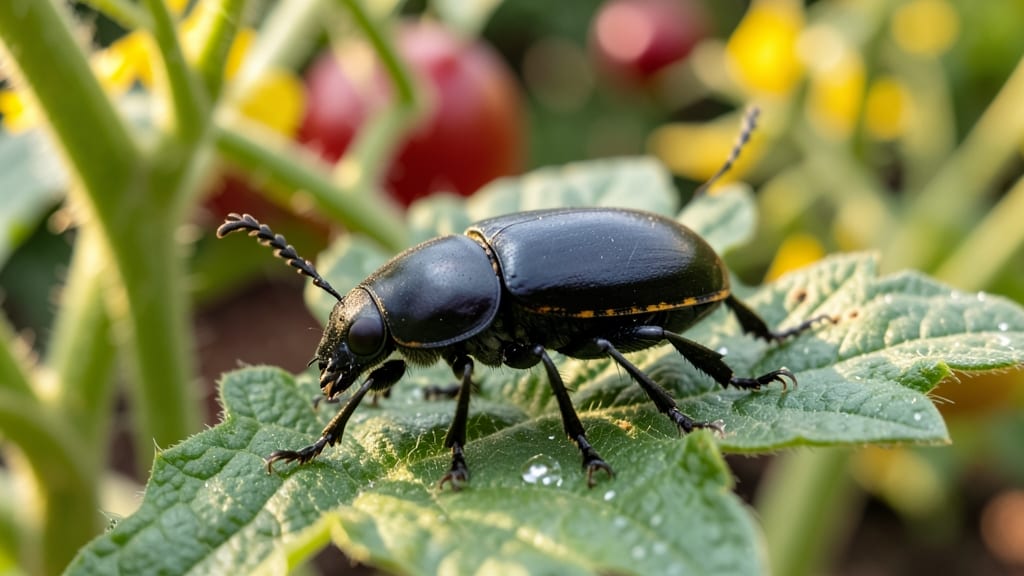
Those big black bugs devouring your tomato plants aren't just a nuisance—they're a full-blown crisis if you don't act fast. 🌱 I've lost entire tomato plants to these ravenous pests, and the key to saving your harvest lies in identifying them right now and knowing exactly how to stop them before they strip your plants bare.
The most common culprits are tomato hornworms—those 3-inch monsters with white stripes and a voracious appetite—or stink bugs, which leave behind strange, yellowed patches where they've sucked the life out of your fruit. Both move fast, so you need to act within 24-48 hours to prevent total destruction.
Here's the good news: once you spot them, you can eliminate them in minutes with simple, organic methods like handpicking or introducing beneficial nematodes. The damage they leave behind? That's where the real work begins—reviving your plants so they bounce back stronger than ever.
Whether you're dealing with a single plant or a full garden under siege, this guide gives you the fast fixes you need to turn the tide. Let's get those pests off your tomatoes before they ruin your summer harvest.
Root Causes Behind Tomato Invaders
When you spot big black bugs feasting on your tomato plants, it’s rarely just bad luck—it’s usually a mix of environmental cues, plant stress, and insect behavior. Understanding these triggers helps you outsmart pests before they strip your harvest.
Below, we break down the real reasons these critters show up, so you can act fast.
Tomatoes produce volatile organic compounds (VOCs) when they ripen or get bruised—essentially, they release a "come and get it" scent. Hornworms (the big, black-and-green caterpillars) and even stink bugs zero in on these signals. Here’s why it happens:
- Sugar-rich nectar: Ripe tomatoes ooze sugars, which attract protein-hungry pests like hornworms. A single tomato can lure dozens in minutes.
- Physical damage: Dropped fruit or hail marks release fermenting odors, mimicking a "rotting" signal that draws scavengers.
- Nighttime feeding spikes: Many pests (like Manduca sexta hornworms) are nocturnal and use scent trails to find easy meals after dark.
💡 Pro Tip: Harvest tomatoes before they fully ripen if pests are rampant, or use row covers to block visual/scent cues.
Stressed tomato plants are like neon "buffet" signs to hungry insects. When your tomatoes lack nutrients, water, or sunlight, their defenses drop—and pests take notice. Key stressors:
- Nitrogen deficiency: Yellowing leaves signal low protein, which hornworms detect as a sign of "easy digestion." They prefer plants with high soluble sugars and low tannins (bitter compounds that deter them).
- Overwatering or drought: Both extremes weaken cell walls, making fruit softer and more vulnerable to chewing. Aphids (smaller but still problematic) thrive in crowded, sap-rich plants.
- Fungal/bacterial infections: Spots or mold on leaves/fruit release ethylen gas, a distress signal that attracts pests like stink bugs.
🌡️ Science Note: Studies show hornworms grow 30% faster on nitrogen-rich plants versus balanced ones. A soil test can reveal deficiencies before pests do.
Pests don’t invade randomly—they follow seasonal and developmental patterns. Here’s when your tomato plants become prime targets:
| Pest | Peak Activity Period | Why It Matters |
|---|---|---|
| Hornworms | Late spring to early fall (June–August) | Eggs hatch near tomato flowers; caterpillars double in size in 5–7 days if food is abundant. |
| Aphids | Spring and fall (cool, damp weather) | They reproduce asexually—one female can birth 80+ nymphs in a week if undisturbed. |
| Stink Bugs | Summer to early frost (July–September) | Adults migrate to fields as crops mature; they inject enzymes that cause fruit to rot faster. |
⏰ Actionable Insight: Monitor plants weekly at dawn/dusk—that’s when hornworms are most active. Use a flashlight to spot eggs (tiny green ovals on leaves).
If your tomato patch feels like a five-star resort to pests, it’s probably because of unintentional landscaping choices. Here’s how your garden might be inviting them:
- Nearby weeds: Plants like dill, fennel, and parsley are host plants for hornworm moths. Females lay eggs within 50 feet of these "magnets."
- Wood mulch or debris: Pests like stink bugs and earwigs hide in dark, moist areas during the day. Mulch piles become their daytime HQ.
- Monoculture planting: Large blocks of tomatoes (no diversity) create microclimates that pests exploit. Mixed gardens confuse their navigation systems.
🎯 Prevention Hack: Plant basil, marigolds, or thyme around tomatoes—their strong scents mask tomato odors and repel egg-laying moths.
Quick Fixes For Garden Pests
Now that you’ve identified the culprits—whether it’s tomato hornworms or aphids—it’s time to act! These pests can strip your plants bare in days, but with the right strategies, you can reclaim your tomato harvest.
Below are targeted solutions for each pest, plus prevention tips to keep your garden thriving long-term.
Hornworms are the heavy hitters of tomato plant pests, but they’re also easier to manage than you might think. Here’s how to tackle them:
👨🍳 Manual Removal (Best for Small Infestations)
- When to do it: Early morning or late evening when hornworms are sluggish.
- How to do it:
- Wear gloves (they can be slimy!) and inspect leaves for green caterpillars with white stripes.
- Grab them by the neck (not the body—they’ll squirm!) and drop them into soapy water to kill them instantly.
- Check under leaves and near flower clusters—they love hiding there!
- Pro tip: 💡 If you’re squeamish, use tongs or a butter knife to scoop them up.
🐛 Natural Predators: Let Nature Do the Work
- Who helps? Parasitic wasps (they lay eggs inside hornworms, killing them naturally).
- How to attract them:
- Avoid chemical pesticides—they’ll harm these beneficial insects too.
- Plant dill, fennel, or parsley nearby to lure wasps to your garden.
- Bonus: Birds and praying mantises also eat hornworms—welcome them with birdhouses or shelter for beneficial insects.
🍳 Organic Sprays (For Larger Infestations)
- Bt (Bacillus thuringiensis): A bacteria-based spray that’s safe for humans and pets but deadly to hornworms.
- How to use: Spray foliage and stems every 5–7 days until the infestation is gone.
- Best time: Early morning or late evening to avoid harming bees.
- Neem oil: Disrupts their feeding and growth.
- Mix: 1 tbsp neem oil + 1 tsp honey or dish soap (as an emulsifier) + 1 quart water.
- Spray: Cover all leaf surfaces, especially undersides.
🔪 Prevent Future Hornworm Attacks
- 🌡️ Trap adult moths with a light trap (a white sheet + lamp at night—moths are attracted to light).
- ✨ Rotate crops—don’t plant tomatoes in the same spot every year.
- 🎯 Plant companions like basil, marigolds, or onions—hornworms avoid them!
Aphids may be tiny, but they multiply like crazy and weaken plants by sucking sap. Here’s how to stop their spread fast:
💦 Water Blast (Instant Relief)
- Why it works: Aphids hate water—it knocks them off plants and suffocates them.
- How to do it:
- Use a strong spray nozzle (or even a garden hose) to blast infested areas.
- Focus on new growth, undersides of leaves, and flower buds.
- Do this in the morning so leaves dry quickly.
- Pro tip: 🔥 Repeat every 2–3 days until they’re gone.
🍳 Soapy Water Spray (Safe & Effective)
- Mix: 1 tbsp mild dish soap (like Dawn) + 1 quart water.
- Spray: Directly on aphids until leaves glisten.
- Why it works: The soap disrupts their waxy coating, dehydrating them.
- ⚠️ Warning: Avoid spraying flowers if bees are active—soap can harm them.
🌿 Beneficial Insects: The Ultimate Aphid Eradicators
- Who eats aphids? Ladybugs, lacewings, and parasitic wasps.
- How to attract them:
- Plant dandelions, yarrow, or alyssum—they love these flowers.
- Avoid pesticides (even organic ones can harm them).
- Buy ladybugs online and release them in the evening (they’re less likely to fly away).
🎯 Prevent Aphids from Returning
- 🌡️ Inspect new plants before bringing them home—aphids often hitch a ride.
- 💡 Use reflective mulch (like aluminum foil) around plants—aphids hate shiny surfaces.
- 🌱 Keep plants healthy—strong plants resist pests better (water deeply, fertilize properly).
If your infestation is severe (e.g., hornworms on every plant or aphids covering stems), you may need chemical control.
But use sparingly: - For hornworms: Sevin (carbaryl) or pyrethrin-based sprays (follow label instructions). - For aphids: Imidacloprid (systemic pesticide)—but only as a last resort (it can harm bees). - ⚠️ Warning: Chemicals can kill beneficial insects and contaminate soil. Always follow safety guidelines.
- 🌿 Crop rotation: Don’t plant tomatoes in the same spot two years in a row.
- 🌡️ Early planting: Start seeds indoors and transplant after the last frost to avoid early pests.
- 🎯 Companion planting: Basil, garlic, and chives repel both hornworms and aphids.
- 🌱 Healthy soil = healthy plants: Use compost and organic fertilizer to make tomatoes less appealing to pests.
Final Thought: 🎯 The key to winning the tomato pest battle is early action + prevention. Check your plants weekly, especially during warm, humid weather (when pests thrive). With these strategies, you’ll save your tomatoes and enjoy a bountiful harvest—without the creepy-crawlies!
Frequently asked questions
What are the most common big black bugs found on tomato plants?
The top culprits are tomato hornworms (green with white stripes) and stink bugs (shield-shaped, dark brown/black). You might also spot colorado potato beetles or blister beetles, which leave behind distinctive damage patterns like skeletonized leaves or small holes.
How can I tell if my tomato plants have hornworms vs. stink bugs?
Check for these key differences: Hornworms leave large, irregular holes and droppings, while stink bugs cause yellowing spots on fruit and leaves. Hornworms are 3-inch caterpillars, while stink bugs are ½-inch shield-shaped bugs. Look under leaves—hornworms hide there during the day.
Are those big black bugs harmful to humans or pets?
Most tomato pests like hornworms and stink bugs are harmless to humans and pets, but some (like blister beetles) can cause skin irritation if handled. The real danger is their damage to plants—they can destroy entire harvests if left unchecked. Always wash hands after handling plants, especially if you suspect blister beetles.
What's the fastest way to get rid of these pests without chemicals?
For hornworms, handpick them in the morning and drop them in soapy water. For stink bugs, use a strong water spray to dislodge them. Introduce beneficial nematodes or parasitic wasps for long-term control. The key is acting within 48 hours—these pests multiply rapidly!
Will my tomato plants recover after pest damage?
Yes, but it depends on how much damage they've suffered. If only leaves are affected, new growth will emerge. For fruit damage, remove affected tomatoes immediately. Prune severely damaged areas and fertilize with balanced organic fertilizer to help plants recover faster.