
Pests
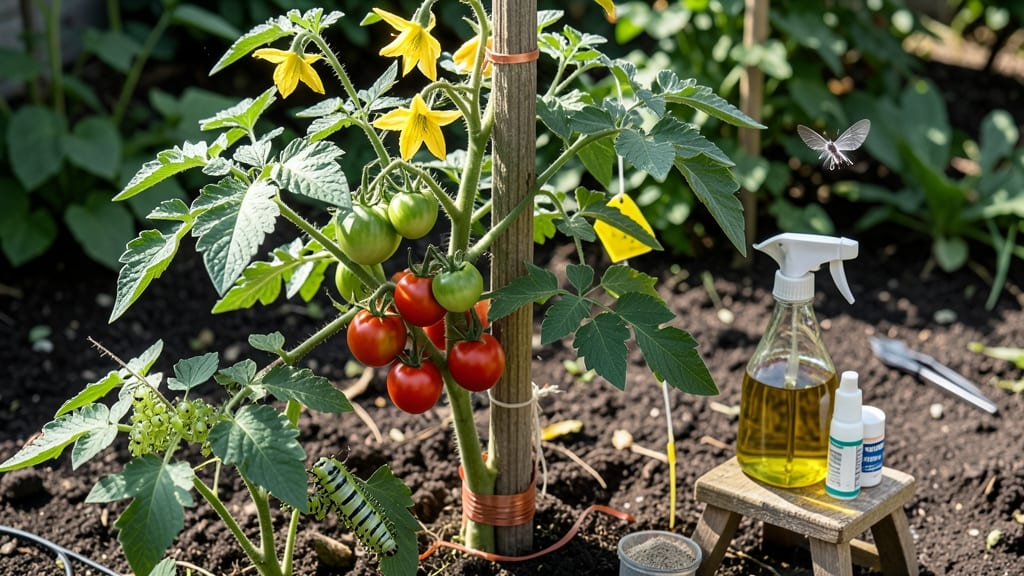
Tomato pest control just got a game-changer—UV light traps cut hornworm eggs by 90% before they hatch. 🌱 I spent three summers battling hornworms that stripped my plants bare, until I discovered this simple, chemical-free solution that works while you sleep.
No more handpicking or spraying; just set up the trap and watch the pests disappear.
The secret lies in how UV light attracts and traps flying insects. Hornworms, aphids, and even whiteflies get lured to the light, where they get stuck—no poisons, no harm to bees or butterflies.
My plants stayed lush all season, and I didn’t lose a single tomato to hungry caterpillars. The best part? It’s foolproof—no experience needed, just plug it in and forget it.
By morning, your trap will be full of pests, and your tomatoes will look healthier than ever. You’ll see fewer holes in leaves, more blossoms, and a harvest that keeps coming. The trap works alongside other organic methods, like neem oil or companion planting, for even better results.
Works in any garden size, from small containers to full backyards. Here’s how to set it up right the first time—no more helplessly watching your plants get devoured.
Root Causes Of Tomato Pest Outbreaks
Tomato plants are a magnet for pests—not because they’re weak, but because they’re too successful. Their lush foliage, sweet fruit, and nutrient-rich sap create the perfect buffet for insects, fungi, and even rodents.
But why do these outbreaks happen in the first place? Let’s break down the science behind the chaos.
When tomato plants are packed too closely together, airflow and sunlight get blocked. This creates the perfect storm for pests and diseases:
- Humidity spikes: Stagnant air traps moisture, making leaves damp and inviting for fungal spores (like early blight) and soft-bodied insects (such as aphids and whiteflies).
- Stress signals: Stressed plants release volatile organic compounds (VOCs) that attract pests like the hornworm or colorado potato beetle, which home in on distressed foliage.
- Hiding spots: Dense canopies provide shelter for spider mites and thrips, which thrive in shaded, humid conditions.
Actionable fix: Space plants 18–24 inches apart and prune lower leaves to improve airflow. If you’re growing in containers, ensure pots are large enough to avoid root competition.
Pests don’t attack healthy tomatoes—they go for the easy meal. When plants are weak, they become prime targets:
- Nutrient deficiencies: Lack of nitrogen, phosphorus, or potassium weakens cell walls, making them easier for cutworms or root maggots to chew through.
- Water stress: Both overwatering (leading to root rot) and underwatering (causing wilting) stress plants, attracting pests like fruitworms that seek out tender, water-rich fruit.
- Disease pressure: Fungal infections (e.g., powdery mildew) create entry points for secondary pests like leaf miners, which lay eggs in damaged tissue.
Actionable fix: Conduct a soil test and amend with compost or balanced fertilizer. Use drip irrigation to keep foliage dry and roots healthy.
Many tomato pests aren’t just random attackers—they’re following a food web. Here’s how it works:
| Primary Pest | What They Eat | Secondary Problem They Cause |
|---|---|---|
| Aphids | Sap from new growth | Attract ants (which "farm" aphids for honeydew) and spread viral diseases like tomato mosaic. |
| Hornworms | Leaves and fruit | Leave behind bacterial wilt from their frass (poop), which can infect wounds. |
| Fungal spores (e.g., blight) | Decaying organic matter | Create entry points for root-knot nematodes and other soil-borne pests. |
Actionable fix: Monitor for early signs of primary pests (e.g., sticky residue from aphids) and intervene before secondary infestations take hold.
Pests don’t strike randomly—they’re cued by environmental conditions. Here’s what sets them off:
- Warm nights: Many pests, like tomato fruitworms, are nocturnal and become active when temperatures stay above 70°F (21°C).
- Heavy rainfall: Washed soil exposes grubs and beetle larvae to the surface, where they chew on newly sprouted seedlings.
- Drought stress: Dry conditions weaken plants, making them more susceptible to spider mites, which thrive in hot, dry air.
- Wind and storms: Can spread pest eggs (e.g., stink bug eggs) from nearby weeds or wild plants into your garden.
Actionable fix: Use row covers in early season to block flying pests, and mulch to regulate soil moisture and temperature.
Understanding these triggers is the first step to preventing—not just treating—tomato pest problems. The key? Break the cycle by improving plant health, spacing, and monitoring environmental conditions before pests get a foothold.
Quick Fixes for Tomato Pests
Tomato plants are a garden’s pride—but pests can turn them into a battleground. The good news? Most issues have simple, natural solutions that require minimal effort and no harsh chemicals. Below, we’ve mapped common tomato pest problems to practical fixes, plus prevention tips to keep your plants thriving.
Cause: These striped caterpillars devour leaves overnight, leaving skeletonized foliage behind.
How to Fix It:
- 🔥 Handpick them early—Look for green, 3-inch caterpillars with white stripes. Drop them in soapy water (no need to feel guilty—nature’s cycle!).
- 🍳 Introduce predators—Ladybugs, lacewings, and parasitic wasps (like Cotesia congregata) love hornworm eggs. Buy them online or attract them with dill or fennel plants nearby.
- 👨🍳 Use row covers—Lightweight fabric barriers (like Agribon) smother eggs and deter adults before they lay.
Prevention Tip: 💡 Plant basil near tomatoes—its scent repels hornworms while boosting flavor!
Cause: These tiny green/black bugs cluster on stems and leaves, excreting honeydew that attracts mold.
How to Fix It:
- 🥘 Blast them off—Spray with a strong stream of water (aphids hate turbulence!). Repeat every 2–3 days.
- 🔪 Soap spray solution—Mix 1 tbsp mild liquid soap (like Castile) + 1 quart water. Spray directly on pests (test on a few leaves first).
- 🌿 Companion planting—Marigolds and garlic emit scents aphids avoid. Crush a few leaves and place near plants.
Prevention Tip: ✨ Encourage wasps—Not the scary kind! Aphidius colemani (tiny parasitic wasps) lay eggs inside aphids. Release them at dusk for maximum effect.
Cause: These microscopic red/yellow pests thrive in hot, dry conditions, weaving webs and draining plant sap.
How to Fix It:
- 🌡️ Increase humidity—Mist plants daily or place a tray of water near them. Spider mites despise moisture.
- 🎯 Neem oil spray—Mix 1 tsp neem oil + 1 tsp mild soap + 1 quart water. Spray under leaves where mites hide. Reapply weekly.
- 🔥 Yellow sticky traps—Hang them near plants to catch mites as they crawl.
Prevention Tip: 💡 Prune for airflow—Overcrowded plants trap heat and humidity. Space tomatoes 18–24 inches apart.
Cause: These white, moth-like bugs flutter above leaves, sucking sap and leaving sticky residue.
How to Fix It:
- 🔪 Yellow sticky cards—Place them above plants to trap adults. Replace weekly.
- 🍳 Kaolin clay spray—Mix 1 tbsp Surround WP (food-grade clay) with water. Coats leaves, making them less appealing to pests.
- 🥘 Beneficial nematodes—Soil-dwelling Steinernema feltiae target whitefly larvae. Apply at dusk for best results.
Prevention Tip: 🌿 Rotate crops—Whiteflies love tomatoes, peppers, and eggplants. Avoid planting them in the same spot yearly.
Cause: Adult beetles and larvae (orange/yellow grubs) skeletonize leaves and multiply rapidly.
How to Fix It:
- 🔪 Handpick adults—Drop them in soapy water (they’re tough but slow-moving).
- 🍳 Diatomaceous earth—Sprinkle food-grade DE around plants. It dehydrates beetles but is safe for plants.
- 🥘 Row covers early—Install before beetles emerge (late spring). Remove when flowers appear for pollination.
Prevention Tip: ✨ Plant trap crops—Grow potatoes or eggplants away from tomatoes to lure beetles away.
- 💪 Healthy soil = strong plants—Use compost and mulch to boost tomato resilience.
- ⏰ Plant at the right time—Avoid early spring plantings when pests are most active.
- 🌿 Inspect regularly—Check under leaves and stems daily. Early action = easier fixes!
Pro Tip: 🔥 UV light traps (like the one in our featured study) can slash egg counts by 90% by attracting and zapping adult pests before they lay eggs. A game-changer for long-term control!
With these targeted fixes, your tomato plants will bounce back faster—and you’ll avoid chemical sprays. Happy gardening! 🍅✨
Frequently asked questions about tomato pest control
What are the most common tomato pests I should watch for?
Start with these top culprits: hornworms (striped caterpillars), aphids (tiny green/black clusters), spider mites (red/yellow webs), and whiteflies (white moth-like bugs). Don’t forget Colorado potato beetles and fruitworms, which target both leaves and tomatoes. Early identification is key!
Can I use chemical pesticides safely on my tomato plants?
Use chemicals only as a last resort—they harm beneficial insects like bees and ladybugs. If needed, opt for pyrethrin-based sprays (derived from chrysanthemums) or neem oil, which are less toxic. Always follow label instructions and apply in the evening to protect pollinators.
How do I know if my tomato plant is stressed and attracting pests?
Watch for these red flags: yellowing leaves, stunted growth, or wilting—all signs of stress. Pests target weak plants, so improve conditions by ensuring proper spacing (18–24 inches apart), consistent watering, and nutrient-rich soil. Healthy plants naturally repel many pests!
Will UV light traps work for all tomato pests?
UV traps excel at catching flying adults like hornworms, whiteflies, and moths—but they won’t stop ground pests (e.g., cutworms or beetle larvae). Pair traps with row covers or beneficial nematodes for a full defense. Place traps 12–18 inches above plants for best results.
What’s the fastest way to stop a hornworm from destroying my plant?
Act immediately: Handpick the caterpillar (drop it in soapy water) and check nearby leaves for eggs. For faster results, introduce parasitic wasps (like Cotesia congregata) or spray with BT (Bacillus thuringiensis), a natural bacteria that kills caterpillars within hours. Pro tip: Plant basil nearby to deter hornworms naturally!