
Planting
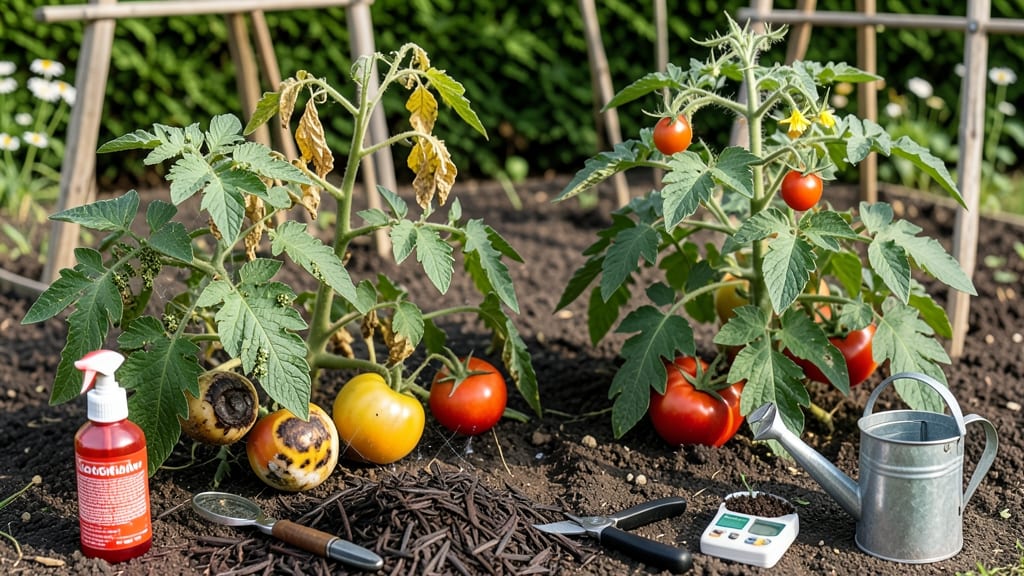
Tomato plant problems and solutions can turn your garden from productive to pathetic faster than you’d think. 🌱 I’ve lost entire plants to blight, wilting, and pests—but these quick fixes saved my next harvest, and they’ll work for you too. The key is acting fast and knowing what’s really wrong before it’s too late.
Wilting leaves? It’s usually underwatering or root rot, not thirst—check soil moisture before panicking. Blight? That’s the fungus that turns leaves to sludge overnight. Pests like hornworms or aphids?
They’ll strip your plants bare if you don’t spot them early. The good news? Most issues have simple, organic solutions you can grab at the hardware store.
You’ll learn to diagnose problems in minutes, not hours, and stop them before they spread. No more guessing whether to water more or less, or whether that yellow leaf means disease or just too much sun. By the end, your tomatoes will be thriving—no more mystery wilting or mysterious spots.
Works for backyard gardens, containers, or even balcony setups. Let’s get those plants back on track before the season’s over!
Root Causes Of Tomato Troubles
Understanding why tomato plants struggle is half the battle—because once you know the why, you can fix it fast. Let’s break down the most common culprits behind wilting, blight, and pest attacks, and the science behind their sneaky behavior.
Tomatoes are tropical plants at heart, which means they hate extreme swings in temperature, humidity, or sunlight. When conditions go rogue, your plants send out distress signals—like yellowing leaves, stunted growth, or even sudden wilting.
- Heat Stress 🔥 When temperatures soar above 90°F (32°C), tomatoes shut down photosynthesis to avoid "cooking" themselves.
This causes: - Blossom drop (flowers fall off before fruiting). - Sunburn (white/yellow patches on fruit). - Poor fruit set (even if flowers appear, they won’t turn into tomatoes). - Why? High heat disrupts pollen viability and enzyme activity in flowers.
- Cold Shock ❄️ Tomatoes cannot tolerate frost or temps below 50°F (10°C). Cold stress triggers:
- Blackened or mushy stems (cell membranes rupture).
- Stunted growth (metabolic processes slow to a crawl).
- Why? Cold weather increases water uptake but freezes cell walls, causing internal damage.
- Humidity Imbalance 💧 Too much humidity (above 80%) creates a breeding ground for fungal diseases like early blight and late blight, while too little (below 40%) causes:
- Leaf curl and scorch (from transpiration stress).
- Why? Low humidity forces plants to open stomata wider to absorb moisture, making them vulnerable to pests like spider mites.
Tomatoes are heavy feeders, and when their soil conditions go wrong, they either starve or drown—both with dramatic symptoms.
- Nutrient Deficiencies 📉 - Nitrogen (N) deficiency → Yellowing lower leaves (oldest leaves first). Why? Nitrogen is mobile in plants—when lacking, the plant "steals" it from older leaves to fuel new growth. - Potassium (K) deficiency → Weak stems, brown leaf edges, poor fruit quality. Why? Potassium regulates water balance and disease resistance.
Without it, cells can’t maintain turgor pressure (leading to wilting). - Magnesium (Mg) deficiency → Yellow patches between leaf veins (interveinal chlorosis). Why? Magnesium is the center of the chlorophyll molecule—without it, leaves can’t photosynthesize efficiently.
- Overwatering or Poor Drainage 💦
- Root rot (dark, mushy roots) from soggy soil. Why? Oxygen is displaced by water, suffocating roots and inviting Pythium or Phytophthora fungi.
- Blossom end rot (black, sunken spots on fruit). Why? Calcium uptake is disrupted when soil moisture fluctuates wildly (even if calcium is present).
- Compacted or Clay Soil 🏗️
- Stunted roots (roots can’t penetrate dense soil). Why? Compacted soil restricts oxygen flow, forcing roots to grow horizontally instead of downward for stability.
Pests and pathogens don’t just appear—they’re invited by weak plants or ideal conditions. Here’s how they exploit tomatoes:
- Fungal Diseases (Blight & Mold) 🍄
- Early blight (Alternaria solani) thrives in warm, dry conditions (75–85°F / 24–29°C). Why? The fungus spores land on lower leaves, then spread upward as humidity rises at night.
- Late blight (Phytophthora infestans) loves cool, wet weather (50–77°F / 10–25°C). Why? It spreads via water splashes, especially after rain or overhead watering.
- Insect Pests 🐜
- Aphids cluster on new growth to steal sap and spread viral diseases. Why? They’re attracted to tender, nitrogen-rich shoots—common in over-fertilized plants.
- Hornworms 🐛 devour leaves overnight. Why? They’re drawn to tomato plants with lush, young foliage (their favorite snack).
- Spider mites 🕷️ thrive in dry, dusty conditions. Why? They multiply when humidity drops below 40%, piercing leaves to suck out moisture.
- Bacterial Infections 🦠
- Bacterial spot (Xanthomonas) spreads via rain splashes on wounds (like from pruning or hail). Why? Bacteria enter through stomata or cuts, then multiply in wet conditions.
Sometimes, the problem isn’t nature—it’s us. Here’s how well-meaning actions backfire:
- Over-Pruning or Rough Handling ⚠️
- Stunted growth from removing too many leaves (reduces photosynthesis). Why? Tomatoes need 3–4 leaves above the fruit to support ripening.
- Broken stems from aggressive staking. Why? Over-tightening ties restricts sap flow, causing wilting.
- Transplant Shock 🌱
- Wilting or yellowing after moving plants. Why? Roots get damaged during transplanting, and the plant struggles to re-establish water uptake.
- Herbicide Drift or Soil Toxicity 🚫
- Chemical burns (yellowing, curling leaves) from nearby weed killer. Why? Systemic herbicides (like glyphosate) can linger in soil and be absorbed by tomato roots.
Quick Fixes for Common Tomato Troubles
Got a tomato plant acting up? Don’t panic—most issues have simple, effective solutions. Below, we’ll tackle the most common tomato plant problems with step-by-step fixes and prevention tips to keep your plants thriving. 🍅✨
Cause: Overwatering, underwatering, heat stress, or root damage.
How to Fix It
💧 Check the Soil First
- Stick your finger 1-2 inches into the soil. If it’s soggy, you’re overwatering. If dry, it’s time to water deeply.
- Fix: Water only when the top inch of soil feels dry. Use a moisture meter for accuracy.
🌡️ Beat the Heat
- Wilting in hot weather? Mulch around the base to retain moisture and protect roots.
- Fix: Apply 2-3 inches of straw or wood chips and water in the early morning or evening to avoid evaporation.
🌿 Root Rot Rescue
- If leaves are yellowing and wilting, root rot may be the culprit.
- Fix:
- Stop watering immediately.
- Repot the plant in fresh, sterile potting mix (add perlite for drainage).
- Trim mushy, black roots with clean scissors.
- Water lightly only after new growth appears.
💡 Prevention Tip:
- Water at the base, not the leaves, to prevent fungal diseases.
- Use self-watering containers if you tend to overwater.
Cause: Excess moisture, poor airflow, or contaminated soil.
How to Fix It
🧼 Clean Up the Mess
- Remove infected leaves immediately—don’t compost them! Toss in the trash.
- Fix: Prune with sterilized shears (wipe with rubbing alcohol between cuts).
🌬️ Improve Airflow
- Crowded plants = fungal paradise. Space them 18-24 inches apart.
- Fix: Thin out plants or install a small fan on low speed near the garden (trust us, it works!).
🛡️ Fungal Sprays That Work
- Baking Soda Spray (for powdery mildew):
- Mix 1 tsp baking soda + 1 tsp oil + 1 tsp dish soap in 1 quart water. Spray every 7-10 days.
- Copper Fungicide (for blight):
- Follow label instructions for preventative sprays (apply before symptoms appear).
🌡️ Heat & Light Trick
- Early blight? Avoid watering overhead—use drip irrigation instead.
- Prevention: Plant resistant varieties like ‘Mountain Merit’ or ‘Defiant PhR.’
Cause: Weak plants attract pests, or they hitch a ride from nearby gardens.
How to Fix It
🐛 Manual Pest Removal (Best for Hornworms & Aphids)
- 🔪 Handpick hornworms (they’re big and green—easy to spot!). Drop them in soapy water.
- 🚿 Blast aphids off with a strong stream of water from a hose.
🌿 Natural Repellents
- Neem Oil Spray (kills eggs & adults):
- Mix 1 tbsp neem oil + 1 tsp mild soap in 1 quart water. Spray every 5-7 days.
- Garlic Spray (aphids & whiteflies hate it):
- Blend 3 garlic cloves + 1 quart water, strain, and spray on leaves.
🐝 Beneficial Insects to the Rescue
- Ladybugs, lacewings, and parasitic wasps eat tomato pests naturally.
- Fix: Buy them online or attract them with dill or fennel plants nearby.
💡 Prevention Tip:
- Row covers (lightweight fabric) keep pests out before they become a problem.
- Rotate crops yearly to disrupt pest life cycles.
Cause: Pollination issues, extreme heat, or nutrient deficiencies.
How to Fix It
🐝 Help with Pollination
- Shake the plants gently during bloom time to release pollen.
- Fix: If bees aren’t visiting, use a small paintbrush to transfer pollen from flower to flower.
🌡️ Beat the Heat
- Tomatoes stop setting fruit when temps hit 90°F+.
- Fix:
- Shade cloth (30-50% coverage) during peak afternoon sun.
- Plant in partial shade if you’re in a hot climate.
🍽️ Feed for Better Fruit
- Nutrient deficiency? Tomatoes need phosphorus (P) and potassium (K) for fruit development.
- Fix: Use a balanced fertilizer (10-10-10) or compost tea every 2-3 weeks.
💡 Prevention Tip:
- Prune suckers (those little shoots in the leaf axils) to direct energy to fruit production.
- Pick tomatoes early if they’re not ripening—green tomatoes can still be cooked!
Final Pro Tip: 🎯 Keep a garden journal! Note what works (and what doesn’t) each season to stay ahead of problems. Happy growing! 🌱🍅
Frequently asked questions
Why are my tomato leaves turning yellow?
Yellow leaves usually mean overwatering or nutrient deficiency. Check soil moisture first—if soggy, reduce watering. If dry, your plants may need nitrogen (use compost tea) or potassium (banana peel water helps!). Always check lower leaves first—they show nutrient issues earliest.
What should I do if my tomato plant has brown spots?
Brown spots could be fungal blight (early or late) or bacterial spot. Remove infected leaves immediately and improve airflow by spacing plants 18-24 inches apart. For prevention, use copper fungicide or a baking soda spray (1 tsp each in 1 quart water). Avoid overhead watering to keep leaves dry.
How can I tell if my wilting tomato plant is thirsty or has root rot?
Gently pull back the mulch and check soil moisture—if dry, it's thirst. But if the soil is soggy and leaves feel limp even when watered, it's likely root rot. Stop watering immediately, repot in fresh soil with perlite, and trim any black, mushy roots. Let the soil dry completely between waterings.
Are my tomato plants getting enough sun?
Tomatoes need 6-8 hours of direct sunlight daily. If leaves are pale or plants are leggy, they're not getting enough. Move containers to sunnier spots or transplant outdoor plants to full sun. In extreme heat (90°F+), provide 30-50% shade cloth during afternoon hours to prevent stress.
Can I still save my tomato plant if it's covered in pests?
Yes! For aphids, blast them off with water or use neem oil spray. For hornworms, handpick them (they're easy to spot!). Introduce beneficial insects like ladybugs or lacewings. Severely infested plants may need pyrethrin spray as a last resort. Always check undersides of leaves where pests hide.