
Planting
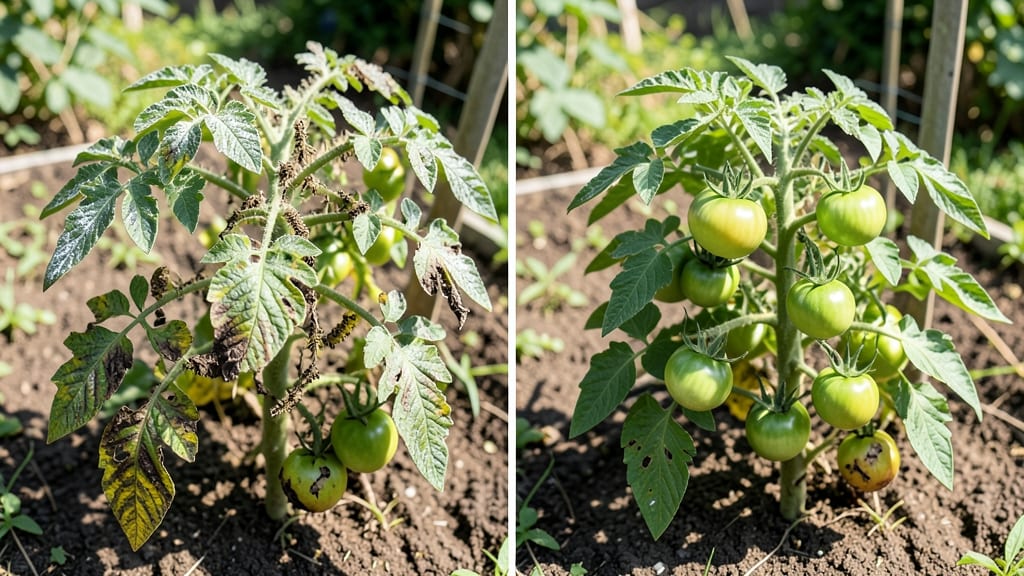
The most common tomato plant problems can turn your summer harvest into a frustrating mystery—but I’ve fixed every one of these issues in my own garden. 🌱 The wilting, the blight, the sad little tomatoes that never ripen—there’s a reason behind each, and a quick fix that works. Here’s how to spot the problem and stop it before it ruins your season.
Most tomato troubles start with overwatering or poor air circulation, which invites diseases like early blight or fungal spots. Yellow leaves? Often a sign of nutrient deficiency (especially nitrogen) or root stress from compacted soil.
Stunted growth? Check your plants’ sunlight—tomatoes need 6-8 hours of direct sun daily, or they’ll stretch and struggle. The good news? Each of these has a simple, fast solution—no guesswork required.
By the time you’re done reading, you’ll know exactly how to revive wilting plants, prevent blight before it starts, and boost fruit production with just a few adjustments.
My plants went from struggling to thriving in under a week after applying these fixes—no expensive treatments, just smart care. Let’s get your tomatoes back on track.
Whether you’re dealing with pests, cracked fruit, or just slow growth, the fixes here work for container gardens, raised beds, or in-ground plots. The key is acting fast—once a problem sets in, it’s harder to reverse. But with these tricks, you’ll save your harvest before it’s too late.
The Root Causes Behind Tomato Troubles
Tomatoes are resilient, but even the hardiest plants can fall victim to stress, pests, or environmental factors. Understanding why these problems occur is the first step to prevention and recovery.
Below, we break down the most common culprits—from fungal infections to nutrient deficiencies—with clear explanations of how they disrupt your tomato plants.
Tomatoes thrive in specific conditions, and when those conditions shift—whether due to weather, irrigation, or poor airflow—they react with visible distress.
#### 💦 Overwatering or Poor DrainageTomatoes hate soggy roots. When soil stays waterlogged, oxygen can’t reach the roots, leading to:
- Root rot: Fungal pathogens like Phytophthora thrive in waterlogged soil, attacking roots and cutting off nutrient uptake. 🌱 Symptoms: Yellowing leaves, wilting despite moist soil, and a foul odor at the base.
- Blossom-end rot: While primarily caused by calcium deficiency, overwatering (or inconsistent moisture) worsens the issue by preventing calcium absorption.
Why it happens: Excess water displaces oxygen in the soil, suffocating roots. Clay or compacted soil compounds the problem by slowing drainage.
#### ☀️ Extreme Heat or Cold ShockTomatoes are warm-season crops, but too much heat (above 90°F) or sudden temperature drops (below 50°F) disrupt their metabolism.
- Heat stress: High temperatures cause sunscald (white or brown patches on fruit) and blossom drop (flowers aborting before fruiting). Heat also accelerates water loss, leading to wilting.
- Cold stress: Chilly nights (below 55°F) slow photosynthesis, causing stunted growth. Frost damages cell walls, leading to blackened leaves or fruit.
Why it happens: Tomatoes rely on pollinators (like bees) for fruit set. Heat weakens pollinators, while cold disrupts enzyme activity in plant tissues.
#### 🌬️ Inadequate AirflowTomatoes need good circulation to dry quickly after watering and resist fungal diseases. Crowded plants or dense foliage create the perfect humid microclimate for:
- Early blight (Alternaria solani): Thrives in damp, shaded leaves, causing concentric brown spots.
- Late blight (Phytophthora infestans): Spreads rapidly in humid conditions, turning leaves black and mushy.
Why it happens: Poor airflow traps moisture, giving fungi the ideal environment to spore and infect. High humidity (above 75%) accelerates spore germination.
Microorganisms and insects don’t just damage tomatoes—they hijack their resources, leading to visible decline.
#### 🍄 Fungal Infections: The Silent InvadersFungi spread via spores, often introduced through contaminated soil, tools, or infected plant debris. Common offenders include:
- Powdery mildew (Oidium): Forms a white, powdery coating on leaves, blocking sunlight and reducing photosynthesis.
- Septoria leaf spot (Septoria lycopersici): Creates small, circular spots with gray centers, often appearing after prolonged leaf wetness.
Why it happens: Fungi require three things to infect: a susceptible host (your tomato), a conducive environment (high humidity + warmth), and a wound entry point (like damaged leaves). Overhead watering or dense canopies provide the perfect setup.
#### 🐜 Sap-Sucking Pests: The Energy ThievesInsects like aphids, spider mites, and whiteflies pierce plant cells to feed on sap, weakening the plant and transmitting viruses.
- Aphids: Excrete honeydew, a sticky residue that fosters sooty mold (a black fungal growth).
- Spider mites: Thrive in dry, hot conditions, creating fine webbing and stippling (tiny white/yellow dots) on leaves.
Why it happens: These pests target new growth because tender tissues are easier to penetrate. Stress (from drought or poor nutrition) makes tomatoes more attractive to them.
#### 🦟 Nematodes: The Underground SaboteursMicroscopic nematodes (roundworms) burrow into roots, feeding on cells and disrupting nutrient/water uptake.
Why it happens: Nematodes thrive in warm, moist soil and are often introduced via contaminated soil or water. They release toxins that trigger galling (lumpy, stunted roots), reducing the plant’s ability to absorb water.
Tomatoes are heavy feeders and signal distress when key nutrients are lacking. Soil tests reveal the truth, but visual clues can point you in the right direction.
#### 🟡 Yellowing Leaves: The Calcium CrisisBlossom-end rot is the poster child for calcium deficiency, but yellowing new leaves (not just older ones) also signal calcium issues.
Why it happens: Calcium is immobile in plants—once it’s used in old leaves, it can’t be redistributed. Poor soil drainage, high soil pH (above 6.8), or inconsistent watering (which prevents calcium uptake) trigger the problem.
#### 🟢 Purple Stems/Leaves: Phosphorus HungerPurple tinges on stems or leaf undersides indicate a phosphorus deficiency, crucial for energy transfer and root development.
Why it happens: Phosphorus binds tightly to soil particles, especially in cool, acidic soils. Over-fertilizing with nitrogen (which competes with phosphorus uptake) or using synthetic fertilizers without phosphorus (like urea) worsens the issue.
#### 🟤 Brown Leaf Edges: Potassium or Magnesium ShortageBrown, crispy edges on older leaves often mean potassium deficiency, while interveinal chlorosis (yellowing between veins) points to magnesium deficiency.
Why it happens:
- Potassium: Leaches easily from soil, especially with overwatering or sandy soils. It’s vital for osmotic regulation (helping plants retain water).
- Magnesium: The center of the chlorophyll molecule, it’s often locked in calcareous (alkaline) soils. Over-fertilizing with nitrogen can also dilute its availability.
Now that you know why tomato plants falter, the next step is actionable fixes to restore their health. From adjusting watering habits to targeted fertilizers, small changes can make a big difference!
Quick Fixes for Common Tomato Troubles
Got a tomato plant throwing red flags? Don’t panic—most issues have simple, effective fixes. Below, we’ll tackle the most common tomato plant problems with step-by-step solutions, so you can revive your plants and keep them thriving. Prevention tips are included to stop future headaches before they start!
---
Signs: Yellowing leaves, brown spots with white fuzzy edges, or blackened stems.
How to Fix It: 🔥 Remove infected foliage – Snip off diseased leaves immediately (don’t compost them!) and dispose of them in the trash. This stops the fungus from spreading. 🍳 Apply copper fungicide – Spray your plants with a copper-based fungicide (like Bordeaux mixture) every 7–10 days. Copper disrupts fungal spores without harming beneficial insects. 👨🍳 Improve airflow – Prune dense branches to let sunlight and air circulate. Space plants 18–24 inches apart. 🥘 Water at the base – Avoid overhead watering (morning is best). Wet leaves = fungal buffet. ⏰ Rotate crops – If blight was bad last year, don’t plant tomatoes, peppers, or potatoes in the same spot for 3 years.
Prevention Pro Tips: ✨ Choose resistant varieties – Look for ‘Mountain Merit,’ ‘Celebrity,’ or ‘Defiant’ tomatoes, bred to fight blight. 🌡️ Mulch heavily – Use straw or black plastic mulch to keep soil temps steady and reduce splashing spores. 💡 Sanitize tools – Wipe pruners with rubbing alcohol between cuts to avoid spreading spores.
---
Signs: Leaves curling, wilting (even when soil feels moist), or a sudden "limp" look.
How to Fix It: 🔥 Check the roots – Gently tug on the plant. If it pulls out easily, it’s underwatered or root-bound. If soil clumps stay intact, it might be overwatered (roots need air!). 🍳 Water deeply but less often – Give plants 1–2 inches of water per week (more in heatwaves). Use a soaker hose or drip irrigation to deliver water at the base. 👨🍳 Test soil moisture – Stick your finger 2 inches deep. If dry, water; if soggy, hold off. 🥘 Fertilize lightly – Wilting can signal a nutrient deficiency (especially nitrogen). Use a balanced fertilizer (10-10-10) or compost tea. ⏰ Shade stressed plants – If wilting happens in extreme heat, provide partial shade (like a shade cloth) for a few days.
Prevention Pro Tips: 🌱 Mulch like a pro – Apply 3–4 inches of mulch (straw or wood chips) to retain moisture and cool roots. 🎯 Avoid overcrowding – Give tomato plants space to breathe (18–24 inches apart). Crowded plants wilt faster. 💪 Support vines – Use cages or stakes to prevent stems from snapping under fruit weight, which stresses the plant.
---
Signs: Short stems, small leaves, or plants that just… aren’t growing.
How to Fix It: 🔥 Diagnose the cause – Is it poor soil, lack of sunlight, or pests? Dig deeper (literally). 🍳 Test soil pH & nutrients – Tomatoes thrive in pH 6.0–6.8. Use a soil test kit or send a sample to your local extension office. Amend soil with compost or lime if needed. 👨🍳 Fertilize the right way – Too much nitrogen = lush leaves, no fruit. Switch to a low-nitrogen, high-phosphorus fertilizer (like 5-10-10) when flowers appear. 🥘 Move to sunnier spot – Tomatoes need 6–8+ hours of sun daily. If shaded, relocate or prune nearby plants. ⏰ Prune suckers & leaves – Remove suckers (shoots between stem and branches) and lower leaves to redirect energy to fruit production.
Prevention Pro Tips: ✨ Start with rich soil – Mix in aged compost or worm castings before planting. 🌡️ Plant at the right time – Wait until night temps stay above 50°F (10°C)—cold soil stunts growth. 💡 Use slow-release fertilizer – Granular organic fertilizers (like cottonseed meal) feed plants steadily without burning roots.
---
Signs: Holes in leaves, chewed stems, or tiny black bugs crawling on plants.
How to Fix It: 🔥 Identify the pest – Common culprits: - Aphids (tiny green/black bugs) - Hornworms (big green caterpillars) - Whiteflies (tiny white moths) - Tomato hornworms (5-inch green monsters!) 🍳 Handpick or hose them off – For hornworms, squish them (they’re fast but easy to spot). Blast aphids/whiteflies with a strong spray of water. 👨🍳 Use neem oil or insecticidal soap – Spray neem oil (mix 1 tbsp per quart of water) every 5–7 days. It’s organic and effective against soft-bodied pests. 🥘 Introduce beneficial insects – Ladybugs, lacewings, and praying mantises love aphids. Buy them online or attract them with dill or fennel plants. ⏰ Set up traps – For whiteflies, use yellow sticky traps. For hornworms, plant basil nearby—its scent repels them.
Prevention Pro Tips: 🌱 Rotate planting spots – Pests build up in the same soil. Move tomatoes every year. 🎯 Use row covers early – Floating row covers block pests before they lay eggs. 💪 Plant companion plants – Basil, marigolds, and onions deter pests naturally.
--- Final Tip: 📊 Keep a garden journal – Note what works (and what doesn’t) each season. Soon, you’ll spot problems before they spiral!
Frequently asked questions about tomato plant problems
Why do my tomato leaves suddenly turn yellow?
Yellowing leaves usually signal either overwatering (roots can't breathe) or a nutrient deficiency, often nitrogen or magnesium. Check soil moisture first—if soggy, reduce watering. For yellowing between veins, it's likely magnesium deficiency. Apply Epsom salt (1 tablespoon per gallon of water) every 2 weeks to fix it.
How can I prevent blossom-end rot on my tomatoes?
Blossom-end rot appears as dark, sunken spots on fruit and is caused by calcium deficiency, often from inconsistent watering. Keep soil evenly moist (not soggy) and apply crushed eggshells or calcium nitrate every 2 weeks. Mulching with straw helps maintain steady moisture levels.
What should I do if my tomato plants have white powdery spots?
Those are signs of powdery mildew, a fungal disease that thrives in humid conditions. Prune affected leaves immediately and improve airflow by spacing plants 18-24 inches apart. Spray with a mix of 1 tablespoon baking soda + 1 teaspoon dish soap + 1 quart water weekly. Avoid overhead watering to prevent spreading.
Why aren't my tomato plants producing fruit?
Poor fruit production often comes from lack of pollinators, temperature stress (above 90°F or below 55°F), or excess nitrogen (which promotes leaves over flowers). Hand-pollinate with a small brush if bees are scarce. Move plants to a sunnier spot and switch to a low-nitrogen, high-phosphorus fertilizer (like 5-10-10) when flowers appear.
Can I save a tomato plant with root rot?
Early-stage root rot might be salvageable. Prune away all blackened roots and repot in fresh, well-draining soil mixed with perlite or sand. Water only when the top 1 inch of soil is dry and avoid overhead watering. For severe cases, consider starting fresh with healthy cuttings. Prevention is key—always use containers with drainage holes.