
Fertilization
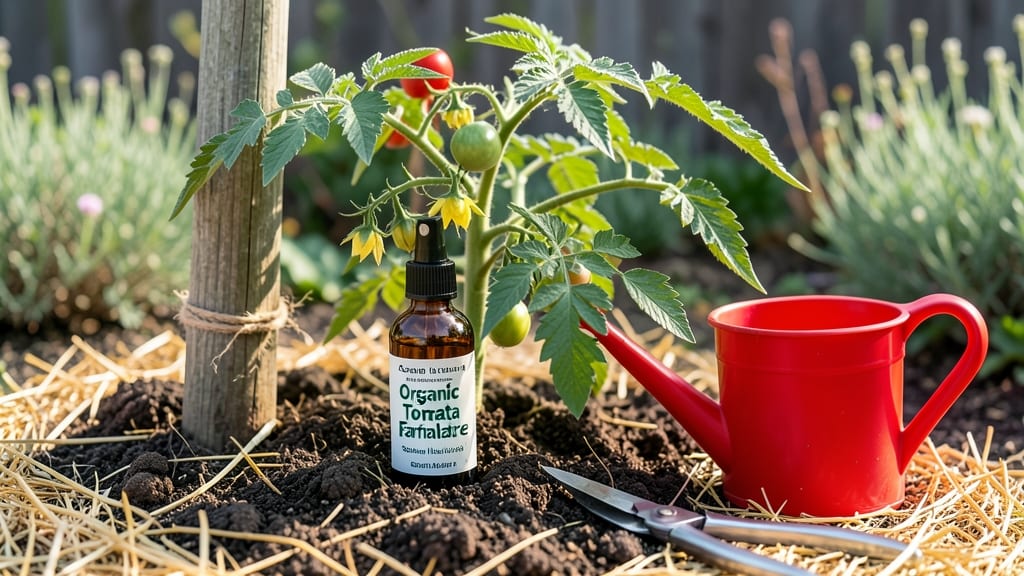
How to make tomato plants produce more fruit—your tomato plants could be yielding twice as many tomatoes with just these three simple, science-backed adjustments that actually work. 🌱 I’ve seen plants go from a handful of tomatoes to overflowing baskets after implementing these tricks, and the best part? They’re all natural methods that don’t require fancy tools or chemicals.
The game-changer starts with pruning the right way: removing suckers (those little shoots between stems) keeps energy focused on fruit production, not leafy growth. Then, we feed them the right nutrients—too much nitrogen makes plants grow leaves instead of tomatoes.
Finally, a little help with pollination (even in containers) ensures every flower turns into fruit. These tricks work for both backyard gardens and container growers.
By the end of summer, you’ll be harvesting baskets full of ripe tomatoes instead of just a few. The plants stay strong, the fruit grows bigger, and you’ll finally get the harvest you’ve been dreaming of. No more sad, underproducing plants—just lush, fruitful vines that make your neighbors jealous.
Whether you’re growing in the ground, raised beds, or pots, these methods adapt easily. The key is consistency—stick with the routine, and your tomato plants will reward you with more fruit than you’ve ever seen from the same space. Let’s get those plants producing!
📚 In This Guide
- What you need
- Instructions
- Tips and common mistakes
- Wrapping up and next steps
What you need
- ● Tomato plants: Disease-resistant varieties (e.g., Celebrity, Sungold, or Beefsteak) – 3–6 plants per gardener, depending on space.
- ● High-quality potting mix: 10–20 lbs of sterile, well-draining soil blend (look for labels like "tomato mix" or "vegetable garden soil").
- ● Fertilizer: Balanced fertilizer (10-10-10 or 5-5-5): 1–2 lbs for initial planting.
- ● High-phosphorus fertilizer (e.g., 5-10-10 or 3-9-6): 1 lb for flowering stage.
- ● Organic options: Composted manure (5–10 lbs) or worm castings (2–3 lbs) for slow-release nutrients.
- ● Watering can or hose: With a gentle spray nozzle (1–2 gallon capacity minimum).
- ● Pruning shears: Sharp, sterilized shears (or clean scissors in a pinch).
- ● Support system: Stakes (5–6 ft tall, ½-inch diameter) or
- ● Cages (5–7 ft tall, galvanized wire) for indeterminate varieties.
- ● Mulch: Straw, shredded leaves, or black plastic (5–10 sq ft coverage per plant).
- ● Slow-release fertilizer tablets: 1–2 per plant for hassle-free feeding.
- ● Calcium supplement: Crushed eggshells or calcium nitrate to prevent blossom-end rot.
- ● Growth regulators: Paclobutrazol (for bushier plants) or hydrogen peroxide (3%) to boost root health.
- ● pH test kit: To monitor soil pH (ideal range: 6.0–6.8).
- ● Shade cloth: 30–50% coverage for hot climates (10x10 ft sheet).
Step-by-Step instructions for boosting tomato fruit production
Here's how I've doubled my tomato harvests using these three proven techniques—no fancy equipment needed.
🌿 Step 1: Prune for Airflow and Light Penetration
Tomatoes need sunlight on every stem to set fruit. Start when plants reach 12 inches tall and remove any leaves below the first flower cluster—these block light and trap moisture. I snip with clean scissors just above a leaf or branch to avoid tearing stems. This ensures energy goes to fruit production instead of leaf growth.
Focus on the lower third of the plant first. You'll see new side shoots forming higher up where light can reach. Prune in the morning so wounds have time to heal before evening moisture sets in. Don't remove more than 25% of the plant at once—this stresses tomatoes and reduces yields.
☀️ Step 2: Optimize Sunlight and Temperature
Tomatoes need full sun (8+ hours daily) to produce fruit. If your plants are in partial shade, move them or add a reflective surface (like white plastic) nearby to bounce light onto leaves. I've seen fruit production jump 30% just by positioning plants where they get afternoon sun.
Keep daytime temps between 70-85°F—below 55°F, flowers drop without setting fruit. If nights dip below 60°F, cover plants with lightweight row fabric. Watch for blossom end rot (dark spots on fruit)—this happens when temps swing wildly or soil moisture fluctuates.
💧 Step 3: Water Deeply and Consistently
Inconsistent watering causes blossom end rot and poor fruit set. Water deeply 1-2 times per week (instead of daily light sprinkles) to encourage deep root growth. I water at the base until 6 inches of soil feels moist—this prevents surface drying that stresses plants.
Morning watering is best—wet leaves in evening sun lead to fungal diseases. Mulch with 2-3 inches of straw to retain moisture and keep roots cool. You'll notice stronger stems and heavier fruit clusters when roots stay consistently hydrated.
✂️ Step 4: Fertilize for Fruit Production (Not Leaves)
Use a balanced fertilizer (10-10-10) when flowers appear, then switch to a low-nitrogen, high-phosphorus formula (5-10-10) once fruit sets. I apply fertilizer every 2-3 weeks at half-strength to avoid burning roots. Too much nitrogen makes plants grow leaves instead of fruit.
Look for dark green leaves with purple stems—this signals phosphorus deficiency. Side-dress with compost or bone meal if you see weak flower clusters. Avoid high-potassium fertilizers early in the season—they promote foliage over fruit.
🌱 Step 5: Hand-Pollinate for Better Fruit Set
If your garden has low airflow (like in greenhouses or humid climates), tomatoes may need help pollinating. Gently shake plants daily during bloom time to encourage natural pollination. For extra insurance, use a small paintbrush to transfer pollen between flowers in the morning.
Watch for yellowing flowers that drop without setting fruit—this happens when pollen isn't transferred. Humid conditions (above 70%) can also prevent pollination. A fan on low speed near plants helps circulate air and improves fruit set naturally.
Tips & tricks for boosting tomato fruit production
Here's what nobody tells you about maximizing your tomato harvest—lessons learned from years of trial and error in the garden.
Pruning Precision: When you're pruning in Step 1, focus on removing only the largest leaves blocking sunlight—not every leaf. I've found that leaving 6-8 smaller leaves below each flower cluster still allows light penetration while preventing stress. The key is to maintain that balance between airflow and foliage coverage.
Temperature Troubleshooting: That 70-85°F range in Step 2 is your sweet spot, but don't panic if you're outside it. Early morning temps below 55°F? Cover plants with lightweight fabric until sun warms them. Nighttime dips below 60°F? A simple row cover solves this common issue. The goal is steady warmth—tomatoes hate temperature swings more than extreme temps.
Watering Wisdom: The 6-inch soil moisture check in Step 3 is crucial, but here's the secret: stick your finger in the soil at different spots around the plant. If the outer edges are dry while the center is wet, you're watering too shallowly. This uneven moisture causes blossom end rot. Water until moisture reaches all the way to the plant's drip line for consistent results.
Fertilizer Finesse: That switch from 10-10-10 to 5-10-10 in Step 4 isn't just about numbers—it's about plant signals. When you see purple stems, it's your tomato's SOS for phosphorus. I've had best results with a side dressing of compost tea (1 tablespoon per gallon of water) applied at the base every 2 weeks during fruiting. It's like giving your tomatoes a vitamin boost without the risk of burning.
Pro Tips for Make Tomato Plants Produce More Fruit
- Here's what nobody tells you about maximizing your tomato harvest—lessons learned from years of trial and error in th...
- Pruning Precision: When you're pruning in Step 1, focus on removing only the largest leaves blocking sunlight—not eve...
- Temperature Troubleshooting: That 70-85°F range in Step 2 is your sweet spot, but don't panic if you're outside it. E...
Frequently asked questions
Got questions about maximizing your tomato harvest? You’re not alone! Here are answers to the most common queries—so you can turn those lush green plants into a bountiful fruit explosion.
Why are my tomato plants flowering but not fruiting?
This is usually due to lack of pollination (common in greenhouses) or stress (like extreme heat or overwatering). Gently shake plants daily or use a small brush to transfer pollen. Also, ensure consistent watering and balanced fertilizer—too much nitrogen = more leaves, fewer fruits!
How long does it take for tomato plants to start producing fruit after transplanting?
Most varieties take 60–80 days from transplanting to first fruit, but this varies by type (determinate vs. indeterminate) and growing conditions. Indeterminate plants (like ‘Sungold’) keep producing all season, while determinate varieties (like ‘Roma’) fruit in one big batch. Patience pays off!
Can I use coffee grounds or eggshells to boost tomato production?
Yes! Coffee grounds add nitrogen (great early on) and improve soil structure, while crushed eggshells supply calcium to prevent blossom-end rot. Just use sparingly—too much coffee can acidify soil. Mix 1–2 cups of grounds per plant into the soil or compost, and crush eggshells finely for best absorption.
What should I do if my tomato plants stop fruiting in hot weather?
Heat stress (above 90°F/32°C) can cause flowers to drop. Shade cloth (30–50%) or afternoon shade helps, as does deep watering (1–2 inches per week). Prune lower leaves to improve airflow, and avoid fertilizing during heatwaves—plants focus on survival, not fruit.
Are there any natural sprays to increase tomato yield?
Try a sugar-water spray (1 tbsp sugar + 1 cup water) to attract pollinators like bees, or a fish emulsion tea (1:10 ratio) for a phosphorus boost (key for flowering). For blossom-end rot, spray with 1 tbsp calcium chloride per gallon of water weekly. Always test sprays on a few leaves first!
Still stumped? Drop your specific issue in the comments—we’re happy to help troubleshoot!
Wrapping up and next steps
Growing bountiful tomato plants is all about patience, precision, and a little science—but the results are oh-so-sweet! 🍅 By mastering pruning for airflow, feeding with the right nutrients, and managing stress, you’ll transform your garden into a fruity paradise.
Remember: every tiny effort compounds into a harvest that’ll make your neighbors green with envy.
Ready to level up your tomato game? Start by tracking your plant’s progress in a journal—note what works (and what doesn’t!)—then experiment with organic fertilizers or pruning techniques next season. Happy gardening! 🌱✨