
Companion Plants
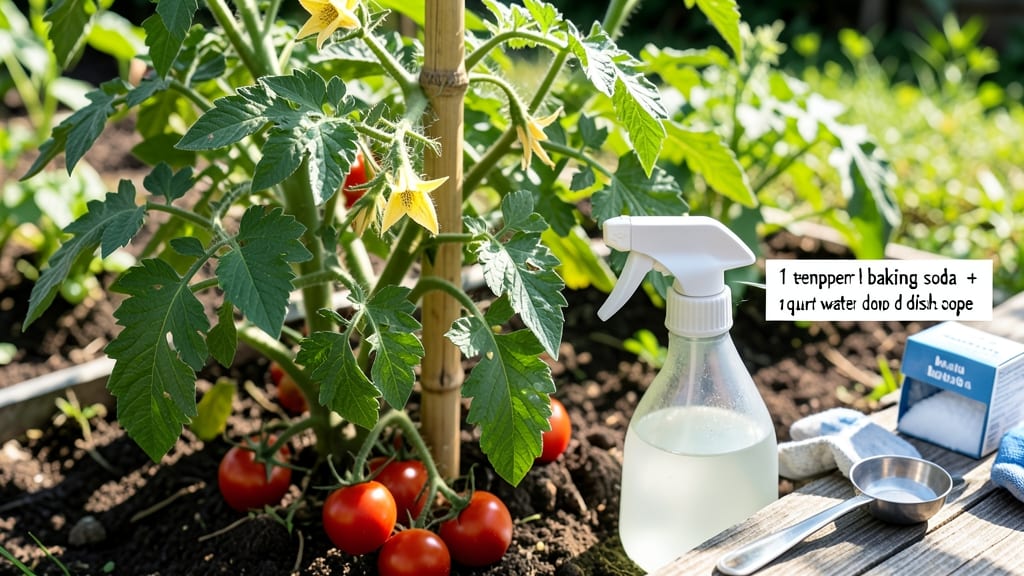
How to use baking soda for tomato plants needs more than just sunlight and water—they need a pest-repelling shield and a soil booster, and baking soda delivers both. 🌱 I’ve used this simple kitchen staple for three summers running, and the difference in plant health is shocking. The secret lies in its ability to adjust soil pH slightly and deter pests without harsh chemicals, giving you tomatoes that thrive from seedling to harvest.
This isn’t just about spraying—it’s about preventing fungal diseases like early blight and keeping aphids and whiteflies away before they become a problem. The science is simple: baking soda raises the pH just enough to create an environment pests dislike, while also providing trace minerals that strengthen plant cell walls.
You’ll need just 1 tablespoon of baking soda, 1 quart of water, and a spray bottle, plus a little patience for the best results.
Start by mixing the baking soda with water and a few drops of dish soap (to help it stick), then spray the undersides of leaves every 7-10 days during growing season. Timing matters—apply in the early morning or late afternoon to avoid burning leaves in direct sunlight.
Within weeks, you’ll notice fewer pests, healthier foliage, and tomatoes that stay disease-free longer than ever before.
There’s a catch: overuse can make soil too alkaline, so rotate with other natural remedies like neem oil. But for most gardeners, this foolproof, budget-friendly trick is the game-changer you’ve been waiting for. Ready to give it a try?
📚 In This Guide
- What you need
- Instructions
- Tips and common mistakes
- Wrapping up and next steps
What you need
- ● Baking soda (sodium bicarbonate) – 1 tablespoon per gallon of water (food-grade quality preferred).
- ● Water – 1 gallon (or enough to fill a spray bottle) (distilled or filtered if possible).
- ● Spray bottle – 16-32 oz with a fine mist nozzle (or a garden sprayer for larger plants).
- ● Garden gloves – 1 pair (to protect your hands from plant sap and baking soda residue).
- ● Measuring cup or spoon – For precise baking soda quantities.
- ● Tomato plants – Healthy, established plants (avoid spraying in direct sunlight).
- ● Dish soap (mild, unscented) – ½ teaspoon per gallon (helps the solution stick to leaves).
- ● Neem oil or vegetable oil – 1 teaspoon per gallon (boosts pest-repelling power).
- ● Horticultural oil sprayer – For larger gardens or heavy infestations.
- ● pH testing kit – To check soil pH before/after treatment (ideal: 6.0–6.8).
- ● Label or marker – To tag treated plants (avoids accidental over-treatment).
Step-by-Step guide to using baking soda for tomato plants
Here's how to harness this kitchen staple for healthier plants and stronger defenses.
🌱 Step 1: Prepare the Baking Soda Solution
Mix 1 tablespoon of baking soda with 1 gallon of lukewarm water in a clean spray bottle. The solution should be slightly alkaline—this helps deter fungal diseases and soft-bodied pests like aphids. I always use lukewarm water because cold water can shock the plants, while hot water might degrade the baking soda's effectiveness.
Add a few drops of mild liquid soap (like Castile soap) to help the solution stick to the leaves. This creates a protective film that pests avoid. Shake the bottle gently before each use to ensure the baking soda dissolves evenly. You'll notice a faint fizz when mixed correctly—this confirms the chemical reaction is working.
💧 Step 2: Apply to Leaves and Soil
Spray the solution directly onto the leaves—both the tops and undersides—until they glisten lightly. Focus on areas where pests hide, like leaf undersides and new growth. Avoid oversaturating the foliage; dampness for too long can encourage fungal issues. I like to do this in the early morning so the leaves dry quickly under sunlight.
For soil treatment, dilute the solution further (1 tablespoon per 2 gallons of water) and pour it around the base of the plant, avoiding the stem. This helps adjust soil pH slightly and deters underground pests like nematodes. Water the soil thoroughly afterward to distribute the solution evenly.
☀️ Step 3: Monitor and Reapply as Needed
Reapply the baking soda spray every 7-10 days or immediately after rain, which washes it away. You’ll see the first signs of improvement within a week—fewer aphids, less powdery mildew, and healthier green leaves. If you notice yellowing leaves, reduce frequency to every 2 weeks—too much baking soda can alter soil pH negatively over time.
Combine this treatment with neem oil spray for stubborn infestations. The baking soda weakens pests' defenses, while neem oil disrupts their life cycles. Always test the solution on a small leaf first to check for sensitivity—some tomato varieties react to sudden pH changes.
✂️ Step 4: Boost Soil Health Long-Term
Mix ½ cup of baking soda into the top 2 inches of soil around your tomato plants once a month during the growing season. This gently raises soil pH, making it less hospitable to fungal pathogens. Work it in lightly with a small hand fork or your fingers—don’t disturb the roots deeply.
Pair this with a compost top-dressing to balance the pH naturally. The baking soda helps prevent blossom-end rot by improving calcium availability, while compost provides essential nutrients. You’ll notice stronger stems and more vigorous growth, especially in acidic soils common to many gardeners.
Tips & tricks for using baking soda on tomato plants
Here's what nobody tells you about maximizing this simple solution for your garden.
Solution Strength: The 1 tablespoon per gallon ratio in Step 1 is perfect for most pests, but for heavy infestations of aphids or whiteflies, you can increase to 2 tablespoons per gallon. The extra baking soda creates a more alkaline environment that pests absolutely hate—just don't exceed this amount or you risk harming your plants. I've found this stronger mix works particularly well when applied right after pruning, as fresh growth is more vulnerable to pests.
Application Technique: When spraying in Step 2, focus on the undersides of leaves where pests love to hide—they're often completely missed. Use a gentle misting motion rather than a heavy spray to avoid creating puddles that could promote fungal growth. I like to work in early morning when humidity is lower, which gives the leaves plenty of time to dry completely before evening. This prevents any accidental fungal issues from the moisture.
Soil Integration: For the soil treatment in Step 4, I've discovered that mixing the baking soda with a small amount of water first creates a paste that's easier to distribute evenly. Simply stir ½ cup baking soda with ¼ cup water to form a paste, then work it into the top 2 inches of soil. This paste form helps prevent clumping and ensures better contact with the root zone. The paste also helps buffer any potential pH shock to the plants.
Companion Treatments: The instructions mention neem oil, but another excellent companion is garlic spray. Mix 1 chopped garlic clove with 1 quart of water and let steep overnight, then strain. Spray this on your plants before applying the baking soda solution—it enhances the pest-repelling effects while adding additional nutrients. I alternate between these treatments weekly for maximum protection without overloading the plants.
Pro Tips for Use Baking Soda For Tomato Plants
- Here's what nobody tells you about maximizing this simple solution for your garden.
- Solution Strength: The 1 tablespoon per gallon ratio in Step 1 is perfect for most pests, but for heavy infestations of aphids or whiteflies, you can increase to 2 tablespoons per gallon.
- Application Technique: When spraying in Step 2, focus on the undersides of leaves where pests love to hide—they're often completely missed.
Frequently asked questions
Got questions about using baking soda for your tomato plants? You’re not alone! Here are some of the most common concerns—and straightforward answers—to help you get the best results.
How often should I apply baking soda to my tomato plants?
Apply baking soda every 2–4 weeks as a preventive spray (1–2 teaspoons per gallon of water) or monthly as a soil drench (1 tablespoon per foot of plant height). Overuse can disrupt soil pH, so consistency matters more than frequency. Monitor your plants—if pests return quickly, adjust to a bi-weekly schedule.
Can I use baking soda on tomato plants during fruiting?
Yes! Baking soda is safe for all growth stages, including flowering and fruiting. It won’t harm tomatoes, but avoid spraying directly on ripe fruit to prevent residue. For extra caution, apply in the early morning so the solution dries before evening dew. It’s a great way to keep pests away without chemicals.
What’s a good alternative if I don’t have baking soda?
If baking soda isn’t available, try these natural pest-repelling alternatives:
- Neem oil (1 tsp per quart of water + a drop of dish soap as an emulsifier)
- Garlic or onion spray (blend 2 cloves of garlic with water, strain, and spray)
- Insecticidal soap (store-bought or homemade with 1 tbsp mild soap per quart of water)
- Diatomaceous earth (sprinkle lightly on soil—avoid windy days!)
Why isn’t baking soda working for my tomato plant pests?
Baking soda works best for soft-bodied pests like aphids, whiteflies, and spider mites. If it’s not effective, check these troubleshooting steps:
- Ensure you’re covering both leaf surfaces (pests hide underneath!)
- Reapply after rain or heavy watering (it washes off)
- Combine with neem oil for tougher infestations
- Check for harder pests like hornworms—baking soda won’t stop them (handpick instead!)
Will baking soda harm my tomato plants if it rains soon after application?
Rain won’t harm your plants, but it will rinse off the baking soda solution. For best results, spray in the early morning or late afternoon when rain isn’t forecasted for at least 2–3 hours. If rain is expected, reapply after it stops to maintain protection.
Wrapping up and next steps
Using baking soda for your tomato plants is a simple, budget-friendly, and eco-conscious way to boost growth, deter pests, and enhance soil health—without harsh chemicals! 🌱 Whether you’re combating aphids, adjusting soil pH, or giving your plants a nutrient lift, this pantry staple is your secret weapon.
With just a few easy steps, you’ve got a natural shield to keep your tomato garden thriving.
Now that you’re armed with these tips, take action! Start small—try a baking soda spray on one plant and observe the results. Soon, you’ll be a pro at growing healthier, happier tomatoes the natural way. Happy gardening! 🌿