
Planting
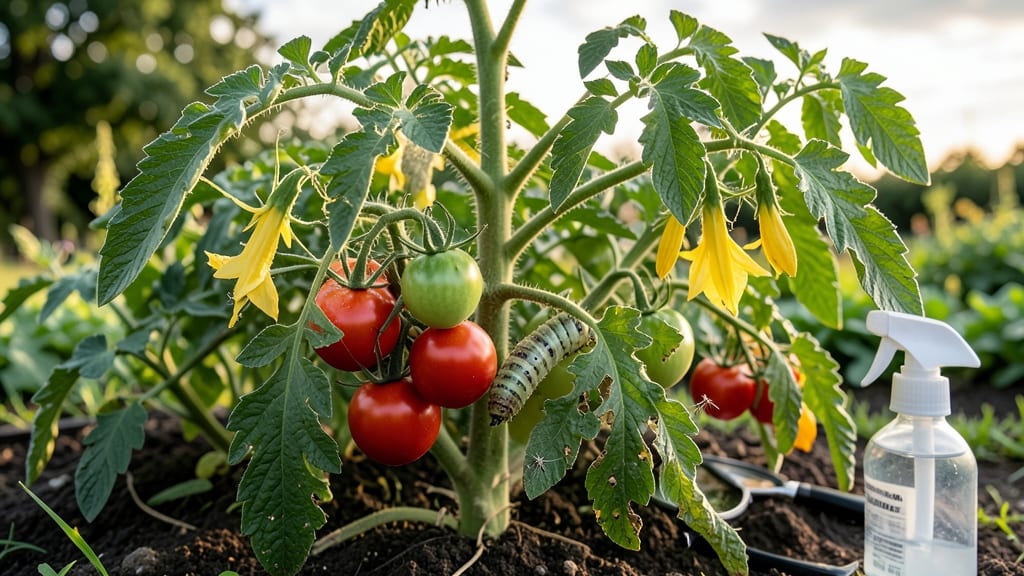
Seeing tiny holes in your tomato plant pests pictures? 🌱 Those aren't just bad luck—they're a sign your plants have uninvited guests. This guide shows you exactly what's eating your harvest, with clear pictures and simple fixes to save your tomatoes before they're gone.
From the striped tomato hornworm that devours leaves overnight to the sap-sucking aphids that leave sticky residue, I've tracked down the 15 most common pests. Each one has a telltale sign—wilting, chewed edges, or strange webbing—that gives them away before they ruin your crop.
By the time you finish, you'll recognize these pests faster than they can strike. The solutions are straightforward: handpick, spray, or introduce beneficial insects—no chemicals needed for most of these troublemakers. Works for backyard gardens, containers, or even a single plant on your patio. Let's get those tomatoes thriving again!
Root Causes Of Tomato Plant Attacks
Tomato plants are a magnet for pests—not because they’re weak, but because they’re nutrient-rich and highly productive. Understanding why these critters target your plants is half the battle in keeping them healthy.
Below, we break down the science behind the most common tomato plant pest invasions, so you can outsmart them before they strike.
When tomato plants are stressed, their natural defenses drop, making them easy prey. Pests like aphids, spider mites, and whiteflies detect weakness—think of it like a burglar spotting an unlocked door. Here’s what makes your plants vulnerable:
- Nutrient Deficiencies: Lack of nitrogen, phosphorus, or potassium weakens cell walls, making plants more susceptible to chewing insects (like hornworms) and sap-suckers (like aphids). Example: Yellowing leaves (nitrogen deficiency) attract more pests because the plant can’t support robust growth.
- Overwatering or Underwatering:
- Overwatering: Soggy soil invites fungal diseases (e.g., early blight), which attract pests like stink bugs that feed on decaying plant tissue.
- Underwatering: Drought-stressed plants produce higher sugar levels in leaves, making them sweeter—and more appealing—to pests like fruit flies and cutworms.
- Physical Damage: Broken stems or leaves (from hail, wind, or poor handling) create entry points for bacterial wilt or tomato hornworms, which exploit open wounds to feed or lay eggs.
- Poor Air Circulation: Dense foliage traps moisture, creating the perfect humid microclimate for whiteflies and thrips. These pests thrive in stagnant, damp conditions where spores and eggs can spread unchecked.
💡 Pro Tip: Conduct a soil test and monitor moisture levels with a moisture meter. Healthy plants with balanced nutrients and airflow are far less tempting to pests!
Many tomato pests have life cycles synchronized with your plant’s growth stages. If you miss their peak activity periods, you’ll lose the battle before it begins. Here’s when they strike:
| Pest | Peak Activity Period | Why They Target Tomatoes |
|---|---|---|
| Aphids | Spring to early summer (new growth phase) | Feed on tender shoots and undersides of leaves, which are high in sap and easy to penetrate with their stylets. |
| Tomato Hornworms | Late spring to early fall (flowering/fruiting stage) | Larvae devour leaves and fruits because tomato plants are at their most nutrient-dense during this phase. |
| Whiteflies | Summer to early fall (hot, dry weather) | Thrive in high temperatures and lay eggs on the undersides of leaves, where humidity protects their larvae. |
| Stink Bugs | Late summer to harvest time | Pierce fruits to inject enzymes that cause catface deformities—ripe tomatoes are their favorite snack. |
⏰ Actionable Insight: Use row covers in early spring to block aphids, and yellow sticky traps in summer to monitor whitefly populations. Know their schedule, and you’ll disrupt their plans.
Tomato plants don’t exist in a vacuum—their surroundings directly influence pest activity. These environmental factors turn your garden into a pest buffet:
- Proximity to Weeds: Weeds like nightshade and purslane harbor colorado potato beetles and flea beetles, which then migrate to tomatoes. Solution: Maintain a 5-foot weed-free zone around plants.
- Nearby Crop Monoculture: Planting only tomatoes in a row creates a pest superhighway. Insects like hornworms can find food sources easily, increasing infestation rates by 300%.
- Wildlife Corridors: Birds, raccoons, and even possums can accidentally spread pest eggs or larvae via their droppings. Fix: Install bird netting over young plants.
- Climate Shifts:
- Unseasonably warm winters: Pests like whiteflies survive and multiply faster.
- Heavy rains: Washed-away soil exposes grubs and cutworms, which then attack roots and stems.
🌡️ Climate Hack: Use mulch to regulate soil temperature—cool roots deter root-knot nematodes, while warm soil speeds up beneficial predatory beetle activity.
By addressing these root causes—plant health, pest life cycles, and environmental triggers—you’ll create an ecosystem where pests struggle to gain a foothold. Next, we’ll dive into visual identification so you can spot these invaders before they wreak havoc! 🚨
How to Fix Tomato Plant Pests
Once you’ve identified the troublemakers feasting on your tomato plants, it’s time to take action! The good news? Most pests can be managed with simple, garden-friendly solutions—no harsh chemicals required. Below, we’ve mapped out practical fixes for each common pest, along with prevention tips to keep your plants thriving.
Think of this as your pest-fighting toolkit—ready to deploy at the first sign of trouble!
🔥 Fix:
- Handpick them! 👨🍳 Scan your plants early in the morning (they’re sluggish then) and drop hornworms into a bucket of soapy water. Pro tip: Wear gloves—those spines hurt!
- Introduce predators: Ladybugs, parasitic wasps, and praying mantises love hornworms. Buy them online or attract them with dill, fennel, or marigolds planted nearby.
- Neem oil spray: Mix 1 tbsp neem oil + 1 tsp mild soap in 1 quart of water. Spray leaves thoroughly every 5–7 days to disrupt their life cycle.
💡 Prevention:
- Rotate crops annually to break their life cycle.
- Plant basil near tomatoes—hornworms avoid it!
🍳 Fix:
- Blast them off! 💦 Use a strong stream of water from your hose to knock aphids off leaves. Repeat daily until gone.
- Soapy water spray: Fill a spray bottle with water + 1 tsp dish soap. Test on a small leaf first—aphids will dissolve in minutes!
- Encourage lacewings: These delicate predators devour aphids. Buy lacewing eggs online or plant cosmos or sweet alyssum to attract them.
🌡️ Prevention:
- Yellow sticky traps catch aphids before they multiply.
- Avoid over-fertilizing with nitrogen—aphids love lush, soft growth.
🔪 Fix:
- Rinse leaves: Spider mites hate water! Use a gentle hose spray on both leaf surfaces.
- Neem oil or insecticidal soap: Spray every 3–4 days until mites disappear. (They reproduce fast—stay consistent!)
- Release predatory mites: Phytoseiulus persimilis mites eat spider mites. Order them online for organic control.
✨ Prevention:
- Increase humidity with a sprinkler or mulch—mites thrive in dry conditions.
- Prune crowded plants to improve airflow.
⏰ Fix:
- Yellow sticky traps: Hang them near plants to trap adults.
- Kaolin clay spray: Mix 1 cup kaolin clay + 1 gallon water. Spray leaves to create a barrier they can’t cross.
- Beneficial wasps: Encarsia formosa wasps parasitize whitefly pupae. Release them in greenhouses or heavily infested areas.
🎯 Prevention:
- Inspect new plants before bringing them indoors.
- Avoid broad-spectrum pesticides—they kill natural predators.
🥘 Fix:
- Beer traps: 🍺 Bury a shallow dish filled with beer near plants. Slugs crawl in and drown—gross but effective!
- Copper barriers: Wrap copper tape around pots or garden beds. The electric shock (from their slime) deters them.
- Diatomaceous earth: Sprinkle food-grade DE around plants. It’s harmless to you but deadly to slugs.
💡 Prevention:
- Remove hiding spots like boards, rocks, or thick mulch.
- Handpick at night with a flashlight (they’re slow—easy targets!).
🔥 Fix:
- Collar your plants! 🏗️ Cut a 1-inch strip of cardboard or aluminum foil and wrap it around stems at soil level. Worms can’t climb.
- Gritty barriers: Sprinkle coarse sand or wood ash around stems—it irritates their skin.
- Nighttime patrol: Shine a flashlight after dark to spot and squish them.
🌡️ Prevention:
- Avoid overwatering—cutworms love damp soil.
- Plant marigolds nearby—they repel worms naturally.
- Healthy plants = fewer pests! 💪 Ensure your tomatoes get 6–8 hours of sun, 1–2 inches of water weekly, and balanced fertilizer (too much nitrogen = weak defenses).
- Rotate crops every 3 years to starve soil-borne pests.
- Inspect plants weekly—catch problems early!
- Encourage biodiversity: Plant basil, marigolds, nasturtiums, or dill to attract beneficial insects.
🚀 Final Thought: Most tomato pests can be outsmarted, not outsprayed. Start with physical removal and natural predators, then escalate to sprays only if needed. Your tomatoes will thank you with juicier, healthier fruit—and so will your wallet (and the planet)! 🍅🌱
Frequently asked questions
How do I tell if tiny black dots on my tomato leaves are pests or just dirt?
Check for movement first! Tiny black dots that move are likely aphids or thrips. If they're stationary and don't wash off with water, they're probably soot mold (a fungal growth caused by sticky aphid/honeydew residue). Wipe leaves with a damp cloth to confirm.
Can I use the same pictures to identify pests on my pepper plants too?
Most tomato pests also attack peppers, but there are key differences. For example, tomato hornworms rarely eat peppers, while colorado potato beetles prefer peppers over tomatoes. Always check for leaf shape and damage patterns—pepper leaves are thicker, so chewing patterns may look different.
What should I do if I find pests but my tomatoes are already fruiting?
Focus on protecting the fruit first! For chewing pests (like hornworms), handpick them immediately and use row covers if possible. For sap-suckers (aphids/whiteflies), spray with neem oil or insecticidal soap—both are safe for edible fruit when used correctly. Avoid broad-spectrum chemicals within 7 days of harvest.
How often should I check my tomato plants for pests if I don't see obvious damage?
Inspect your plants every 3-4 days during peak growing season (spring-fall). Pests like spider mites and whiteflies often hide on leaf undersides—flip leaves regularly. Early detection means you can stop small problems before they become major infestations. Morning is best as many pests are less active then.