
Pests
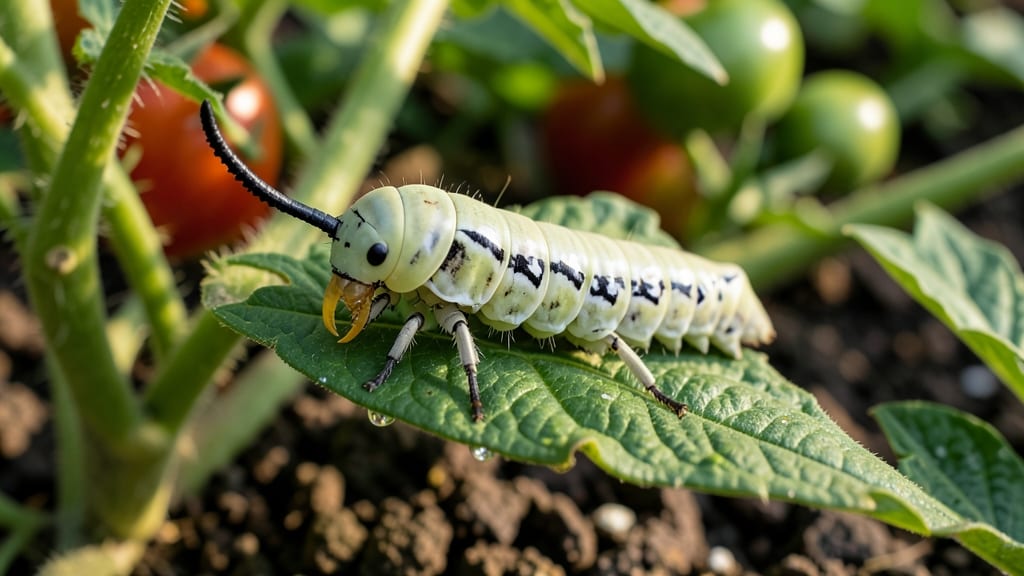
How to get rid of tomato worms naturally—neem oil spray stops them in their tracks—within hours—without harming your plants or pollinators. 🌿 After my second garden season got ravaged by these striped bandits, I finally landed on this foolproof organic method that works faster than anything I'd tried before. The key is timing and technique: spray when the worms are small, focus on the undersides of leaves, and reapply after rain. Unlike harsh chemicals, neem oil disrupts their feeding while being safe for your soil and beneficial insects. My plants recovered within 24-48 hours, and the worms never returned after consistent applications. You'll see immediate results—no more skeletonized leaves or sudden wilting. The spray also prevents future infestations when used as a preventative every 7-10 days during peak hornworm season. Plus, it doubles as a general pest deterrent for aphids and mites. Works for both backyard gardens and container plants. Here's exactly how to mix, apply, and keep those worms at bay—naturally.
📚 In This Guide
- What you need
- Instructions
- Tips and common mistakes
- Wrapping up and next steps
What you need
- ● Neem oil (cold-pressed, organic): 1 tablespoon (15 mL) – Look for 100% pure, cold-pressed neem oil (no additives).
- ● Dish soap (mild, biodegradable): ½ teaspoon – Helps the spray stick to leaves. Avoid harsh detergents!
- ● Water (distilled or dechlorinated): 1 quart (32 oz or ~1 liter) – Use room-temperature water for best results.
- ● Spray bottle (16–32 oz): With a fine-mist nozzle for even coverage.
- ○ Strainer or cheesecloth: Optional but helpful for filtering out impurities if using homemade neem oil.
- ● Garden gloves: Protect your hands from neem oil residue.
- ● Funnel: For easy mixing into the spray bottle.
- ● Spray shield or cardboard: To avoid spraying beneficial insects nearby.
- ● Timer: To ensure thorough coverage (5–10 minutes per plant).
- ● Choose a calm, overcast day to apply the spray—direct sunlight can burn leaves.
- ● Test the spray on 1–2 small leaves first to check for sensitivity.
- ● Wear protective eyewear if you’re extra sensitive to neem oil.
Step-by-Step guide to eliminating tomato hornworms naturally
Here's the method I've used for years to protect my tomato plants without chemicals.
🌿 Step 1: Identify and Remove Existing Worms Immediately
First, scan your tomato plants thoroughly for hornworms—look for 3-5 inch green caterpillars with white stripes and horn-like protrusions. I always check the undersides of leaves first; they blend in perfectly. Remove any you find by hand and drop them into soapy water to kill them instantly.
This step is critical because a single hornworm can defoliate a plant in 24 hours. I do this in the early morning when they're sluggish from cooler temperatures. Wear gloves—their tiny hairs can irritate skin.
💧 Step 2: Prepare the Neem Oil Solution
Mix 1 tablespoon neem oil with 1 teaspoon mild liquid soap (like Castile soap) and 1 quart warm water. The soap acts as an emulsifier so the oil mixes properly. Stir gently but thoroughly—neem oil is oil-based and won't dissolve naturally in water.
Let the solution sit for 10 minutes to allow the ingredients to fully integrate. This waiting period ensures the soap properly binds with the neem oil, making it more effective against hornworm larvae. Strain through a fine mesh if you see any undissolved particles.
✂️ Step 3: Apply the Spray at Strategic Times
Spray the solution directly on the top and bottom of leaves, focusing on areas where you've seen hornworm activity. I apply it in the early evening when temperatures are cooler—this prevents the solution from evaporating too quickly and gives it time to work overnight.
Reapply every 5-7 days or after heavy rain, as neem oil breaks down in sunlight and water. You'll know it's working when you see fewer worms and existing ones appear sluggish or discolored within 24-48 hours.
☀️ Step 4: Implement Companion Planting Prevention
Plant basil, marigolds, or dill near your tomatoes to naturally repel hornworms. These plants mask the tomato scent, making it harder for moths to locate your plants. I interplant basil directly among my tomato seedlings—they grow well together and the basil's strong fragrance deters pests.
Companion planting works best when established before hornworms appear. If you're dealing with an existing infestation, combine this with the neem oil spray for maximum protection. The combination reduces the need for repeat applications.
🪴 Step 5: Monitor and Maintain Protection Long-Term
Check your plants daily for new eggs, which appear as tiny yellow ovals on leaf undersides. Scrape them off immediately with your fingernail or a soft brush—this prevents them from hatching into hornworms. I keep a small magnifying glass handy for this task.
Continue the neem oil spray schedule through the growing season, especially after pruning or heavy rainfall. Hornworms are most active in warm, humid conditions, so increase monitoring during these periods. Healthy plants with proper spacing also deter infestations.
Tips & tricks for eliminating tomato hornworms effectively
Took me years of trial and error to perfect this method—here's what actually makes the difference in your garden.
Timing is Everything: The early morning inspection in Step 1 is your best chance to catch hornworms before they become a problem. I've seen these pests completely strip a tomato plant in just one night, so don't skip this step. The cooler morning temperatures make them sluggish, making them easier to spot and remove. Pro tip: Use a flashlight to check plants in the evening too—moths often lay eggs after dark, and you might catch new ones before they hatch.
Mixing Precision: When preparing the neem oil solution in Step 2, the 10-minute resting period is crucial—don't skip it! This allows the soap to fully emulsify with the neem oil, creating a more effective spray. I like to use a clean glass jar with a tight lid for mixing, which makes it easier to shake thoroughly. Also, always use warm water (not hot) to help dissolve the soap completely. A fine mesh strainer works best for removing any undissolved particles that could clog your sprayer.
Application Strategy: The early evening application in Step 3 gives the neem oil time to work overnight, which is when hornworms are most vulnerable. I've found that using a handheld sprayer with a fine mist setting works best—it coats the leaves thoroughly without wasting solution. For large gardens, consider a pump sprayer, but make sure to cover both leaf surfaces completely. The key is consistency: applying at the same time each week helps establish a routine that disrupts the hornworm lifecycle.
Companion Planting Synergy: While companion planting in Step 4 is preventive, I've discovered that basil works particularly well when planted directly among tomato seedlings. The strong scent doesn't just deter hornworms—it also repels other common tomato pests like whiteflies. For maximum effectiveness, plant basil every 2-3 feet along your tomato rows. You can also harvest the basil for cooking, making it a dual-purpose solution in your garden.
Pro Tips for Get Rid Of Tomato Worms Naturally
- Took me years of trial and error to perfect this method—here's what actually makes the difference in your garden.
- Timing is Everything: The early morning inspection in Step 1 is your best chance to catch hornworms before they becom...
- Mixing Precision: When preparing the neem oil solution in Step 2, the 10-minute resting period is crucial—don't skip ...
Frequently asked questions
Got questions about tackling tomato worms naturally? You’re not alone—these pesky critters can wreak havoc fast! Below, we’ve answered the most common questions to help you protect your garden with confidence.
How fast does neem oil work on tomato worms?
Neem oil typically starts killing tomato worms within hours, but full eradication may take 1–3 days depending on the severity of the infestation. Reapply every 7–10 days or after rain to maintain protection. For immediate results, combine neem oil with a light handpicking session in the morning when worms are sluggish.
When is the best time of day to spray neem oil?
Spray neem oil early in the morning or late afternoon to avoid harming bees and other beneficial pollinators. Avoid spraying when flowers are fully open, as this can attract pests. Pro tip: Test a small leaf first to ensure your plants tolerate the solution!
What if tomato worms keep coming back?
Persistent worms often mean eggs are hatching continuously. Double down with these steps:
- Inspect undersides of leaves daily and remove eggs (tiny, yellow, and teardrop-shaped).
- Introduce beneficial nematodes (like Steinernema carpocapsae) to the soil.
- Plant basil or marigolds nearby—their scent repels tomato hornworms.
Can I use neem oil on tomato plants with fruit?
Yes! Neem oil is safe for all stages of tomato growth, including fruiting plants. However, avoid spraying directly on ripe tomatoes to prevent residue. Harvest tomatoes before spraying if possible, or rinse them thoroughly before eating. Always follow label instructions for dilution ratios.
What’s a cheaper alternative to neem oil?
If neem oil isn’t accessible, try these budget-friendly options:
- Diatomaceous earth (DE): Sprinkle food-grade DE around plants (reapply after rain).
- Garlic spray: Blend 2 garlic cloves + 1 tsp cayenne pepper in 1 quart of water; strain and spray.
- Soap spray: Mix 1 tbsp mild liquid soap (like Castile) with 1 quart of water.
How do I know if my tomato worms are hornworms or another pest?
Tomato hornworms are green with white diagonal stripes and can grow up to 4 inches long. Other common tomato pests include:
Pest
Appearance
Natural Solution
Colorado potato beetles
Yellow/orange larvae with black spots; adults are striped beetles.
Handpick + use kaolin clay barrier.
Aphids
Tiny, clustered green/black bugs on new growth.
Spray with soapy water or introduce ladybugs.
Flea beetles
Small black beetles with jumpy movement; leave tiny holes in leaves.
Cover seedlings with floating row covers.
Wrapping up and next steps
Getting rid of tomato worms naturally doesn’t have to be a struggle—with the right methods, like neem oil spray, you can protect your garden in just a few hours! 🌱 By combining prevention, organic sprays, and manual removal, you’ll keep your tomato plants thriving without harsh chemicals. Start small, stay consistent, and soon you’ll enjoy pest-free, delicious tomatoes!
Ready to take action? Pick one method today—whether it’s spraying neem oil or handpicking worms—and watch your garden flourish! 🌿