Plants
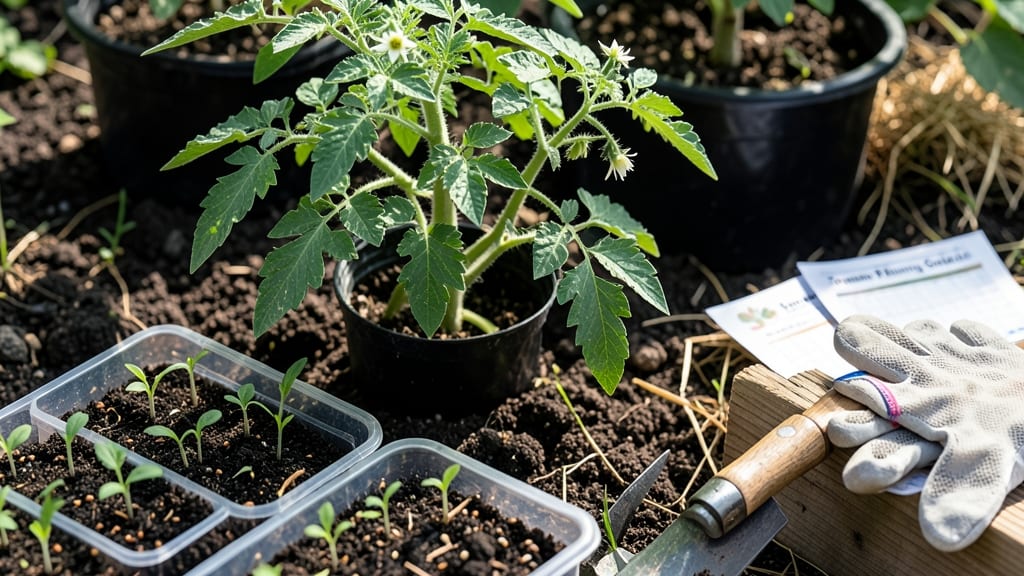
Planting tomato seeds in Georgia starts indoors 6-8 weeks before your last frost — typically by early March for most of the state, but timing shifts by county.
Georgia gardeners know timing is everything—plant tomato seeds too early, and frost will kill your dreams; too late, and you’ll miss the summer harvest. But with the right last-frost dates by county, you can master the perfect planting window for juicy, homegrown 🍅.
Whether you’re in USDA Zone 7b or 8b, soil temperature is the real deadline: seeds won’t germinate until the ground hits 60°F. That’s why I’ll break down exactly when to start seeds indoors, transplant outdoors, and adjust for Georgia’s microclimates—from the Blue Ridge Mountains to the coastal plains.
You’ll leave here with a county-specific planting calendar, the best tomato varieties for your region, and pro tips to beat frost or extend your harvest into October. Let’s get those seeds in the ground the right way.
Georgia tomato seed planting calendar: last-frost dates by county
Timing your tomato seeds correctly means the difference between a bountiful harvest and wasted effort. Georgia’s climate varies dramatically from the coastal plains to the mountain regions, so knowing your last frost date is critical.
I’ve compiled the most recent 2024 frost data from the University of Georgia Extension to help you plan with precision.
Tomatoes thrive when planted after soil temperatures reach 60°F+, and seedlings need warmth to establish roots. Starting seeds indoors 6-8 weeks before your last frost date ensures strong, healthy transplants ready for the garden.
Let’s break down the best planting windows by county to maximize your tomato yield this season.
📌 Quick Tip: Use row covers or cold frames if transplanting before soil warms up—this extends your growing season by 2-3 weeks in cooler zones.
For a visual reference, check out the Georgia Cooperative Extension’s interactive frost map—it lets you pinpoint your exact location for hyper-local accuracy. I recommend bookmarking it for future seasons! Remember, these dates are averages, so always monitor your local weather forecasts for adjustments.
If you’re in a cooler microclimate (like the mountains), consider starting seeds 2-3 weeks earlier indoors and using black plastic mulch to warm the soil faster. For coastal areas, prioritize disease-resistant varieties like 'Celebrity' or 'Better Boy' due to higher humidity.
Pro tomato growers swear by transplanting after the oak trees leaf out—this natural indicator often aligns with soil warming to 60°F. For container gardening, use heat mats to maintain optimal germination temperatures (70-80°F) when starting seeds indoors.
Don’t forget: Succession planting every 2-3 weeks after your initial transplant date ensures a continuous harvest. This works especially well for heirloom varieties with longer maturity dates, like 'Brandywine' or 'Cherokee Purple'.
🌱 Key Reminder: Always harden off seedlings for 7-10 days before transplanting—this toughens them up for Georgia’s unpredictable spring weather.
How to adjust tomato planting dates for Georgia’s microclimates
Georgia’s diverse landscapes—from the Blue Ridge Mountains to the coastal plains—create unique growing conditions for tomatoes. Your last-frost date can vary by 10-14 days depending on elevation and location. Urban gardeners in Atlanta face different risks than those in Savannah, so let’s tailor your planting strategy.
High-altitude areas like Dahlonega (Zone 7b) often experience late spring frosts well into April, while coastal regions like Brunswick (Zone 8b) may see frost-free soil by early March. Understanding these microclimates helps you avoid seedling loss or missed harvests due to premature planting.
For urban gardeners with limited space, consider container growing. Black pots absorb heat faster—place them on south-facing patios or use heat mats to jumpstart germination. My balcony tomatoes thrive when I start seeds indoors by February 28 and move them outside after May 1.
High-altitude gardeners shouldn’t fear—cold-hardy varieties like 'Mountain Merit' can handle cooler nights. Pair them with cloche protection until soil temps stabilize. I’ve grown tomatoes successfully in Zone 7a by combining row covers and drip irrigation to prevent stress.
Coastal gardeners must battle humidity and pests. My Savannah garden thrives with elevated beds and neem oil sprays to deter hornworms. Plant basil nearby—it repels pests and improves tomato flavor. Always prune suckers aggressively in humid climates to boost airflow.
Extend your season by succession planting. After harvesting early varieties, sow fast-maturing seeds like 'Early Girl' (55 days). I’ve doubled my harvest by planting every 2 weeks from April through June. Just remember: late plantings need extra care to ripen before frost.