Plants
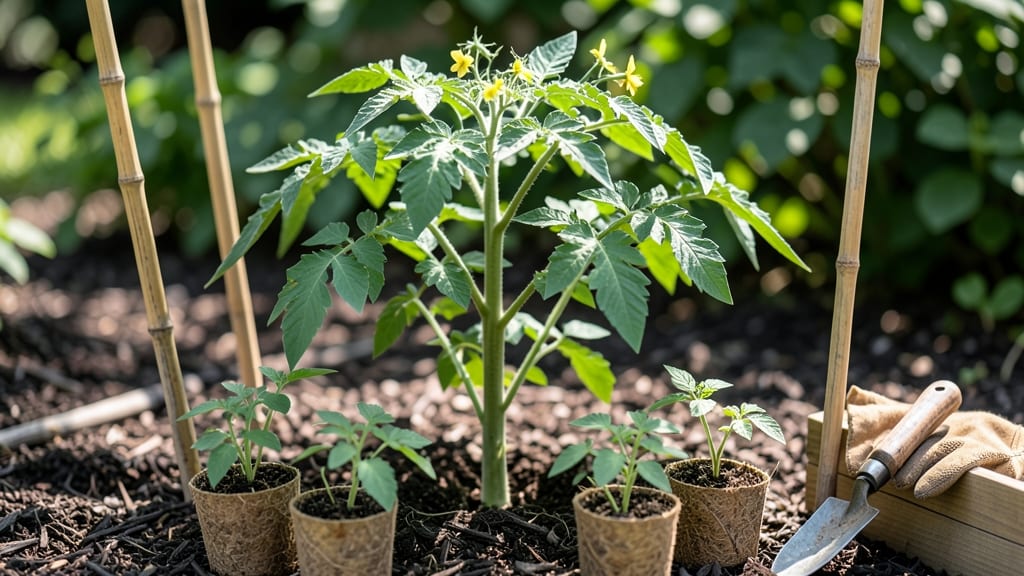
To plant tomato plants successfully, you need full sun, rich soil, and the right spacing—three factors that make or break your harvest in Zone 6.
Picture this: you’ve spent weeks nurturing seedlings, only to watch them wilt or produce tiny, bitter fruits. The issue isn’t your care—it’s where you planted them. Tomatoes 🍅 demand specific conditions, and getting them wrong means missing out on juicy, vine-ripened rewards.
Sunlight is non-negotiable—6 to 8 hours of direct light daily is the minimum, but more yields bigger, sweeter fruit. Soil must drain well while holding moisture, and spacing (18-24 inches apart) prevents disease and competition.
Whether you’re working with a backyard patch, containers, or vertical towers, these secrets are your shortcut to a bumper crop.
Below, I’ll break down the exact spots to plant—from raised beds to urban balconies—and the common mistakes that sabotage even the most eager gardeners. Ready to turn your tomato dreams into reality?
Optimal sunlight requirements for tomato plants: how much light do they really need?
If you’ve ever planted tomatoes only to watch them produce tiny, bland fruit—or worse, no fruit at all—you’re likely dealing with a sunlight shortage. Tomatoes are sun-worshippers, and their fruit production depends entirely on getting enough light.
Without it, your plants may grow lanky stems and few, if any, tomatoes. The key to a bountiful harvest starts with understanding their sunlight needs and how to meet them, even in less-than-ideal conditions.
Most tomato varieties thrive with 6 to 8+ hours of direct sunlight daily. This isn’t just a suggestion—it’s a biological necessity. Tomatoes use sunlight to power photosynthesis, which fuels their growth and fruit development.
Skimp on light, and you’ll end up with small, underdeveloped tomatoes or none at all. Even cherry tomatoes, which are often marketed as low-maintenance, need full sun to produce their signature sweetness.
Here’s the catch: not all sunlight is created equal. Morning sun (6 AM–10 AM) is ideal because it’s gentle and helps prevent sunburn on leaves. Afternoon sun (2 PM–6 PM) can be intense, especially in hot climates, but it’s still crucial for fruit ripening.
The golden hours for tomatoes are between 8 AM and 4 PM, when the sun is strongest. If you’re in a cooler climate, like Zone 5 or 6, you might get away with slightly less sun, but you’ll still need at least 6 hours of direct light.
Now, let’s talk about what happens when tomatoes don’t get enough sun. Without adequate light, your plants will stretch toward the sky in a phenomenon called etiolation. This results in weak stems, yellowing leaves, and poor fruit set.
In extreme cases, your tomatoes might never even form. Even if they do, they’ll likely be small, seedy, and bland—a far cry from the juicy, flavorful tomatoes you’re craving. The good news? With the right adjustments, you can maximize sunlight even in partial-shade conditions.
🌱
🌞 Tomato Sunlight Requirements Summary
| Variety | Sunlight Needs | Best Exposure | Shade Tolerance | Seasonal Adjustments |
|---|---|---|---|---|
| Determinate (Bush) | 6-8 hours | Full sun, morning light | Minimal (under 5 hours = poor fruit) | Extend with reflectors in cloudy months |
| Indeterminate (Vining) | 8+ hours | Full sun, afternoon light | None (under 6 hours = stunted growth) | Use grow lights in short-day seasons |
| Cherry Tomatoes | 6-7 hours | Full sun, even light distribution | Limited (under 5 hours = fewer clusters) | Prune lower leaves for better airflow |
| Heirloom Varieties | 8+ hours | Full sun, afternoon heat | None (requires intense light) | Mulch to retain heat in cooler climates |
What if your garden only gets partial sunlight? Don’t give up—there are ways to maximize light exposure even in shady spots. Start by choosing sun-loving tomato varieties like 'Solar Fire' or 'Sun Gold', which are bred to tolerate slightly less light. Next, position your plants strategically.
If your yard has morning sun but afternoon shade, place tomatoes on the south or west side of structures to catch reflected light. For afternoon shade, use white or silver reflective mulch to bounce extra light onto the plants.
Another trick is to use grow lights if you’re growing tomatoes in containers or a greenhouse. A simple LED grow light placed 6–12 inches above the plants can supplement natural light, especially in overcast climates or during short-day seasons.
Aim for 12–14 hours of light daily if you’re relying on artificial sources. Just be sure to place the light above the plant canopy to avoid burning leaves. I’ve seen gardeners in Zone 4 extend their tomato season by 2–3 weeks using this method!
Seasonal
Soil and spacing secrets: the right conditions for maximum tomato growth
Your tomato plants need more than just sunlight—they crave the perfect soil conditions and strategic plant spacing to thrive. The right mix of nutrients, drainage, and airflow can mean the difference between a handful of fruits and a bountiful harvest.
Let’s break down the essentials for healthy, productive tomato plants.
First, focus on soil pH between 6.0 and 6.8, which is slightly acidic and ideal for nutrient uptake. Tomatoes also love well-draining soil rich in organic matter, like compost or aged manure.
Heavy clay or sandy soil can stunt growth, so amend it with garden compost or coconut coir to improve texture and fertility.
🌱 In-Ground Planting vs. Container Planting
- ✅ Pros:
- • Natural soil warmth
- • Better root expansion
- • Lower maintenance
- ❌ Cons:
- • Risk of soil-borne diseases
- • Harder to control soil quality
- ✅ Pros:
- • Better drainage control
- • Easier soil customization
- • Mobility for sun exposure
- ❌ Cons:
- • Faster soil drying
- • Limited root space
- • Requires frequent watering
For spacing, give your tomato plants 18-24 inches apart in rows that are 24-36 inches apart. This spacing prevents disease spread (like blight) by improving airflow and reduces competition for nutrients.
If growing bush varieties, you can space them closer (18 inches), but indeterminate varieties need the full 24 inches to support their vines.
If you’re container gardening, choose pots at least 12-18 inches deep and 18 inches wide for each plant. Containers dry out faster, so use self-watering pots or add a moisture-retentive additive like peat moss. Place containers in a sunny spot and rotate them weekly to ensure even growth.
One common mistake is overcrowding plants, which leads to poor airflow and fungal diseases. Always prioritize well-draining soil and proper spacing—these two factors alone can double your harvest! Test your soil’s pH with a home testing kit before planting to ensure it’s in the ideal range.
Finally, mulch around your tomato plants with straw or shredded leaves to retain moisture and suppress weeds. This simple step keeps roots cool and reduces the need for frequent watering.
With the right soil conditions and plant spacing, your tomatoes will reward you with a vibrant, disease-free harvest all season long. 🌿