
Propagation
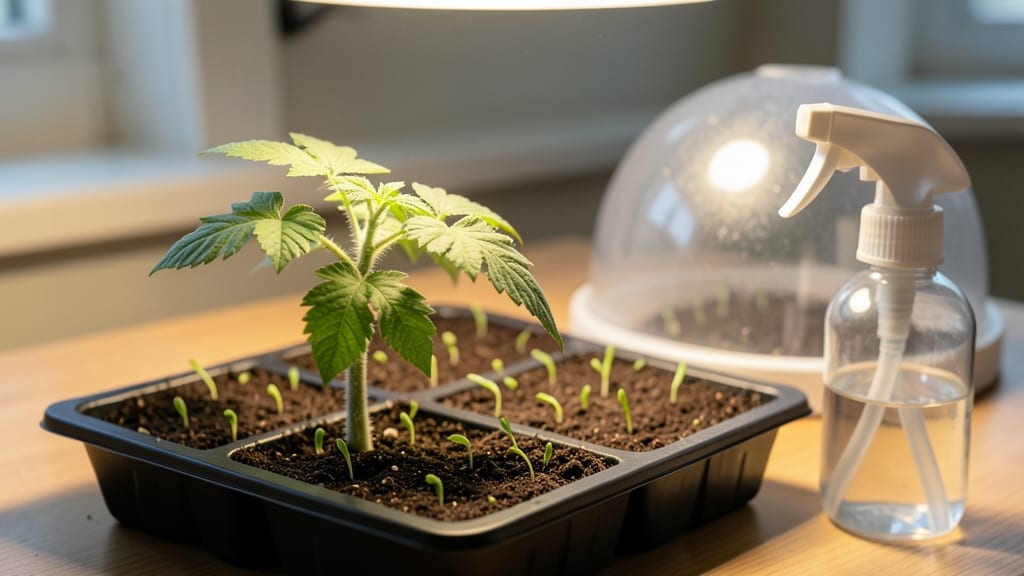
Growing tomato plants from seeds indoors gives you a 6-week head start on store-bought plants—here’s how to skip the waiting game. 🌱 The secret isn’t fancy equipment but timing, warmth, and a little patience. My first batch took 18 days to sprout; now I get seedlings in just 10 days using these simple tricks.
You’ll need basic supplies: seed-starting mix (not garden soil), small pots or trays, a heat mat or warm spot, and a grow light. The key is keeping seeds cozy—75-85°F is ideal—until those first green shoots break through.
Too cold? They’ll sulk for weeks. Too hot? They’ll rot before they wake up.
By the time you transplant, you’ll have sturdy seedlings ready to outpace nursery plants. Imagine harvesting heirloom tomatoes in July instead of August—just by starting right. The payoff is worth the effort, especially for varieties you’d never find at garden centers.
This method works for any climate, from chilly Zone 3 to warm Zone 10. The only difference? Adjust your start date so seedlings are 4-6 weeks old by your last frost. Let’s get those seeds sprouting!
📚 In This Guide
- What you need
- Instructions
- Tips and common mistakes
- Wrapping up and next steps
What you need
- ● Tomato seeds: 10–20 seeds (choose heirloom or hybrid varieties like Early Girl or Cherry Roma for faster germination).
- ● Seed-starting mix: 1–2 bags (sterilized, seedling-specific blend—no garden soil!).
- ● Containers: Small pots (2–4 inches deep) or
- ● A seed tray with cell inserts (for organized starts).
- ● Grow lights: 1–2 LED or fluorescent lights (12–16 inches above seedlings; full-spectrum bulbs preferred).
- ○ Heat mat (optional but recommended): 1 mat (70–80°F range to speed germination).
- ● Spray bottle: 1 (for gentle watering).
- ● Plastic wrap or humidity dome: 1 (to retain moisture during germination).
- ● Labels & marker: To track seed varieties.
- ● Fertilizer: Balanced liquid fertilizer (5-5-5 or 10-10-10, diluted to half-strength).
- ○ Fan (small, optional): 1 (for airflow to prevent damping-off disease).
- ● Thermometer/hygrometer: 1 (to monitor temperature and humidity).
Step-by-step instructions for speed-germinating tomato seeds indoors
Here’s how to jumpstart your tomato seedlings with proven tricks that cut germination time in half.
🌱 Step 1: Prep Seeds for Faster Germination
Tomato seeds have a tough outer coating that slows germination—soak them first. Place seeds in a small bowl and cover with lukewarm water for 12-24 hours. You’ll see the coating soften slightly, and some seeds may even crack open. Drain and let them sit on a paper towel for 30 minutes to dry the outer layer slightly before planting.
I like to use a seedling heat mat under my trays because tomatoes germinate best at 75-85°F. If you don’t have one, place the tray on top of the fridge or near a sunny window—just avoid drafts. The goal is consistent warmth, not scorching heat. You’ll know it’s working when condensation forms on the tray’s underside within 24 hours.
💧 Step 2: Plant Seeds in Moist, Warm Soil
Fill 2-3 inch deep seedling trays with sterile seed-starting mix (never garden soil—it’s too dense and can harbor fungi). Moisten the mix until it’s damp like a wrung-out sponge, then press it down lightly to remove air pockets. Plant 1-2 seeds per cell, ¼ inch deep—any deeper and they’ll struggle to break through. Cover with a thin layer of additional mix (just enough to obscure the seeds).
Gently mist the surface with water until the mix looks evenly damp but not soggy. The key here is not to overwater—tomato seeds rot faster than they germinate if they sit in cold, wet soil. Place the tray under a clear plastic dome or wrap to trap warmth and humidity. Check daily for condensation on the dome’s underside—that’s your signal the environment is just right.
☀️ Step 3: Provide Warmth and Light for Sprouting
Keep the tray in a warm, dark place (like a closet with the heat mat) until sprouts appear—usually 5-10 days. Once the first tiny green hooks (radicles) break through the soil, move the tray to bright, indirect light immediately. Tomatoes need 14-16 hours of light daily to avoid becoming leggy. I use a grow light on a timer positioned 2-4 inches above the seedlings—raise it as they grow.
Watch for first true leaves (the second set after the initial seed leaves). These will be smaller and serrated, signaling the plant is photosynthesizing on its own. If seedlings stretch toward the light with thin, pale stems, your light is too far away. Strong seedlings have thick stems, deep green leaves, and compact spacing between nodes. This is when you’ll know your speed-germination tricks paid off.
✂️ Step 4: Thin and Harden Off Seedlings
Once seedlings have 3-4 true leaves, thin to the strongest plant per cell by snipping the weaker one at soil level with scissors. Avoid pulling—you’ll disturb the roots of the remaining seedling. Water deeply after thinning to help roots recover. Now, it’s time to harden off your seedlings over 10-14 days before transplanting outdoors.
Start by placing them outside in a sheltered, shaded spot for 1-2 hours the first day. Gradually increase exposure by 1 hour daily, moving them to morning sun first to avoid scorching. By the time they’re getting full sun for 6+ hours daily, they’ll be tough enough to handle the garden. You’ll know they’re ready when they don’t wilt after a full day outside—just water deeply at the base before transplanting.
Tips & tricks for speed-germinating tomato seeds
These insider tricks will help you skip the guesswork and get your tomato seedlings sprouting faster than ever.
Soaking Science: The 12-24 hour soak isn't just about softening the seed coat—it's also about hydration. After soaking, place your seeds between damp paper towels in a sealed plastic bag for the 30 minutes before planting. This creates a mini greenhouse effect that jumpstarts metabolic activity. You'll see tiny white radicles (roots) peeking out within 24 hours if conditions are perfect.
Temperature Troubleshooting: That 75-85°F range is critical, but here's how to hit it without fancy equipment. If your home runs cooler, place the tray on top of the fridge—it generates just enough residual heat. For warmer climates, position the tray near a sunny window but avoid direct sunlight during the dark germination phase. The key is consistent warmth, not extreme heat.
Lighting Strategy: When moving seedlings to light after the 5-10 day dark phase, start with 14 hours of bright indirect light. I use a simple LED bulb on a timer positioned 3-4 inches above the tray. Watch for seedlings stretching toward the light—this means they need more intensity. If you notice leggy growth, lower the light or increase the distance incrementally.
Harden Off Gradually: The 10-14 day hardening process is where most beginners rush. Start with just 1-2 hours in shade, then increase by 1 hour daily. I like to place seedlings on a sheltered patio where they get morning sun first—this prevents sunburn while still acclimating them. By the time they're ready for full sun, their leaves will look leathery and they won't wilt when touched.
Pro Tips for Growing Tomato Plants From Seeds Indoors
- These insider tricks will help you skip the guesswork and get your tomato seedlings sprouting faster than ever.
- Soaking Science: The 12-24 hour soak isn't just about softening the seed coat—it's also about hydration.
- Temperature Troubleshooting: That 75-85°F range is critical, but here's how to hit it without fancy equipment.
Frequently asked questions
Got questions about growing tomato plants from seeds indoors? You’re not alone! Here are answers to the most common queries to help you get started with confidence.
How long does it take for tomato seeds to germinate indoors?
Most tomato seeds sprout within 5–14 days under ideal conditions (warmth, moisture, and light). Speed up germination with a heat mat (75–85°F) or a sunny windowsill. Patience is key—some heirloom varieties take longer. Keep soil consistently moist but not soggy!
What’s the best time to start tomato seeds indoors?
For most climates, start seeds 6–8 weeks before your last frost date. Early starts (like in February) work for warm regions, while cooler zones may wait until March. Check your local frost date and adjust—smaller pots mean less transplant shock!
Why aren’t my tomato seeds sprouting? Troubleshooting tips?
Seeds may fail to sprout due to cold soil, dryness, or old seeds. Try these fixes:
- Warmth: Place trays on a heat mat or near a sunny window.
- Moisture: Mist soil daily or cover with plastic wrap (remove once sprouted).
- Fresh seeds: Test viability by soaking in water—floaters are likely dead.
- Light: Use a grow light if seedlings look leggy.
Can I use regular potting soil for tomato seedlings?
Yes, but amend it for better results! Mix in perlite or vermiculite (20%) for drainage and compost or worm castings (10%) for nutrients. Avoid garden soil—it’s too dense and may harbor pests. A lightweight, sterile seed-starting mix works best!
How do I harden off tomato seedlings before transplanting?
Acclimate seedlings to outdoor conditions over 7–10 days:
- Start with 1–2 hours of outdoor exposure in shade.
- Gradually increase time and sun exposure daily.
- End with full sun for a day before planting.
Wrapping up and next steps
Growing tomato plants from seeds indoors is a rewarding journey that lets you enjoy homegrown produce way earlier than traditional outdoor planting!
With the right tricks—like speed-germination techniques and consistent care—you’ll soon be watching tiny sprouts transform into thriving plants. Now that you’re armed with tips and tools, it’s time to get those seeds started!
Ready to take the next step? Pick your favorite tomato variety, grab your supplies, and dive in—your garden (and future salads!) will thank you. 🌱