
Planting
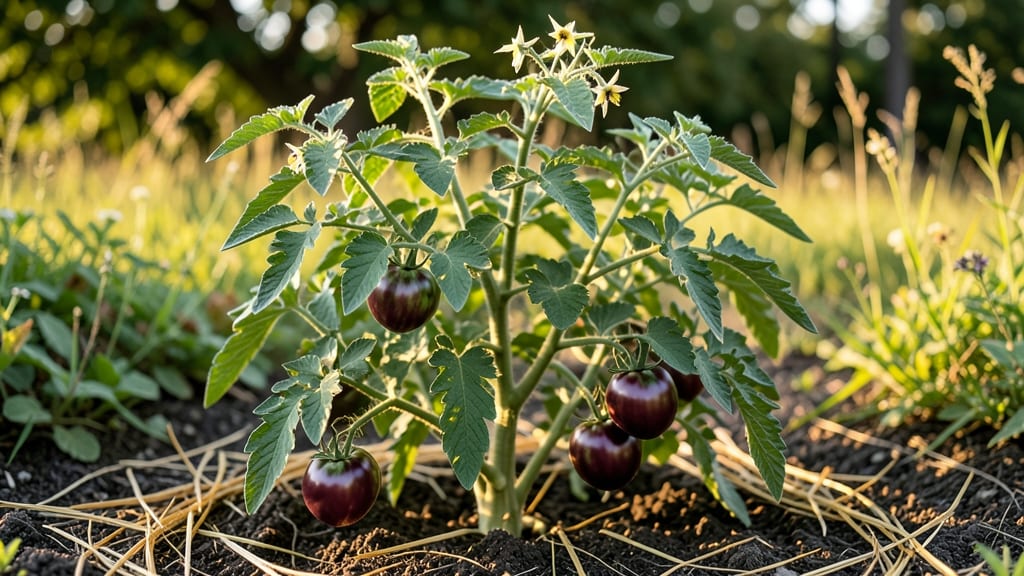
The Cherokee Purple tomato plant height can reach 4 to 6 feet—a towering presence that turns your garden into a smoky-sweet showstopper 🍅.
But here’s the catch: those lush vines don’t just climb for drama—they need the right support to keep producing fruit. Skip the stakes, and you’ll end up with sprawling plants that struggle under their own weight, or worse, invite disease by touching the soil.
Whether you’re working with a small balcony or a sprawling backyard, understanding how this heirloom grows—from its early 3-foot start to its mature 6-foot reach—is the key to maximizing yield without sacrificing space.
Below, I’ll break down exactly how tall Cherokee Purple tomatoes get, when to prune for control, and the best support systems to keep those vines happy (and your harvests heavy).
Cherokee Purple tomato plant height: exact growth stages and space requirements
The Cherokee Purple tomato is a heirloom indeterminate variety that grows taller and more vigorously than many other tomatoes. At maturity, these plants typically reach 36–48 inches tall, with vines spreading 3–4 feet outward.
This impressive height means they need proper support to prevent sprawling and maximize fruit production.
Unlike determinate varieties that grow to a fixed size, Cherokee Purple continues growing throughout the season. This indeterminate growth habit means you’ll need to plan for vertical space, especially if you’re growing in containers or small gardens.
Without support, vines can sprawl up to 6 feet or more, but proper training keeps them manageable.
Here’s how the plant’s height progresses through the growing season, along with spacing recommendations to ensure healthy growth and high yields.
During the seedling stage, Cherokee Purple tomatoes grow quickly but stay relatively compact. This is the ideal time to transplant seedlings into your garden, giving them enough space to establish roots without crowding.
If you’re growing in containers, choose pots at least 18 inches wide and deep to accommodate their root system.
As the plant enters the early growth stage, you’ll notice rapid vertical development. This is when support structures like stakes or small trellises become essential. Without them, vines can flop over, leading to poor air circulation and increased risk of disease.
I recommend installing 5-foot stakes or a lightweight trellis at this stage to guide growth upward.
By the time the plant reaches the flowering stage, its height and vine spread will demand more space. This is when proper spacing (36 inches apart) becomes critical. Overcrowding can lead to competition for nutrients and shaded lower leaves, which are prone to fungal issues like blight.
If you’re growing in rows, leave at least 4 feet between plants to ensure airflow and sunlight penetration.
The mature stage is when Cherokee Purple tomatoes reach their full potential, with vines stretching 4–6 feet wide and plants towering 3–4 feet tall. At this point, a sturdy trellis or cage is a must.
I’ve found that 6-foot wooden trellises or heavy-duty tomato cages (5–6 feet tall) work best for supporting the weight of the vines and fruit. Without adequate support, the plant’s heavy fruit load can cause branches to break or snap.
If you’re working with limited space, consider vertical gardening techniques like espalier training or using wall-mounted trellises. These methods allow you to grow Cherokee Purple tomatoes in small gardens or even on balconies.
Just ensure your support system is secure and stable, as indeterminate varieties like this one can become top-heavy as they produce fruit.
One common mistake I see is underestimating the vine spread of Cherokee Purple tomatoes. Even with vertical support, the vines can extend 3–4 feet outward, so plan your garden layout accordingly.
If you’re growing multiple plants, leave extra space between rows to avoid shading and improve accessibility for harvesting and pruning.
For container growers, remember that Cherokee Purple tomatoes thrive in large pots but still need room to spread. A 5-gallon container is the minimum, but 7–10 gallons will give the plant more stability and yield. Place containers where they’ll receive <
How to manage Cherokee Purple’s height for maximum yield and disease prevention
Managing the Cherokee Purple’s height is key to maximizing your harvest while preventing common diseases like blight. This indeterminate variety can grow 6–8 feet tall if left unchecked, but strategic pruning and support will keep it productive and healthy.
The right approach also improves air circulation, reducing fungal risks and making fruit easier to reach.
Your support choice—trellis, cage, or stake—directly impacts height control and yield. A trellis system encourages vertical growth, while cages or stakes provide stability without restricting sprawl.
Each method has trade-offs, so let’s break down the pros and cons to help you decide what works best for your garden layout and space.
Support Method Comparison
Trellis
- ✅ Maximizes vertical growth (up to 8 ft)
- ✅ Improves air circulation (reduces blight risk)
- ✅ Saves space in small gardens
- ❌ Requires frequent pruning to manage height
- ❌ More labor-intensive setup (sturdy structure needed)
Cage
- ✅ Less pruning required (allows natural sprawl)
- ✅ Easier to install (pre-made options available)
- ❌ Limits height control (vines may escape)
- ❌ Reduces air flow (higher blight risk)
Stake
- ✅ Simple and affordable (great for small gardens)
- ✅ Encourages upward growth (better fruit access)
- ❌ Limited support (vines may flop without ties)
- ❌ Less space-efficient than trellises
For height control, prune aggressively during the growing season by removing suckers (side shoots) and lower leaves. Aim to keep the plant’s height between 4–6 feet—this prevents overcrowding and improves sunlight penetration to lower foliage.
Prune in the morning to allow wounds to heal before evening moisture increases disease risk.
Seasonal adjustments are crucial. In early summer, focus on vertical pruning to direct energy to fruit production. By late summer, reduce pruning to allow the plant to harden off for fall harvests.
Avoid cutting back too late in the season, as this can stress the plant and delay ripening.
Disease prevention starts with height management. Tall, unpruned Cherokee Purples create shady, humid conditions perfect for early blight and septoria leaf spot. To mitigate risks, space plants 18–24 inches apart, use mulch to retain moisture, and avoid overhead watering.
If you notice yellowing leaves or black spots, prune affected areas immediately and apply a copper fungicide as a preventive measure.
With the right support and pruning strategy, your Cherokee Purple will thrive without sacrificing yield or falling victim to common tomato diseases. Start with a trellis for vertical growth or a cage for low-maintenance support, then adjust based on your garden’s unique conditions. Happy growing! 🌱