Planting
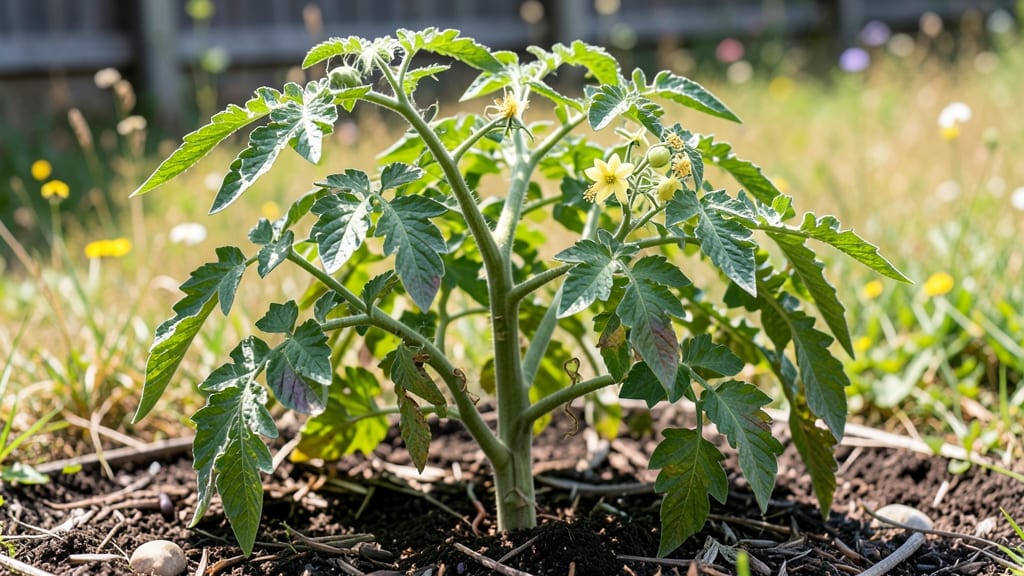
A healthy tomato plant looks like this: deep green, glossy leaves that feel firm to the touch—like the kind you’d want to rub between your fingers. 🌿 The stems should be thick, upright, and covered in a fine layer of fuzzy hairs (that’s normal!), while the first flowers appear in clusters at the leaf joints, signaling future fruit.
If your plants look anything less than this—yellowing leaves, weak stems, or sparse blooms—it’s time to troubleshoot.
Compare the vibrant green of healthy foliage to the dull, spotted leaves of a plant struggling with disease or pests. Strong stems hold up under gentle pressure, while weak ones bend or snap easily.
Even the fruit tells the story: healthy tomatoes start as small, firm blossoms that swell into plump, evenly colored fruit without cracks or sores. This is what you’re aiming for—no guesswork, just clear visual cues.
When your plants hit this mark, you’ll know they’re thriving: lush canopies, sturdy growth, and clusters of blossoms turning into fruit. The secret? Consistent watering, proper sunlight, and a little TLC when you spot early signs of trouble.
A healthy tomato plant isn’t just pretty—it’s a promise of juicy, homegrown harvests all season long.
This isn’t just about spotting problems—it’s about celebrating the right kind of growth. Once you recognize these signs, you’ll catch issues before they spread, ensuring your garden stays productive and your kitchen stays stocked with homegrown goodness. Let’s make sure your plants hit every checkmark on the healthy list!
Underlying Causes Of Unhealthy Growth
A tomato plant’s health isn’t just luck—it’s a delicate balance of science, environment, and care. When things go wrong, it’s usually because one (or more) of these key factors is out of whack.
Let’s break down the real culprits behind poor tomato plant health, so you can troubleshoot like a pro.
---
Tomatoes thrive in warm but not scorching conditions (ideal daytime temps: 70–85°F / 21–29°C). When temperatures dip below 50°F (10°C) or surge above 90°F (32°C), growth stalls, leaves yellow, and fruit development suffers.
- Why it happens: - Cold stress disrupts photosynthesis, causing leaves to curl or turn purple (a sign of anthocyanin buildup due to poor nutrient uptake). - Heat stress (especially above 95°F / 35°C) leads to sunscald—white or bleached patches on fruit—and blossom drop (flowers abort before fruiting). - Frost damage kills cells instantly, leaving blackened, mushy leaves.
- Actionable fix: - Use row covers for early spring/fall or shade cloth (30–50%) in peak summer. - Plant in afternoon shade if your climate hits 90°F+ regularly. - Mulch heavily (straw or black plastic) to stabilize soil temps.
---
Tomatoes are thirsty but hate soggy feet. Irregular watering or poor drainage triggers a cascade of problems—from weak stems to disease.
- Why it happens: - Underwatering causes wilting, crispy leaves, and blossom end rot (calcium deficiency from uneven moisture). - Overwatering leads to root rot (fungal infections like Phytophthora), yellowing lower leaves, and stunted growth. - Inconsistent moisture stresses plants, making them vulnerable to cracked fruit and splitting.
- Actionable fix: - Water deeply 1–2 times per week (1–2 inches per week), early in the morning. - Use drip irrigation or soaker hoses to deliver water at soil level (avoids fungal spores splashing onto leaves). - Improve drainage with raised beds or amended soil (add perlite or compost).
---
Tomatoes are heavy feeders—they need nitrogen (N) for leaves, phosphorus (P) for roots/fruit, and potassium (K) for disease resistance. Too much or too little of any nutrient throws them off.
| Symptom | Likely Cause | Quick Fix | |---------------------------|------------------------------------------|----------------------------------------| | Yellow lower leaves | Nitrogen deficiency or overwatering | Side-dress with compost or blood meal | | Purple stems/leaves | Phosphorus deficiency (cold stress) | Add bone meal or rock phosphate | | Brown leaf edges | Potassium deficiency or overwatering | Use kelp meal or wood ash | | Stunted growth | Zinc/magnesium deficiency (common in alkaline soil) | Sprinkle Epsom salt (magnesium) or zinc sulfate |
- Pro tip: 💡 Avoid over-fertilizing with nitrogen (like fresh manure) late in the season—it encourages leafy growth over fruit.
---
Hidden invaders can sap strength before you even notice. Common culprits include: - Aphids/spider mites (suck sap → yellowing, curled leaves) - Fungal diseases (early blight, late blight, powdery mildew) → brown spots, moldy leaves - Nematodes (microscopic worms) → wilting, stunted roots
- Why it happens: - Poor airflow (crowded plants or thick foliage) traps moisture, inviting fungal spores. - Weak plants (from stress or poor soil) can’t fight off pests. - Contaminated tools/soil spreads diseases like Verticillium wilt.
- Actionable fix: - Rotate crops (don’t plant tomatoes in the same spot yearly). - Prune for airflow—remove lower leaves to prevent soil-borne diseases. - Spray preventatively with neem oil (pests) or copper fungicide (fungus).
--- Tomatoes hate compacted, nutrient-poor, or acidic soil (ideal pH: 6.0–6.8). If the soil is off, the plant struggles from day one.
- Why it happens: - Clay soil holds too much water → root rot. - Sandy soil drains too fast → nutrient runoff. - High acidity (pH <5.5) locks out calcium/magnesium → blossom end rot. - Lack of organic matter = weak roots, poor structure.
- Actionable fix: - Test your soil (DIY kits or local extension office). - Amend before planting: - Clay? Add compost + perlite. - Sandy? Mix in peat moss + compost. - Too acidic? Add lime (follow package rates). - Top-dress with compost mid-season for a slow nutrient boost.
--- Even the hardiest tomato starts can struggle if moved or planted wrong.
- Why it happens: - Root damage during transplanting → stunted growth, wilting. - Buried stems too deep → rotting at the base. - Overcrowding → competition for light/nutrients.
- Actionable fix: - Harden off seedlings (acclimate to outdoor temps over 7–10 days). - Plant deeply—bury 2/3 of the stem (roots will form along the buried part!). - Space properly: 18–24 inches apart (determinate varieties) or 24–36 inches (indeterminate).
--- Tomatoes aren’t fans of harsh winds, deep shade, or aggressive neighbors.
- Why it happens: - Strong winds desiccate leaves and break stems. - Too little light (<6 hours/day) → leggy, weak plants with few flowers. - Competing weeds steal water/nutrients before the tomato does.
- Actionable fix: - Stake or cage plants early to prevent wind damage. - Place in full sun (6+ hours/day)—south-facing spots work best in the Northern Hemisphere. - Mulch + weed regularly to reduce competition.
How to Fix Common Tomato Plant Issues
---
If your tomato plant isn’t thriving, don’t panic—most problems have simple fixes! Below, we’ll match common issues with actionable solutions, so you can get your plant back on track to producing juicy, vine-ripened tomatoes in no time. 🍅🌱
---
Yellow leaves can signal a few different problems, but the fix depends on where the discoloration starts:
#### 🔥 Lower Leaves Turning Yellow (Normal Aging) - Fix: Simply prune the affected leaves—this is natural as the plant matures and redirects energy to fruit production. - Prevention: Remove lower leaves as they yellow to improve airflow and reduce disease risk.
#### 🌡️ Yellowing from Bottom to Top (Overwatering or Poor Drainage) - Fix: - Check soil moisture—stick your finger 1-2 inches deep; if soggy, hold off on watering. - Improve drainage by amending soil with compost or perlite, or repot if in a container. - Ensure pots have drainage holes to prevent root rot. - Prevention: Water deeply but infrequently—aim for 1-1.5 inches per week, adjusting for rain.
#### 💡 Yellowing with Brown Edges (Nitrogen Deficiency) - Fix: - Fertilize with a balanced, nitrogen-rich feed (like 10-10-10 or compost tea). - Side-dress with compost around the base (but not touching the stem). - Prevention: Feed every 2-3 weeks during the growing season and mulch to retain nutrients.
---
Pests can strip leaves and fruits faster than you can say “salsa night.” Act quickly to protect your harvest!
#### 👨🍳 Soft-Bodied Pests (Aphids, Whiteflies) - Fix: - Blast them off with a strong spray of water (early morning works best). - Use insecticidal soap (mix 1 tbsp mild soap + 1 quart water) and spray directly on pests. - Introduce beneficial insects like ladybugs or lacewings. - Prevention: - Inspect plants weekly (especially undersides of leaves). - Plant companion crops like basil or marigolds to repel pests.
#### 🥘 Chewed Leaves or Missing Fruit (Hornworms) - Fix: - Handpick worms (they’re big and green—easy to spot!) and drop them in soapy water. - Encourage parasitic wasps (they naturally control hornworm populations). - Apply Bt (Bacillus thuringiensis)—a natural, organic pesticide safe for humans. - Prevention: Remove egg masses (tiny green clusters on leaves) before they hatch.
---
This frustrating issue is caused by calcium deficiency (often due to uneven watering) and can ruin your tomatoes before they ripen.
#### 🔪 Immediate Fixes - Trim affected fruit to save the plant’s energy for healthy tomatoes. - Apply a calcium supplement like crushed eggshells or a liquid calcium spray (follow package instructions).
#### ⏰ Long-Term Prevention - Water consistently—keep soil evenly moist (never let it dry out completely). - Mulch heavily to retain moisture and prevent calcium leaching. - Side-dress with compost or use a balanced fertilizer (like 5-5-5) to improve soil health.
---
A wobbly stem means your plant isn’t getting the support it needs—whether from too much water or fungal issues.
#### 💡 Fixes for Weak Stems - Reduce watering and let the top inch of soil dry out between waterings. - Stake or cage your plant immediately to provide support (use soft ties to avoid damaging stems). - Check for fungal diseases (like fusarium wilt)—remove infected plants and disinfect tools with rubbing alcohol.
#### 🎯 Prevention Tips - Avoid overhead watering (water at the base to keep leaves dry). - Rotate crops yearly to prevent soil-borne diseases. - Use resistant varieties if your area has a history of wilt diseases (e.g., ‘Mountain Merit’ or ‘Celebrity’ tomatoes).
---
If your tomato plant is all leaves and no fruit, it’s likely overfed with nitrogen or stressed by environmental factors.
#### 🔥 Fixes for Leafy but Fruitless Plants - Switch to a low-nitrogen, high-phosphorus fertilizer (like 5-10-10) to encourage flowering. - Prune lower leaves to improve airflow and redirect energy to fruit production. - Check light levels—tomatoes need 6-8 hours of direct sun daily.
Move potted plants to a sunnier spot or add grow lights.
#### ✨ Prevention Tips - Follow a feeding schedule: Start with a balanced fertilizer, then switch to a bloom booster (high in phosphorus) when flowers appear. - Avoid overcrowding—space plants 18-24 inches apart for optimal growth. - Monitor for stress (wilting, yellowing)—adjust water, light, or temperature as needed.
---
With these fixes, your tomato plant should bounce back stronger than ever. Remember, consistency is key—whether it’s watering, fertilizing, or pest control. Happy growing, and may your harvest be abundant and delicious! 🍅😋
Frequently asked questions
How can I tell if my tomato plant is getting enough sunlight?
A healthy tomato plant needs 6-8 hours of direct sunlight daily. Look for deep green, glossy leaves and sturdy stems—these are signs of proper light exposure. If your plant is leggy with pale leaves or few flowers, it needs more sun. Move potted plants to a sunnier spot or add grow lights if indoors.
What do tomato leaves look like when they're unhealthy?
Unhealthy tomato leaves often show yellowing, browning, or curling. Yellowing at the edges may indicate nutrient deficiency, while brown spots or mold suggest fungal issues. Crispy or wilted leaves usually mean underwatering or overwatering. Always check both the tops and undersides of leaves for pests or disease signs.
Why are my tomato flowers falling off before turning into fruit?
This usually happens due to temperature stress (below 55°F or above 90°F) or inconsistent watering. It can also occur if the plant isn't getting enough phosphorus. Try moving your plant to a more stable environment, water consistently, and apply a phosphorus-rich fertilizer like bone meal to encourage fruit development.
How do I know if my tomato plant has strong roots?
Strong roots mean your plant will have a thick, sturdy stem that doesn't wobble when gently shaken. Healthy roots also support vibrant leaves and consistent growth. If you're unsure, check the soil by gently digging around the base—look for white, fibrous roots. If the soil smells fresh and roots are abundant, your plant is well-rooted!
What's the difference between healthy and diseased tomato fruit?
Healthy tomato fruit starts firm and smooth, gradually softening as it ripens. Diseased fruit often shows cracks, soft spots, or unusual discoloration. Blossom end rot appears as dark, sunken patches on the bottom, while fungal infections may cause moldy growth. Always harvest fruit promptly to prevent spread of disease to other plants.