
Pests and Diseases
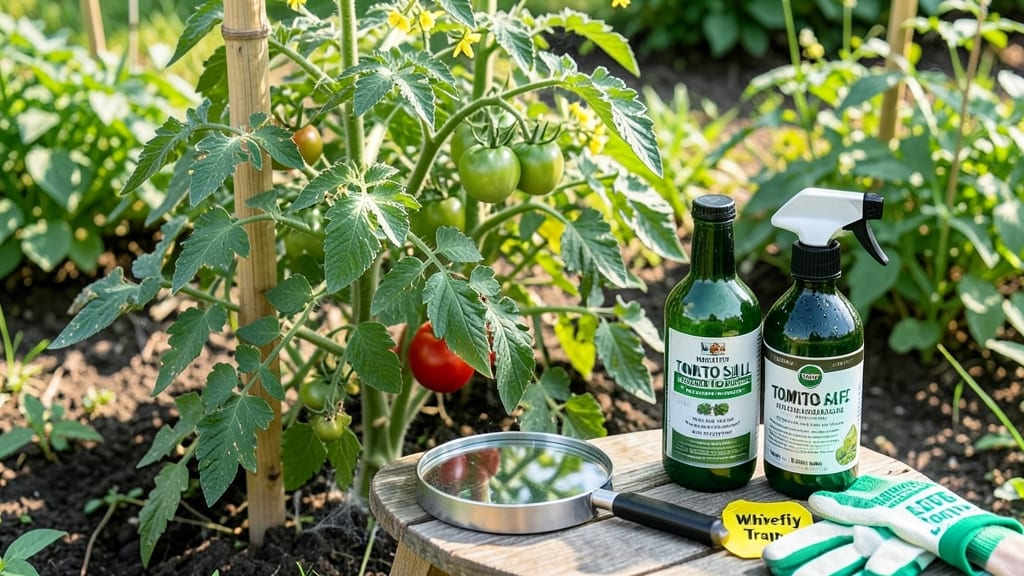
When the control of tomato plant pests strikes, these organic sprays stop the damage in its tracks—no harsh chemicals needed. 🌱 I’ve battled everything from skeletonizing hornworms to sticky aphid colonies, and these three solutions work in hours, not days.
The key is acting fast before the infestation spirals out of control.
Most gardeners panic when they spot chewed leaves or tiny flying insects, but the real secret is prevention. A weekly spray schedule with neem oil or insecticidal soap keeps pests at bay, while introducing beneficial insects like ladybugs creates a natural defense system.
You’ll see results within 24-48 hours—less damage, more fruit, and happier plants.
What you’ll actually achieve is a tomato harvest that looks like it came from a farmer’s market, not a battleground. No more wilted leaves from sap-sucking pests or half-eaten fruit from ravenous caterpillars. The sprays are simple to mix, cost pennies per application, and won’t harm pollinators if used correctly.
Works for backyard gardens, raised beds, and even container-grown tomatoes. Here’s how to pick the right spray for your specific pest problem—and when to use it.
Root Causes Of Tomato Plant Attacks
Tomato plants, with their lush foliage and vibrant fruits, are a magnet for pests—but why do these critters and pathogens target them so aggressively? The answer lies in a mix of biological vulnerabilities, environmental triggers, and even human habits.
Understanding these causes is the first step to protecting your garden. Let’s break down the science behind why pests and diseases strike your tomatoes.
Tomato plants rely on a complex immune system to fend off invaders, but when their defenses are compromised, pests and diseases move in like an uninvited dinner party. Here’s why this happens:
- Nutrient Deficiencies: Plants starved of essential nutrients (like nitrogen, potassium, or magnesium) produce weaker cell walls and slower growth. This makes them easier targets for chewing insects (like hornworms) and fungal pathogens (such as early blight). Think of it like a person with a vitamin deficiency—far more susceptible to illness.
- Stress from Environmental Shocks: Sudden temperature swings, drought, or overwatering disrupt a plant’s natural resilience. For example, Fusarium wilt thrives in stressed plants because their vascular systems become clogged more easily. Even aphids prefer stressed tomatoes—they release a sticky honeydew that attracts sooty mold, further weakening the plant.
- Overcrowding and Poor Airflow: Dense foliage traps moisture, creating the perfect humid microclimate for fungal diseases like powdery mildew and late blight. Pests such as whiteflies also love crowded conditions because they can hide and reproduce undetected.
💡 Pro Tip: Regularly prune your tomato plants to improve airflow and remove diseased leaves. A balanced fertilizer (like a 5-10-10 NPK ratio) keeps them strong and less appealing to pests.
Not all pests are random—they’re drawn to tomatoes for specific reasons tied to the plant’s biology and the garden’s ecosystem. Here’s what makes your tomatoes a five-star buffet:
| Pest | Why They Target Tomatoes | Trigger Factors |
|---|---|---|
| Hornworms | They love tomato leaves and fruit—they’re 90% protein for growing caterpillars! | Lush, untended foliage; lack of natural predators (like parasitic wasps). |
| Aphids | They suck sap and excrete honeydew, which attracts ants and fungi. | New growth (aphids prefer tender shoots); crowded plants; synthetic fertilizers (which boost sugary sap). |
| Whiteflies | They thrive in warm, humid conditions and feed on undersides of leaves. | Plastic mulch (traps heat); overwatering; weedy garden beds (alternate hosts like sweet potatoes). |
| Blossom End Rot (not a pest, but often mistaken for one) | Caused by Calcium deficiency in rapidly growing fruit. | Inconsistent watering; soil with high nitrogen but low calcium. |
🌡️ Key Insight: Many pests are drawn to stress signals tomatoes emit when struggling. For example, aphids detect volatile organic compounds (VOCs) released by stressed plants—like a distress call in the insect world.
Diseases don’t just appear out of nowhere—they need an invitation. Tomato plants provide multiple entry points for pathogens, often through wounds or natural openings. Here’s how it happens:
- Physical Damage: Chewing insects (like Colorado potato beetles) create wounds that let in bacterial and fungal infections. Even hail or wind can tear leaves, providing gateways for Xanthomonas (bacterial spot).
- Water Splashes: Overhead irrigation or rain can splash Phytophthora (which causes damping-off in seedlings) or late blight spores from soil onto leaves. This is why drip irrigation is a game-changer for disease prevention.
- Contaminated Tools or Soil: Pruners, trellises, or even compost can harbor Verticillium wilt or Fusarium spores. If these pathogens enter through root wounds (from transplanting or cultivation), they can spread systemically.
- Poor Drainage: Waterlogged soil suffocates roots and invites root-knot nematodes and fungal diseases like Pythium. These pathogens thrive in anaerobic (low-oxygen) conditions, weakening the plant’s immune response.
✨ Prevention Hack: Solarize your soil in late summer (cover it with clear plastic for 4–6 weeks) to kill pathogens before planting. This disrupts their life cycles and reduces next season’s risk.
By addressing these root causes—whether it’s boosting plant health, disrupting pest attraction, or blocking disease entry points—you’re not just treating symptoms. You’re cutting off the supply chain that keeps tomato troubles coming back year after year.
Quick Fixes for Common Tomato Threats
Tomato plants face a variety of pests and diseases, but most issues can be tackled with targeted, organic solutions—often in just hours! Below, we map the most common problems to fast-acting fixes, along with prevention tips to keep your plants thriving. No harsh chemicals needed—just smart, garden-friendly strategies.
---
Signs: Large green caterpillars with white stripes devouring leaves overnight, leaving skeletonized foliage.
How to Fix It: 1. 🔥 Handpick & Squish – Check plants daily (especially mornings) and drop hornworms into soapy water. Pro tip: 💡 Wear gloves—some gardeners find them surprisingly squishy! 2. 🍳 Bacillus Thuringiensis (Bt) Spray – Apply this organic bacteria spray (like Xentari or Dipel) at dusk. It targets caterpillars’ stomachs, killing them in 12–24 hours. Reapply after rain. 3. 👨🍳 Neem Oil Barrier – Spray neem oil on leaves to deter egg-laying moths. Mix 1 tsp neem oil + 1 tsp mild soap + 1 quart water. Reapply every 5–7 days.
Prevention: - 🌡️ Plant companion flowers like marigolds or dill to attract hornworm predators (parasitic wasps). - ✨ Use row covers early in the season to block moths from laying eggs.
---
Signs: Tiny green/black clusters on undersides of leaves, sticky residue ("honeydew"), and curled or yellowing foliage.
How to Fix It: 1. 🔪 Blast Them Off – Spray aphids directly with a strong stream of water from a hose. Repeat daily until gone. 2. 🥘 Soapy Water Spray – Mix 2 tbsp castile soap + 1 gallon water in a spray bottle. Target infested areas twice daily until aphids disappear (usually 2–3 days). 3. 🌿 Ladybugs & Lacewings – Release beneficial insects (available at garden centers) or plant nasturtiums to attract them naturally.
Prevention: - 🎯 Prune regularly to improve airflow and reduce aphid hiding spots. - 🌱 Rotate crops to avoid buildup in soil.
---
Signs: Dark concentric rings on lower leaves, yellowing edges, and black spots with "target-like" patterns.
How to Fix It: 1. 🍳 Baking Soda Spray – Mix 1 tbsp baking soda + 1 tsp oil + 1 gallon water + a drop of soap. Spray every 7–10 days to prevent spread. Works in 3–5 days if caught early. 2. 🌿 Copper Fungicide – Use an organic copper spray (like Copper Soap) to kill fungal spores. Apply at the first sign of spots. 3. 🔪 Remove & Destroy – Snip off infected leaves below the soil line (don’t compost them!) and dispose of them in the trash.
Prevention: - 💡 Space plants 18–24 inches apart for better airflow. - 🌱 Water at the base (avoid wetting leaves) to reduce moisture that fuels spores.
---
Signs: Clouds of white flies when you shake the plant, sticky residue, and yellowing leaves.
How to Fix It: 1. 🔥 Yellow Sticky Traps – Hang yellow cards coated with petroleum jelly near plants to trap adults. 2. 🥘 Neem Oil or Insecticidal Soap – Spray neem oil (2%) or insecticidal soap directly on undersides of leaves. Repeat every 3–4 days for 1–2 weeks. 3. 👨🍳 DIY Kaolin Clay Spray – Mix 1 tbsp kaolin clay + 1 gallon water. Sprays create a barrier that whiteflies can’t land on.
Prevention: - ✨ Avoid over-fertilizing with nitrogen—it attracts whiteflies. - 🌡️ Use reflective mulch (like aluminum foil) to disorient flies.
--- Signs: Sudden wilting (even with moist soil), yellowing lower leaves, and stunted growth.
How to Fix It: 1. 🔪 Remove Infected Plants – Dig up and dispose of affected plants immediately to prevent soil contamination. 2. 🌿 Solarization – Cover soil with clear plastic for 4–6 weeks in hot sun to kill fungal spores. 3. 🍳 Hydrogen Peroxide Soil Drench – Mix 1 tbsp 3% hydrogen peroxide per gallon of water and pour around the base of healthy plants to disinfect soil.
Prevention: - 💡 Plant resistant varieties like Mountain Merit or Celebrity* tomatoes. - 🌱 Crop rotation – Avoid planting tomatoes in the same spot for 3+ years.
--- To keep pests and diseases at bay before they start: - 🌡️ Mulch with straw or grass clippings to deter soil-borne pests. - ✨ Inspect plants weekly (especially undersides of leaves). - 🌿 Encourage biodiversity—plant basil, marigolds, or garlic near tomatoes to repel pests naturally. - 🔄 Rotate crops annually to break pest/disease cycles.
--- Remember: Most organic fixes work fastest when applied at the first sign of trouble. Stay vigilant, and your tomato plants will reward you with bountiful, pest-free harvests! 🍅🌿
Frequently asked questions
What's the fastest organic solution for hornworms destroying my tomato leaves?
Use Bacillus thuringiensis (Bt) spray at dusk—it kills hornworms in 12-24 hours by targeting their digestive systems. For immediate results, handpick them in the morning and drop them into soapy water. Pro tip: Wear gloves—they're surprisingly squishy!
Can I use neem oil on tomato plants when fruit is already forming?
Yes, but apply it early in the morning or late afternoon to avoid harming bees. Neem oil is safe for all growth stages, including fruiting plants. Just mix 1 tsp neem oil + 1 tsp mild soap + 1 quart water and spray thoroughly on leaves (not just fruit).
Why do my tomato plants keep getting aphids even after spraying?
You're likely missing the undersides of leaves where aphids hide! Spray soapy water (2 tbsp castile soap per gallon) on both leaf surfaces and repeat twice daily for 2-3 days. Also check for nearby plants—they may be reinfesting your tomatoes. Try planting nasturtiums nearby to attract ladybugs.
Is baking soda spray safe for all tomato varieties?
Yes, but only use it for fungal issues like early blight. Mix 1 tbsp baking soda + 1 tsp oil + 1 gallon water + a drop of soap and apply every 7-10 days. Avoid using it on cherry tomatoes or heirloom varieties with thin skins—it can cause surface burns if overused.
How can I prevent pests from returning next season?
Start with crop rotation—don't plant tomatoes in the same spot for 3+ years. Use reflective mulch (like aluminum foil) to deter whiteflies, and plant companion plants like basil or marigolds. Solarize your soil in late summer by covering it with clear plastic for 4-6 weeks to kill overwintering pests.