
Companion Plants
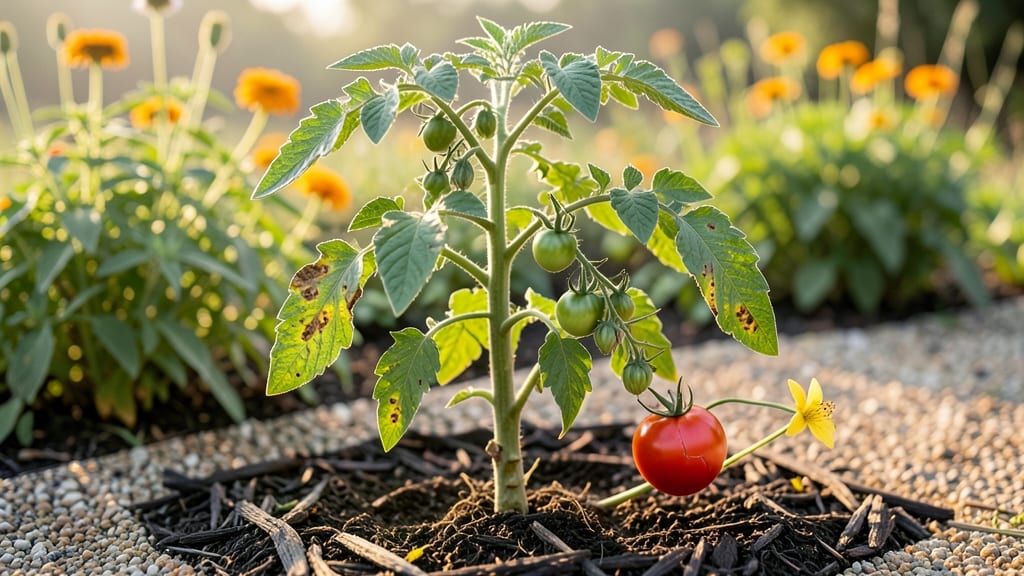
Sudden wilting of tomato plants hits like a summer storm—one day they're thriving, the next they're limp and desperate for help. 🌱 I've seen this happen more times than I'd like to admit, and the good news is that most cases aren't hopeless.
The key is acting fast and figuring out what's really going wrong beneath those droopy leaves.
Overwatering, root rot, or even hidden pests are the usual culprits, but environmental stress like extreme heat or poor drainage can also be to blame. The first step is checking the soil moisture and looking for signs like yellowing leaves or mushy stems.
Once you identify the root cause—literally—you can apply targeted fixes, from adjusting your watering schedule to improving airflow around the plants.
With the right approach, you'll often see recovery within 24-48 hours. I've nursed back plants that looked completely done for by simply addressing the underlying issue. The secret is patience and precision—don't guess, diagnose.
By the end of this guide, you'll know exactly what to look for and how to bring your tomatoes back to full, productive life.
This method works for both garden beds and containers, and the fixes are simple enough for beginners but thorough enough for seasoned growers. Let's get those plants standing tall again—your kitchen table is counting on it.
Root Causes Behind Tomato Plant Collapse
When your thriving tomato plants suddenly wilt—drooping stems, crispy leaves, or even blackened foliage—it’s a distress signal from your garden. Understanding the why behind this sudden decline is the first step to reviving them.
Below, we break down the most common culprits, backed by science, so you can diagnose and act fast.
---
Tomatoes are drought-tolerant, but excess water (or soggy soil) suffocates roots by cutting off oxygen.
This leads to: - Root rot (fungal/bacterial infections like Phytophthora or Pythium), which blocks nutrient uptake. - Waterlogged soil, where roots drown and turn mushy (check by squeezing soil—if it stays clumped, drainage is poor). - Nutrient leaching, as excess water washes away essential minerals like potassium and calcium.
Actionable fix: - Test soil moisture with your finger—top 1–2 inches should be dry before watering. - Amend soil with perlite, coarse sand, or compost to improve aeration. - Use raised beds or containers if your native soil drains poorly.
---
Tomatoes need consistent moisture, especially in heatwaves.
Sudden wilting often signals: - Soil drying out too quickly, causing roots to shrink and stems to weaken. - Transpiration overload, where leaves lose more water than roots can absorb (common in 90°F+ temps). - Blossom-end rot (a calcium deficiency triggered by uneven watering), though this appears later as dark spots on fruit.
Actionable fix: - Deep-water 1–2 times weekly (1–1.5 inches per session) rather than shallow daily sprinkles. - Mulch heavily (straw or wood chips) to retain moisture and cool roots. - Water in the morning to reduce evaporation and fungal risks.
---
Hidden invaders can sever roots or sap nutrients, leading to wilting: - Root-knot nematodes (microscopic worms that create galls on roots, blocking water uptake). - Cutworms or slugs that chew through stems at soil level. - Aphids or spider mites that drain sap, causing leaves to yellow and wilt.
Actionable fix: - Inspect roots (gently dig around the base) for galls, chew marks, or webbing. - Apply neem oil or beneficial nematodes (like Steinernema) for soil-dwelling pests. - Set beer traps or diatomaceous earth for slugs/cutworms.
---
Fungal pathogens thrive in humid, stagnant conditions and can wilt plants overnight: - Fusarium or Verticillium wilt (vascular diseases that clog xylem, preventing water transport). - Early blight (Alternaria solani), which causes brown spots on leaves and stems. - Bacterial wilt (Ralstonia solanacearum), spread by infected soil or sap-sucking insects.
Actionable fix: - Remove infected plants immediately to prevent spread. - Rotate crops (avoid planting tomatoes in the same spot for 3+ years). - Use copper fungicides or baking soda spray (1 tbsp baking soda + 1 quart water + drop of soap) for early blight.
--- Tomatoes are heavy feeders, and deficiencies—especially in potassium, calcium, or magnesium—can cause wilting: - Potassium deficiency → Weak stems, poor disease resistance (leaves may curl or scorch). - Calcium deficiency → Blossom-end rot (but also wilting in young leaves if roots can’t absorb it). - Magnesium deficiency → Yellowing between leaf veins (interveinal chlorosis).
Actionable fix: - Test soil pH (ideal: 6.0–6.8). Adjust with lime (for acidity) or sulfur (for alkalinity). - Side-dress with compost or banana peels (high in potassium) mid-season. - Use crushed eggshells (for calcium) or Epsom salt spray (1 tbsp/gallon) for magnesium.
--- Sometimes, the issue isn’t biological—it’s environmental: - Extreme temperature swings (e.g., frost or sudden heat) shock plants. - Wind or hail damage that tears leaves or stems. - Transplant shock if moved without proper root acclimation.
Actionable fix: - Provide shade cloth during heatwaves or row covers for frost protection. - Stake or cage plants to prevent wind damage. - Water deeply before transplanting to reduce shock.
--- Over-fertilizing or salt buildup (from tap water or synthetic fertilizers) can burn roots and cause wilting: - Excess nitrogen → Soft, pale leaves and weak stems. - Salt accumulation → Crusty soil surface and stunted growth. - Herbicide drift (e.g., glyphosate) can kill roots within days.
Actionable fix: - Flush soil with 5+ gallons of water to leach out salts. - Switch to organic fertilizers (compost, worm castings) for slow-release nutrients. - Test water for high sodium/chloride before irrigating.
--- Pro Tip: 💡 Check the wilting pattern—if it’s all leaves at once, suspect water/pests; if only lower leaves, it’s often nutrient-related. Act fast, and most tomato plants bounce back with the right care!
Revive Your Tomatoes Fast
Sudden wilting in tomato plants can feel like a gardener’s worst nightmare, but the good news is that most causes have quick, practical fixes. Below, we’ve mapped out step-by-step solutions based on the most common triggers—plus pro tips to keep your plants thriving long-term.
---
Signs: Drooping leaves, crispy edges, or soil that’s either bone-dry or waterlogged.
#### 🔥 Overwatering or Poor Drainage If your tomatoes are wilting despite soggy soil, root rot may be the culprit. - ✅ Step 1: Pause watering immediately and let the top 2–3 inches of soil dry out. - ✅ Step 2: Gently loosen compacted soil around the base (use a fork or trowel) to improve airflow. - ✅ Step 3: If the soil stays soggy, amend it with compost or perlite to boost drainage. - 💡 Pro Tip: Use a moisture meter or the "squeeze test" (grab a handful of soil—if it clumps, it’s too wet).
#### 🍳 Underwatering or Heat Stress Wilting in hot afternoons?
Your plants are thirsty. - ✅ Step 1: Water deeply at the base (1–2 inches per week, more in heatwaves) using a soaker hose or drip irrigation. - ✅ Step 2: Mulch with straw or wood chips to retain moisture and cool roots. - ✅ Step 3: Water early morning to reduce evaporation and fungal risks. - 🌡️ Pro Tip: If leaves feel dry and papery, it’s a sign of chronic underwatering—catch it early to avoid permanent damage.
---
Signs: Sudden wilting after a cold snap, heatwave, or windstorm.
#### 🥘 Heatwave or Sunburn Tomatoes wilt when temps exceed 90°F (32°C). - ✅ Step 1: Provide shade cloth (30–50% coverage) during peak sun (10 AM–4 PM). - ✅ Step 2: Use white reflective mulch (like landscape fabric) to deflect heat. - ✅ Step 3: Prune lower leaves to improve airflow and reduce stress. - ✨ Pro Tip: Mist leaves lightly in extreme heat (avoid evening misting to prevent disease).
#### ❄️ Cold or Frost Damage Even a light frost can shock tomato plants. - ✅ Step 1: Cover plants with frost blankets or old sheets at night. - ✅ Step 2: Water roots before a freeze to insulate them (avoid wet leaves). - ✅ Step 3: If leaves turn black, trim damaged foliage to redirect energy to new growth. - 🎯 Pro Tip: Plant heat-loving tomatoes (like ‘Solar Fire’) in black plastic mulch to warm the soil faster in spring.
---
Signs: Wilting paired with holes, sticky residue, or spots on leaves/stems.
#### 🔪 Aphids, Spider Mites, or Whiteflies These sap-suckers cause wilting by draining nutrients. - ✅ Step 1: Blast off pests with a strong spray of water (early morning). - ✅ Step 2: Apply neem oil or insecticidal soap (follow label rates). - ✅ Step 3: Introduce beneficial insects like ladybugs or lacewings. - 💡 Pro Tip: Reflective mulch (aluminum foil) confuses pests—try it under plants!
#### 🍄 Fungal Diseases (Early Blight, Verticillium Wilt) Wilting + yellow/brown spots = fungus. - ✅ Step 1: Remove infected leaves/stems immediately and dispose of them (don’t compost!). - ✅ Step 2: Spray with copper fungicide or a baking soda mix (1 tsp baking soda + 1 quart water + a drop of soap). - ✅ Step 3: Improve airflow with staking or pruning to dry leaves faster. - 🔥 Pro Tip: Crop rotation and resistant varieties (like ‘Mountain Merit’) prevent recurrence.
---
Signs: Wilting + yellowing leaves, stunted growth, or burned roots.
#### 🍎 Too Much Fertilizer (Burned Roots) Over-fertilizing stresses roots, causing wilting. - ✅ Step 1: Flush soil with water to leach excess salts (let it drain completely). - ✅ Step 2: Switch to a balanced, organic fertilizer (like 5-5-5) and apply lightly. - ✅ Step 3: Water deeply after fertilizing to prevent root burn. - 💪 Pro Tip: Fish emulsion is gentler than synthetic fertilizers—try a 1:10 dilution.
#### 📊 Lack of Key Nutrients (Potassium, Calcium) Wilting + weak stems = nutrient starvation. - ✅ Step 1: Test soil pH (ideal: 6.0–6.8).
Adjust with lime (to raise) or sulfur (to lower). - ✅ Step 2: Feed with potassium-rich compost tea or Epsom salt (1 tbsp/gallon water) for magnesium. - ✅ Step 3: For calcium, use crushed eggshells or calcium nitrate. - ✨ Pro Tip: Banana peels (buried near roots) add potassium naturally over time.
---
If your tomatoes are completely limp but stems are still firm: 1. 🌿 Trim damaged leaves to reduce water loss. 2. 💦 Submerge roots in water (for container plants) for 10–15 minutes to rehydrate.
3. 🌡️ Move to shade and monitor for 24–48 hours. 4. ⏰ If no improvement in 3 days, the plant may be beyond saving—focus on saving nearby tomatoes.
--- Prevention Checklist for Next Season: ✅ Mulch heavily to retain moisture and regulate soil temp. ✅ Water consistently (deep and early, never overhead). ✅ Inspect plants weekly for pests/diseases. ✅ Rotate crops to prevent soil-borne diseases. ✅ Choose disease-resistant varieties (e.g., ‘Celebrity’ for blight resistance).
Frequently asked questions
Why do my tomato plants wilt suddenly even when the soil feels moist?
This often signals root rot from overwatering or poor drainage. When roots suffocate in soggy soil (even if it feels damp at the surface), they can't absorb water efficiently. Check for mushy, dark roots—if so, reduce watering immediately and improve soil aeration with compost or perlite.
Can I save a tomato plant that's completely limp and doesn't perk up after watering?
Try this quick test: gently pull the stem—if it snaps easily, the plant is likely dead. If it bends but doesn't break, trim damaged leaves, move it to shade, and submerge container roots in water for 10-15 minutes. Monitor for 24-48 hours—if no improvement, focus on saving nearby plants.
How do I tell if wilting is from pests vs. disease vs. water issues?
Look for these clues: Pests (aphids, mites) leave sticky residue or webbing; disease (like early blight) shows brown spots; water issues affect all leaves uniformly. Dig gently to check roots—healthy roots are firm and white, while rotten roots smell foul and turn black.
Will pruning help revive a wilting tomato plant?
Yes, but strategically! Prune only damaged or yellowing leaves to reduce water loss. Avoid heavy pruning—focus on improving airflow by removing crowded foliage. This helps prevent fungal issues while letting the plant redirect energy to recovery.
How often should I water tomatoes to prevent sudden wilting?
Tomatoes need 1-1.5 inches of water weekly, delivered deeply at the base (not overhead). In heatwaves, increase to 2 inches. Water early morning to reduce evaporation and fungal risks. Use mulch to lock in moisture—this prevents the "boom-and-bust" cycle that triggers wilting.