
Companion Plants
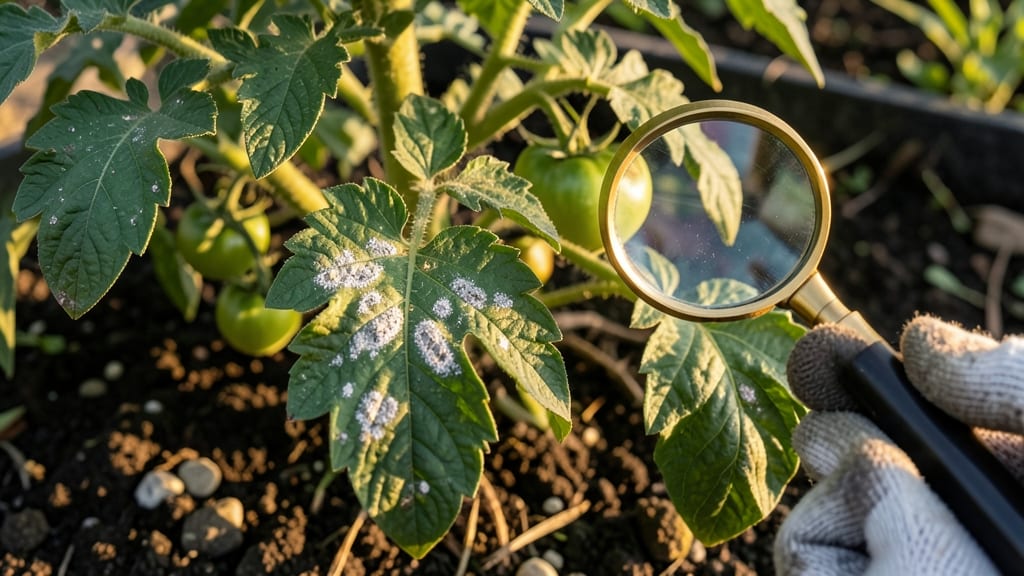
Those tomato plant leaves have white spots—your harvest is under attack, but it’s fixable. 🌱 I’ve seen this turn around in just 7 days with the right approach, whether it’s powdery mildew or something sneaky like spider mites. The key is acting fast before the spots spread to every leaf. First, flip those leaves over—90% of the battle happens on the undersides. Check for fuzzy white powder (mildew) or tiny webs (mites). Then grab a spray bottle with neem oil or baking soda mix—both work like magic when applied at dusk. Avoid wetting the leaves if you suspect mildew; instead, water at the base. By next week, you’ll see new growth pushing through, spot-free and vibrant. The secret is consistency: spray every 5-7 days until the problem disappears. Trust me, your tomatoes will thank you with bigger, juicier fruit by summer’s end. This works for container gardens, raised beds, or backyard plots—just adjust the spray volume. No fancy tools needed, just elbow grease and patience. Let’s get those plants back in fighting shape!
Root Causes of White Spots
When your tomato plant leaves start showing white spots, it’s often a sign that something’s disrupting their healthy growth. Understanding the why behind these spots helps you take targeted action.
Below, we break down the most common culprits—from fungal invaders to environmental stress—so you can diagnose and treat the issue effectively.
Fungi like Oidium (powdery mildew) or Alternaria thrive in warm, humid conditions and are the top suspects for white spots on tomato leaves. These pathogens don’t just look unsightly—they weaken your plant by blocking sunlight and clogging pores, which stunts growth and reduces fruit production.
- Powdery Mildew: Appears as a white, powdery coating on leaves, often starting on the undersides. It spreads rapidly in crowded gardens or after overhead watering.
- Alternaria Leaf Spot: Causes small, white to grayish spots with dark borders, often surrounded by yellow halos. This fungus loves high humidity and poor air circulation.
- White Rust: Produces white, pustule-like spots that can turn yellow or brown over time. It thrives in wet conditions and can spread quickly if left unchecked.
💡 Pro Tip: Fungal spores can linger in soil and debris, so always remove infected leaves immediately and avoid composting them. Sterilize pruners with rubbing alcohol between cuts to prevent cross-contamination.
Not all white spots are caused by pests or diseases—sometimes, your tomato plant’s environment is to blame. Extreme fluctuations in temperature, poor airflow, or even too much sunlight can lead to stress symptoms, including white or discolored spots.
- Sunburn: Bleached or white patches on leaves exposed to intense afternoon sun (especially in hot climates). This happens when plants aren’t acclimated to direct sunlight.
- Cold Stress: White, crusty spots can form after frost or sudden temperature drops, damaging cell structures. Tomatoes prefer consistent warmth (60–85°F).
- Poor Airflow: High humidity + stagnant air = ideal conditions for fungal growth. Crowded plants or dense foliage trap moisture, accelerating white spot development.
🌡️ Quick Fix: If sunburn is the issue, provide afternoon shade with shade cloth (30–50% coverage). For cold stress, use row covers or move potted tomatoes indoors temporarily. Improve airflow by pruning overcrowded branches or spacing plants 18–24 inches apart.
While fungi are the usual suspects, some pests can also cause white spots—or leave behind evidence that triggers fungal infections. Here’s how:
- Spider Mites: These microscopic pests pierce leaves, causing stippling (tiny white or yellow dots). Heavy infestations weaken plants, making them more susceptible to fungal diseases.
- Aphids: Their honeydew secretions create a sticky residue that attracts sooty mold—a black, fuzzy fungus that can appear alongside white spots.
- Whiteflies: Their larvae excrete honeydew too, leading to mold growth. You might also spot white, cottony clusters on leaf undersides.
🔥 Pest Control Tip: Blast pests off leaves with a strong spray of water, then apply neem oil or insecticidal soap (follow label instructions). For severe infestations, introduce beneficial predators like ladybugs or lacewings.
Overzealous gardening can sometimes cause white spots. Harsh chemicals—whether from fertilizers, pesticides, or even tap water—can burn leaves or disrupt their natural processes.
- Fertilizer Burn: Excessive nitrogen or salt buildup (from synthetic fertilizers) can cause white, crispy edges or patches on leaves.
- Pesticide Residue: Some chemical sprays leave white, powdery deposits that block photosynthesis. Always follow dilution rates and avoid spraying in direct sunlight.
- Hard Water Damage: High mineral content in tap water can accumulate on leaves, leading to white crusts or spots over time.
✨ Prevention Tip: Use organic, slow-release fertilizers (like compost or worm castings) to avoid burns. If using tap water, let it sit out for 24 hours to reduce chlorine, or use rainwater instead.
Now that you know the why, the next step is identifying the right fix for your tomato plant’s specific issue. Each cause requires a different approach—so stay tuned!
Quick Fixes for Tomato Leaf Spots
White spots on your tomato plant leaves can feel like a garden mystery, but the good news is that most causes have straightforward solutions. Below, we’ll tackle the most common culprits—fungal infections, pests, environmental stress, and nutrient deficiencies—and give you actionable steps to restore your plants to full, healthy glory.
Prevention tips are sprinkled throughout to keep future outbreaks at bay!
Fungal spores love damp, crowded conditions, and once they take hold, they spread like wildfire. Here’s how to stop the spread and revive your plants:
1️⃣ Prune and Remove Infected Leaves
🔪 - Step 1: Grab a pair of sterilized pruning shears (wipe with rubbing alcohol or bleach solution) and snip off any leaves with white spots—don’t leave them on the ground or in your compost bin.
Fungal spores can survive and reinfect! - Step 2: Dispose of infected foliage in the trash (not compost) or burn it if possible. - Pro Tip: 💡 If the spots are on lower leaves, prune them first—they’re more likely to harbor spores that can spread upward.
2️⃣ Apply Fungicidal Sprays 💦
Organic Option: Mix 1 tbsp baking soda + 1 tsp dish soap + 1 gallon water in a spray bottle.
Apply to both leaf surfaces in the early morning or evening (avoid direct sunlight to prevent leaf burn). - Store-Bought Boost: Use copper fungicide or neem oil spray (follow label instructions).
These disrupt fungal growth and are safe for edible plants. - Prevention: 🌡️ Spray preventatively every 7–10 days during humid weather or after rain.
3️⃣ Improve Airflow and Light 🌬️☀️
Space Plants: Give tomato plants 18–24 inches of space between them.
Crowding traps moisture and encourages fungal growth. - Stake or Cage: Use trellises or cages to keep plants upright—this prevents leaves from touching soil, which spreads spores. - Morning Sun: Ensure 6–8 hours of sunlight daily. Weak, shaded plants are more susceptible to disease.
Tiny pests can cause white speckling or webbing, weakening your tomatoes. Here’s how to evict them fast:
1️⃣ Blast Them Off with Water 💦
- Step 1: On a sunny day, use a hose with a strong jet to dislodge mites and aphids from leaves.
- Step 2: Repeat every 2–3 days until pests disappear.
2️⃣ Introduce Natural Predators 🐞
- Ladybugs, lacewings, or predatory mites feast on spider mites and aphids. Buy them online or attract them with dill, fennel, or marigolds as companion plants.
- Pro Tip: 🎯 Release predators in the evening when they’re most active.
3️⃣ Use Insecticidal Soap 🧼
- Mix 1.5 tbsp castile soap + 1 quart water and spray directly on pests (avoid flowers to protect pollinators).
- Alternative: Neem oil spray (1 tsp neem oil + 1 tsp soap + 1 quart water) disrupts their life cycle.
4️⃣ Quarantine New Plants 🚫
- Prevention: 💡 Before adding new plants, inspect them for pests and quarantine for 2 weeks in a separate area.
White spots from environmental factors are often superficial but fixable with adjustments:
1️⃣ Adjust Watering Habits 💧
Overwatering? Let soil dry 1–2 inches deep between waterings.
Use a moisture meter or stick your finger in the soil to check. - Underwatering? Water deeply at the base (not overhead) to avoid fungal splash-up. - Prevention: 🔥 Use drip irrigation or soaker hoses to keep leaves dry.
2️⃣ Shield from Extreme Conditions ❄️☀️
- Heat Stress: If leaves look bleached or crispy, provide shade cloth (30–50%) during peak afternoon sun.
- Cold Stress: Cover plants with frost blankets if temperatures drop below 50°F (10°C) at night.
3️⃣ Check for Chemical Residue 🧴
- If you’ve used herbicides, pesticides, or harsh fertilizers, white spots could be burn damage.
- Fix: Flush soil with water and avoid chemicals for 2 weeks. Switch to organic fertilizers like compost or fish emulsion.
White spots can signal mineral deficiencies, often mistaken for disease. Here’s how to diagnose and correct them:
| Symptom | Likely Cause | Solution |
|---|---|---|
| White/yellow spots on older leaves | Magnesium deficiency | Apply Epsom salt (1 tbsp per gallon of water) as a foliar spray or soil drench. |
| White crusty spots on leaves | Calcium deficiency | Sprinkle crushed eggshells or use calcium nitrate (follow package rates). |
| Stunted growth + white speckling | Zinc deficiency | Use zinc sulfate (1/4 tsp per gallon) or compost with high zinc content. |
- Prevention: 🌱 Test your soil every 2–3 years and amend with compost or balanced organic fertilizer (like 5-5-5).
To keep your tomato plants spot-free and thriving, follow this garden immunity plan: ✅ Rotate crops—don’t plant tomatoes (or nightshades) in the same spot year after year. ✅ Solarize soil in fall by covering beds with clear plastic for 4–6 weeks to kill fungal spores. ✅ Mulch with straw to reduce soil splash and retain moisture without overwatering. ✅ Harvest promptly—ripe tomatoes attract pests, so pick them before they overripe. ✅ Monitor weather—fungal outbreaks spike after rainy, humid periods.
Be proactive with sprays!
With these fixes, your tomato plants should bounce back in 2–4 weeks, depending on the severity. 🌿 Keep an eye out for improvements, and soon you’ll be enjoying juicy, blemish-free tomatoes straight from your garden!
Frequently asked questions
Why do my tomato leaves have white spots even after I removed the infected ones?
Fungal spores can linger in soil, water droplets, or on nearby plants. Even after pruning, spores may still be present. To break the cycle, sterilize your tools with rubbing alcohol, water at the base (not overhead), and apply a preventive spray like neem oil every 7-10 days during humid weather.
Can I still eat tomatoes from a plant with white-spotted leaves?
Yes, but only if the spots are on lower leaves and haven't spread to the fruit. Remove all infected foliage first. For severe cases (like powdery mildew), wait 2 weeks after treatment before harvesting to ensure safety. Always wash tomatoes thoroughly before eating.
How do I tell if my tomato plant has powdery mildew vs. spider mites?
Flip the leaves over - powdery mildew appears as white, fuzzy patches on both sides, while spider mites create tiny white/yellow stipples (often with webbing underneath). Use a magnifying glass if needed. Mildew feels powdery when touched; mites leave a rough, speckled texture.
Will my tomato plant recover completely if I treat the white spots early?
With prompt action (removing infected leaves + proper treatment), most plants recover fully within 2-4 weeks. The key is consistency - keep applying fungicides or pest controls as directed. New growth will emerge spot-free, and your plant can produce just as many tomatoes as before!
Can I use the same fungicide spray on my tomatoes and other garden plants?
Most organic fungicides like neem oil or copper spray are safe for edible plants, but always check labels for specific plants. For example, copper can harm beans and peas. The baking soda mix (1 tbsp baking soda + 1 tsp soap + 1 gallon water) is universally safe for all vegetables when used correctly.