Plants
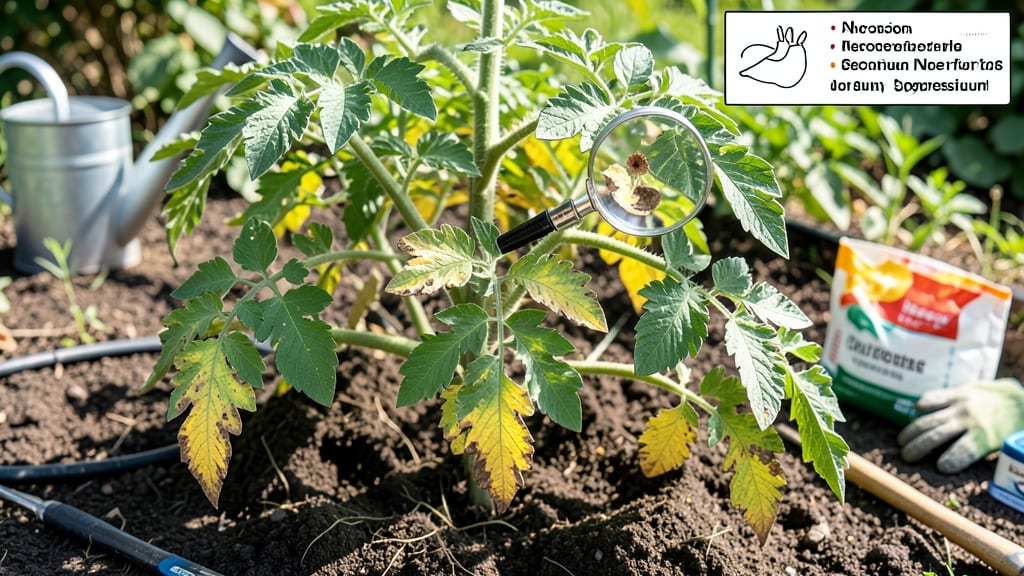
What makes tomato plant leaves turn yellow?—and I’ve diagnosed every possible cause after years of battling this myself. 🌱 The first step is separating overwatering from nutrient deficiencies, because the fixes couldn’t be more different. One needs less water; the other needs more food. Most gardeners (myself included) overwater first thing, drowning roots and starving leaves of oxygen. Check the soil: if it’s soggy, hold off until the top 2 inches feel dry. But if the yellow starts at the bottom and spreads upward, it’s often nitrogen hunger—feed with compost tea or diluted fish emulsion. Once you pinpoint the issue, the fix is simple: adjust watering, add fertilizer, or treat pests. The key is acting fast—yellow leaves can spread to fruit, turning your harvest bitter. I’ve saved plants from total collapse with these steps, and you can too. Don’t panic if you see yellowing—it’s rarely a death sentence. Start with soil moisture: overwatering is the #1 culprit, especially in pots where roots suffocate. Then check for pests like spider mites hiding on leaf undersides (they suck sap, causing yellow patches). For nutrient issues, a quick soil test reveals what’s missing. My go-to fix? A balanced organic fertilizer like 5-5-5, applied every 2-3 weeks. The goal is healthy growth, not just green leaves—strong plants resist problems before they start. Prevention is easier than curing: water deeply but less often, mulch to retain moisture, and rotate crops yearly. I’ve kept my tomatoes thriving for seasons by treating yellowing as a warning sign, not a crisis. The moment you see it, act—your harvest depends on it.
Root Causes Behind Yellowing Tomato Leaves
When your tomato plant’s leaves start turning yellow, it’s often a cry for help—your plant is trying to tell you something’s off. Understanding the why behind the discoloration is the first step to saving your harvest.
Below, we break down the most common culprits, from overwatering to nutrient deficiencies, with clear explanations of how they damage your plant and what’s happening at a cellular level.
Yellowing leaves are a classic sign of root stress, and overwatering is the #1 offender. When soil stays soggy for too long, roots suffocate from a lack of oxygen—a process called anoxia. Without oxygen, roots can’t absorb water or nutrients efficiently, leading to:
- Wilting despite wet soil (roots can’t pull up moisture)
- Yellowing lower leaves first (oldest leaves shed nutrients to protect new growth)
- Mushy, black roots (fungal infections like Pythium thrive in waterlogged conditions)
Why it happens: Tomato plants prefer well-draining soil with a moisture level like a "wrung-out sponge." If your container lacks drainage holes or your garden soil is heavy clay, water pools around roots, cutting off oxygen. Even "light" watering can be too much if the soil doesn’t dry between sessions.
Actionable clue: Stick your finger 2 inches into the soil—if it’s damp, wait. If it’s bone-dry, you’ve likely underwatered (another cause).
Yellowing leaves can be a nutrient deficiency, but the pattern reveals the culprit. Here’s how to decode it:
| Deficiency | Yellowing Pattern | Why It Happens |
|---|---|---|
| Nitrogen (N) | Older leaves turn pale yellow or yellow-green, starting at the base. | Nitrogen is mobile in plants—when scarce, the plant "steals" it from old leaves to feed new growth. Common in poor soil or after heavy fruiting. |
| Magnesium (Mg) | Yellow patches between leaf veins (interveinal chlorosis), often on younger leaves. | Magnesium is key to chlorophyll production. It’s immobile, so new leaves show symptoms first. Over-fertilizing with nitrogen (without potassium/magnesium) or high soil pH (above 7.0) locks it out. |
| Iron (Fe) | Young leaves turn bright yellow while veins stay green (chlorosis). | Iron is essential for chlorophyll but becomes unavailable in alkaline soil (pH > 7.0). Even if iron is present, the plant can’t access it. |
| Potassium (K) | Yellowing or brown scorch on leaf edges, often with weak stems. | Potassium regulates water and nutrient transport. Deficiencies weaken cell membranes, causing osmotic stress (cells lose water and nutrients). Common in sandy soils or after heavy rain leaches it away. |
Pro tip: Test your soil’s pH (aim for 6.0–6.8 for tomatoes). If it’s alkaline, add chelated iron or sulfur to fix iron/magnesium issues. For nitrogen, use a balanced fertilizer (10-10-10) or compost.
While overwatering drowns roots, underwatering causes them to shrink and pull away from the soil, disrupting nutrient uptake. Here’s how to spot it:
- Yellowing starts at leaf edges (like a "fried" look) and moves inward.
- Leaves feel dry or crispy to the touch.
- Soil pulls away from pot edges (indicates extreme dryness).
Why it happens: Tomato plants have shallow roots that need consistent moisture. When soil dries out, roots lose turgor pressure (they wilt), and the plant can’t transport water or nutrients. Worse, osmotic stress causes cells to lose water, leading to chlorosis (yellowing).
Actionable fix: Water deeply 1–2 inches per week (more in heatwaves). Use mulch to retain moisture, and water in the morning to reduce evaporation.
Not all yellowing is environmental—pests and pathogens can hijack your plant’s nutrients or block its ability to photosynthesize. Watch for these red flags:
🔹 Aphids & Spider Mites
These sap-sucking pests inject toxins that cause leaves to curl and yellow. They thrive on the undersides of leaves and leave behind a sticky residue (honeydew), which can lead to sooty mold (a black fungal growth).
🔹 Fungal Infections (Early Blight, Late Blight)
Fungi like Alternaria solani (early blight) cause yellowing concentric rings on lower leaves, often with brown spots. Phytophthora (late blight) turns leaves yellow-green with greasy spots and spreads rapidly in wet conditions.
🔹 Root-Knot Nematodes
These microscopic worms burrow into roots, causing galls (lumpy growths) that disrupt water/nutrient uptake. Above ground, you’ll see stunted growth and yellowing, especially in hot weather.
How to confirm: Check leaf undersides for pests, inspect roots for galls, or look for fungal spots. Isolate infected plants and treat with neem oil (pests), copper fungicide (blight), or beneficial nematodes (root-knot).
Tomatoes are tropical plants that struggle with extreme conditions. Here’s how weather wreaks havoc:
🔥 Heat Stress
Temperatures above 90°F (32°C) cause protein breakdown in leaves, leading to yellowing and leaf scorch. High heat also increases transpiration (water loss), outpacing root uptake.
❄️ Cold Damage
Frost or temps below 50°F (10°C) at night disrupts chlorophyll production, causing leaves to yellow. Cold also redu
Revive Your Tomato Plant Now
Yellow leaves on your tomato plant don’t have to spell disaster—most issues are fixable with a little detective work and targeted care. Below, we’ll map out practical solutions for each common cause, from quick fixes to long-term prevention. Grab your gloves and let’s get to work!
Signs: Yellowing leaves with mushy stems, wilting, or a foul smell near the roots. Why it happens: Too much water suffocates roots, cutting off oxygen and nutrients.
How to Fix It:
- 🚰 Stop watering immediately – Let the soil dry out completely (2–3 inches deep) before watering again.
- 🌱 Check your pots/drainage – Ensure containers have drainage holes. If planting in ground, amend clay soil with compost or sand.
- ✂️ Trim damaged foliage – Snip yellow, mushy leaves to redirect energy to healthy growth.
- 🌿 Repot if needed – If roots are rotting, transfer the plant to fresh, well-draining soil.
💡 Prevention Tips:
- Water deeply but less often—aim for 1–1.5 inches per week (adjust for climate).
- Use a moisture meter or stick your finger in the soil before watering.
- Mulch around the base to regulate moisture and reduce evaporation.
Signs: Crispy, yellowing edges; leaves curling upward; dry soil pulling away from the pot.
How to Fix It:
- 💦 Water thoroughly at the base – Soak the soil until water drains out the bottom (for potted plants).
- 🌞 Provide afternoon shade – Use shade cloth (30–50%) or move plants to a spot with dappled light.
- 🍃 Mist leaves (if humid) – Lightly misting can help combat heat stress, but avoid soggy leaves.
- 🌱 Boost humidity – Place a tray of pebbles and water near the plant or group tomatoes with other plants.
💡 Prevention Tips:
- Water early in the morning to reduce evaporation.
- Avoid overhead sprinklers—water at the soil level.
- Choose heat-tolerant varieties like ‘Solar Fire’ or ‘Heatmaster’ for hot climates.
Signs: Yellowing between leaf veins (chlorosis), stunted growth, or purple stems (nitrogen/phosphorus deficiency).
| Deficiency | Symptoms | Fix It With |
|---|---|---|
| Nitrogen (N) | Yellow lower leaves, slow growth | Balanced fertilizer (10-10-10) or compost tea |
| Magnesium (Mg) | Yellow patches between veins | Epsom salt (1 tbsp/gallon water, spray leaves) |
| Iron (Fe) | Young leaves yellow, veins stay green | Chelated iron supplement or compost |
| Potassium (K) | Yellow edges, weak stems | Banana peel tea or potassium-rich fertilizer |
How to Fix It:
- 🔬 Test your soil – Use a DIY kit or send a sample to a local extension office.
- 🍄 Feed with organic matter – Mix in compost, worm castings, or aged manure.
- 💧 Use foliar sprays – For magnesium/iron, spray diluted Epsom salt or iron chelate on leaves.
- 🌿 Avoid over-fertilizing – Too much salt can burn roots; follow package instructions.
💡 Prevention Tips:
- Rotate crops – Don’t plant tomatoes in the same spot yearly.
- Mulch heavily – Retains nutrients and moisture.
- Use slow-release fertilizers – Prevents spikes in salt levels.
Signs: Yellowing with holes, sticky residue (aphids), or fungal spots (early blight).
| Problem | Fix It With |
|---|---|
| Aphids/Spider Mites | Spray with soapy water or neem oil |
| Whiteflies | Yellow sticky traps + insecticidal soap |
| Early Blight | Remove infected leaves; copper fungicide |
| Root-Knot Nematodes | Solarize soil or plant resistant varieties like ‘Mountain Merit’ |
How to Fix It:
- 🦟 Inspect leaves daily – Check undersides for pests; hose off with water.
- 🧴 Apply organic sprays – Neem oil (1 tsp/quart water) or homemade garlic spray (blend 2 garlic cloves + 1 quart water).
- 🌿 Prune infected areas – Remove yellow/diseased leaves and dispose of them (don’t compost).
- 🛡️ Prevent future outbreaks – Space plants for airflow; rotate crops annually.
💡 Prevention Tips:
- Encourage beneficial insects – Ladybugs and lacewings eat pests; plant marigolds nearby.
- Water at the base – Avoid wetting leaves to reduce fungal spread.
- Clean tools – Sterilize pruners with rubbing alcohol between plants.
- 🪴 Transplant Shock: Yellowing after repotting? Keep soil moist and avoid fertilizing for 2 weeks. - 🌡️ Temperature Stress: Tomatoes hate cold drafts or sudden chills.
Use row covers if nights dip below 50°F. - 🧂 Chemical Burn: Yellowing from fertilizer or tap water? Flush soil with rainwater and reduce salts.
Final Pro Tip: 🌟 Keep a garden journal! Note when you water, fertilize, and spot issues—patterns will help you act faster next time. With these fixes, your tomato plant should bounce back in 1–2 weeks, and you’ll be on your way to a bountiful harvest! 🍅✨
Frequently asked questions
Why do tomato leaves turn yellow first on the bottom?
This is usually a sign of overwatering or nitrogen deficiency. When roots suffocate from too much moisture, the plant sheds nutrients from older leaves to protect new growth. For nitrogen issues, the yellowing starts at the base and spreads upward—feed with compost or a balanced fertilizer like 10-10-10.
Can yellow tomato leaves spread to the fruit?
Yes! If left untreated, yellowing leaves can reduce the plant's energy, leading to smaller, bitter tomatoes or even fruit that doesn't ripen properly. Act fast—prune affected leaves and address the root cause (water, nutrients, or pests) to save your harvest.
How do I tell if yellow leaves are from overwatering vs. underwatering?
Check the soil: if it's soggy and the yellowing starts at the bottom, it's overwatering. If the soil is bone-dry and edges curl/yellow, you're underwatering. For overwatering, let soil dry completely; for underwatering, water deeply until it drains from the bottom.
Will Epsom salt fix yellow tomato leaves?
Only if the issue is a magnesium deficiency! Mix 1 tablespoon of Epsom salt per gallon of water and spray on leaves weekly. For other deficiencies (like nitrogen or iron), Epsom salt won't help—use compost or targeted fertilizers instead.
Can I still harvest tomatoes if leaves are yellow?
Yellow leaves won't ruin your tomatoes, but severe cases may reduce quality. Focus on removing damaged leaves and fixing the underlying issue. Healthy green leaves are enough to support fruit production—just keep an eye on pests or disease spreading.