How To
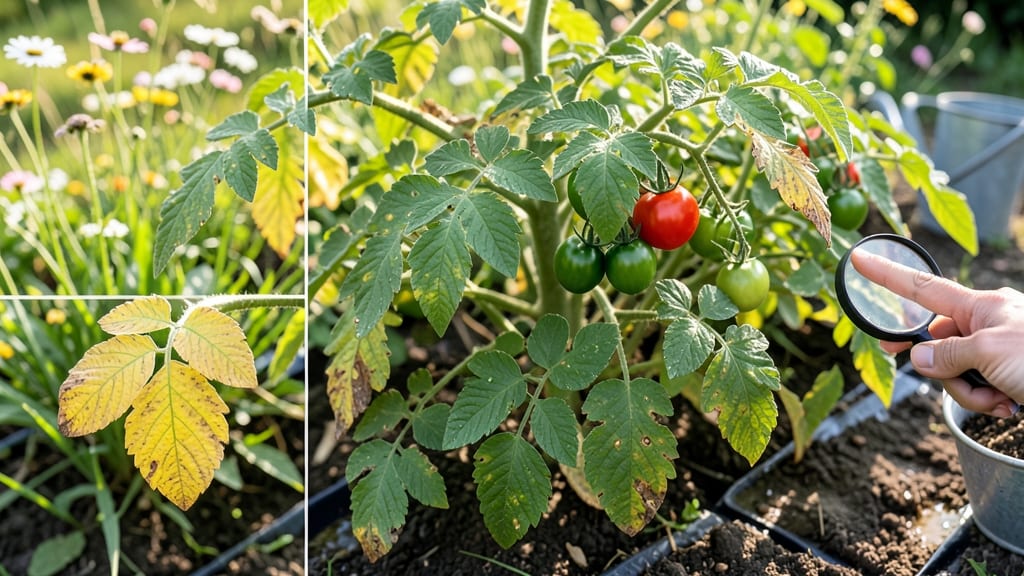
Cherry tomato leaves turning yellow can mean your plants are screaming for help—usually from overwatering, nutrient starvation, or hidden pests. 🌱 I’ve seen this happen after just one heavy watering session, especially when soil stays soggy for days.
The good news? Most cases fix fast with the right adjustments, and your plants can bounce back for a bigger harvest in weeks.
The first step is checking the soil: poke your finger in 1-2 inches deep. If it’s damp, you’re overwatering; if it’s bone-dry, you’ve neglected them. Yellowing often starts on the older leaves first—this is your plant’s way of saying, “I need nitrogen!” or “My roots are drowning.”
A quick soil test (or even just looking at the leaves) tells you exactly what’s missing.
Fix it fast by adjusting watering (let soil dry between sessions) and feeding with a balanced fertilizer. For severe cases, a handful of compost around the base gives roots a nutrient boost.
Within 5-7 days, new growth should appear, and those yellow leaves will fall away naturally—no harsh pruning needed.
Prevent future problems by mulching to keep moisture even and testing soil pH (aim for 6.0-6.8). The key is consistency: cherry tomatoes thrive on routine, not guesswork. Once you master this, your plants will reward you with vibrant green leaves and buckets of sweet fruit all season.
Root causes behind yellowing leaves
Yellowing leaves on your cherry tomatoes can be frustrating, but understanding the why behind it is the first step to restoring your plants’ health. Let’s break down the most common culprits—each with a clear scientific explanation and actionable insights to help you diagnose the issue quickly.
---
When cherry tomato leaves turn yellow, waterlogging is often the silent villain. Overwatering or soil that doesn’t drain properly suffocates roots by cutting off their oxygen supply. Without oxygen, roots can’t absorb nutrients efficiently, leading to chlorosis (yellowing) in the leaves.
This issue is especially common in Lycopersicon esculentum (tomato plants) because their roots are sensitive to waterlogged conditions. Signs to watch for:
- Yellowing starts on lower leaves and moves upward.
- Soil feels soggy even a day after watering.
- Roots appear black or mushy if you gently dig them up.
💡 Pro Tip: Test your soil’s drainage by filling a container with potting mix, adding water, and timing how long it takes to drain. If it takes more than 30 minutes, amend your soil with perlite or sand to improve aeration.
---
Yellowing leaves can signal that your cherry tomatoes aren’t getting the right nutrients. The most common deficiencies include:
Nutrient
Yellowing Pattern
Why It Happens
Nitrogen (N)
Older leaves turn yellow first, then brown and crisp.
Nitrogen is crucial for chlorophyll production. Without enough, leaves can’t photosynthesize efficiently. This is common in fast-growing plants like cherry tomatoes that deplete soil nitrogen quickly.
Magnesium (Mg)
Yellowing appears between leaf veins (interveinal chlorosis).
Magnesium is the center of the chlorophyll molecule. Deficiency often occurs in alkaline soils (pH > 7.0) or when potassium levels are too high, blocking magnesium uptake.
Iron (Fe)
Young leaves turn yellow while veins stay green.
Iron is essential for chlorophyll but becomes unavailable in alkaline soils. Even if iron is present, the soil’s high pH prevents roots from absorbing it.
Potassium (K)
Yellowing or brown scorch on leaf edges.
Potassium regulates water and nutrient transport. A deficiency weakens cell walls, causing edges to dry out or yellow, especially under stress (heat, drought, or disease).
🔥 Quick Fix: Conduct a soil test to identify deficiencies. For immediate relief:
- Add compost or worm castings for a slow-release nitrogen boost.
- Use Epsom salt (magnesium sulfate) for magnesium deficiency (1 tbsp per gallon of water, applied every 2 weeks).
- For iron deficiency, apply chelated iron or lower soil pH with sulfur or peat moss.
- Banana peels or wood ash can provide potassium, but use sparingly to avoid overdoing it.
---
Cherry tomatoes thrive in warm but not scorching conditions (ideal range: 70–85°F). When temperatures dip below 50°F or climb above 90°F, leaves can yellow as a stress response.
- Cold Stress: Low temperatures slow nutrient uptake and damage cell membranes, leading to yellowing, especially on young leaves.
- Heat Stress: High temperatures cause transpiration stress (excessive water loss), leading to wilting and yellowing. Leaves may also develop sunburn (brown patches) if exposed to direct midday sun without acclimation.
✨ Solution:
- Provide shade cloth (30–50%) during peak afternoon heat.
- Mulch with straw or grass clippings to regulate soil temperature.
- Water deeply in the early morning to reduce heat stress.
- Use row covers for frost protection if temperatures drop below 50°F.
---
While nutrient issues are the most common cause, pests and pathogens can also trigger yellowing. Here’s how to spot them:
Culprit
Symptoms
Why It Causes Yellowing
Aphids
Sticky residue (honeydew), curled leaves, yellowing between veins.
Aphids sap-suck leaves, disrupting nutrient flow and spreading viral infections like tomato yellow leaf curl virus (TYLCV).
Spider Mites
Fine webbing, yellow stippling (tiny dots) on leaves.
These pests pierce cells to feed, causing chlorophyll breakdown and reducing photosynthesis.
Fungal Diseases (Early Blight, Septoria Leaf Spot)
Yellow spots with dark concentric rings, leaf drop.
Fungi clog stomata (leaf pores), blocking gas exchange and nutrient transport, leading to yellowing and necrosis.
Root-Knot Nematodes
Stunted growth, yellowing new leaves, gnarled roots.
These microscopic worms damage roots, reducing water and nutrient absorption.
🔪 Treatment Plan:
- For aphids/spider mites: Spray with neem oil or introduce ladybugs as natural predators.
- For fungal diseases: Apply copper fungicide or baking soda spray (1 tsp baking soda + 1 quart water + a drop of dish soap).
- For nematodes: Rotate crops, solarize soil (cover with clear plastic for 4–6 weeks in hot sun), or use marigolds as a trap crop.
---
Now that you know the why, the next step is action—diagnose
Quick Fixes for Yellowing Leaves
Now that you’ve identified the root cause of your cherry tomato leaves turning yellow, it’s time to take action! Below are practical, step-by-step solutions tailored to each common issue—plus prevention tips to keep your plants thriving. 🌱💚
---
Signs: Yellowing leaves (especially lower ones), mushy stems, or a foul smell from the soil.
#### Step-by-Step Fix: 1. 👨🍳 Stop Watering Immediately - Let the top 1–2 inches of soil dry out completely before watering again. Overwatering suffocates roots and invites fungal diseases.
2. 🔪 Improve Drainage - If your pot lacks drainage holes, repot your tomato into a container with holes.
For in-ground plants, amend the soil with perlite, coarse sand, or compost to loosen it. - Pro Tip: 💡 Test drainage by filling a saucer under the pot—if water pools after 30 minutes, your pot needs better airflow.
3. 🌡️ Adjust Watering Habits - Water deeply but infrequently (every 2–3 days for pots, 1–2 times weekly for in-ground plants). Early morning is best to prevent fungal growth. - Prevention: Use a moisture meter or stick your finger 1 inch into the soil—if it’s damp, wait.
4. ✨ Fungal Treatment (If Needed) - If yellowing is paired with black spots or mold, spray leaves with neem oil or copper fungicide (follow label instructions). Reapply every 7–10 days.
---
Signs: Pale yellow leaves (especially between veins), stunted growth, or slow fruit production.
#### Step-by-Step Fix: 1. 📊 Diagnose the Deficiency Use this quick guide to identify the missing nutrient:
| Symptom | Likely Deficiency | Quick Fix | |---------------------------|-----------------------|----------------------------------------| | Yellow lower leaves | Nitrogen (N) | Apply balanced fertilizer (10-10-10) or compost tea. | | Yellow new leaves | Phosphorus (P) | Use a phosphorus-rich fertilizer (e.g., bone meal) or fish emulsion. | | Yellow edges (brown tips) | Potassium (K) | Feed with banana peel tea or a potassium sulfate solution. | | Pale green/yellow all over | Magnesium (Mg) | Spray Epsom salt solution (1 tbsp per gallon of water) weekly for 2 weeks. | | Yellow veins only | Iron (Fe) | Apply chelated iron or crush eggshells into the soil (slow-release calcium + trace minerals). |
2. 🥘 Organic Fertilizer Boost - Mix compost, worm castings, or fish emulsion into the top 2 inches of soil. Avoid synthetic fertilizers if your soil is already too rich (they can burn roots).
3. 🌱 Soil pH Check - Test your soil’s pH (ideal for tomatoes: 6.0–6.8). If too alkaline (high pH), add sulfur or peat moss to lower it. If too acidic, use lime.
4. 🎯 Prevention Tips - Fertilize every 2–3 weeks during growing season (spring–fall). - Mulch with straw or grass clippings to retain moisture and nutrients. - Pro Tip: 🔥 Avoid over-fertilizing—yellow leaves can also signal fertilizer burn (brown crispy edges). Always water before applying fertilizer.
---
Signs: Yellowing leaves with crispy edges, wilting, or leaves curling toward the sun.
#### Step-by-Step Fix: 1. 🏡 Move or Shade Your Plants - If leaves are bleached or sunburned, provide partial shade (30–50% coverage) with a lightweight row cover or move pots to a morning-sun spot. - For heatwaves: Mist leaves early in the day to cool them (avoid evening misting to prevent fungal growth).
2. 🌡️ Adjust for Cold Stress - If temperatures dip below 50°F (10°C), cover plants with frost cloth or a black plastic sheet (daytime only to avoid overheating). - Pro Tip: 💡 Hardening off seedlings gradually prevents shock when transitioning outdoors.
3. ⏰ Optimize Watering for Heat - Water deeply at dawn to reduce evaporation. Use drip irrigation or soaker hoses to keep leaves dry (prevents sun scald).
4. 🎯 Long-Term Solutions - Choose heat-tolerant varieties like ‘Solar Fire’ or ‘Heatmaster’ for future seasons. - Plant in late spring (after last frost) to avoid early-season cold snaps.
---
Signs: Yellowing with holes, chewed edges, or sticky residue (aphids, whiteflies), or spots/mold (fungal/bacterial infections).
#### Step-by-Step Fix: 1. 🐜 Identify the Culprit - Aphids/Whiteflies: Sticky leaves + tiny bugs. - Fungal/Bacterial Spot: Dark spots with yellow halos. - Root-Knot Nematodes: Wilting + yellowing despite watering.
2. 🍳 Treat Pests Organically - Soap Spray: Mix 1 tsp mild dish soap + 1 quart water, spray leaves (test on a few leaves first). - Neem Oil: Spray every 5–7 days for aphids/whiteflies (follow label). - Beneficial Insects: Release ladybugs or lacewings to eat pests naturally.
3. 🌡️ Fight Fungal/Bacterial Infections - Remove infected leaves immediately (don’t compost them—trash or burn). - Spray with copper fungicide or baking soda mix (1 tbsp baking soda + 1 quart water + few drops of soap). - Prevention: 🔥 Space plants 18–24 inches apart for airflow. Avoid overhead watering.
4. 🎯 Nematode Control - Solarize soil (cover with clear plastic for 4–6 weeks in summer to kill nematodes). - Plant marigolds or nematode-resistant tomato varieties (e.g., ‘Nematex’) nearby.
---
Keep your cherry tomatoes lush and leaf-healthy with these easy habits: - 💪 Soil Health: Test soil every 2–3 years and amend as needed (add compost annually). - 🌡️ Monitor Weather: Use a plant thermometer to track temperature swings. - 🍳 Rotate Crops: Avoid planting tomatoes in the same spot yearly to prevent disease buildup. - 🎯 Prune Regularly: Remove yellow leaves and suckers to redirect energy to fruit production.
--- Remember: Yellow leaves are your plant’s way of communicating! Act quickly, but don’t panic—most issues are reversible with the right care. 🌿✨
Frequently asked questions
Why do only the older leaves turn yellow first?
This is your plant’s way of conserving energy! When cherry tomatoes lack nitrogen (the most common deficiency), they prioritize new growth by "recycling" nutrients from older leaves. Start with a balanced fertilizer or compost tea to restore nitrogen levels. Yellowing that begins on lower leaves and moves upward is a classic nitrogen deficiency sign.
Can I save my plant if the yellowing is from overwatering?
Yes, but act fast! Stop watering immediately and let the top 2 inches of soil dry out completely before watering again. For container plants, check drainage holes—if water pools after 30 minutes, your pot needs better airflow. In-ground plants may need amended soil with perlite or sand to improve drainage. Roots can recover in 5-7 days if you catch it early.
What’s the fastest way to test for nutrient deficiencies? Use the leaf pattern test:
- Lower leaves yellowing → Nitrogen deficiency (fix with compost or fish emulsion)
- Yellow between veins → Magnesium deficiency (spray with Epsom salt solution)
- Yellow edges/brown tips → Potassium deficiency (use banana peel tea)
For a definitive answer, a $20 soil test kit from your local garden center will identify all missing nutrients in 2 weeks.
Is it safe to remove yellow leaves?
Yes, but do it strategically! Remove only completely yellow leaves (not green ones with yellow spots) to prevent disease spread. Use clean scissors and sterilize them with rubbing alcohol between cuts. Never remove more than 20% of the foliage at once—this helps the plant redirect energy to healthy growth without shock.
Will yellow leaves affect my cherry tomato harvest?
Not necessarily! While yellow leaves indicate stress, your plant can still produce fruit. The key is addressing the root cause quickly—healthy leaves ensure better photosynthesis, which means sweeter, larger tomatoes. If you act within 1-2 weeks, you’ll likely see normal green growth and continued fruiting. Severe cases may reduce yield, but most plants recover fully.