
Vegetables
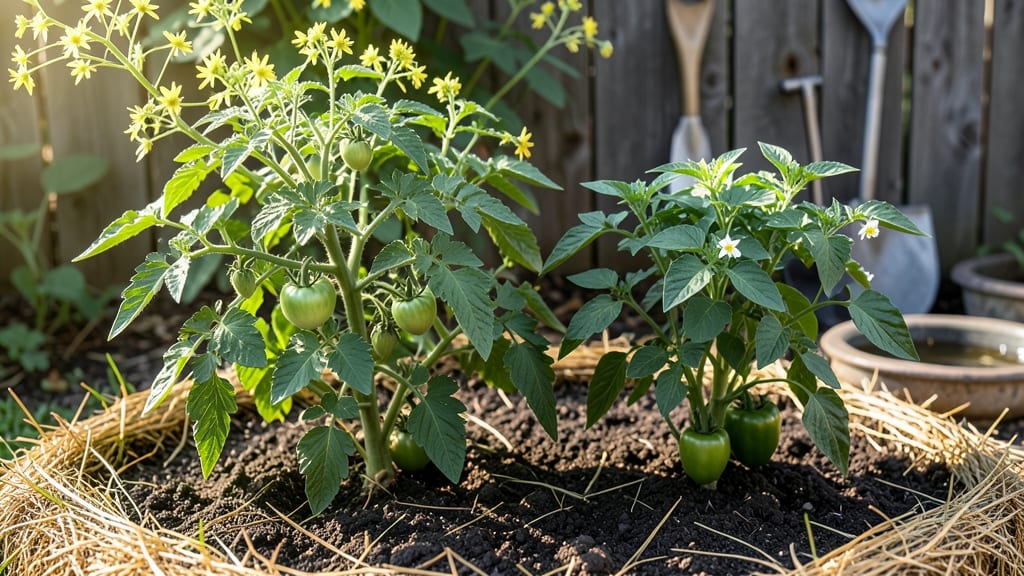
Growing tomatoes and peppers together in containers isn't just possible—it's a game-changer for small spaces. 🌱 I've turned my balcony into a mini farm by pairing these heat-lovers, and the results? Juicy tomatoes and spicy peppers all season long, even in summer's peak heat.
The secret lies in matching their needs: 5+ hours of direct sun, well-draining soil, and containers big enough to support their growth (10+ gallons for tomatoes, 5+ for peppers).
They thrive together because they share similar care routines—watering when the top inch feels dry and fertilizing every 3-4 weeks with a balanced feed. By summer's end, you'll be harvesting vibrant red tomatoes and fiery peppers that outperform store-bought.
The container combo saves space, deters pests, and lets you grow more than you ever could in-ground. Works for patios, decks, or even sunny windowsills. Here's how to set it up right—no green thumb required!
📚 In This Guide
- What you need
- Instructions
- Tips and common mistakes
- Wrapping up and next steps
What you need
- ● Containers: 5-gallon pots or grow bags (minimum 12–18 inches deep) for tomatoes; 3–5 gallon pots for peppers. Tip: Drill drainage holes if not pre-made! 🔨
- ● High-quality potting mix: 10–20 lbs of sterile, well-draining mix (avoid garden soil—it compacts!). Look for blends labeled for vegetables or container gardening.
- ● Tomato & pepper seedlings: 1–2 plants per container (choose determinate tomatoes for containers and bell or hot pepper varieties like ‘Jalapeño’ or ‘Sweet 100’).
- ● Fertilizer: Balanced slow-release fertilizer (e.g., 10-10-10) or organic options like compost or worm castings.
- ● Liquid fertilizer (e.g., fish emulsion or tomato-specific feed) for mid-season boosts.
- ● Support structures: For tomatoes: Cages (5–6 ft tall) or bamboo stakes + twine.
- ○ For peppers: Small cages or stakes (3–4 ft) (optional but helps with airflow).
- ● Grow lights or shade cloth: For year-round growth, use LED grow lights (12–16 hrs/day) in winter or shade cloth (30–50%) in scorching summers. 💡
- ● Mulch: Straw or black plastic to retain moisture and regulate soil temp.
- ○ Thermometer/hygrometer: Optional but helpful for monitoring ideal temps (70–85°F for peppers, 60–90°F for tomatoes).
- ● Pruning shears for trimming suckers (tomatoes) or dead foliage.
- ● pH test kit (aim for 6.0–6.8 for tomatoes/peppers).
- ● Drip irrigation system or self-watering planters to keep soil consistently moist.
- ● Epsom salt (1 tbsp/month) for calcium boosts (prevents blossom-end rot).
Step-by-step guide for growing tomatoes and peppers in containers
Here’s how to coax bold flavors and steady harvests from your compact garden all year.
🪴 Step 1: Choose the Right Containers and Soil Mix
Tomatoes and peppers thrive in containers that are at least 12-18 inches deep—deeper for indeterminate tomato varieties. I use fabric grow bags because they prevent root circling and allow excess moisture to evaporate. If using traditional pots, ensure they have multiple drainage holes to avoid waterlogged roots, which invite fungal diseases.
Fill containers with a sterile, well-draining potting mix—never garden soil. I blend 50% premium potting mix with 30% perlite and 20% compost for moisture retention and nutrient density. The mix should feel like a damp sponge when squeezed, with no clumps forming. Pre-moisten the soil before planting to encourage root establishment.
🌱 Step 2: Plant Transplants at the Correct Depth and Spacing
For tomatoes, bury the stem up to half its height—this encourages stronger root growth along the buried portion. Peppers, on the other hand, prefer to be planted just below their original soil line. Place one tomato plant per container (or two for dwarf varieties) and two to three pepper plants in larger containers, spacing them 12-18 inches apart to allow airflow and prevent disease.
Press the soil gently around the roots to eliminate air pockets, but avoid compacting it. Water deeply right after planting to settle the soil and remove any air gaps. Here’s the thing—if the soil surface looks dry after watering, you’ve packed it too tightly. It should feel damp 1-2 inches below the surface but not soggy.
☀️ Step 3: Position for Optimal Sun and Temperature
Both tomatoes and peppers demand full sun (6-8 hours daily) for maximum fruit production. A south-facing window or balcony delivers the best results, but if you’re growing indoors, supplement with a grow light positioned 6-12 inches above the plants. Keep the light on for 14-16 hours daily to mimic summer conditions.
Maintain temperatures between 70-85°F for peppers and 65-85°F for tomatoes. If your space dips below 55°F, growth stalls, and flowers may drop. I’ve found that a small space heater near the containers in winter keeps roots warm and prevents blossom end rot in tomatoes. Watch for leaves curling or wilting—this is your signal to adjust light or temperature.
💧 Step 4: Water and Fertilize for Continuous Harvests
Water containers deeply every 2-3 days, ensuring the top 2-3 inches of soil feel dry before the next watering. Overwatering leads to blossom end rot in tomatoes and cracked peppers, while underwatering causes fruit to split or become bitter. I use a moisture meter to check soil conditions—it’s the most reliable way to avoid guesswork.
Feed plants every 2 weeks with a balanced liquid fertilizer (10-10-10 or 20-20-20) diluted to half strength. Tomatoes and peppers are heavy feeders, so don’t skimp. You’ll notice new leaves emerging within a week—that’s your signal everything is working. For organic growers, a fish emulsion or compost tea works just as well.
✂️ Step 5: Prune and Support for Maximum Yield
Prune tomato suckers (the small shoots that form in the joint between the stem and branches) weekly to redirect energy to fruit production. For indeterminate tomatoes, I leave 2-3 main stems and remove everything else. Peppers don’t need pruning, but pinch off the first few flowers if your plants are small—this encourages bushier growth before fruiting.
Use cages or stakes to support tomato plants, tying stems loosely with soft plant ties every 4-6 inches. Peppers don’t need support unless they’re heavily laden with fruit, but a small cage can prevent them from toppling. Real talk: if you skip this, your tomatoes will sprawl everywhere, and peppers will develop uneven shapes. A little effort here saves headaches later.
Tips & tricks for year-round container gardening success
These insider strategies will help you maximize your harvest while avoiding common pitfalls that trip up even experienced gardeners.
Container Depth Matters: The 12-18 inch minimum depth for containers isn't arbitrary—it ensures roots have room to grow without becoming root-bound. For indeterminate tomato varieties, go deeper (up to 24 inches) to accommodate their sprawling root systems. I've found that fabric grow bags actually perform better than traditional pots because they allow excess moisture to evaporate through the sides, reducing the risk of fungal diseases that thrive in waterlogged soil.
Soil Science: That 50-30-20 mix of premium potting soil, perlite, and compost creates the perfect balance—perlite prevents compaction while compost provides essential nutrients. Here's the thing: if your mix feels too dense when squeezed, add more perlite (up to 40% of the total mix). For extra insurance against disease, I always sterilize my containers by soaking them in a 1:10 bleach-water solution before planting.
Lighting Strategy: The 14-16 hours of light requirement isn't just about duration—it's about intensity. If you're supplementing with grow lights, position them 6-12 inches above the plants and use full-spectrum LED bulbs. I've seen growers waste money on cheap lights that provide plenty of hours but insufficient intensity. For winter growing, consider adding a second light cycle in the evening to extend daylight hours naturally.
Temperature Management: Those 70-85°F ranges for peppers and 65-85°F for tomatoes are ideal, but real-world conditions often vary. I've learned to monitor nighttime temperatures closely—if they drop below 55°F, growth stalls completely. For winter container gardening, I use insulated grow bags filled with straw around the container bases to maintain root zone warmth. This simple trick has prevented blossom end rot in my tomatoes during cold snaps.
Pro Tips for Tomato And Peppers
- These insider strategies will help you maximize your harvest while avoiding common pitfalls that trip up even experienced gardeners.
- Container Depth Matters: The 12-18 inch minimum depth for containers isn't arbitrary—it ensures roots have room to grow without becoming root-bound.
- Soil Science: That 50-30-20 mix of premium potting soil, perlite, and compost creates the perfect balance—perlite prevents compaction while compost provides essential nutrients.
Frequently asked questions
Got questions about growing tomatoes and peppers in containers? You're not alone!
Here are answers to the most common queries to help you cultivate a thriving harvest year-round.
Can tomatoes and peppers grow together in the same container?
Both thrive in similar conditions—warmth, sunlight, and well-draining soil. Pair them in a 5-gallon container or larger to share space efficiently. Just ensure they get enough sunlight (6+ hours daily) and monitor watering, as peppers may need slightly less moisture than tomatoes.
How long does it take for container-grown tomatoes and peppers to produce fruit?
Timing varies by variety, but expect:
- Tomatoes: 60–85 days from transplant (cherry tomatoes mature fastest).
- Peppers: 60–90 days (hot peppers like jalapeños ripen quicker than bell peppers).
Why are my container-grown peppers turning yellow or dropping?
Yellowing or dropping peppers often signal overwatering, underwatering, or nutrient deficiencies. Check soil moisture (top inch should be dry), ensure proper drainage, and fertilize with a balanced 10-10-10 or tomato/pepper-specific feed every 2–3 weeks. Heat stress (above 90°F) can also cause blossom drop.
What are the best alternatives if my container is too small for both plants?
If space is limited, opt for compact varieties like:
- Tomatoes: ‘Tiny Tim,’ ‘Micro Tom,’ or ‘Balcony Red’ (dwarf varieties).
- Peppers: ‘Jalapeño M,’ ‘Shishito,’ or ‘Lunchbox’ bell peppers.
How do I protect tomatoes and peppers in containers during cold snaps?
Move containers to a sheltered spot (garage, patio cover) or wrap them in burlap or frost blankets for nighttime protection. Use heat mats or grow lights indoors if temps drop below 50°F. Peppers are slightly more cold-tolerant than tomatoes but still need warmth to thrive.
Wrapping up and next steps
Growing tomatoes and peppers in containers isn’t just possible—it’s a rewarding way to enjoy fresh, homegrown produce year-round! 🌱 With the right mix of space-saving containers, nutrient-rich soil, and smart care techniques, you’ll be harvesting vibrant veggies in no time.
Whether you’re a seasoned gardener or just starting out, these secrets make container gardening accessible and fun.
Ready to take the next step? Start small—pick one variety to try this season, experiment with your setup, and watch your container garden thrive. Happy planting! 🌿